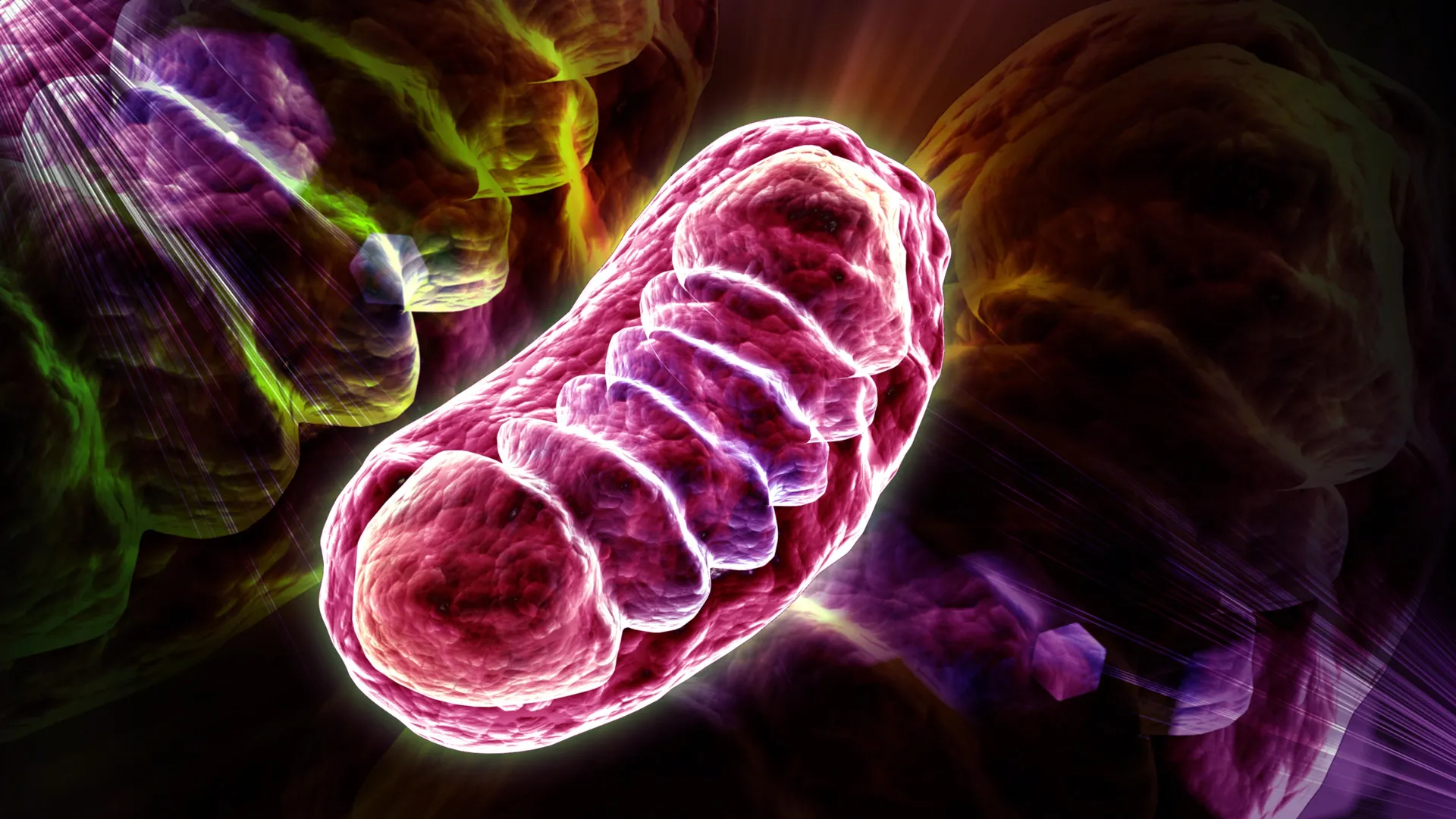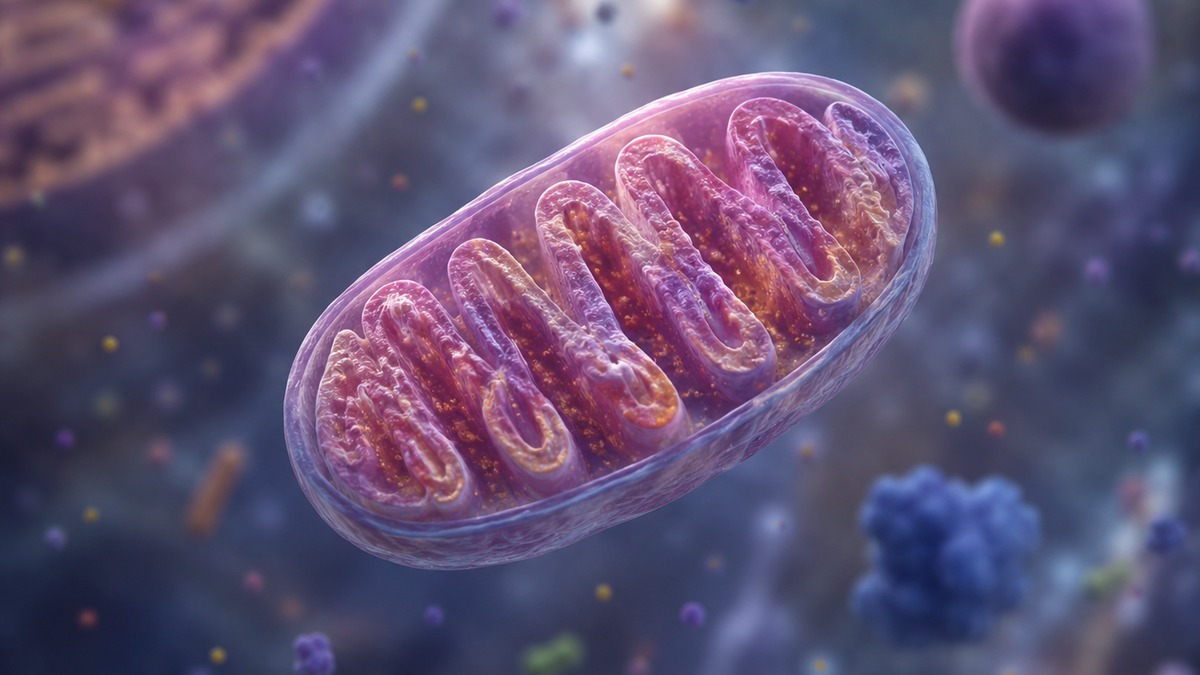
Mitochondria are responsible for maintaining the cell’s supply of energy.
| Photo Credit: Image created with AI
Proteins in the cells in our body perform functions of value to the sustenance and growth of organs. There are more than 20 amino acids, which are the building blocks of proteins, and the sequence of these amino acid chains generates the structure and function of each protein in the cells.Several of these amino acids play vital roles in specific functions. For example, an amino acid called glycine is vital for blood cells. Leucine is an essential amino acid involved in muscle growth, tissue repair, and energy production. The body has eight other essential amino acids that the body cannot produce on its own. They need to be supplied to the organs from outside for them to function.The energy for each organ is generated by cellular components called the mitochondria (in Ancient Greek, ‘mito’ means thread-like and ‘chondrion’ means granule). These are unique, thread-like organelles present in the thousands per cell. They are the gatekeepers of energy in most organs in our body.Mitochondria are responsible for maintaining the cell’s supply of energy, by producing the molecule adenosine triphosphate (ATP), which is the energy currency of the cell. Mitochondria are thus the battery of the cell, charging it using ATP. The connection between the mitochondrion and the parent cell is vital, since during oxidation and respiration, the membrane of this cellular organelle can be degraded, causing a loss in cellular function.For example, the adult human heart has more than 2 billion muscle cells that work non-stop, and each of these cells has 5,000-8,000 mitochondria. Most of the energy required for the pumping of the heart comes from these mitochondria.Every organ in the body needs adequate energy to function normally. When an organ needs more energy, new mitochondria are made, while at the same time increased wear and tear necessitates the degradation of some mitochondria.The proteins that make up mitochondria are degraded during the process. Critically, the outer mitochondrial membrane proteins should not be lost, and methods should be found to prevent excessive degradation. Scientists have been searching for ways to prevent these outer walls from breaking down completely under stress, as this can lead to metabolic and age-related diseases.Role of leucine in protecting cells