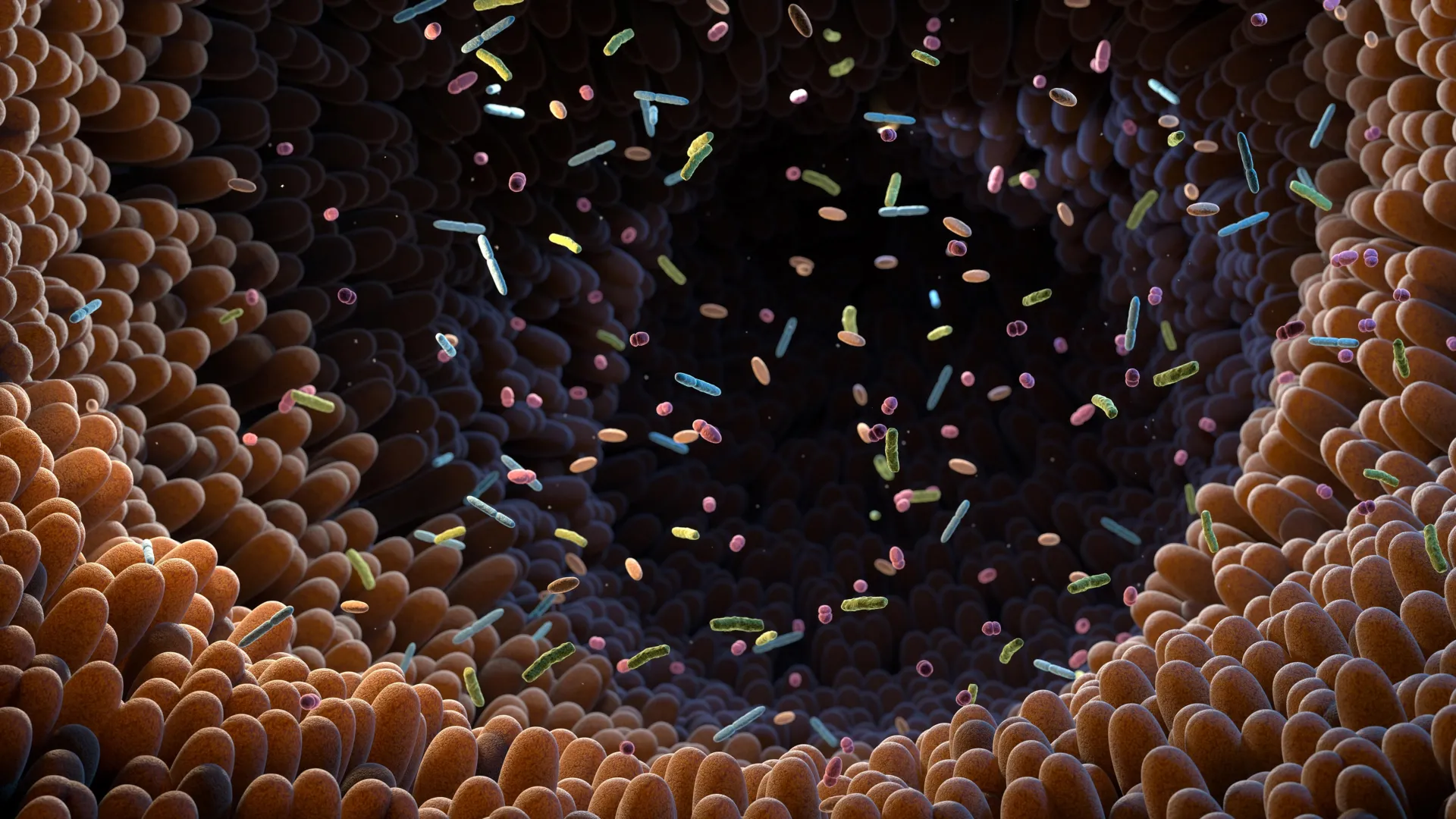
Researchers at Karolinska Institutet have found that gut microbes can transform nitrate and iron from food into molecules that may help protect against cardiovascular and metabolic disease. The findings, published in Cell, uncover a previously unknown way the gut microbiota may influence important functions throughout the body.
Nitrate is found naturally in many vegetables, especially beetroot and leafy greens such as spinach, rocket, and lettuce. Non-haem iron -- the form of iron found in plant-based foods such as beans, whole grains and green vegetables -- is also a common part of the diet.
The researchers found that gut bacteria can combine nitrate and non-haem iron from food to produce compounds known as dinitrosyl iron complexes (DNICs). After they are formed, these molecules can be absorbed into the body and carried to different organs, particularly the liver and kidneys.
Gut Microbes Are Essential for DNIC Formation
The study drew on experiments involving mice, cells, bacteria and human samples. Using advanced analytical techniques, the researchers detected DNIC in several types of tissue.