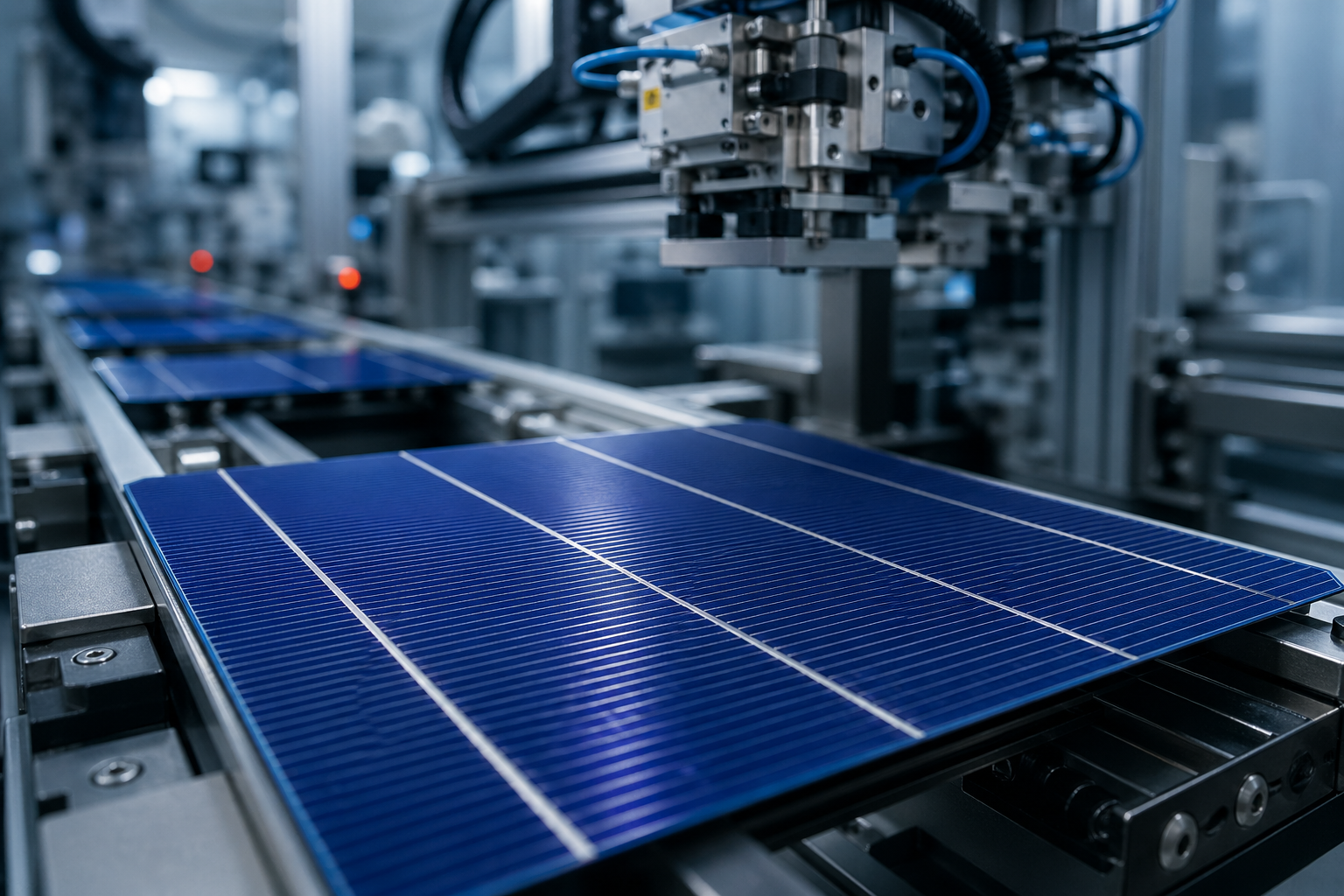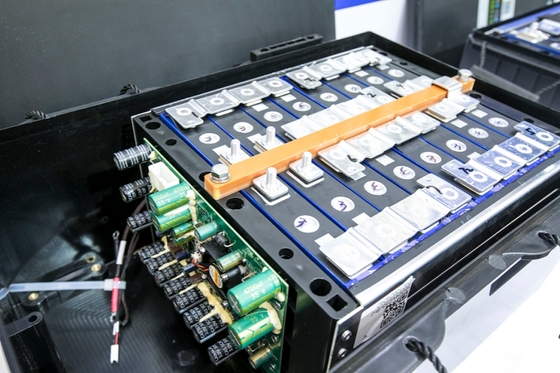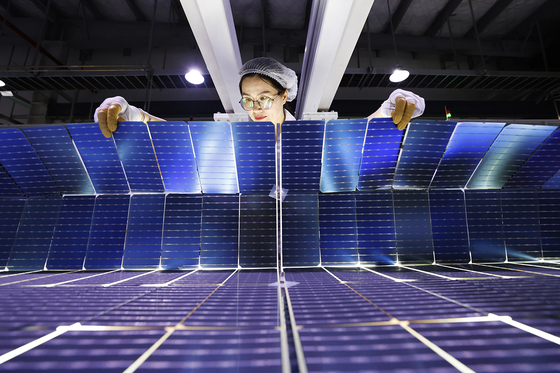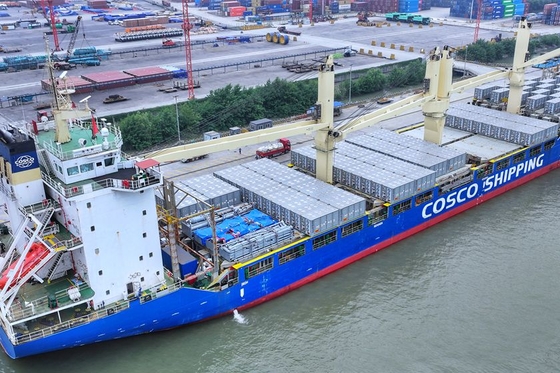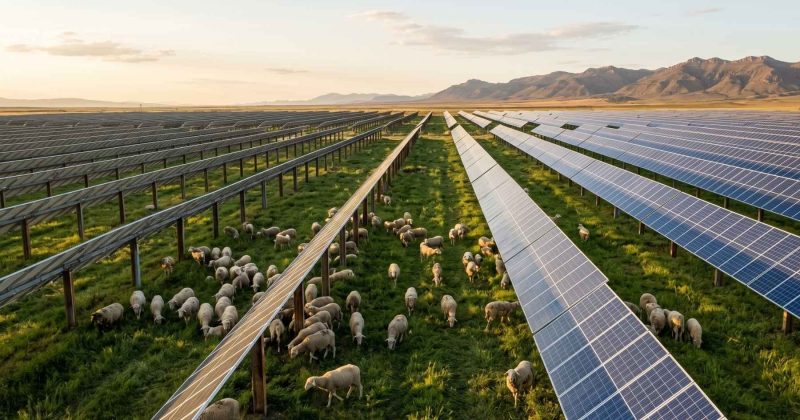
Beijing just did something counterintuitive. It slapped a new tax on two of China’s most dominant export industries, solar cells and lithium batteries, and the stocks of those same companies went up.
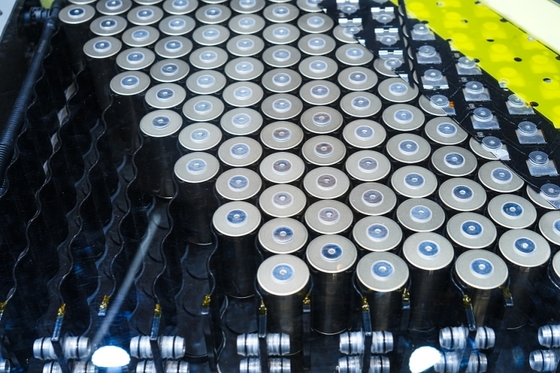
The Chinese Ministry of Finance announced on July 17 that it will impose a 2% consumption tax on lithium-ion batteries starting September 1, 2026, escalating to 4% by September 2027. Solar cells get the same treatment on a slightly delayed timeline: 2% beginning April 1, 2027, rising to 4% by April 2028. The move ends an 11-year exemption that helped turn China into the undisputed heavyweight of global clean energy manufacturing.
Why a tax hike made stocks go up
China’s solar industry has been drowning in its own success. Years of subsidies and tax breaks created so much manufacturing capacity that solar panel prices cratered, margins evaporated, and smaller producers started bleeding cash. The consumption tax is essentially a controlled demolition of the weakest players. By raising costs across the board, the policy squeezes out low-margin producers who can’t absorb even a modest tax increase. The survivors, typically larger and more efficient manufacturers, inherit their market share.
The exemptions tell an equally important story. Sodium-ion batteries, solid-state batteries, perovskite solar cells, tandem cells, and gallium-arsenide cells are all exempt from the new tax through at least December 31, 2028. These are next-generation technologies that China wants to dominate.