Combined with stricter energy efficiency standards, the new measure signal Beijing’s push to reduce overcapacity, promote advanced technologies, and favor more competitive, higher-efficiency producers across the solar value chain.
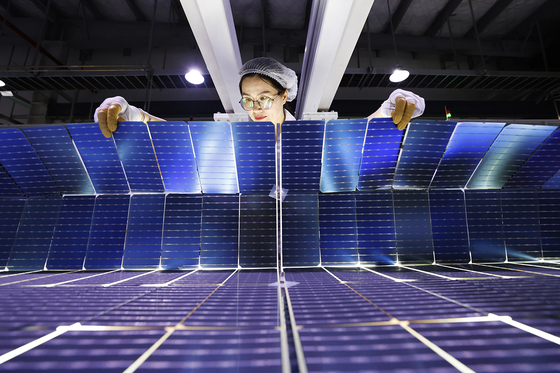
China’s Ministry of Finance (MOF) announced photovoltaic cells will be subject to a 2% consumption tax effective April 1, 2027. The tax rate will increase to 4% starting April 1, 2028.
The tax is expected to accelerate capacity rationalization in China’s solar industry by increasing cost pressures on already low-margin manufacturers and making inefficient production facilities increasingly unviable. While a 2%–4% consumption tax may appear modest, it could further squeeze profitability for manufacturers operating on thin or negative margins, potentially accelerating the retirement of outdated capacity and the exit of less competitive players.
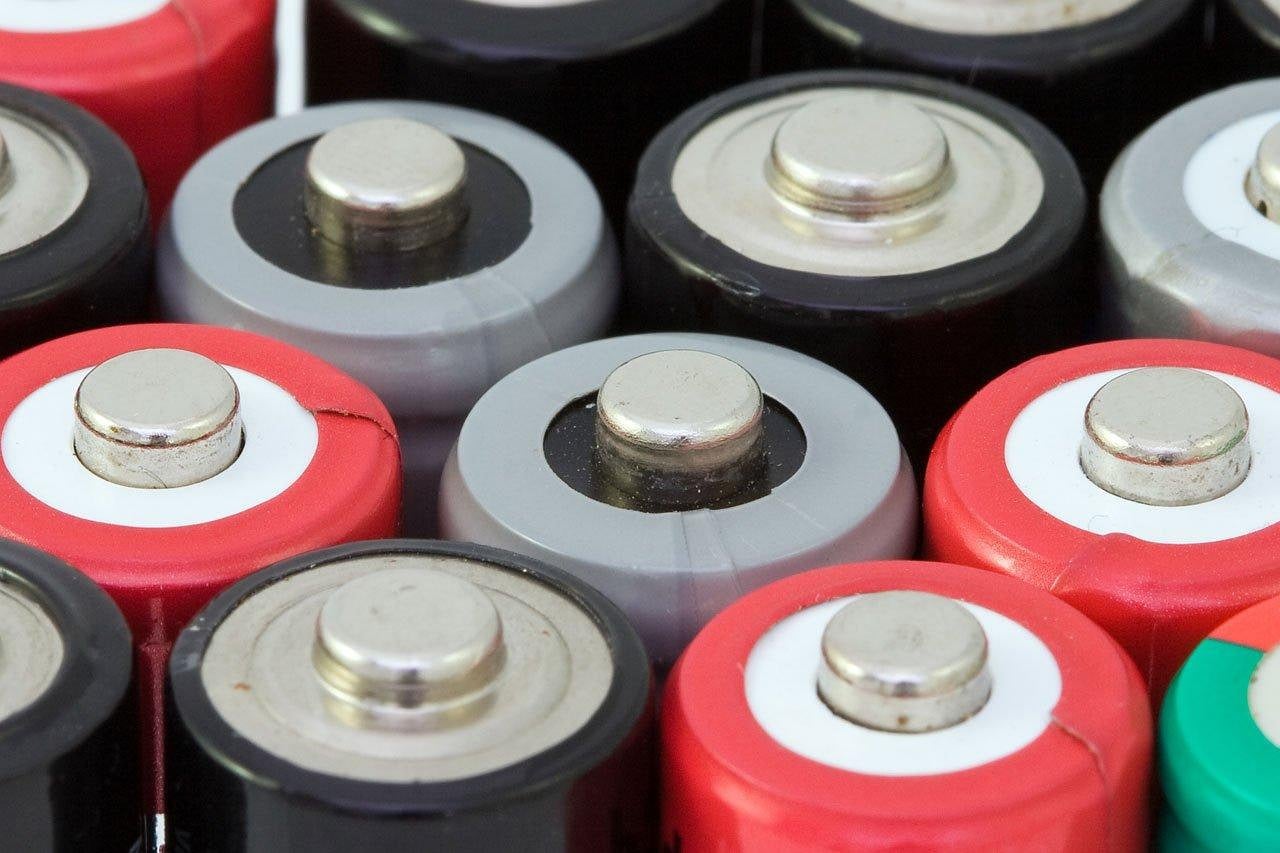
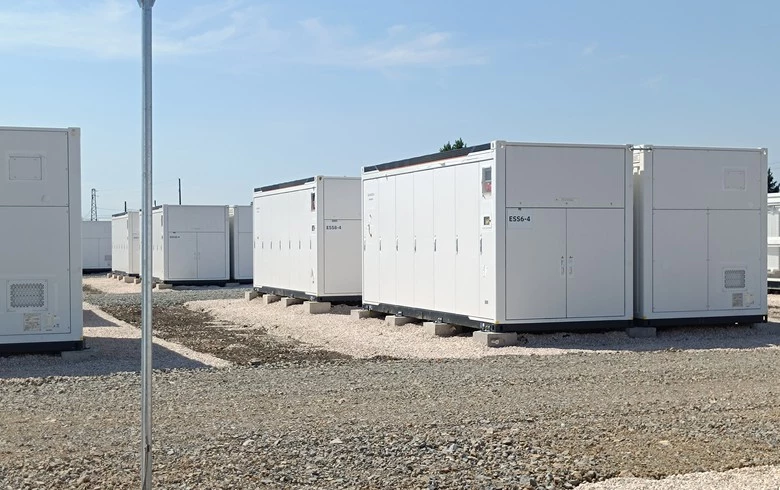
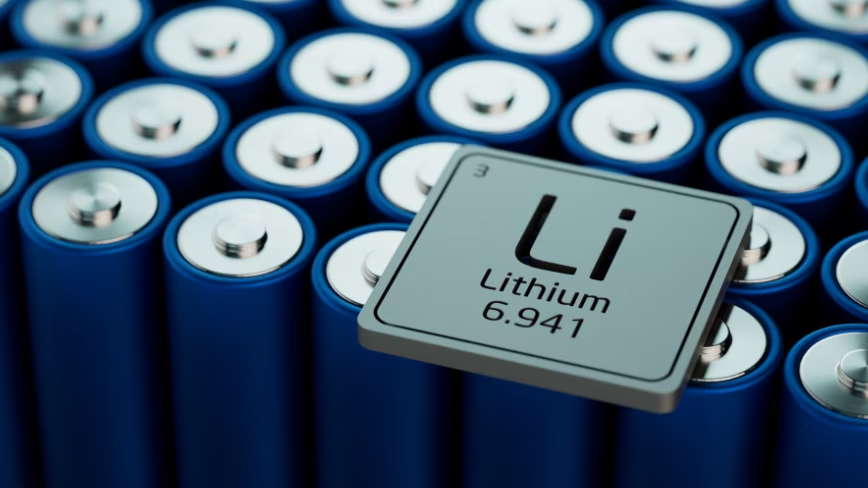
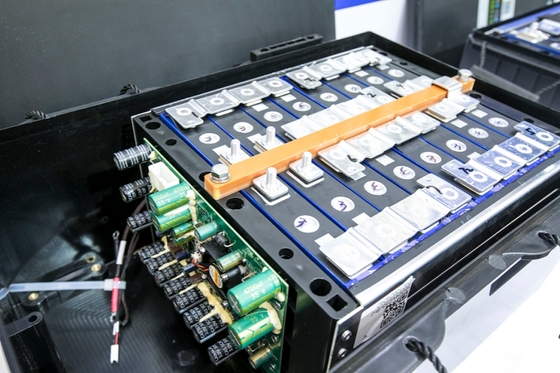
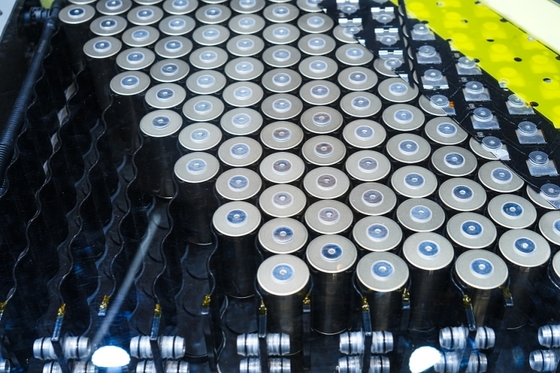
The Chinese government also introduced a consumption tax on a range of battery products, including lithium-ion batteries, nickel-metal hydride batteries, and other energy storage technologies, with rates set at 2% from September 2026 and 4% from September 2027. The measure broadens the scope of China’s battery-related taxation framework and reflects policymakers’ efforts to improve industrial efficiency, curb low-value capacity expansion, and encourage the development of advanced technologies.