TL;DRChina ends a decade-long tax exemption on lithium and solar batteries to curb overcapacity. Sodium-ion and solid-state batteries remain exempt through 2028.
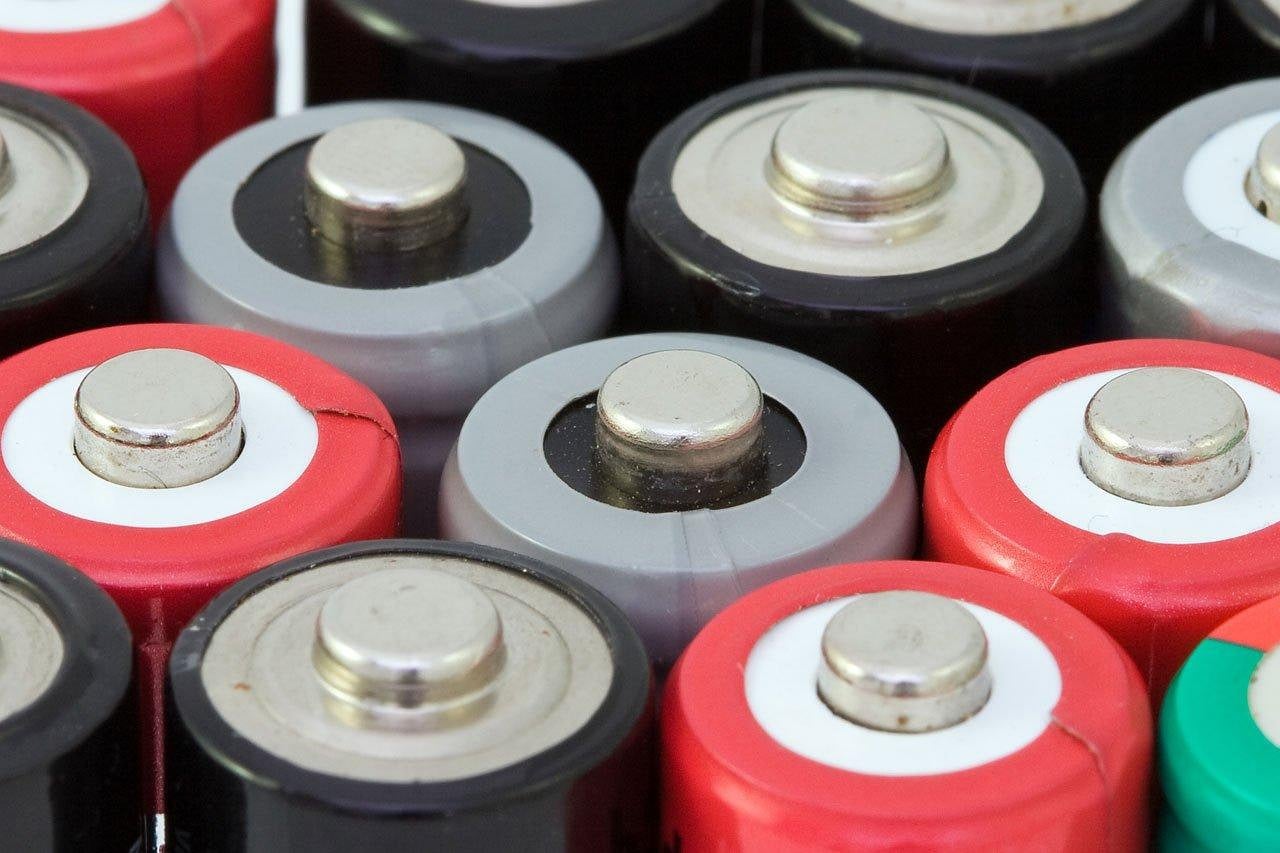
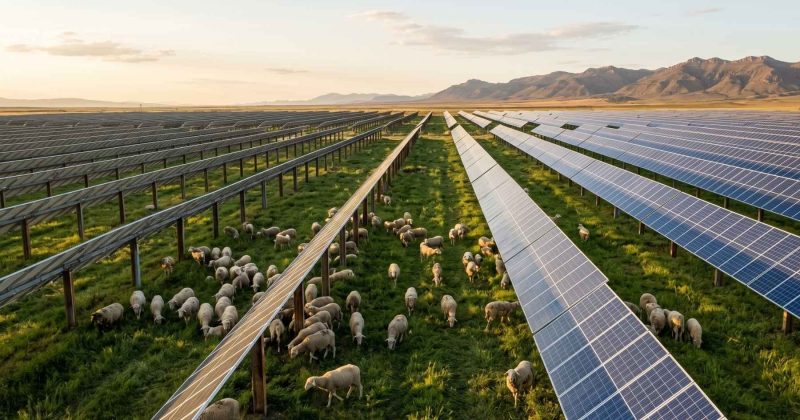
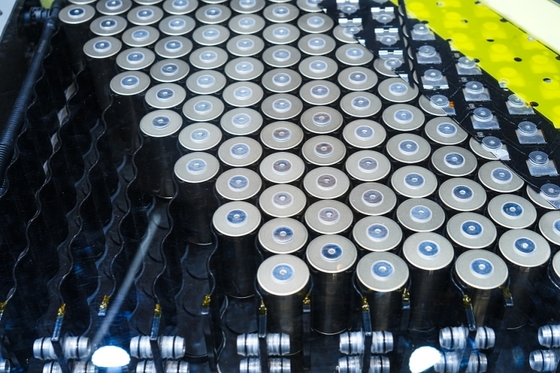
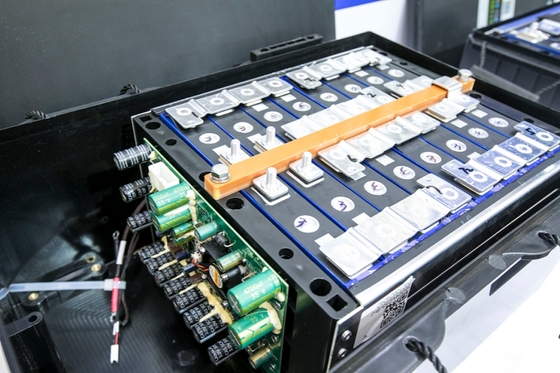
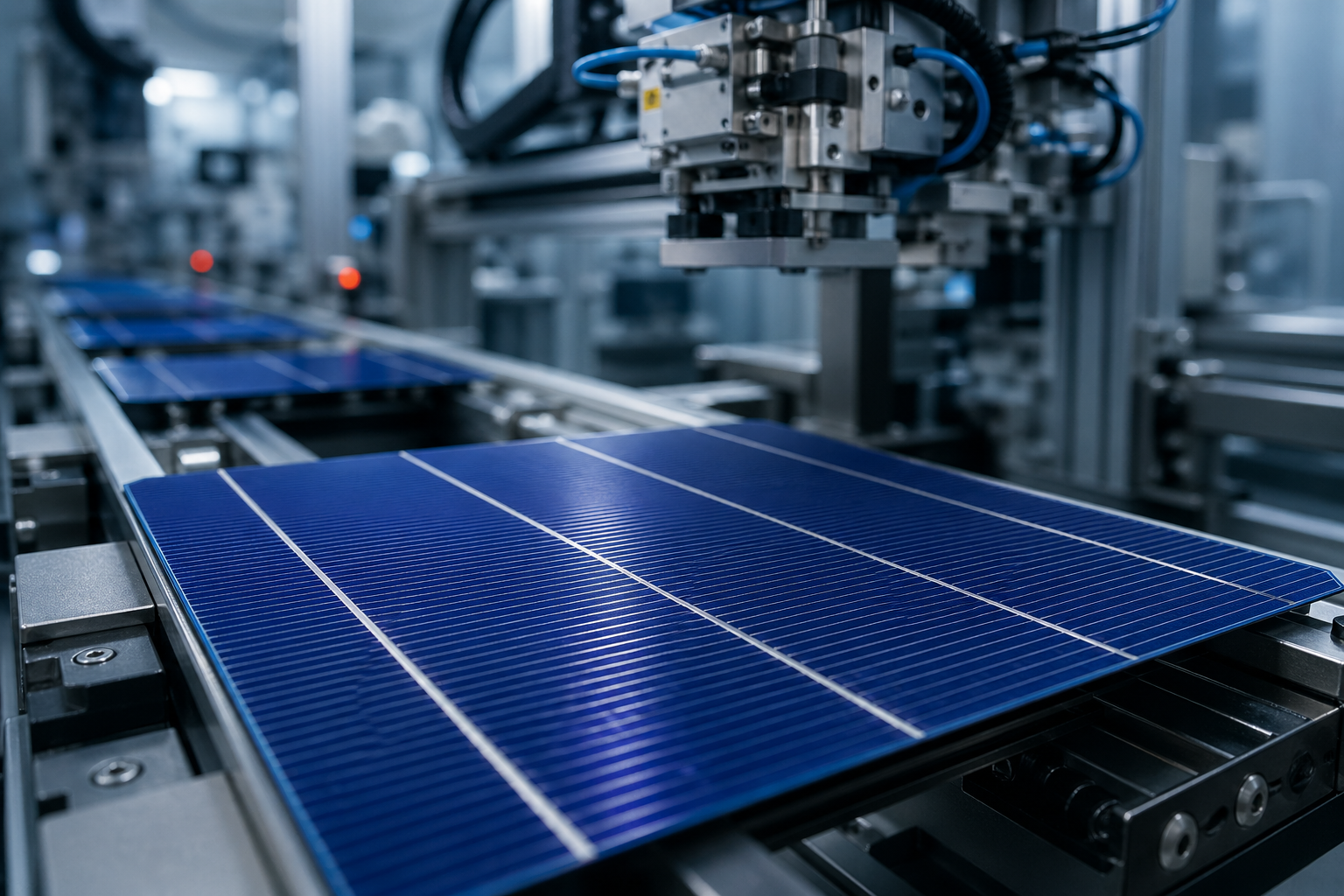
China will impose a consumption tax on lithium-ion and solar batteries for the first time in a decade, marking a policy shift as Beijing seeks to rein in overcapacity and destructive price wars in industries it spent years subsidising into global dominance. A 2% tax on lithium-ion batteries takes effect this September, rising to 4% from September 2027. Solar cells face the same trajectory starting April 2027, reaching 4% in April 2028.
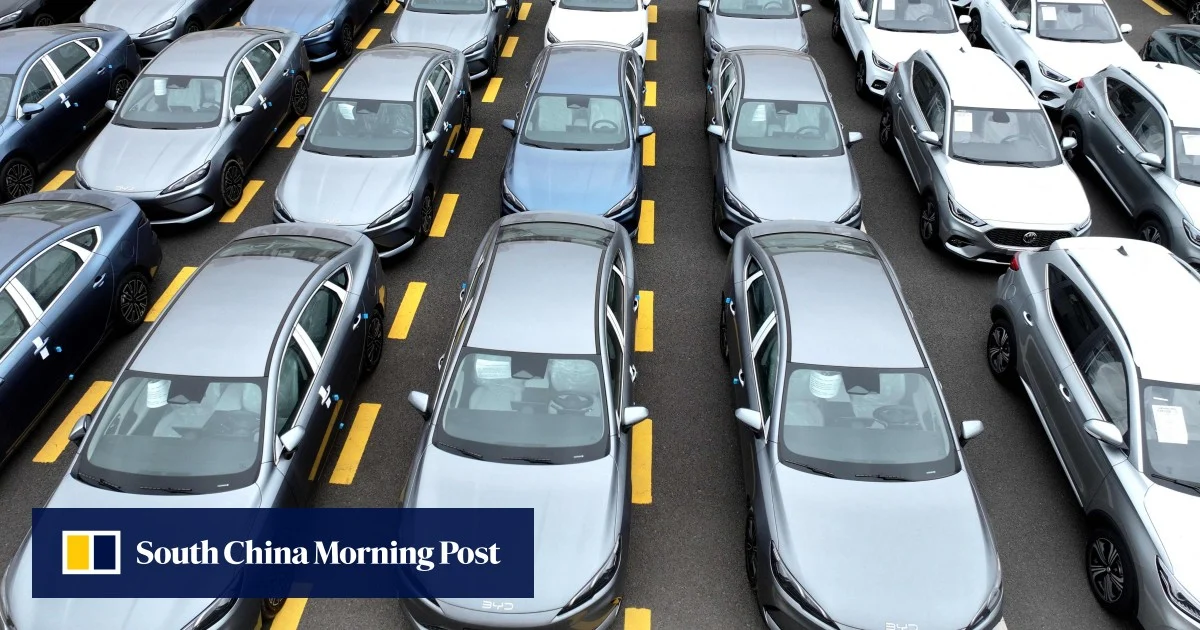
Beijing exempted both technologies from the consumption tax in 2015 to accelerate the clean energy transition. The strategy worked: Chinese manufacturers now dominate global markets for EV batteries and solar panels. But years of relentless capacity expansion have triggered severe overcapacity and cut-throat competition at home. Authorities summoned leading battery makers earlier this year to warn against unchecked expansion and destructive pricing.
The most telling detail is what stays exempt. Sodium-ion batteries, solid-state batteries, and perovskite solar cells will remain tax-free through at least the end of 2028. China is investing heavily in sodium battery technology as a strategic alternative to lithium, which it imports at a 75% rate. The exemption structure sends a clear signal: Beijing is taxing the mature technologies where overcapacity is the problem while protecting the emerging ones it wants to scale next.