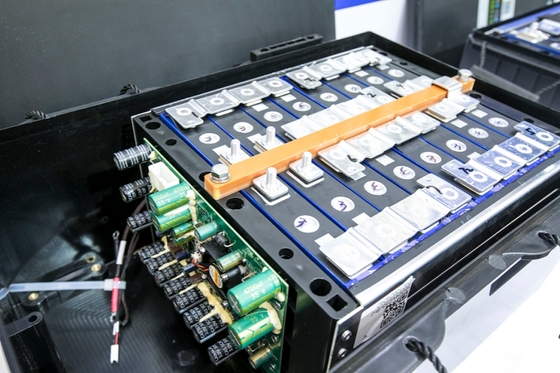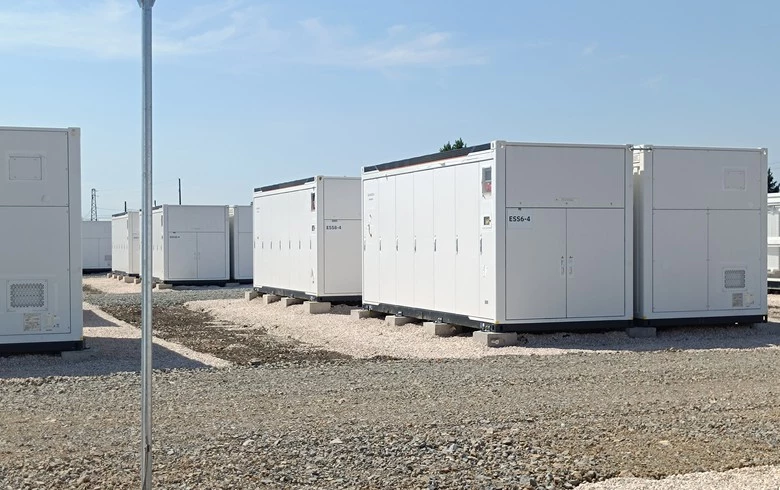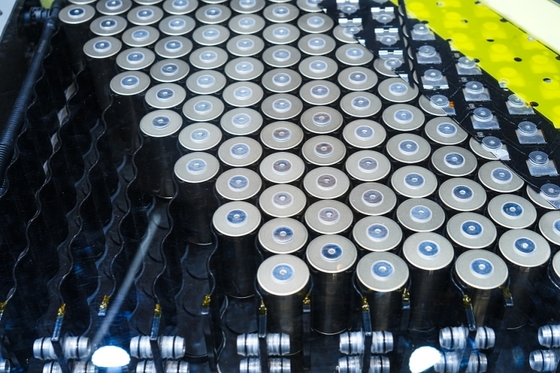
From 1 September 2026, China will introduce a consumption tax on lithium-based batteries, ending an eleven-year tax exemption for the sector. The measure was jointly announced by the Ministry of Finance, the General Administration of Customs and the State Taxation Administration.
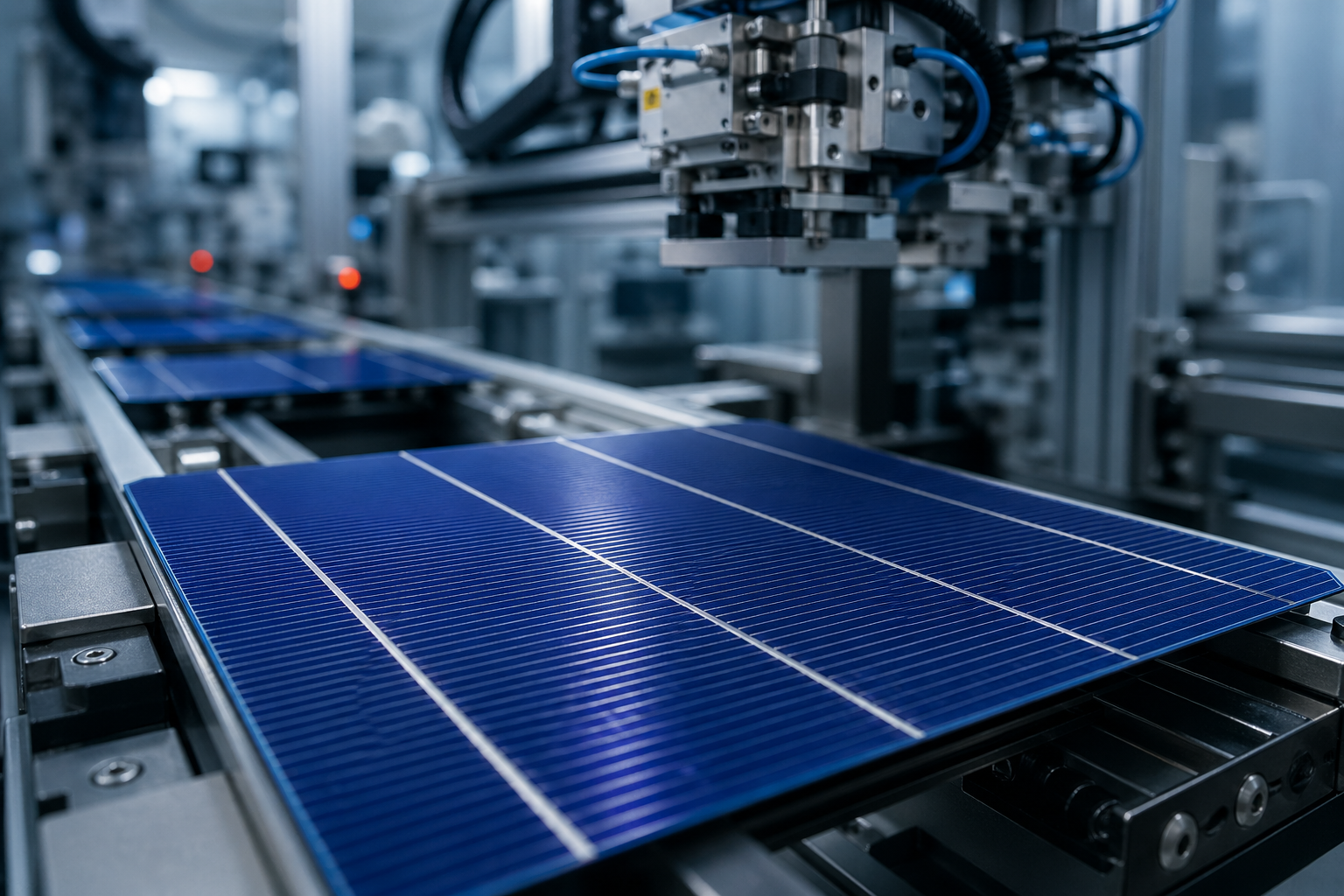
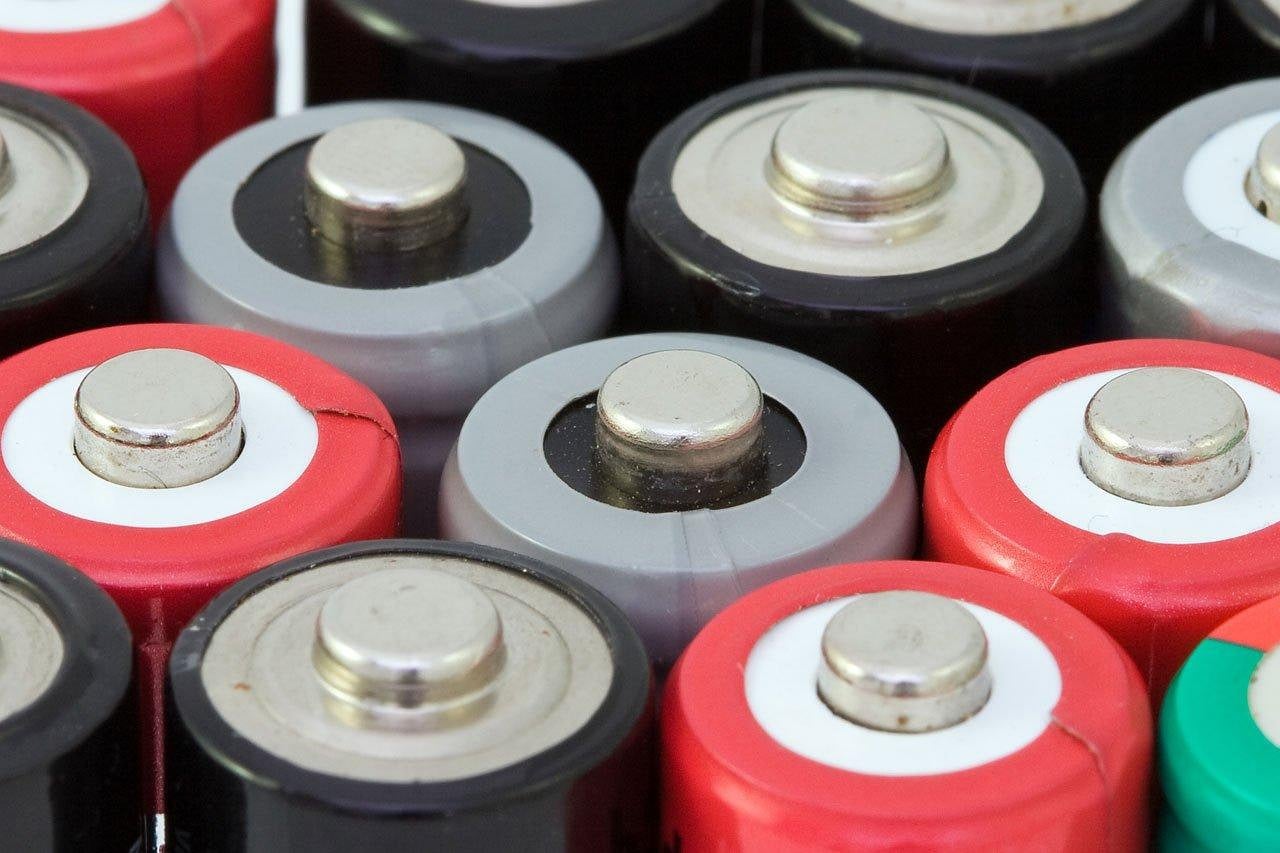
According to media reports, the tax rate will initially be set at 2% and increase to 4% from 1 September 2027. The new rules cover lithium-ion batteries as well as lithium primary batteries, nickel-based batteries and vanadium redox flow batteries. Sodium-ion batteries, solid-state batteries and fuel cells will remain exempt until the end of 2028. In the photovoltaic sector, exemptions will also apply to perovskite, tandem and gallium arsenide solar cells.
The measure brings to an end a tax exemption introduced in 2015 to support electromobility and other low-emission technologies. At the time, lithium-ion batteries, nickel-metal hydride batteries, fuel cells and solar cells were exempted from the consumption tax.
For lithium-ion batteries, which now dominate the market, the new rules could increase costs throughout the supply chain. At the same time, the exemption creates a financial incentive for alternative battery technologies. Sodium-ion and solid-state batteries, which were previously subject to a 4% consumption tax, will now be exempt until the end of 2028.