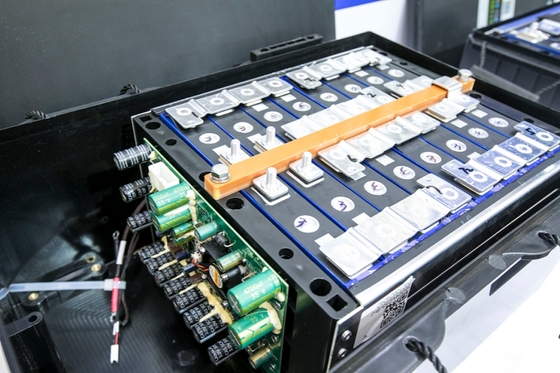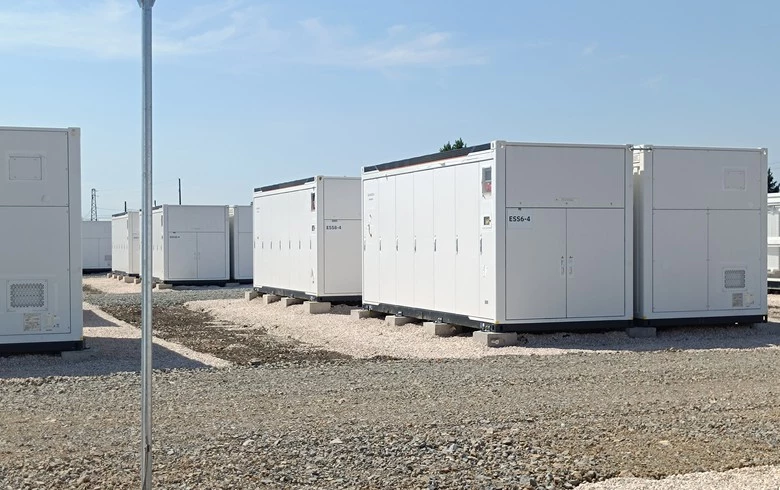
China has begun taxing lithium-ion batteries at 2% from Sept. 1, 2026, ending a decade-long exemption; the rate will rise to 4% in September 2027, while emerging technologies such as sodium-ion and solid-state batteries remain temporarily exempt. The tax applies to cells, packs and battery clusters—not complete BESS—and is expected to modestly raise domestic storage costs, while directly exported batteries remain exempt.
From ESS News
China has begun collecting consumption tax on lithium-ion batteries from Sept. 1, ending an exemption that had been in place for more than a decade and adding a new cost component for domestic battery energy storage products.
The measure is a legacy tax returning to the industry. China added batteries to its consumption tax regime in February 2015 with a statutory rate of 4%, but exempted lithium-ion batteries, lithium primary batteries, nickel-metal hydride batteries, fuel cells, solar cells and vanadium redox flow batteries as part of policies supporting emerging clean-energy industries.
Under a policy issued jointly by the Ministry of Finance, General Administration of Customs and State Taxation Administration in July, lithium-ion batteries, lithium primary batteries, nickel-metal hydride batteries, mercury-free primary batteries and vanadium flow batteries are now taxed at 2% from Sept. 1, 2026, before returning to the statutory 4% rate from Sept. 1, 2027.