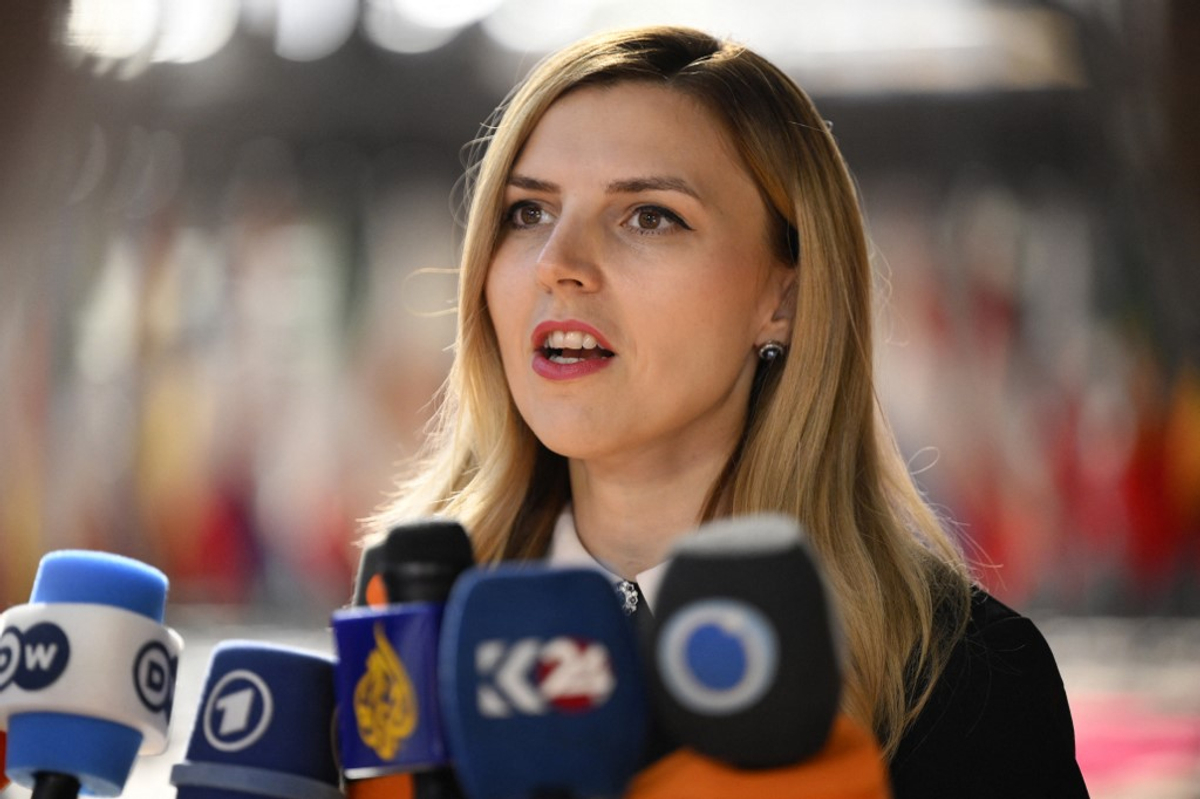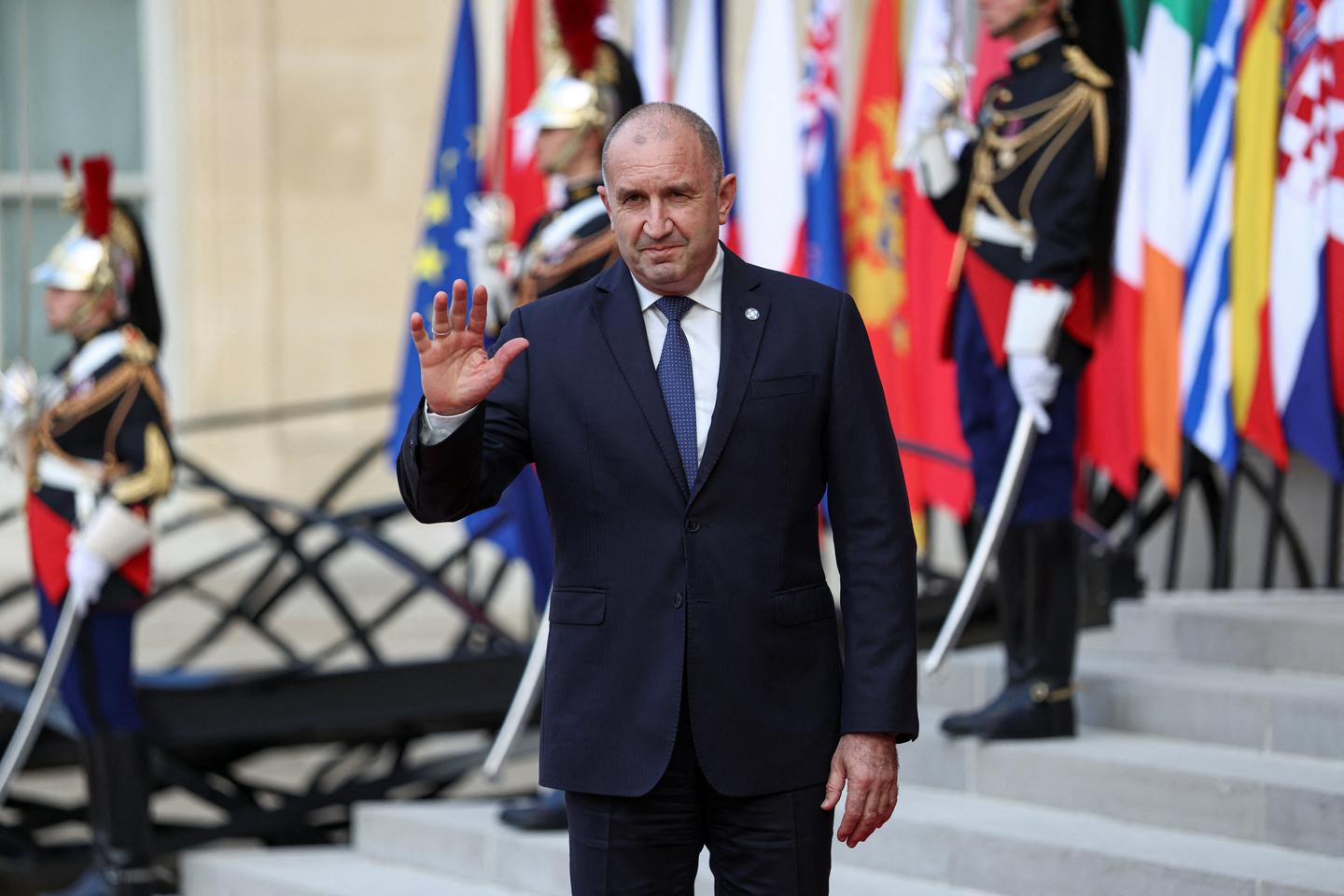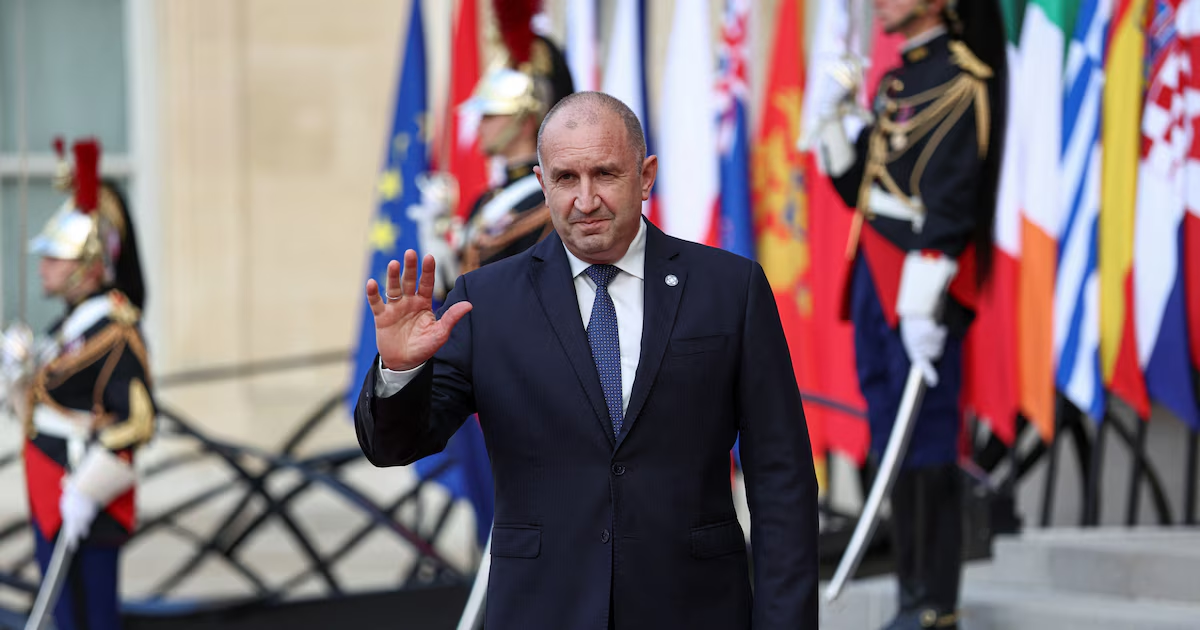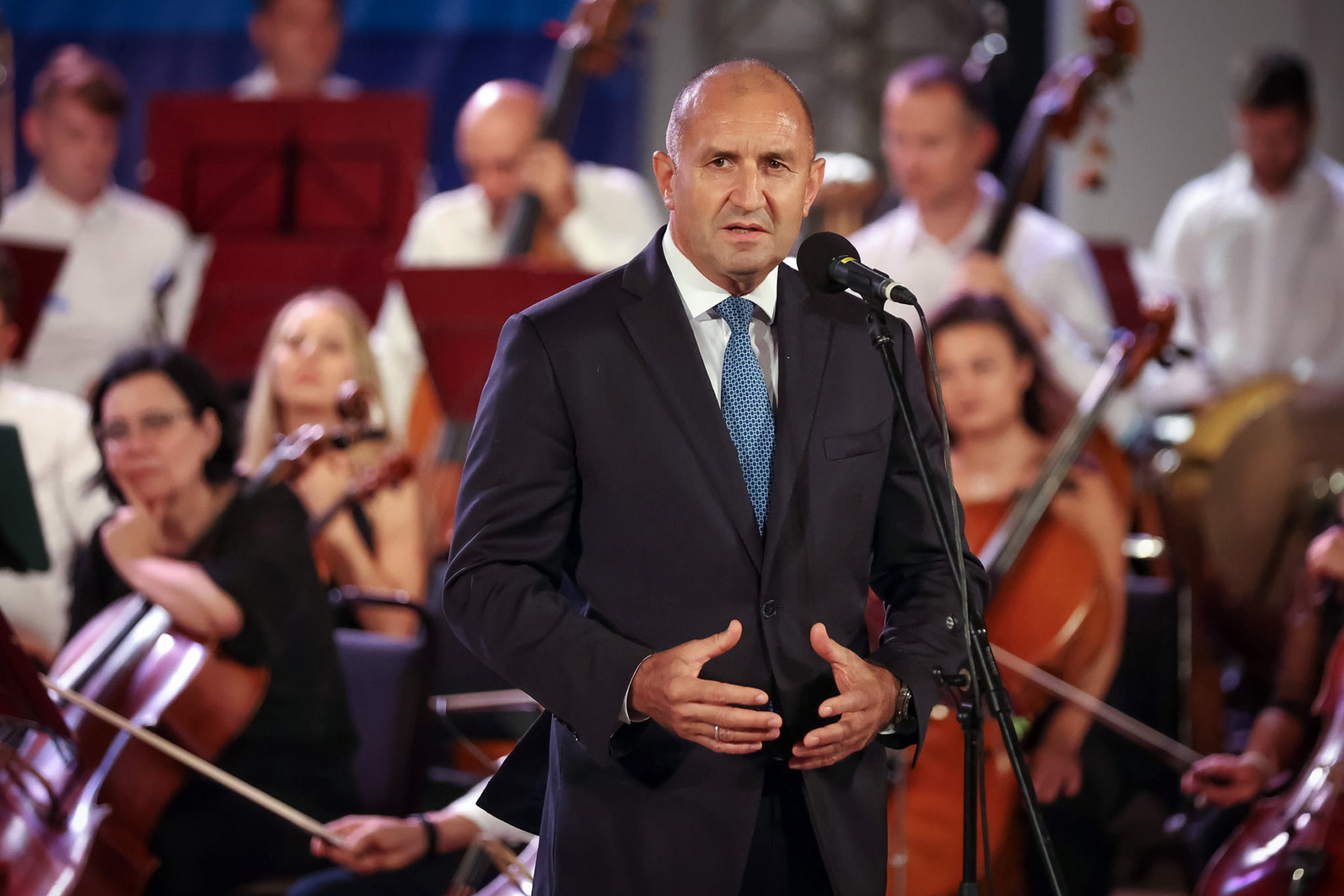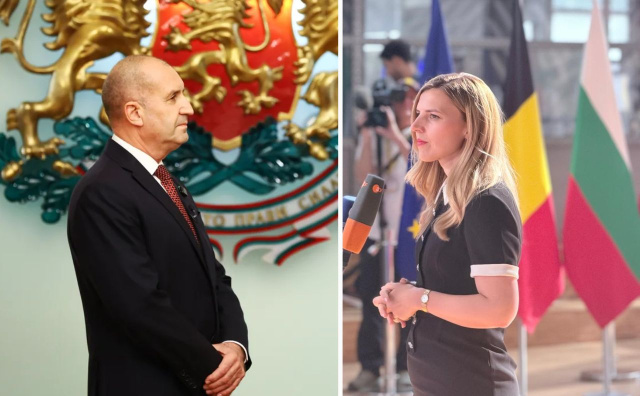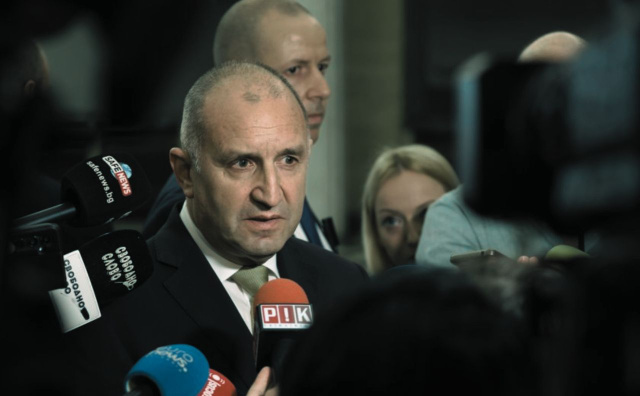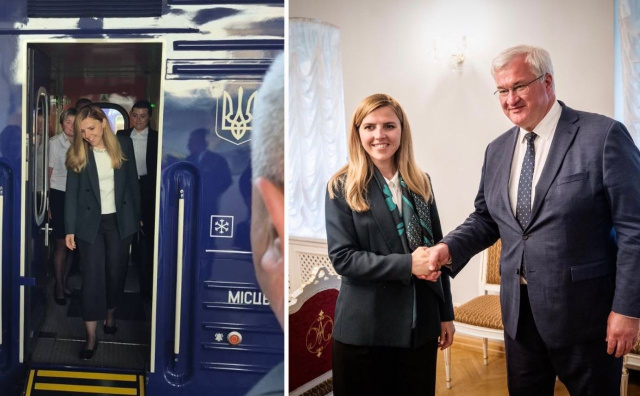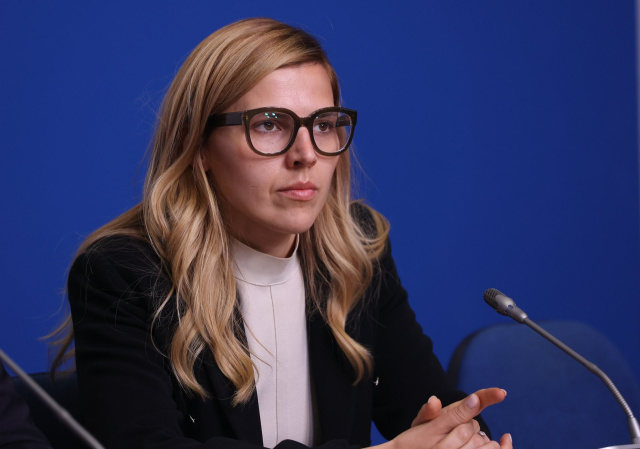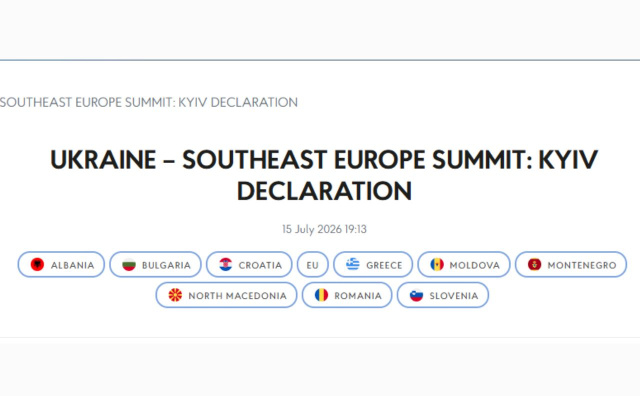
Confusion erupted after the fifth Ukraine-Southeast Europe Summit in Kyiv on July 15, with claims circulating on social media that Bulgarian Foreign Minister Velislava Petrova had signed the so-called Kyiv Declaration, thereby committing Bulgaria more deeply to support for Ukraine and the Coalition of the Willing. Both Petrova-Chamova and Prime Minister Rumen Radev later rejected those claims, insisting that Bulgaria had not signed the document.
The debate quickly fueled political criticism. Leaders of the Revival party and There Is Such a People argued that Bulgaria had formally endorsed the declaration, while online posts claimed the document expanded Sofia's commitments toward Ukraine. However, the circumstances surrounding the declaration turned out to be more nuanced.
According to Ukraine's Deputy Ambassador Anna Tertichna, "some declarations do not require a signature," explaining that this is a standard diplomatic practice. She noted that the Kyiv Declaration belongs to that category, serving as a political statement of support rather than a legally binding agreement imposing obligations on participating countries.
President Iliana Yotova offered a similar explanation, describing the declaration as a consensus document. She said that "with such documents, there is no discussion planned for them during the forums, no voting, and no signatures." The Bulgarian Foreign Ministry was also asked whether the declaration had been physically signed and whether Bulgaria had assumed additional commitments, but no official response had been issued before the report was completed.