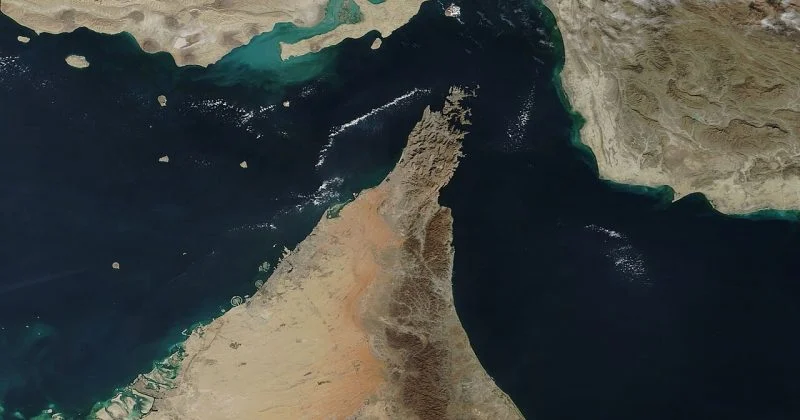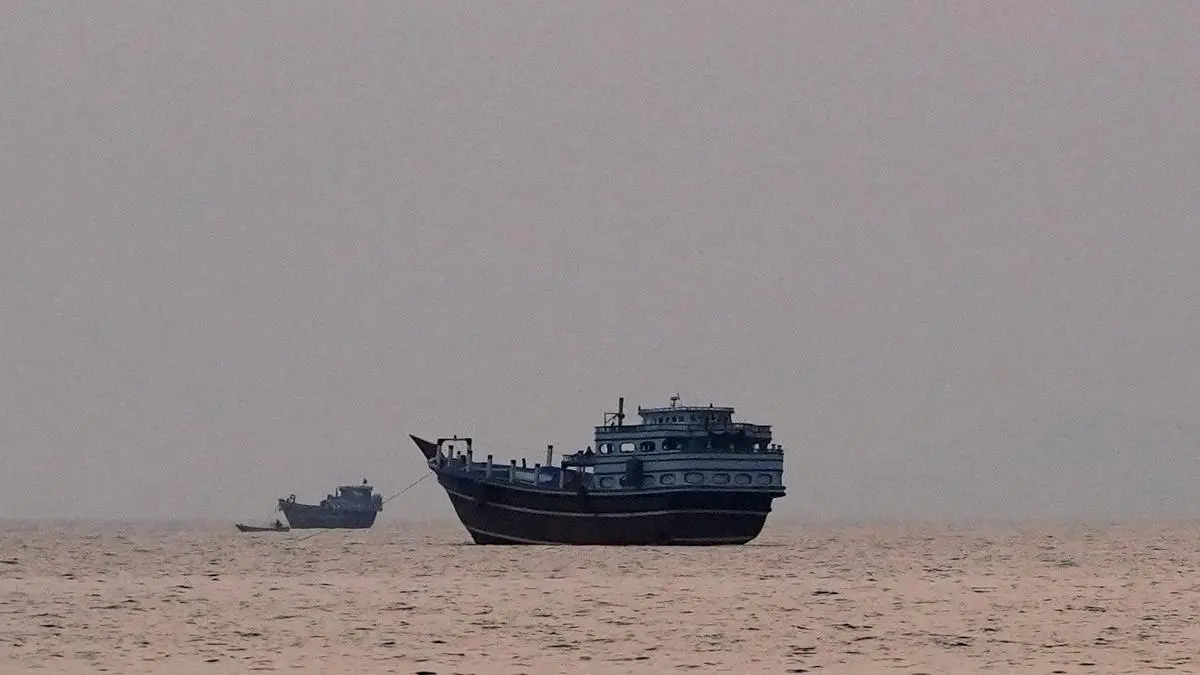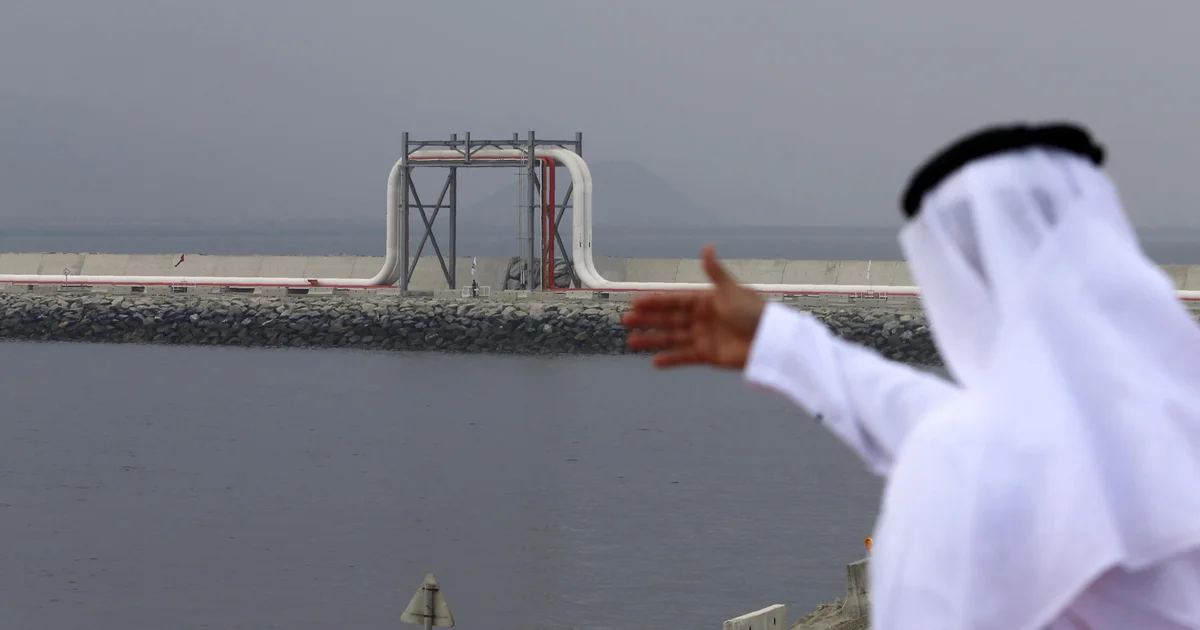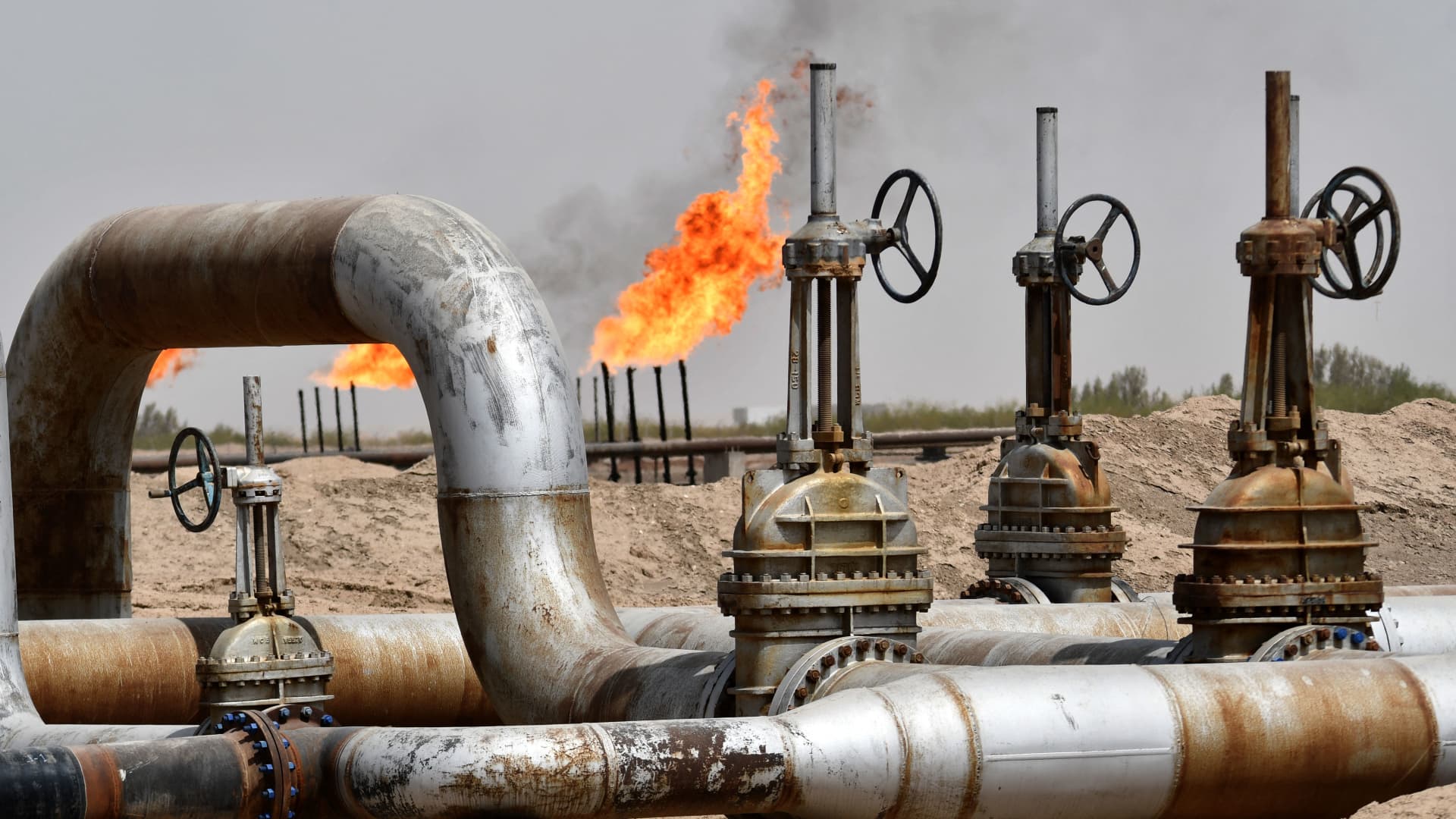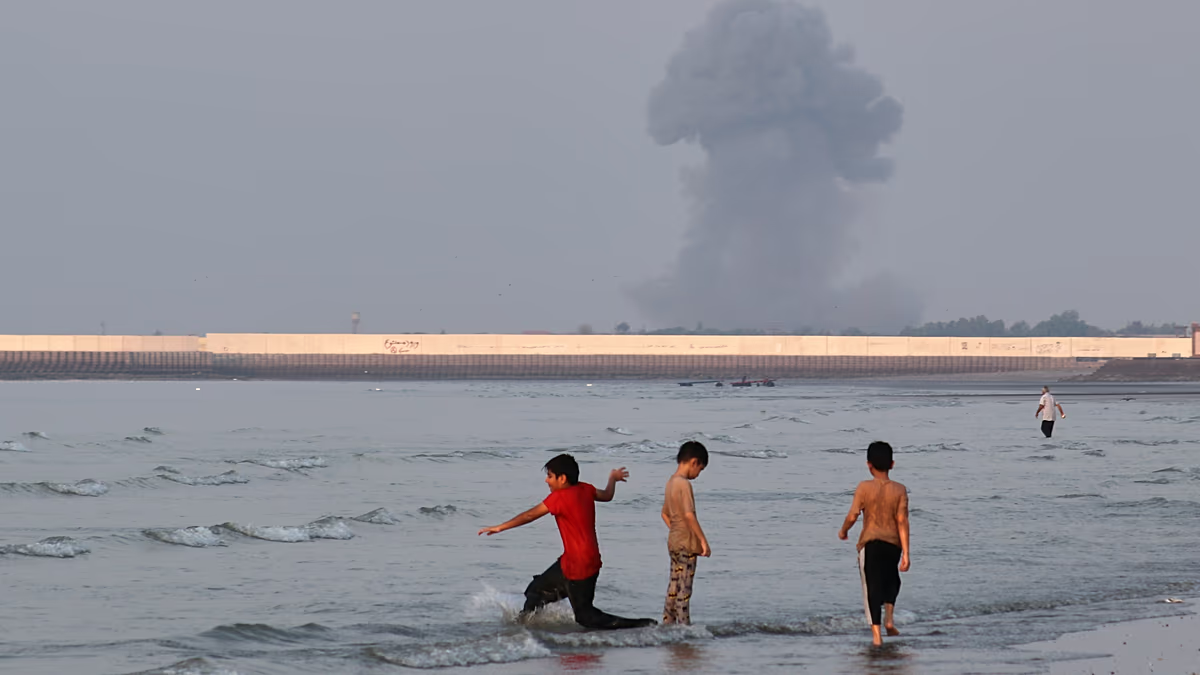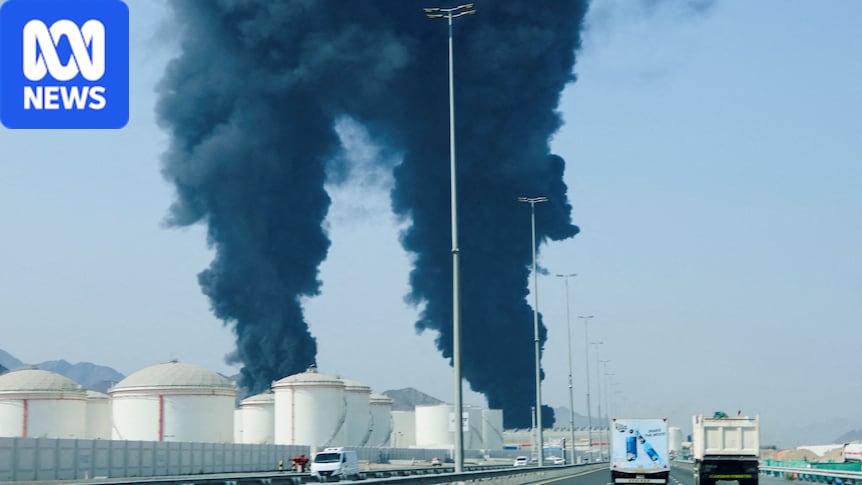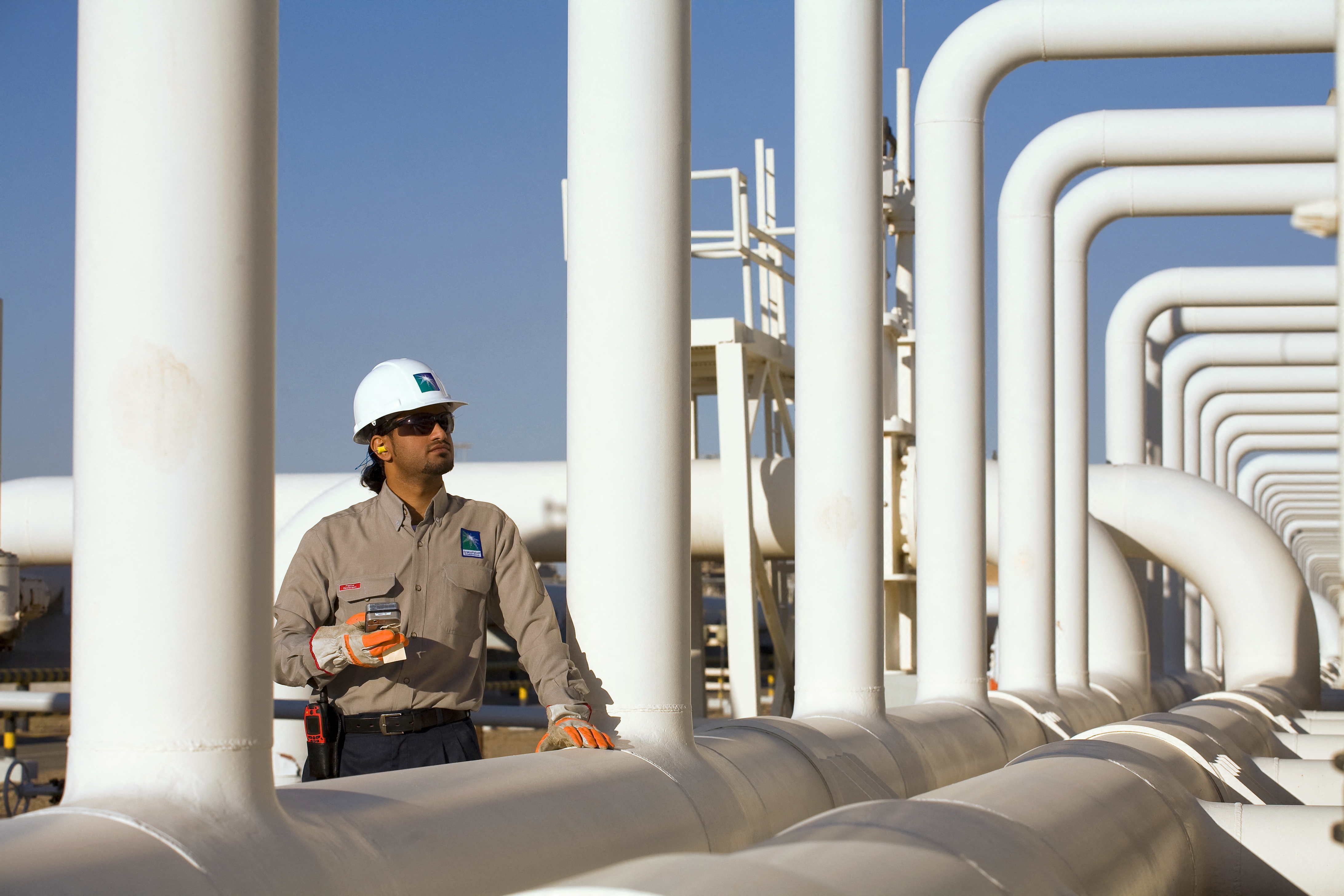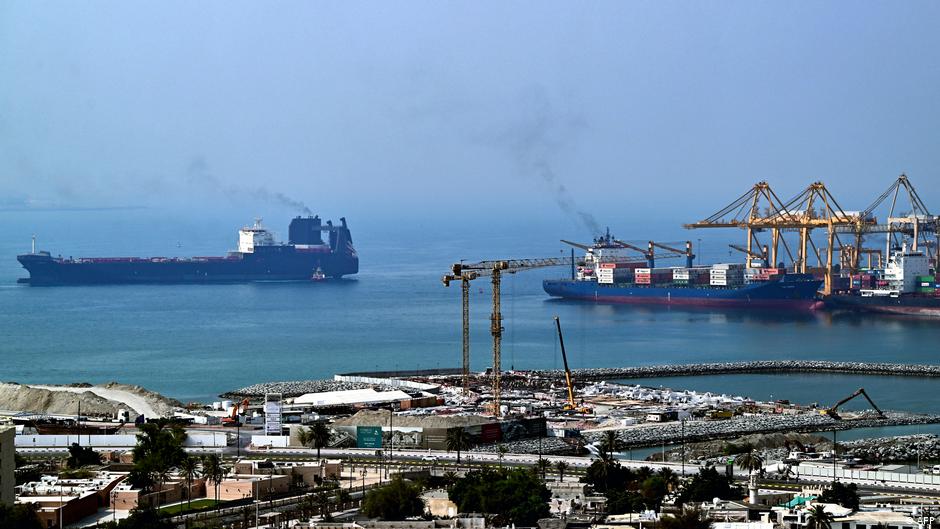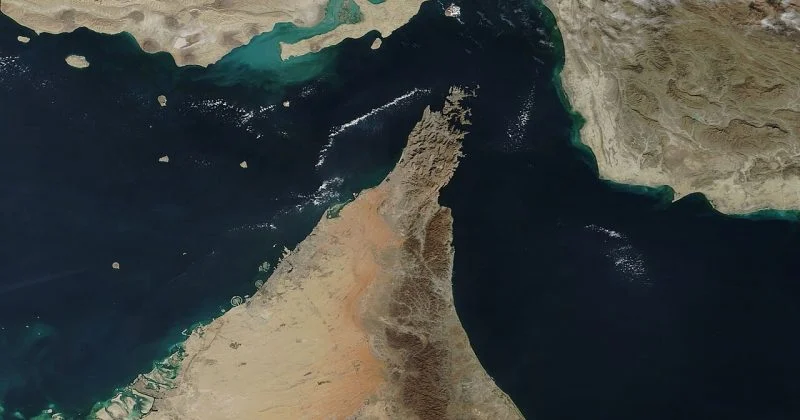
The United States is actively promoting the development of oil pipelines through the Mediterranean as a strategic move to circumvent the Strait of Hormuz, a critical maritime chokepoint currently under restricted access due to heightened tensions with Iran. The U.S. aims to bolster Iraqi energy exports and enhance regional stability, reducing the influence of Iran over global oil flows. However, these alternative routes, while reducing dependency on the Strait, remain susceptible to security threats from Iranian missile and drone attacks. This initiative comes amid an ongoing U.S.-Israel air conflict with Iran and a dual blockade involving both U.S. naval operations and Iranian restrictions on transit.
Key Takeaways
Market pricing suggests that the new pipeline initiative is consistent with decreased likelihood of Strait of Hormuz traffic normalization by August 31.
Efforts to bypass the Strait may indicate prolonged tensions and security risks in the region, impacting oil market dynamics.
The development of the Kirkuk–Baniyas pipeline reflects a strategic shift in U.S. energy policy, aiming to mitigate reliance on maritime routes vulnerable to geopolitical disruptions.