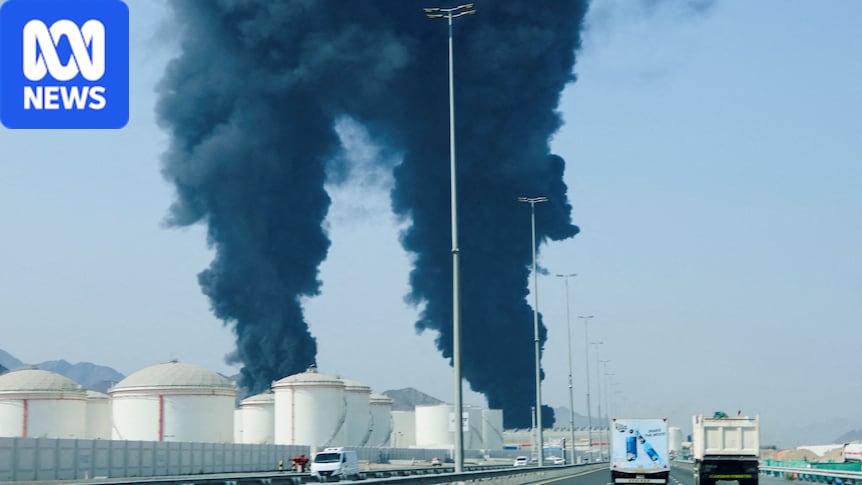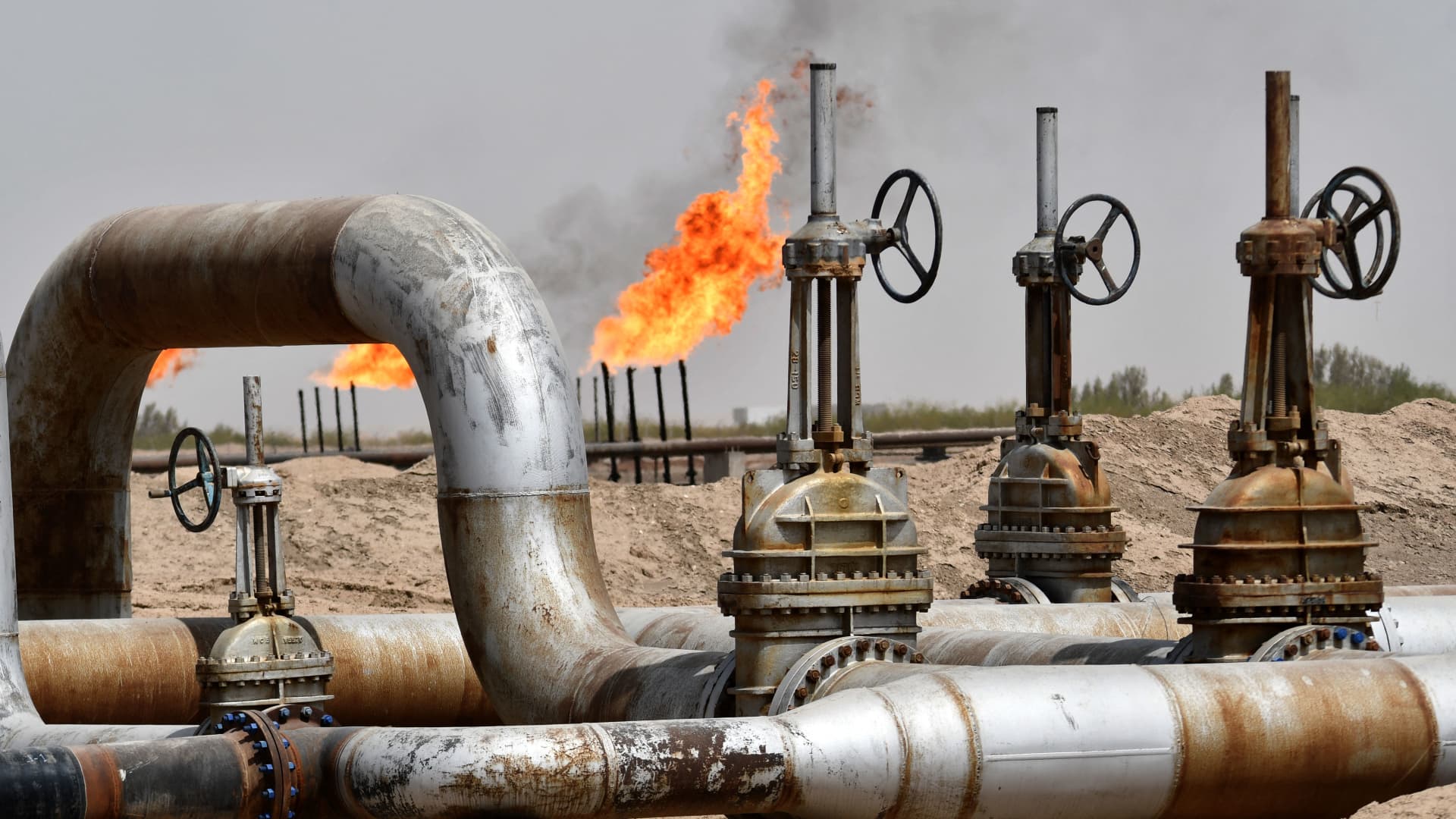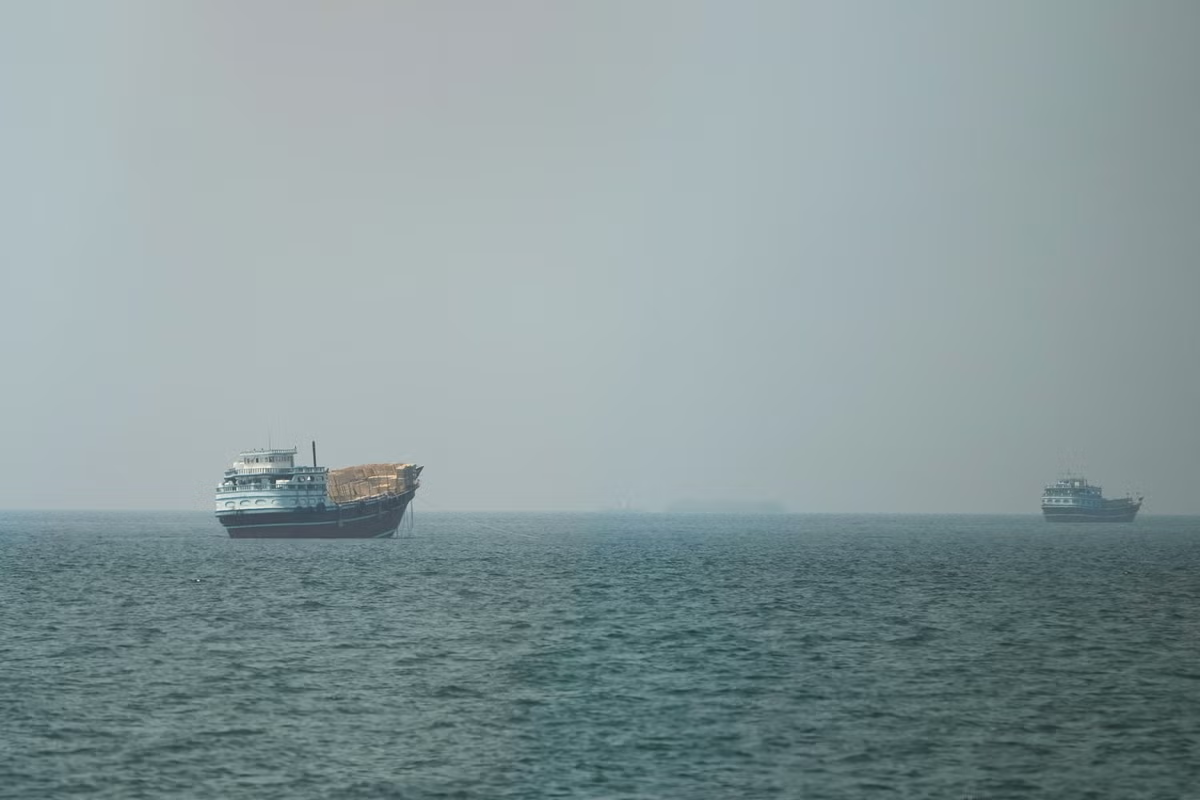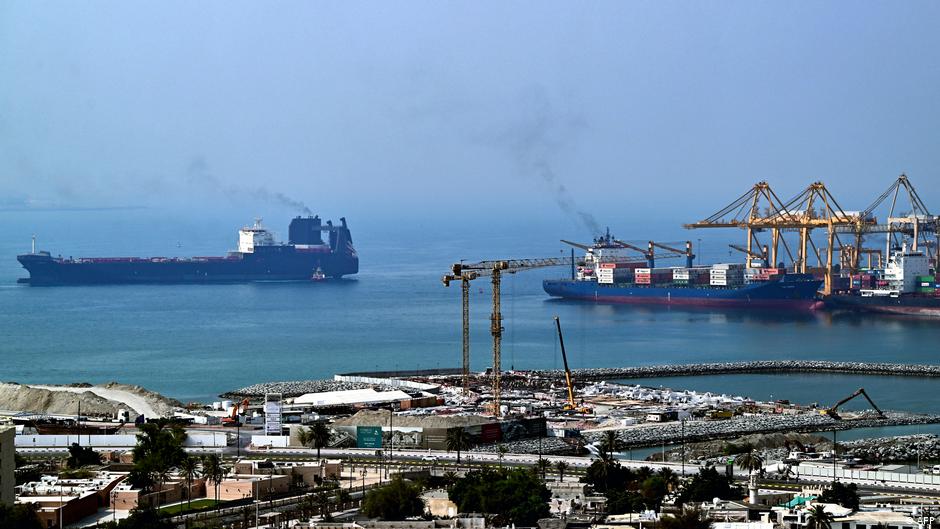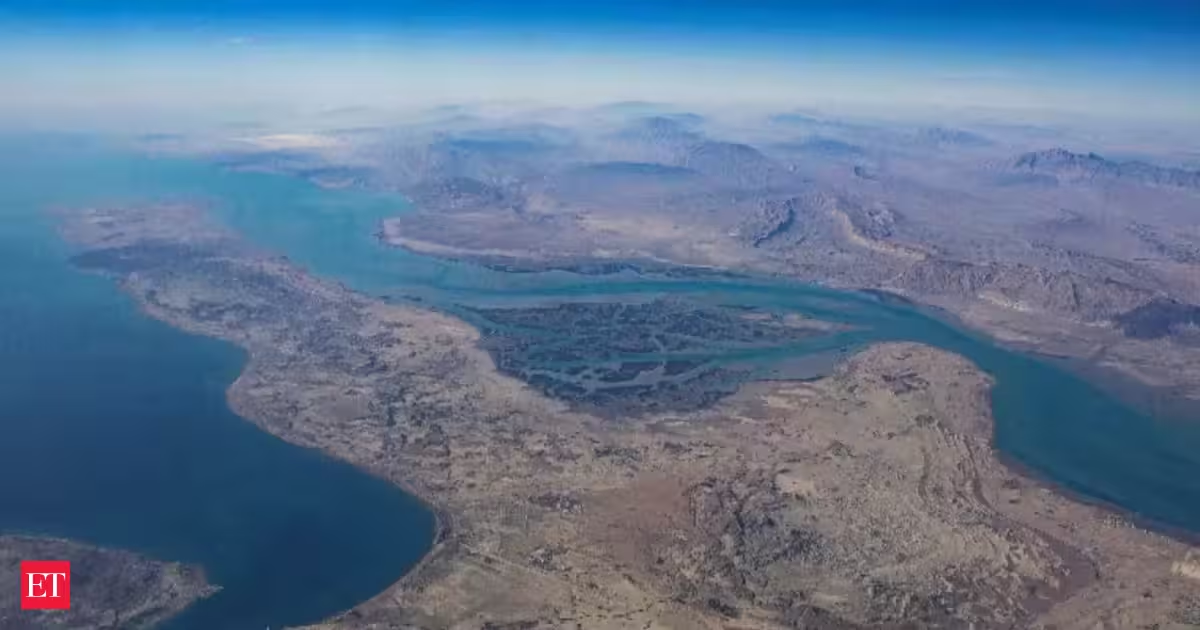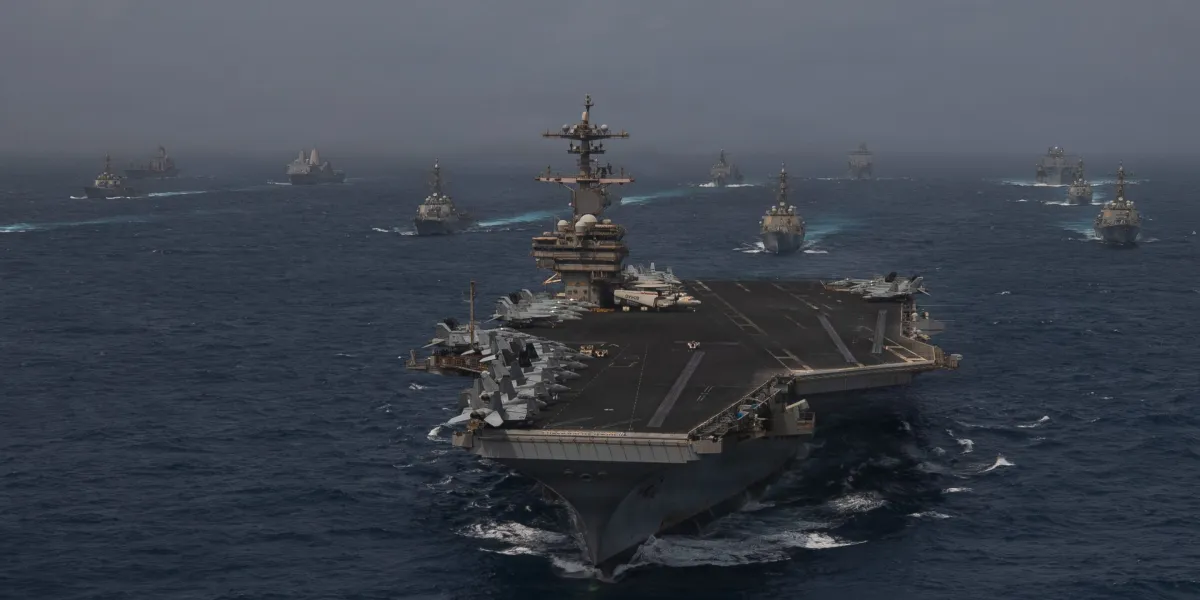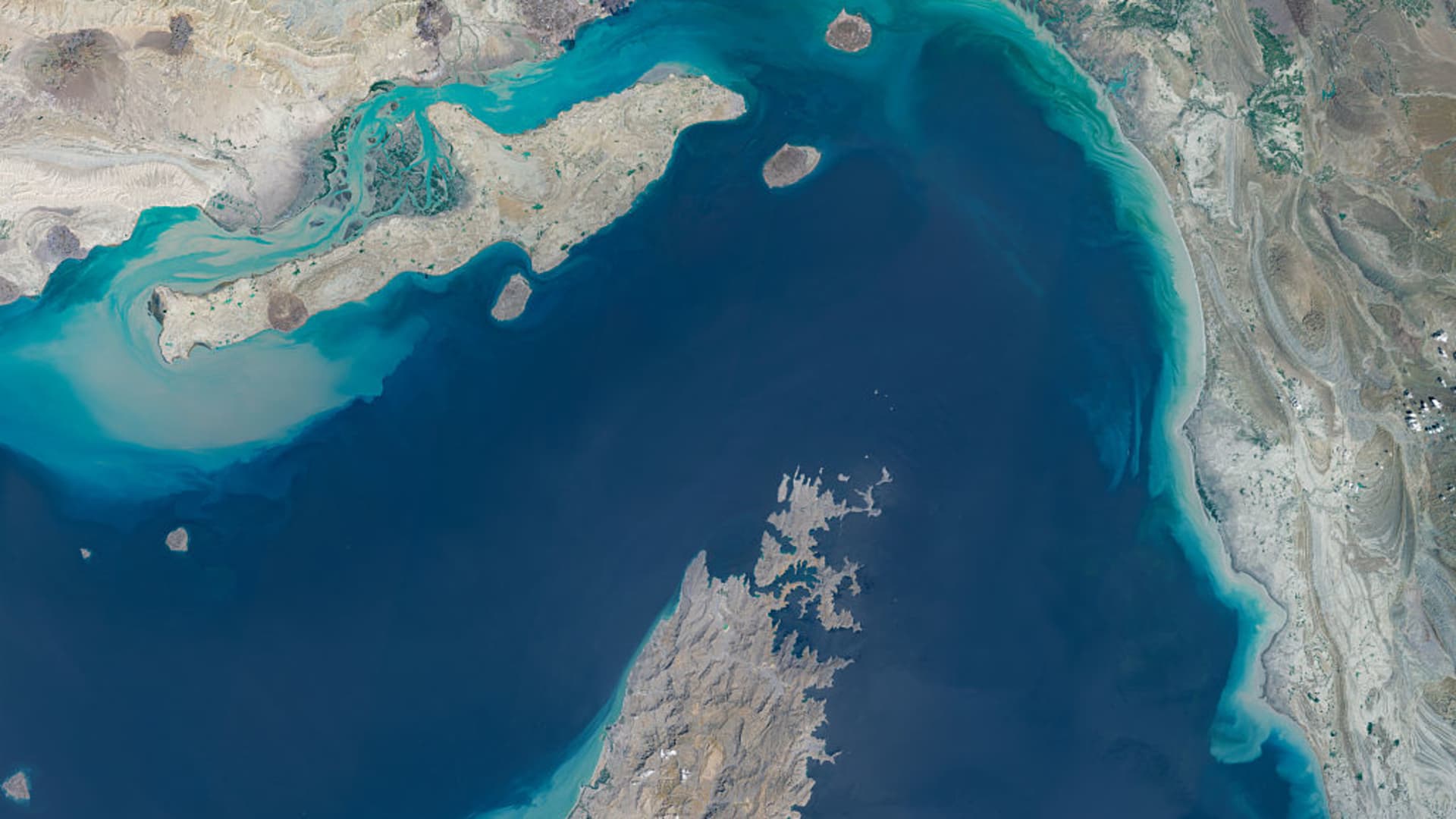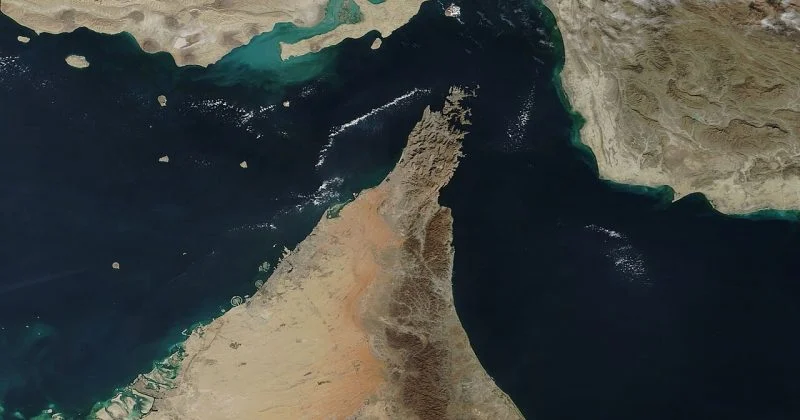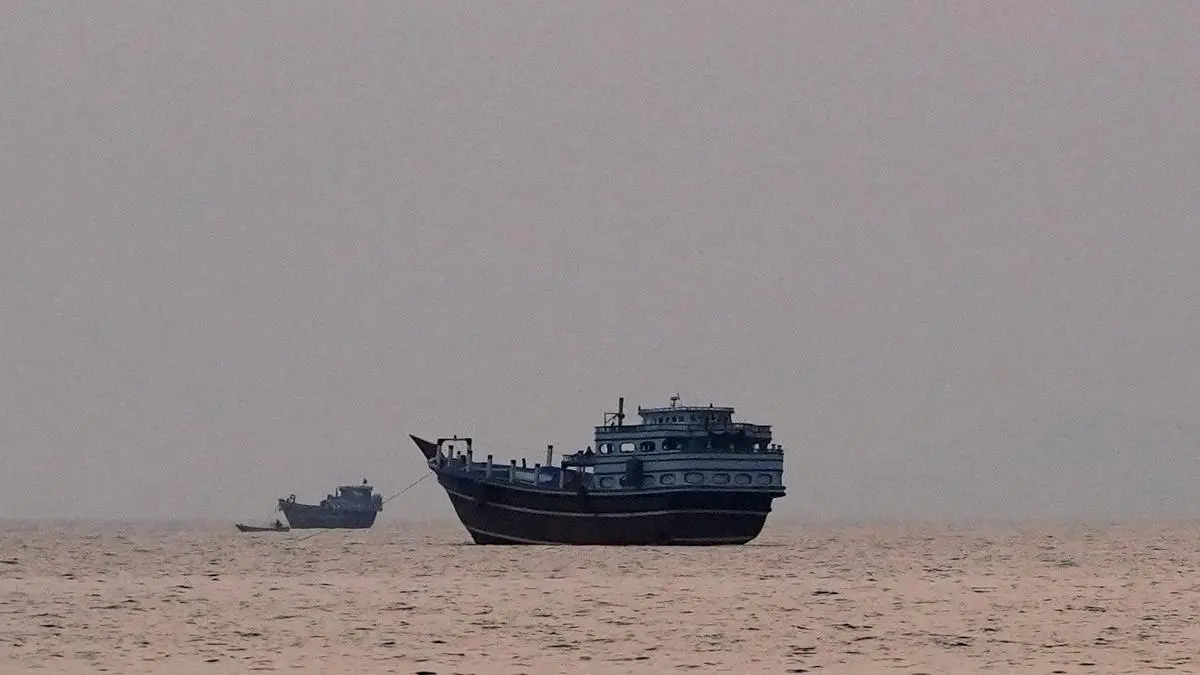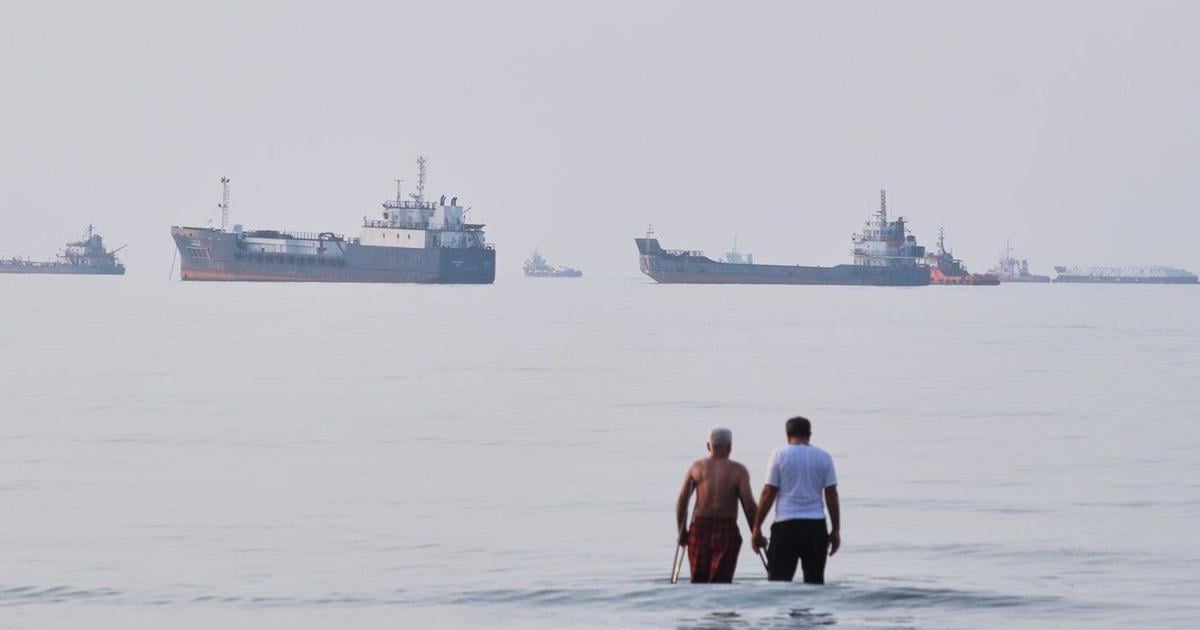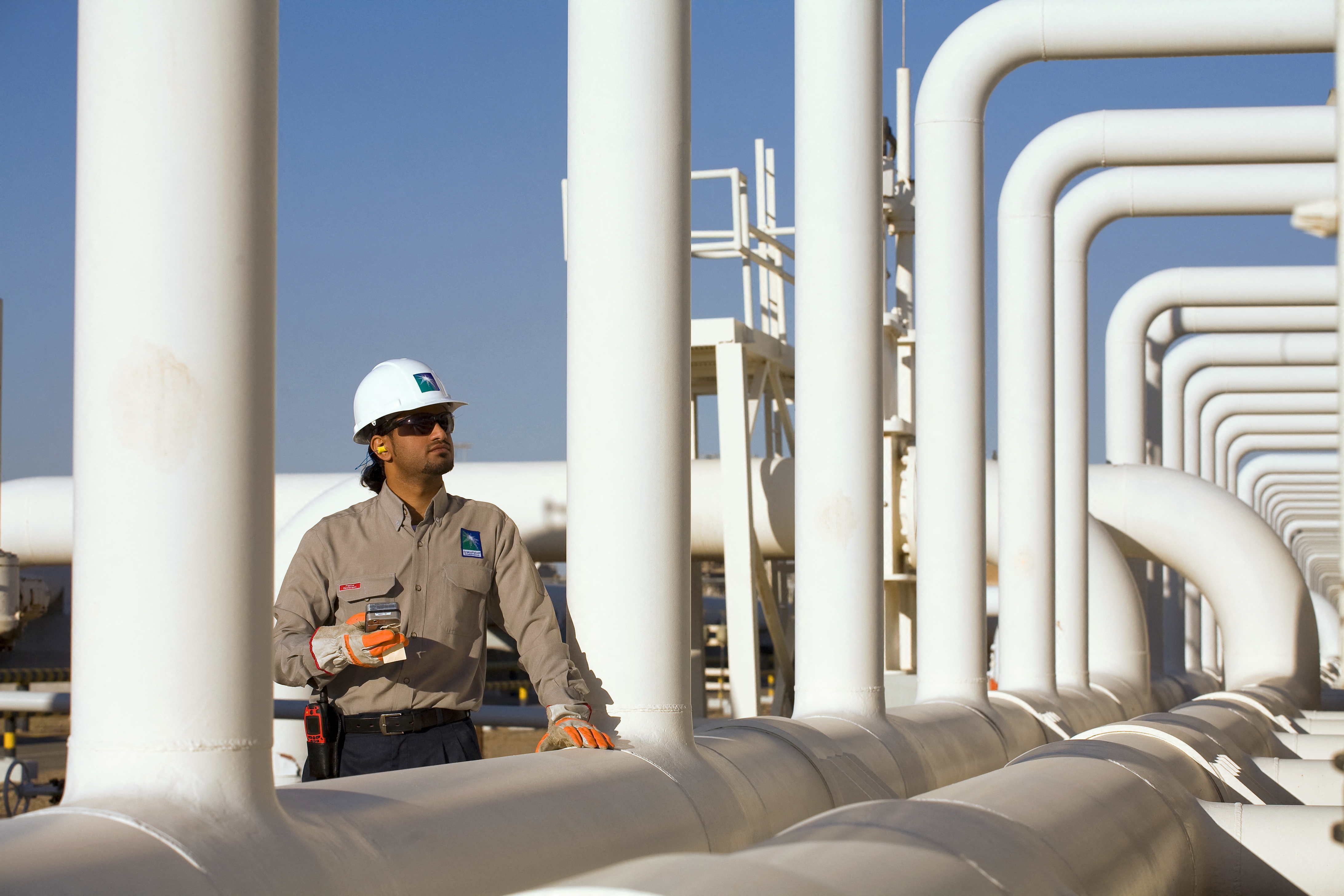
Middle Eastern allies, primarily Saudi Arabia and the United Arab Emirates, are accelerating the development of new pipelines and ports to sidestep Iran’s control over the Strait of Hormuz. This move follows Iran’s effective blockade of the strategic chokepoint since late February 2026 amid escalating tensions with the United States and Israel. The new infrastructure projects aim to reduce dependency on the strait, which has been a critical route for global oil shipments, though their current combined capacity falls short of the strait’s typical flow. These developments appear to have influenced prediction markets, which now suggest a decreased likelihood that traffic through the Strait of Hormuz will return to normal by the end of August 2026.
Key Takeaways
The announcement of new pipelines and ports appears consistent with a strategic effort to bypass Iran’s control over the Strait of Hormuz.
Market pricing suggests a reduced probability of traffic normalization by August 31, with YES odds declining from 18% to 11.5% over the past week.
The ongoing geopolitical tensions and infrastructure developments may indicate a longer-term shift in regional oil transportation dynamics.