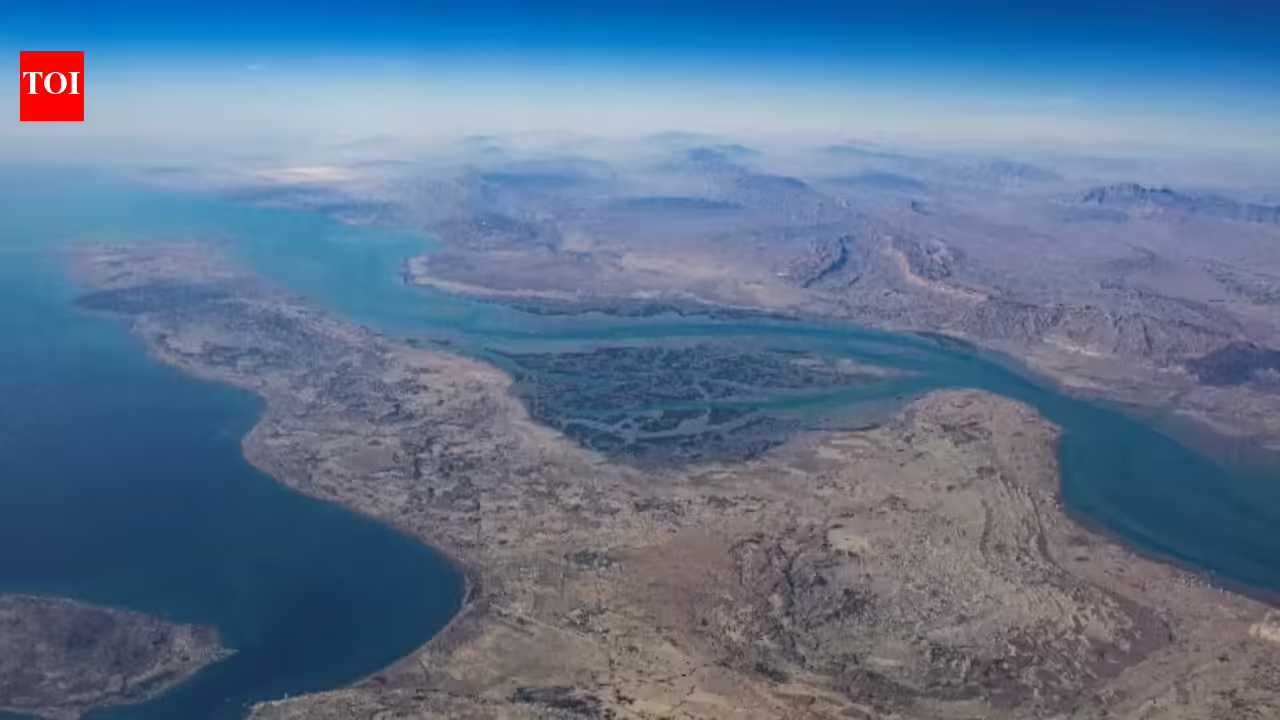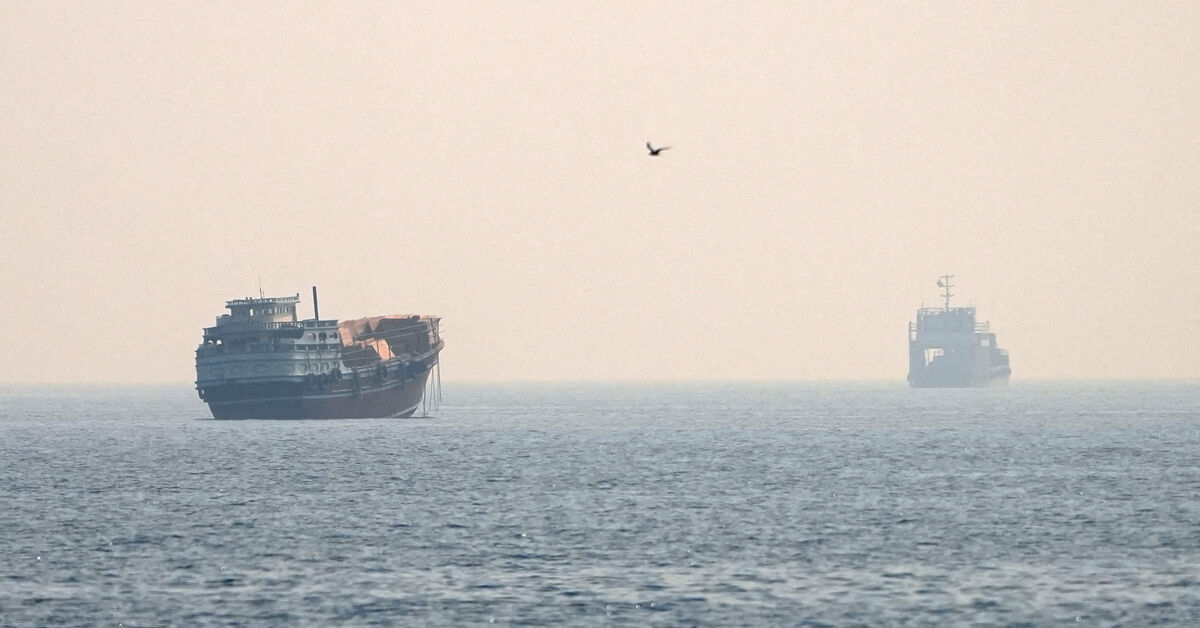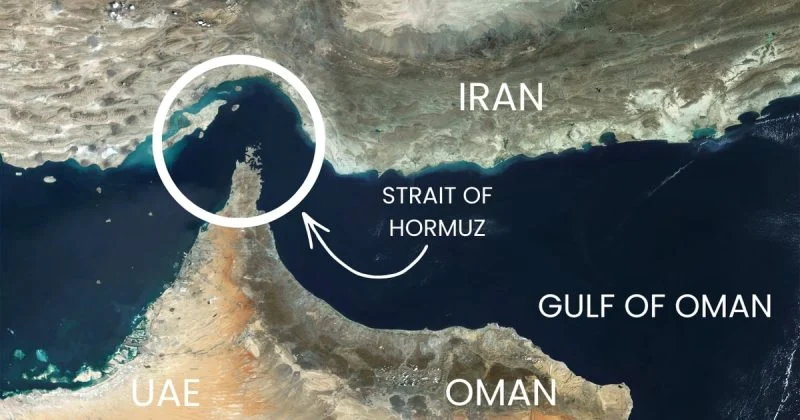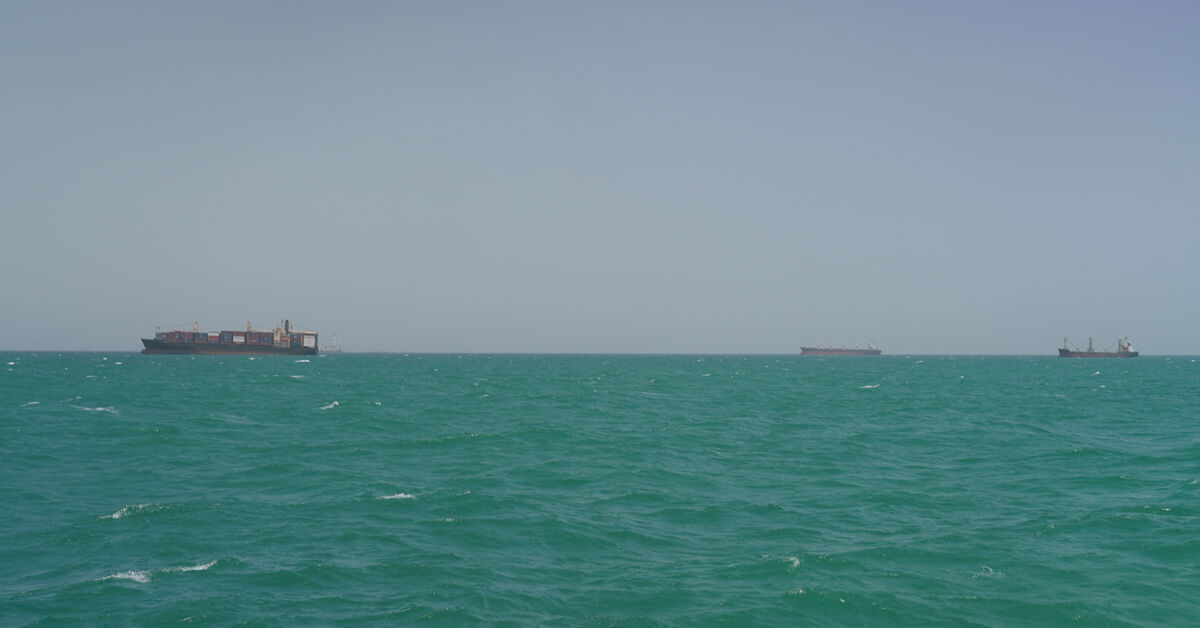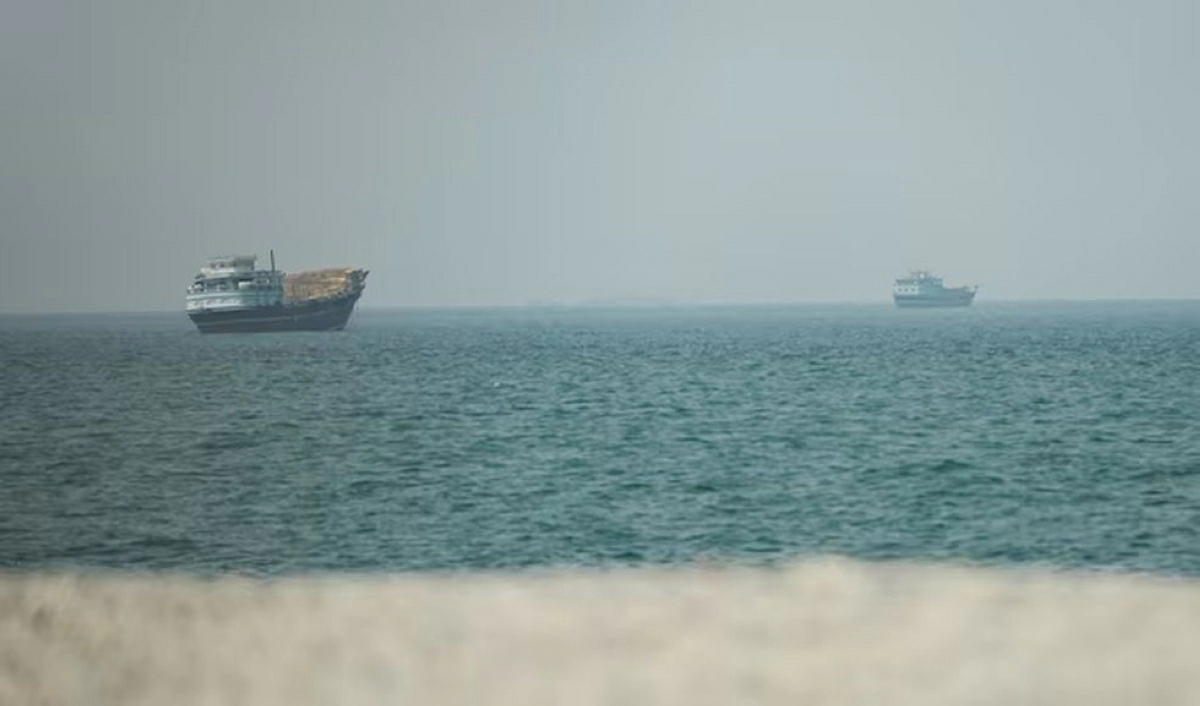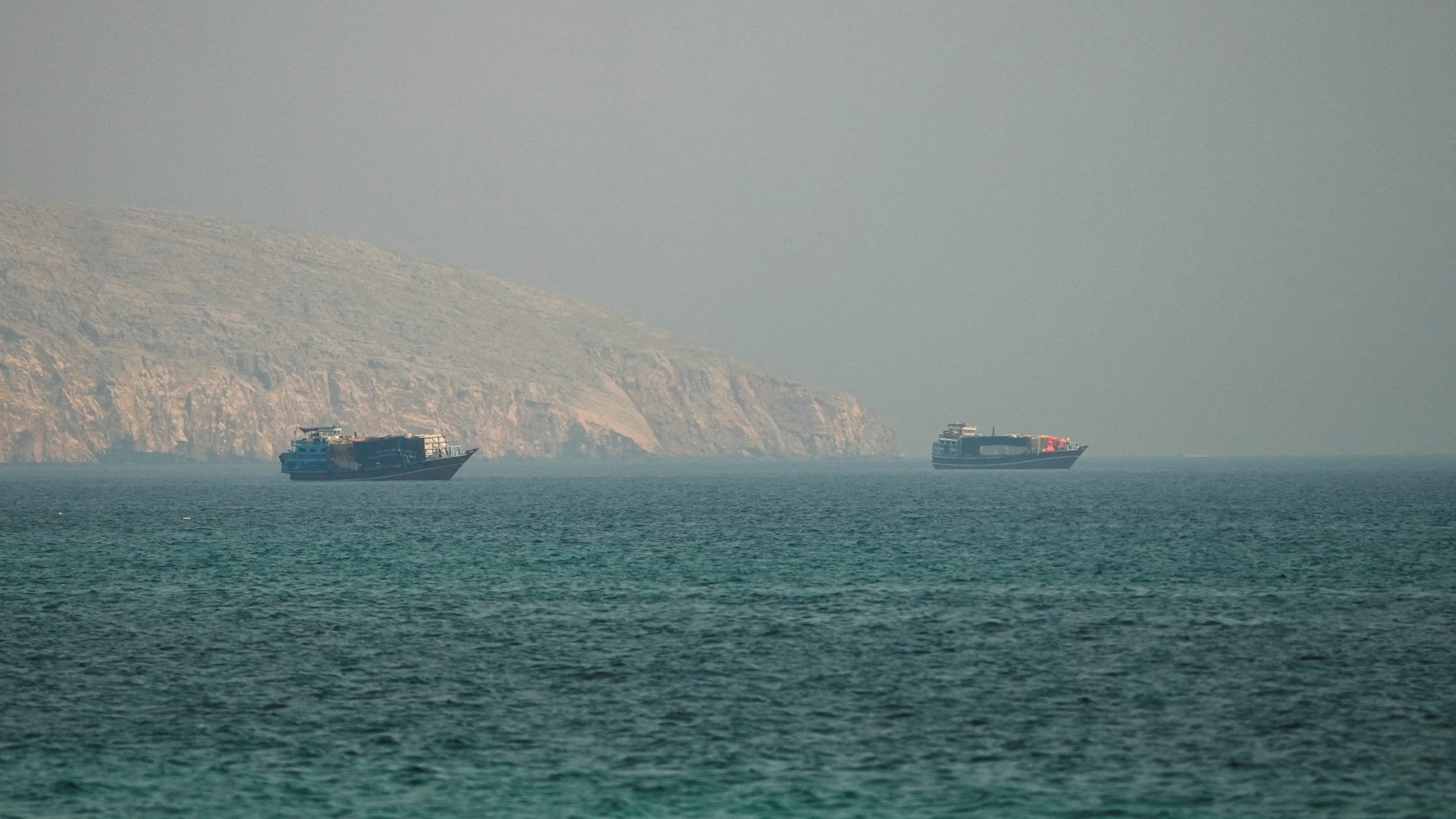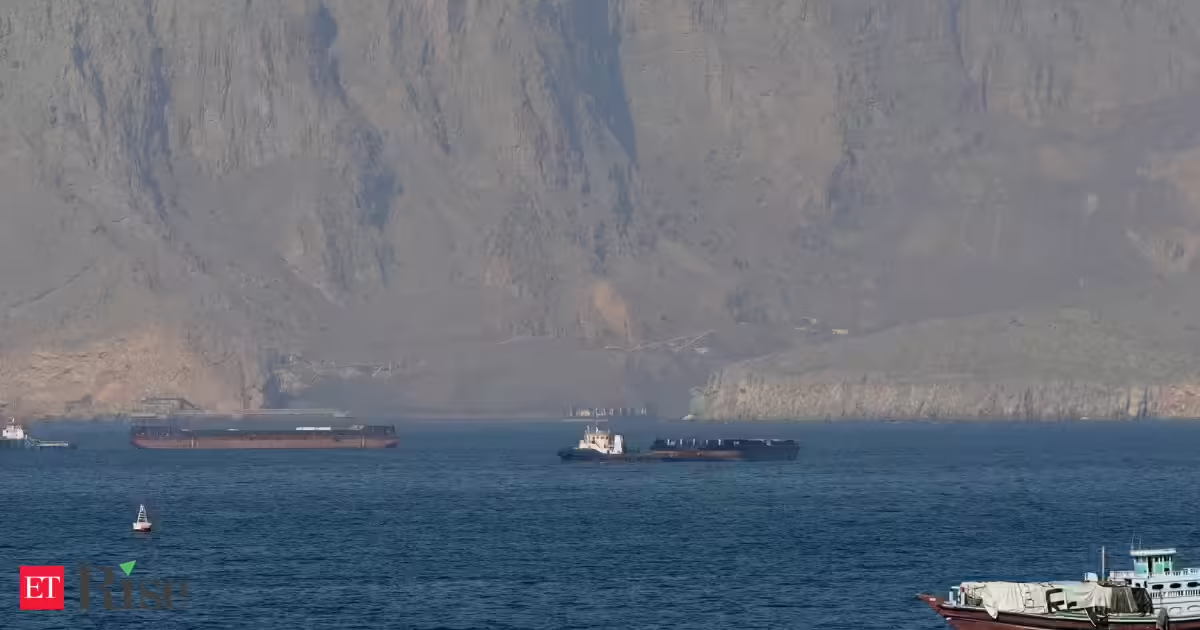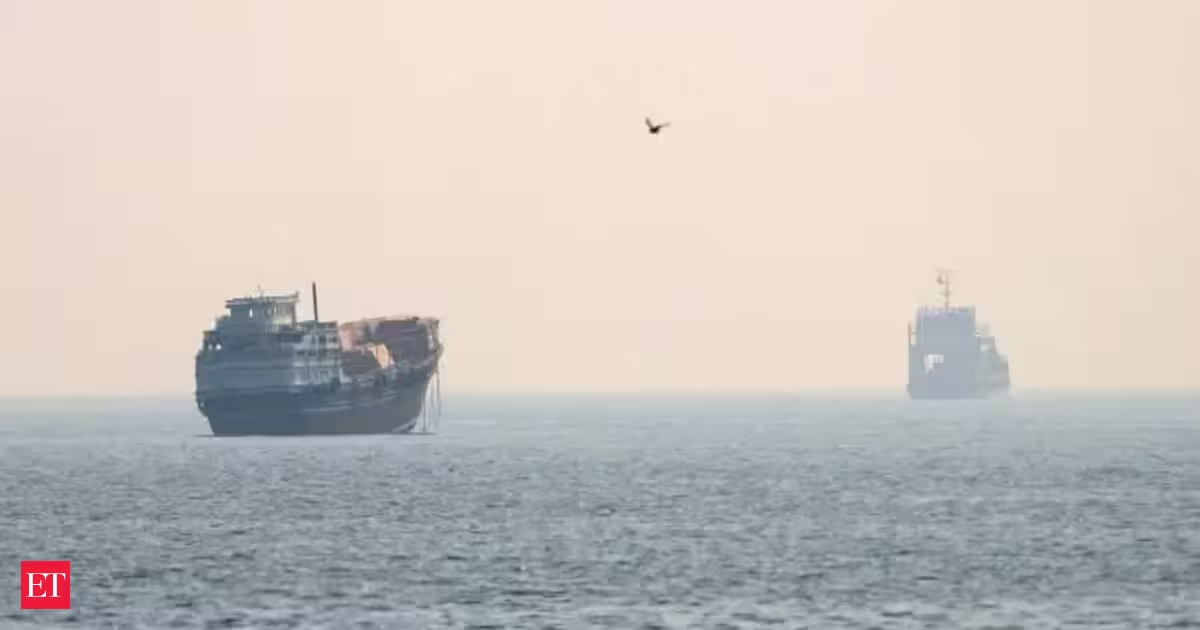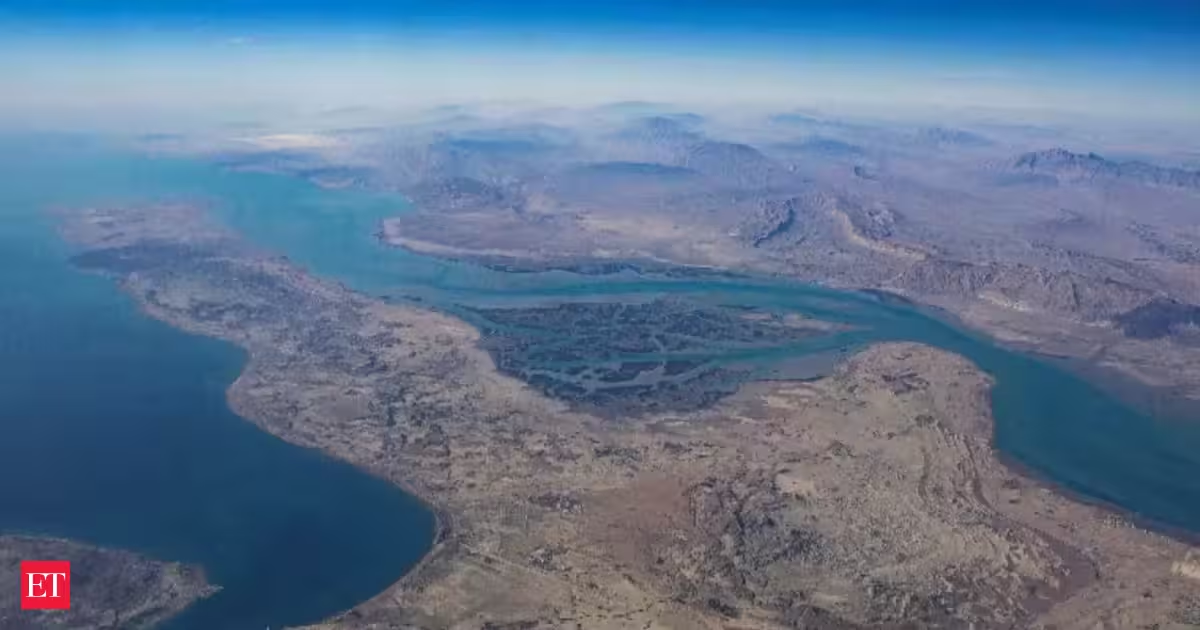
Iran has been sneaking oil tankers through the Strait of Hormuz over the past week, even before Washington threatened to reimpose a blockade of Iranian ports, according to a Bloomberg report.Six US-sanctioned supertankers, capable of carrying a combined 12 million barrels of crude, passed through the Strait into the Gulf of Oman with their transponders switched off, ship-tracking data compiled by Bloomberg showed.Also read: Trump says the US will take out Pickaxe Mountain in IranThese voyages came after Washington revoked, on July 7, the temporary waiver that had allowed Tehran to sell its oil.Traffic through Hormuz had all but stopped by early Tuesday, per the ship-tracking data. One bulk carrier was seen heading to Sharjah in the UAE, while two LPG carriers were approaching the Strait from the Gulf side to exit.The report said that there could be other non-Iranian vessels also crossing with transponders off, so-called dark transits, which have outnumbered visible ones in recent days, even as attacks by both Iran and the US make these crossings increasingly risky.Beyond the six supertankers, several other US-sanctioned vessels linked to Tehran, including oil tankers, LPG carriers and container ships, have also exited Hormuz since July 7.Together, per Bloomberg's earlier reporting, they're part of a reported 57 million barrels of Iranian crude shipped out between the two US blockades.A third straight night of US strikesThe current spiral began over the weekend when Iran struck a Cyprus-flagged container ship, the GFS Galaxy, in the Strait, leaving one crew member missing and the vessel disabled by fire. Iran declared it was shutting the Strait entirely in response, a claim Trump rejected on air.The US retaliated with a third consecutive night of strikes, with US Central Command saying it hit around 140 Iranian military targets, part of a broader campaign that has now struck more than 300 sites including coastal surveillance systems, missile and drone infrastructure, and naval assets since the latest flare-up began.Iran hits back across the Gulf an Indian sailor killedIran retaliated by targeting US allies across the region, launching strikes on Bahrain, Kuwait, Jordan and Oman, while the UAE said it came under Iranian missile fire as well.Also read: Trump says US will be 'guardian' of Strait of Hormuz, impose 20% cargo levyThe UAE Ministry of Defence said Tuesday that two of its national oil tankers, the Mombasa and Al Bahiyah, were struck by Iranian cruise missiles while transiting the Strait's southern shipping lane in Omani waters. One Indian sailor aboard the Mombasa was killed, and eight other crew, six Indians and two Ukrainians, were injured, four of them seriously. Fires broke out on both vessels but were brought under control. The UAE called the strike a "grave violation" of international law and said it has raised its military readiness in response. Its foreign ministry also conveyed condolences to the Indian government and the sailor's family.The attacks triggered yet another round of US strikes on Iranian targets on Sunday night.Trump's blockade and 20% "toll"It was against this backdrop that Trump announced on Monday the US would "reinstate" its naval blockade of Iranian ports and coastal areas, effective from Tuesday. Also read: Iran's military 'demolished', being hit 'very hard': TrumpIn a social media post, he said the US would henceforth be known as the "Guardian of the Strait of Hormuz" and would seek a 20% cut on cargo shipped through it under US-provided security, details of which remain unclear. Iran's foreign minister Abbas Araghchi hit back, saying Tehran would remain the Strait's "guardian" forever.With inputs from Bloomberg
Iran's tankers take secret route through Hormuz to dodge US sanctions
Iran secretly moved oil tankers through the Strait of Hormuz before US threats. US strikes followed an Iranian attack on a Cyprus-flagged container ship. Iran retaliated against US allies, striking UAE oil tankers and killing an Indian sailor. The US announced a reinstated naval blockade of Iranian ports and coastal areas. This escalation involves significant military actions and heightened regional tensions.
585 words~3 min read