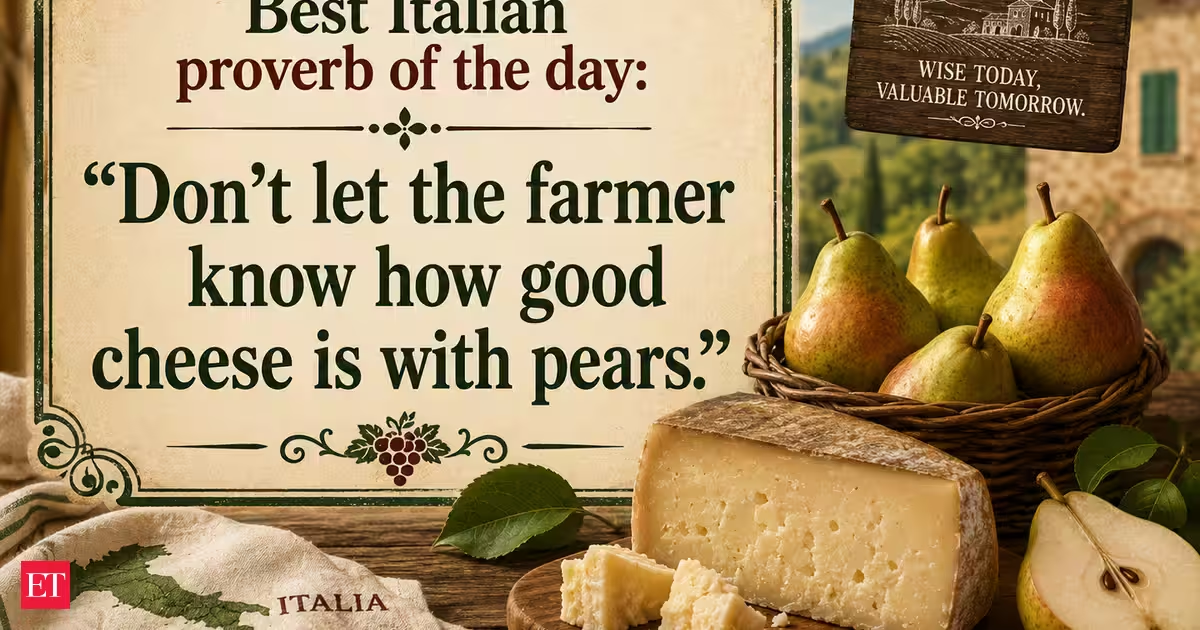
Best Italian Proverb of the Day: "Don't let the farmer know how good cheese is with pears" is a traditional Italian saying that combines culinary heritage with practical wisdom. The original proverb, "Al contadino non far sapere quant'è buono il cacio con le pere," has been passed down through generations to remind people that valuable knowledge, opportunities and advantages should sometimes be shared with care. While it originated from Italy's rich food culture, its lesson extends far beyond the dining table. At first glance, the proverb appears to be about food. It refers to the classic Italian pairing of cheese and pears, a combination that has long been celebrated for balancing the rich, savoury flavour of cheese with the natural sweetness of ripe fruit. The deeper meaning, however, is about discretion. The saying suggests that revealing the full value of something may cause it to become scarce, more expensive or harder to obtain. In other words, not every advantage needs to be announced to everyone. Today, the proverb is commonly understood as advice to protect valuable ideas, opportunities or insights until the right time to share them.Why are cheese and pears paired in Italian cuisine? The proverb reflects a culinary tradition that has existed in Italy for centuries. Cheese and pears are considered complementary because their contrasting flavours create a balanced taste. Sweet pears soften the saltiness and richness of many Italian cheeses, making the combination a favourite in regional cuisine. According to the traditional explanation of the proverb, if farmers fully appreciated how desirable this pairing was, they might keep the finest pears for themselves or charge higher prices. Whether taken literally or symbolically, the story illustrates how knowledge can increase the perceived value of something. Even today, cheese and pears remain a popular pairing on Italian cheese boards and in regional recipes, giving the proverb a cultural foundation that has helped it endure through generations. Why "Don't let the farmer know how good cheese is with pears" still matters today Although the proverb originated in a rural setting, its message is surprisingly relevant in modern life. People often possess valuable ideas, business strategies or creative projects that benefit from careful timing rather than immediate disclosure. The saying encourages thoughtful discretion, not secrecy for its own sake. Sharing knowledge is important, but understanding when and how to reveal valuable information can make a significant difference in achieving success. Its wisdom also applies to negotiations, entrepreneurship, innovation and everyday decision-making, where protecting an advantage until the right moment can be beneficial.The life lesson behind "Don't let the farmer know how good cheese is with pears" One of the greatest lessons of this Italian proverb is that wisdom includes knowing not only what to say but also when to say it. Every piece of valuable knowledge does not need to be revealed immediately. The proverb also reminds us to appreciate the value of experience and observation. Many opportunities are preserved through patience, careful judgment and thoughtful communication rather than impulsive disclosure. By balancing openness with discretion, people can make better decisions while protecting what they have worked hard to achieve.The enduring takeaway "Don't Let the Farmer Know How Good Cheese Is with Pears" reminds us that knowledge itself can be valuable. While generosity and sharing remain important virtues, this traditional Italian proverb teaches that wise judgment includes recognising the right time to reveal an idea, opportunity or advantage. Its blend of culinary tradition and practical wisdom continues to make it one of Italy's most memorable and enduring proverbs.
Best Italian proverb of the day: "Don't let the farmer know how good cheese is with pears." A timeless lesson on keeping valuable knowledge
An Italian proverb advises careful sharing of valuable insights and advantages. The saying "Don't Let the Farmer Know How Good Cheese Is with Pears" highlights this wisdom. It suggests that revealing full value can lead to scarcity and increased costs. This ancient culinary wisdom remains relevant for modern business and personal decisions. Protecting opportunities until the opportune moment fosters greater success and achievement.
587 words~3 min read