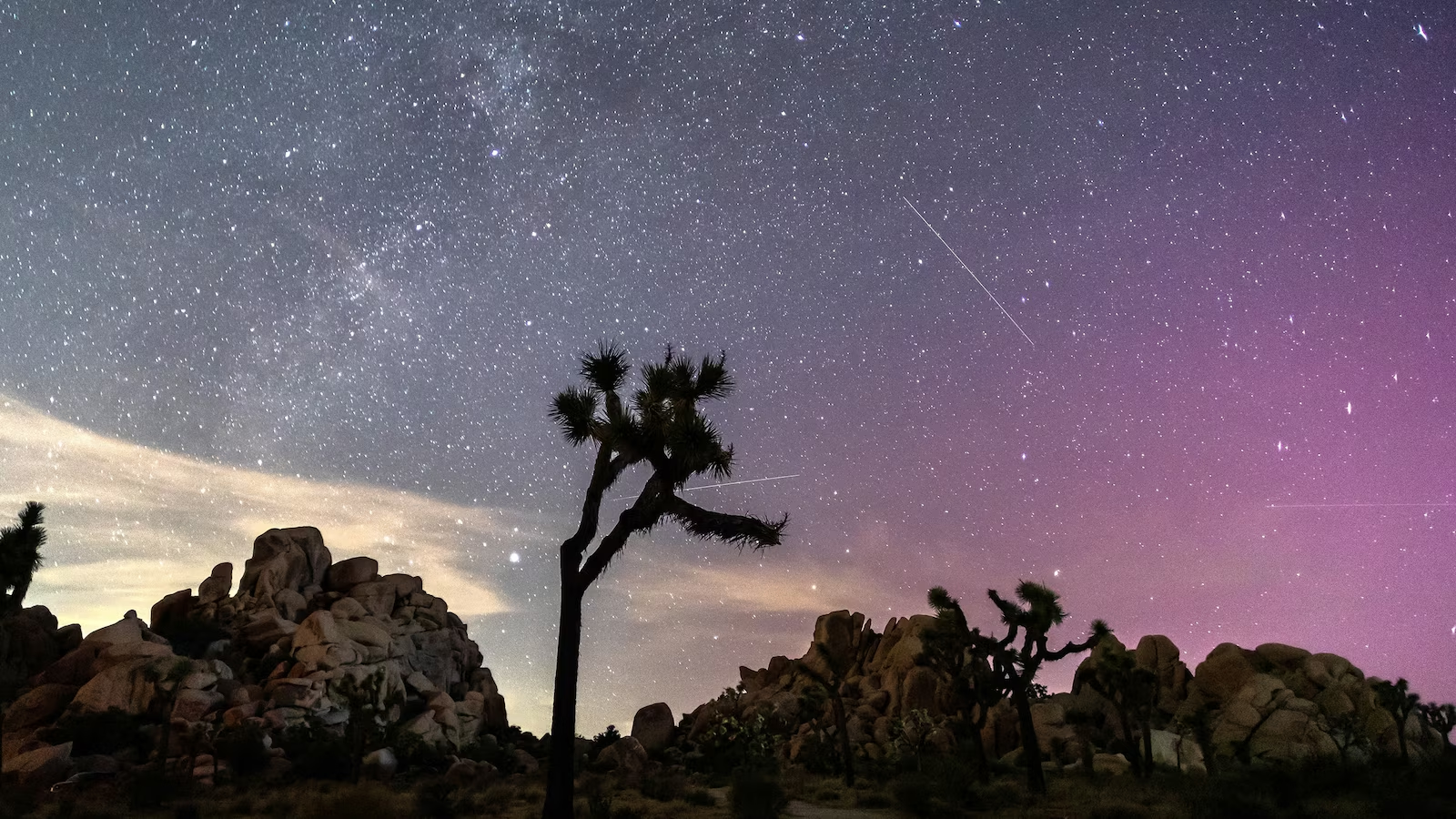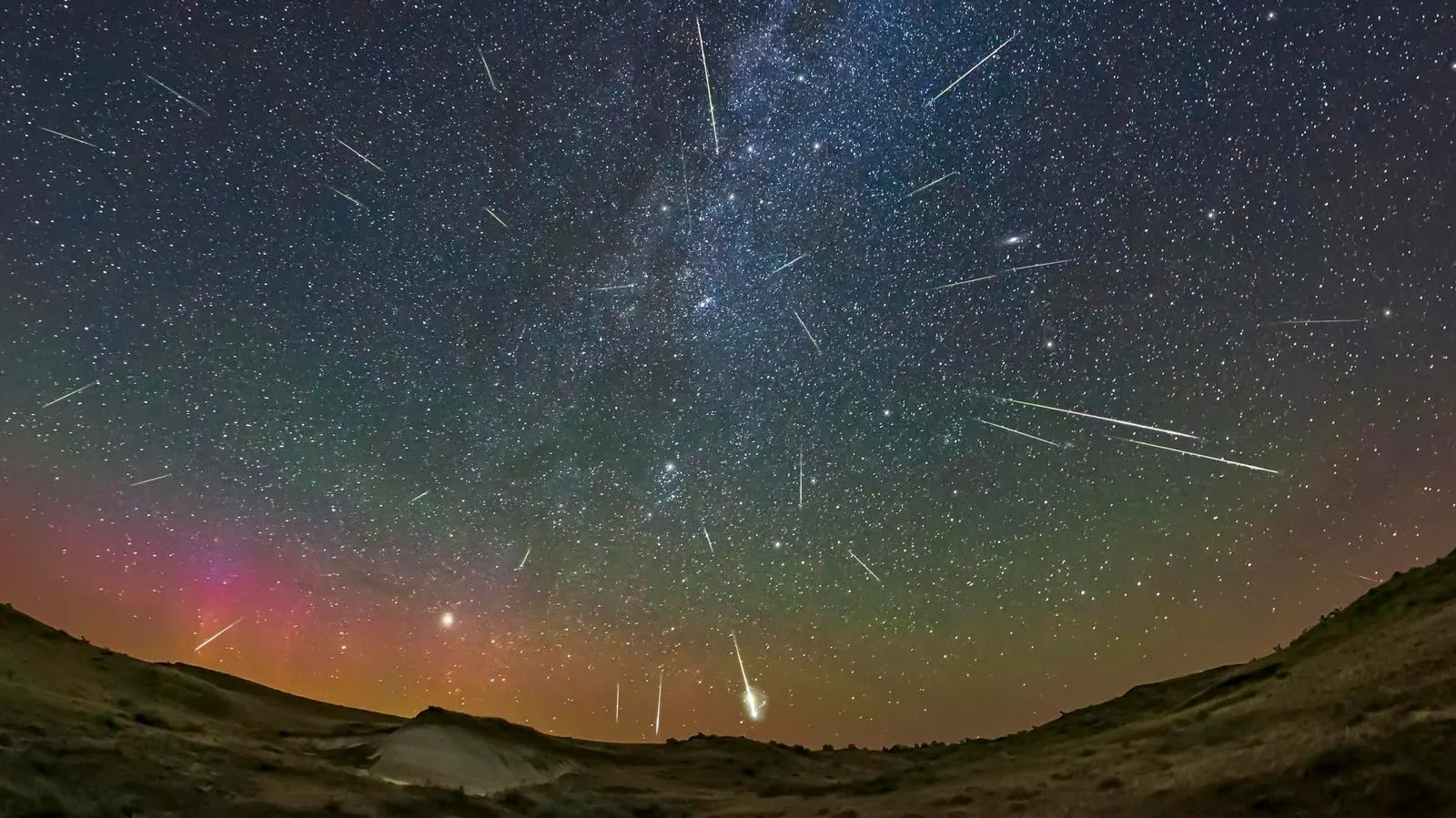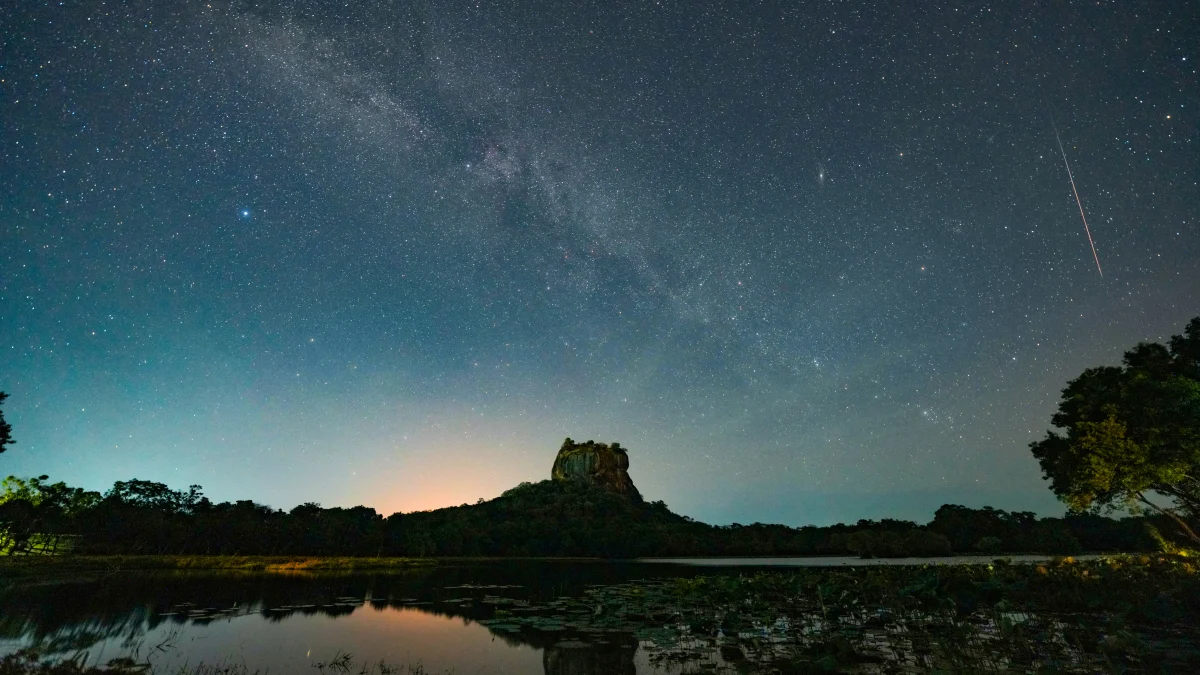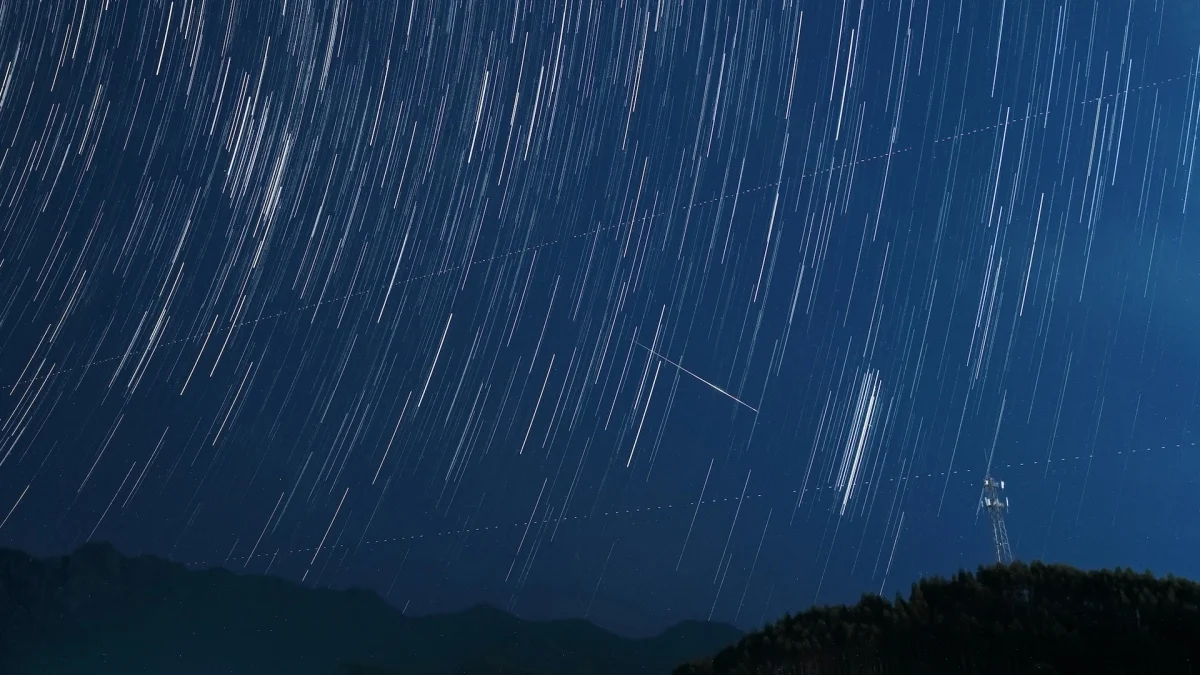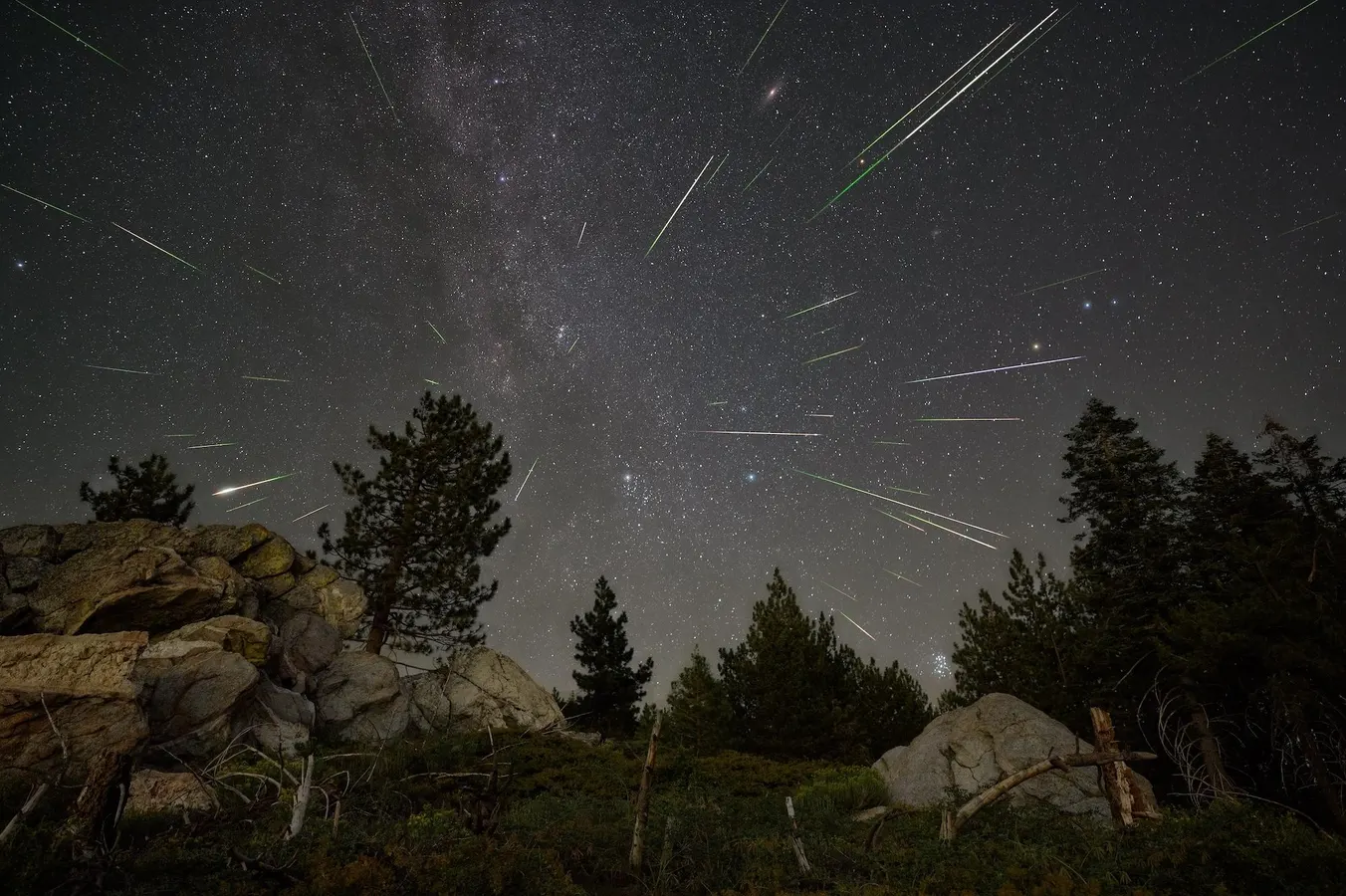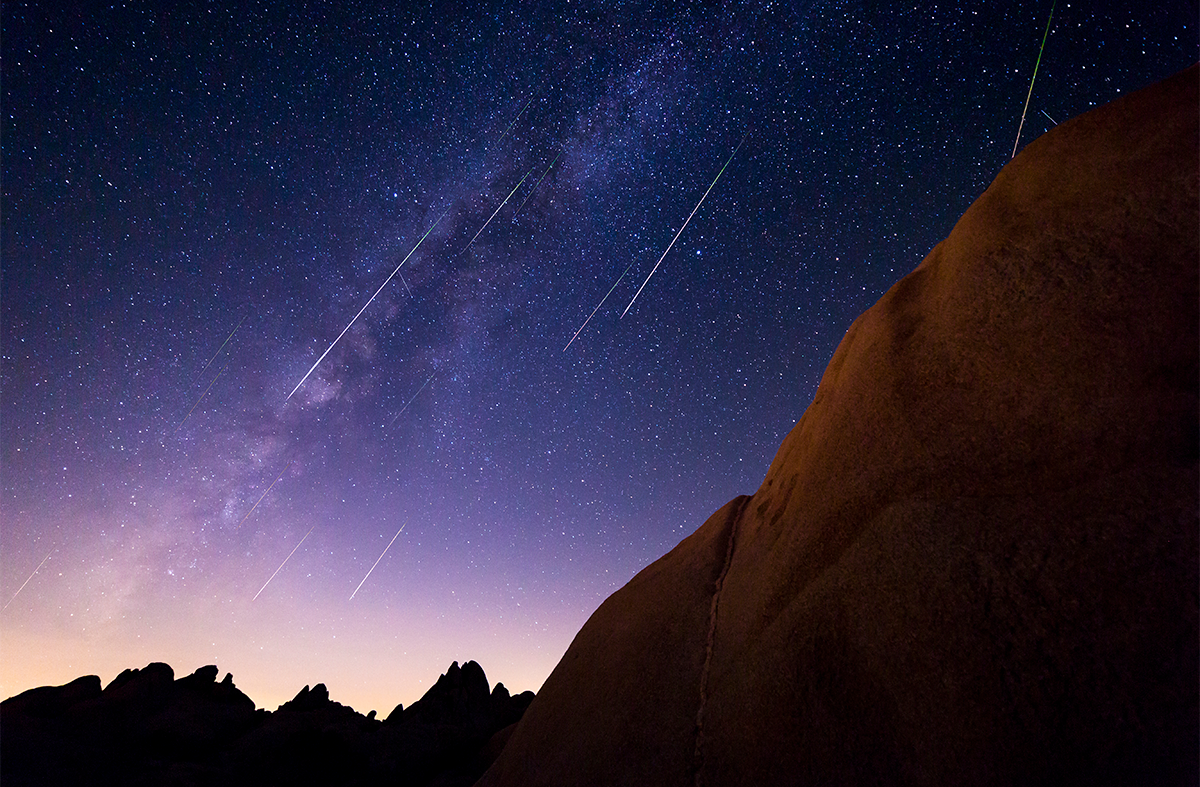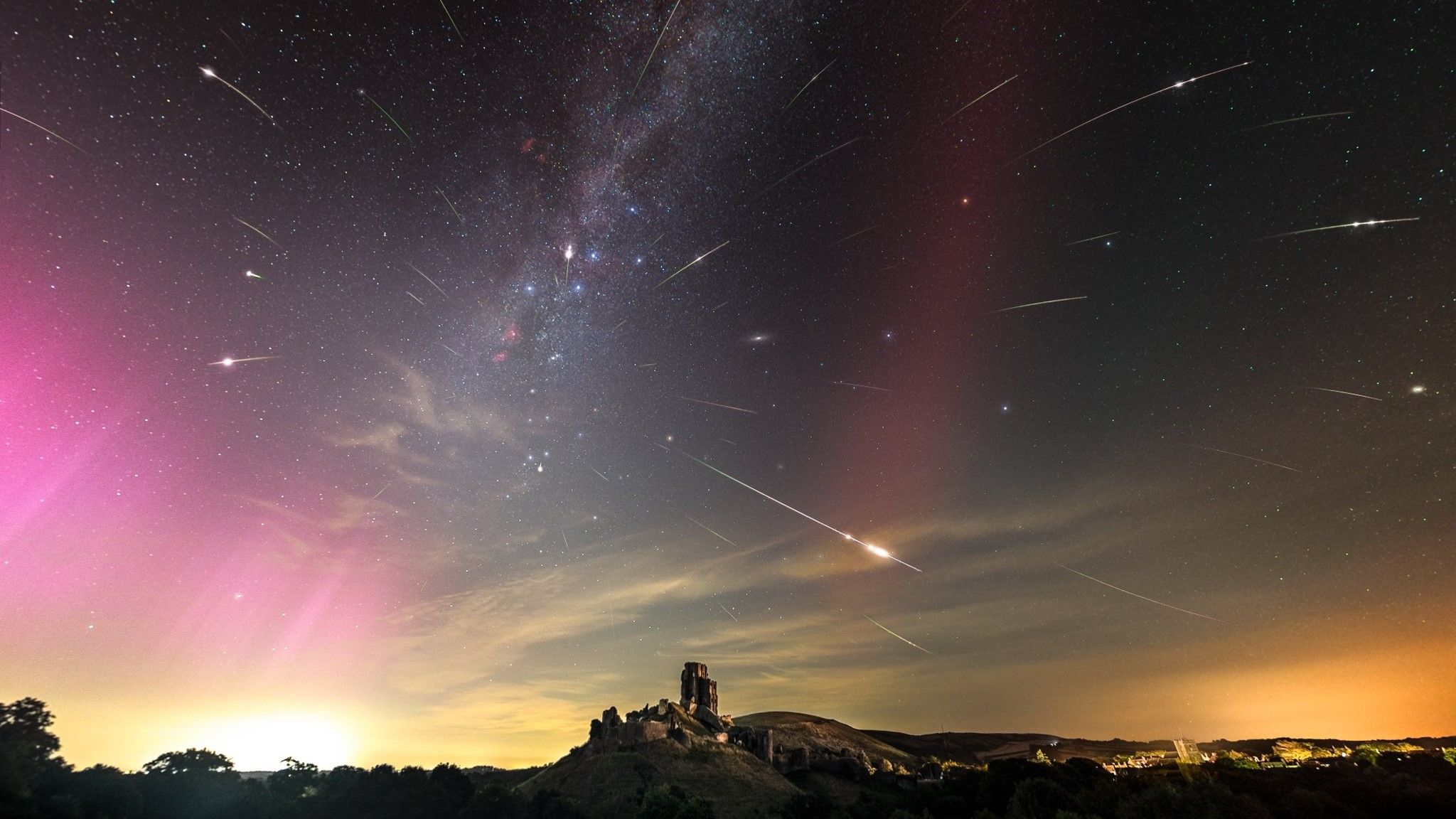
The Perseids may steal the spotlight, but six lesser-known meteor showers could also light up summer skies. This image shows the Perseid meteor shower, northern lights and SAR arc glow during the peak of the shower in 2024.
(Image credit: Josh Dury)
The Perseids may be the summer meteor shower everyone marks on the calendar, but they are not the only reason to look up this season.From mid-July through late August, Earth plows through several other streams of comet and asteroid debris, triggering a series of lesser-known meteor showers across Northern Hemisphere skies.Most will not deliver the dazzling hourly rates of the Perseids, and moonlight will spoil some peak nights in 2026. But for patient skywatchers under dark skies, these lesser-known showers can still serve up bright fireballs, faint streaks and a preview of the main event to come.The duration in days of a shower we provide here is somewhat arbitrary, since the beginning and ending are gradual and indefinite. While the hourly rates from these other meteor streams provide but a fraction of the numbers produced by the Perseids, combined, overall, they provide a wide variety of meteors of differing colors, speeds and trajectories.CapricornidsFirst to appear are the Capricornids, starting around July 10, with their maximum on July 25 and end on Aug. 15. Under the best conditions only a few bright meteors per hour come from this stream, so you'll hardly know it is in progress unless you plot meteor trails on a star map and trace them back to their common intersection point; most of the meteors you'll see will be sporadics or members of another shower.The radiant reaches its highest point at about 30 degrees high in the south, about 2:00 a.m. local daylight time. The waxing gibbous moon will have set at around 1:40 a.m. on the night of the peak, leaving the rest of the night dark for prospective meteor watchers.Delta AquaridsNext come the Delta Aquarids, July's most prolific shower, with maximum on July 29, and as many as two or three dozen meteors per hour under ideal conditions. The shower lasts from July 12 to Aug. 23. It has a double radiant, indicating that we are seeing two distinct streams of celestial debris burning up in the Earth's atmosphere.The meteors are mostly faint; a few bright, 5-10% leave persistent trains; they move at medium-slow speeds because they are coming in sideways across Earth's orbit. On peak night this year, the double radiant will be highest — roughly 40 degrees above the southern horizon — at 3:30 a.m. Unfortunately, in 2026, peak activity will coincide with full moon, so most of these streaks will likely be squelched by bright moonlight.Piscis AustralidsAnother weak shower is the Piscis Australids, on July 30, with normal limits July 10 to Aug. 10. This is a lesser stream; only about eight members per hour are seen under best conditions to observers in the Southern Hemisphere, where the radiant — near the bright star Fomalhaut — climbs high in the sky.As is the case with the Delta Aquarids, the moon, only one day past full, unfortunately, wrecks any chances of getting any decent views this year.Alpha CapricornidsThe final shower peaking in July is the Alpha Capricornids, which begin about July 7, peak on July 31, and end on Aug. 15. The radiant reaches its highest point, about 30 degrees high in the south at about 1:00 a.m. local daylight time. Though sparse (5 per hour) in number, the Alpha Capricornids are photogenic, frequently producing bright yellow fireballs that can be quite spectacular. Sadly, the bright moon, 93% illuminated, is in eastern Capricornus and will seriously impact the peak of this year's display.Iota AquaridsThe last minor shower before the Perseids is the Iota Aquarids, a two-radiant shower having detectable members from July 15 to Aug. 25. At peak activity on Aug. 6, only about six members per hour are seen under good conditions; the radiants are at their highest point, about 40 degrees in the south at 2:30 a.m. A last quarter moon will be about one-third up in the eastern sky at that hour, which will interfere to an extent with viewing these meteors.PerseidsThe Perseids are predicted to reach their peak in 2026 on the morning of Aug. 13. Meteors whose paths extended backward intersect at a spot near the Perseid-Cassiopeia border not far from the famous Double Cluster in Perseus.It rises at dusk and is highest in the sky — nearly overhead — at 5:40 a.m. When maximum occurs in a dark sky, as will be the case this year, this rich stream offers a crescendo in hourly rates averaging more than 50 members per hour, though double this rate has been seen on occasion. Many flaring meteors with trains are seen. This shower normally extends from July 17 through Aug. 24.