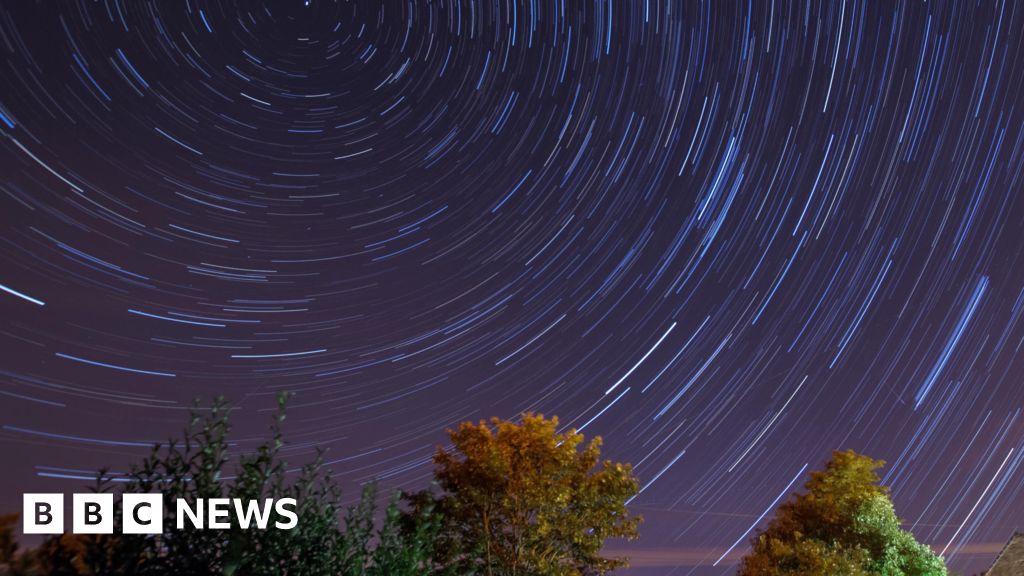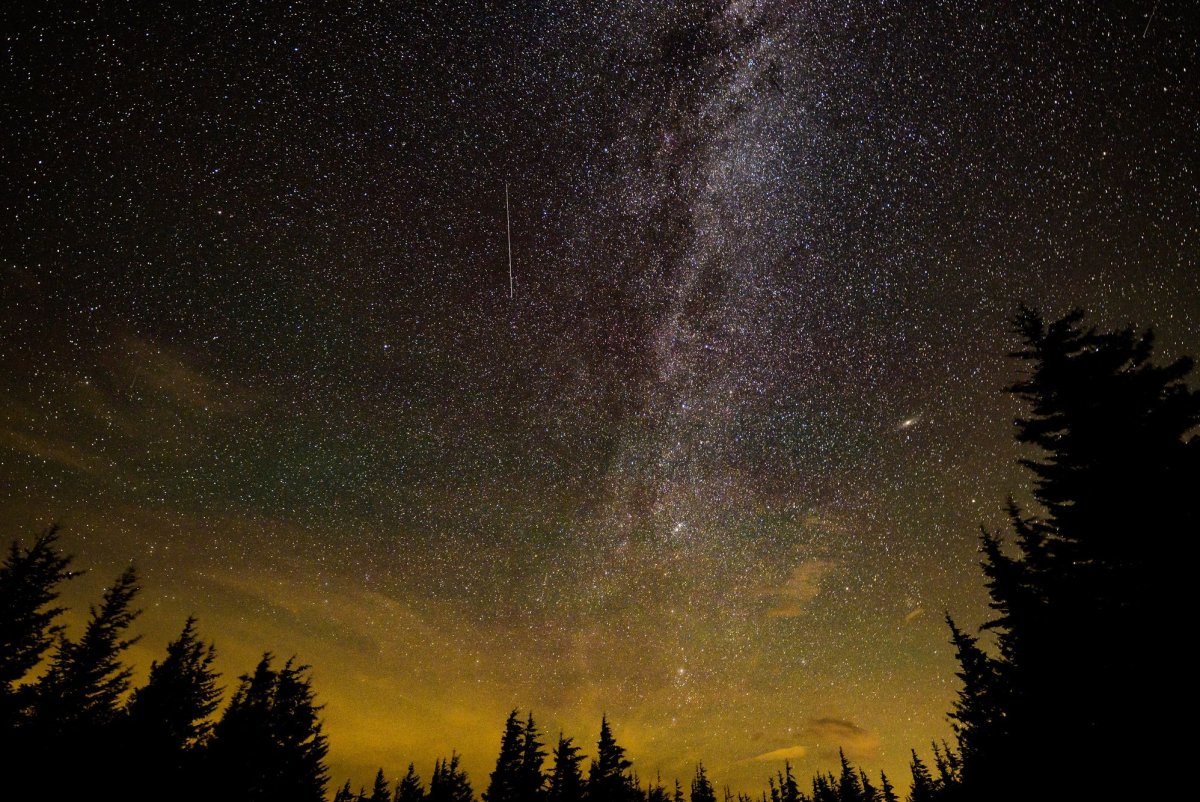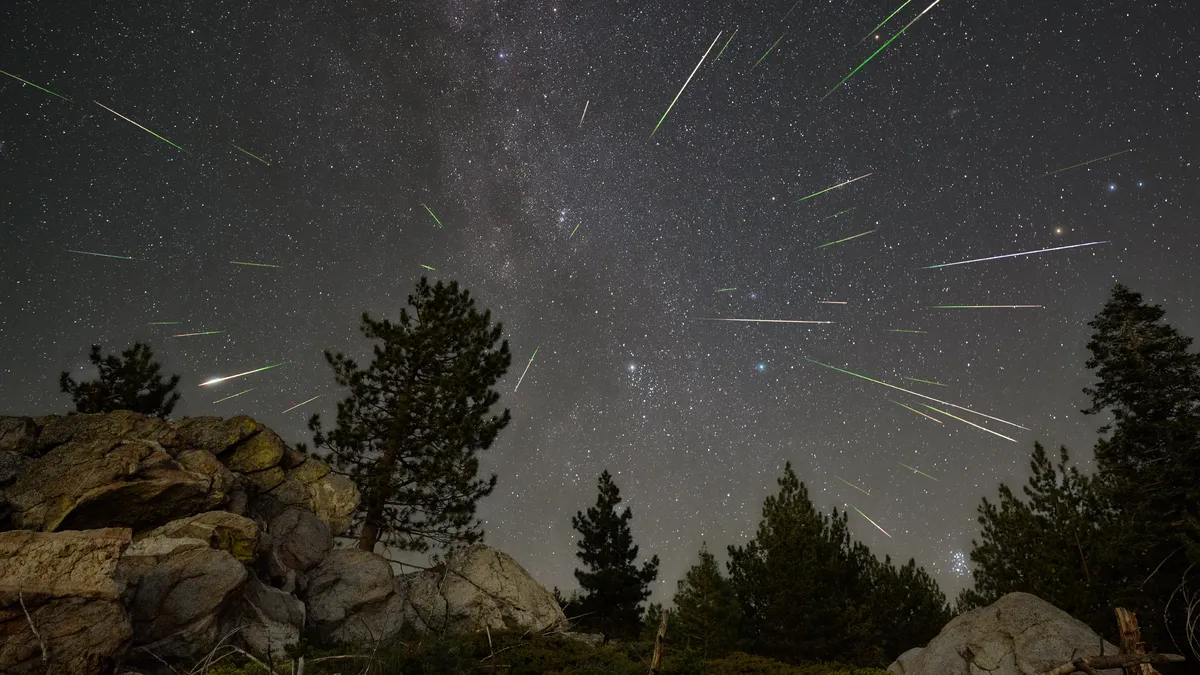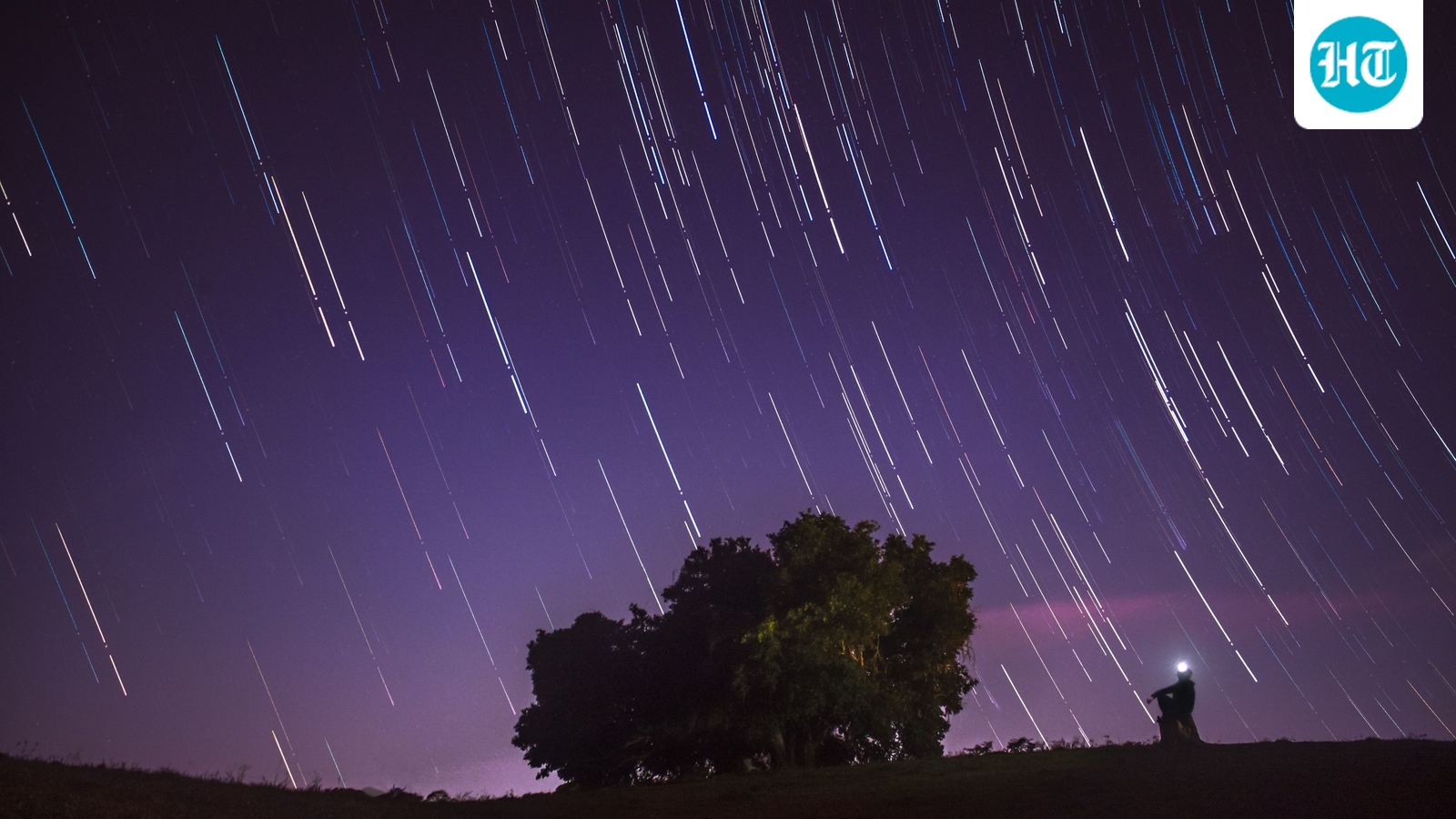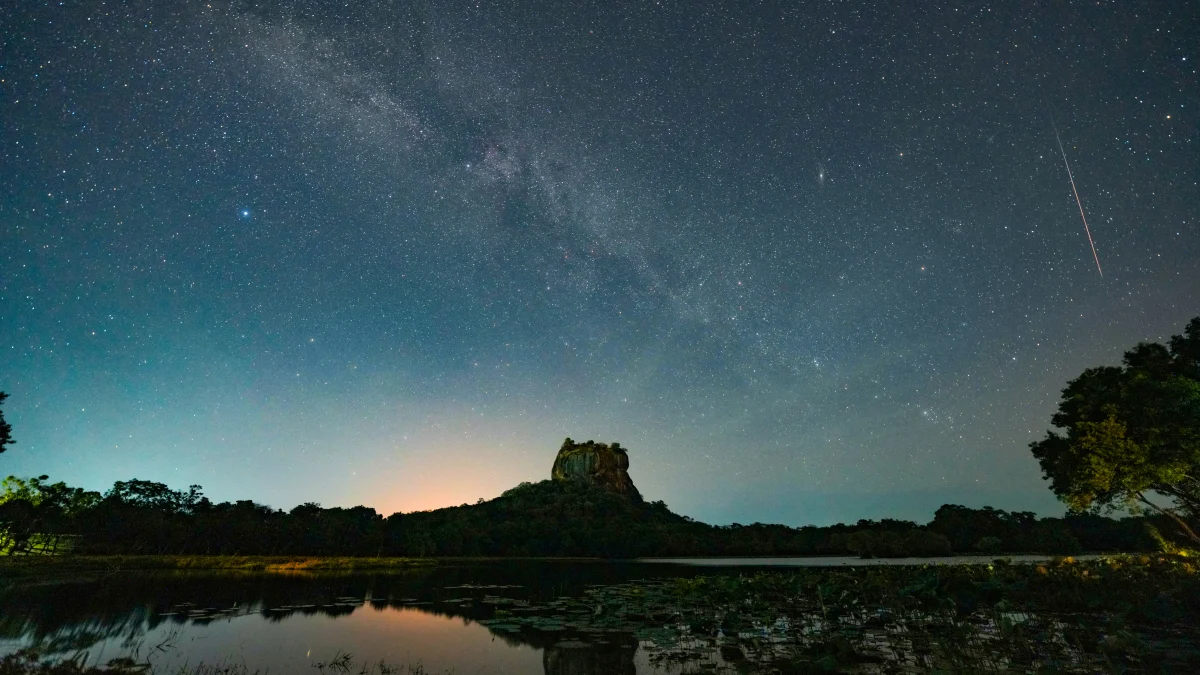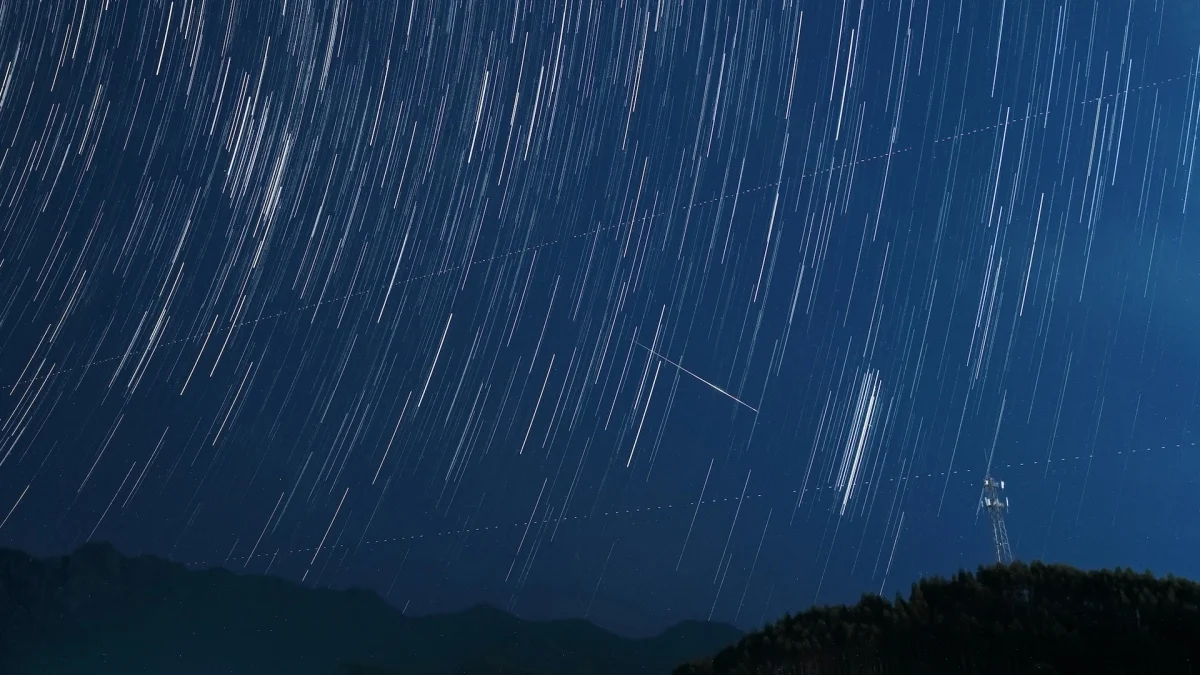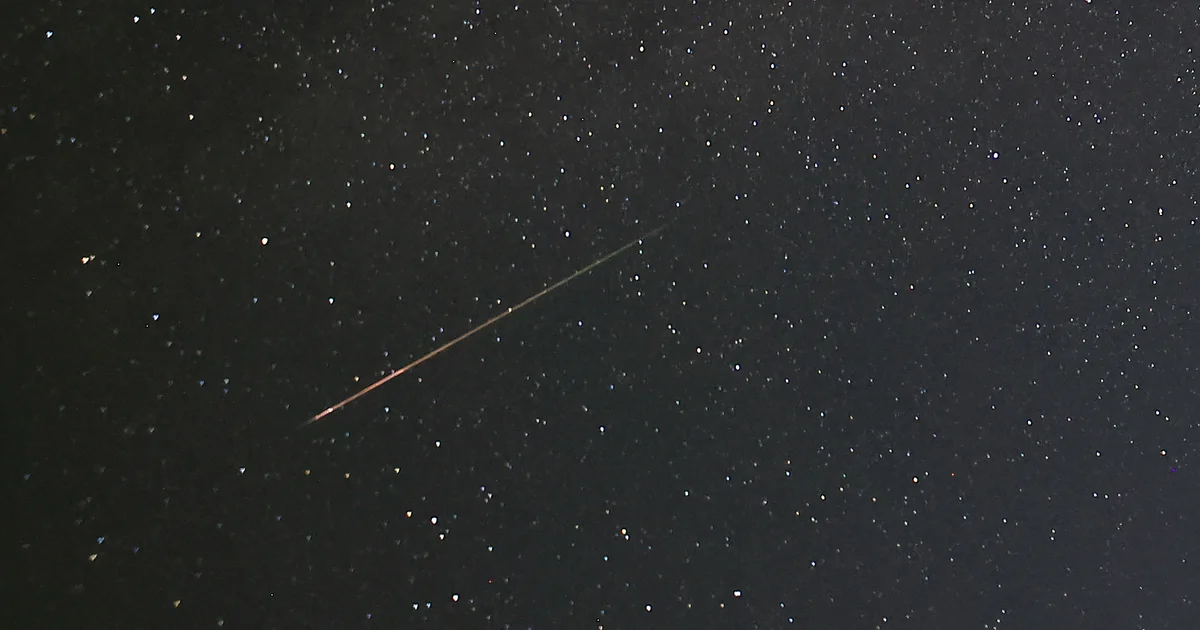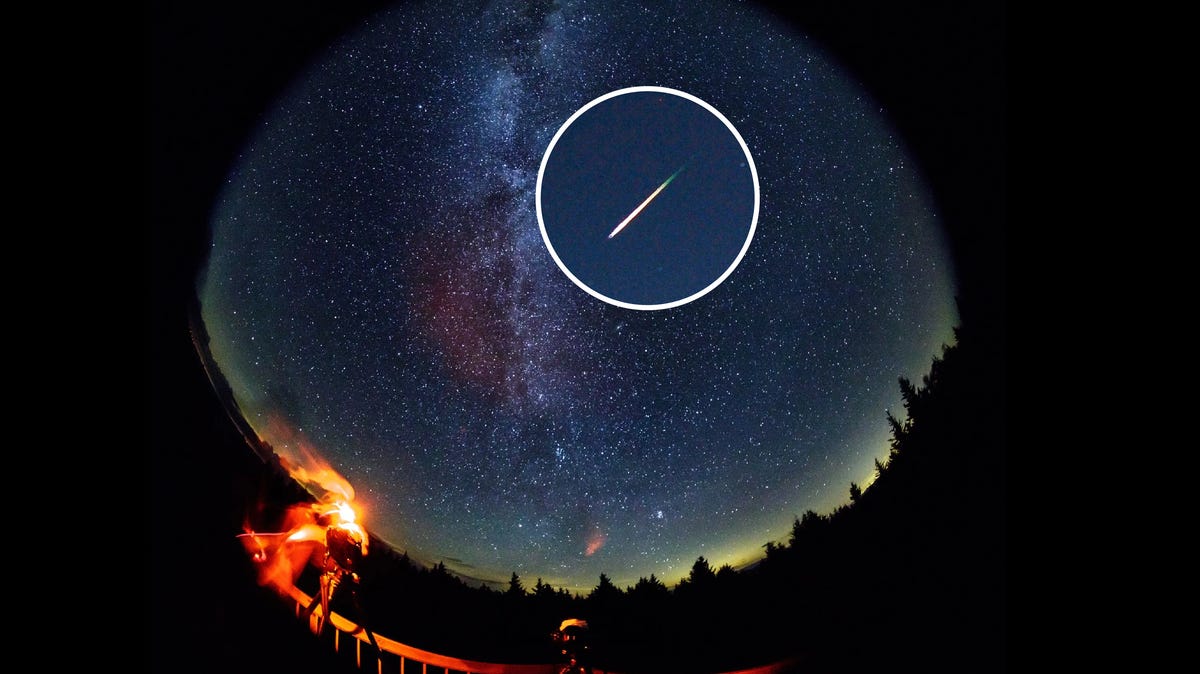
The Perseid meteor shower ‒ one of the best of the year, according to NASA ‒ treats stargazers to plentiful bright meteors streaking swiftly through the atmosphere and colorful exploding fireballs. But the celestial event will be competing with the moon this year.
A waning gibbous moon will compromise this shower in the period of maximum activity, according to the American Meteor Shower Society. These conditions will reduce visible activity by at least 75% and only the brightest meteors will be visible. People counting these "shooting stars" might see about 10 to 20 per hour instead of the typical 50 to 100.
But don't lose hope, stargazer! You can follow these tips to increase your chances of a spectacular show:
Unable to view our graphics? Click here to see them.
The Perseid meteor shower, among the most beautiful in the Northern Hemisphere, is expected to peak on the evenings of Aug. 12 and 13, and will be visible through Aug. 23.