Yearly spectacle, most visible in northern hemisphere, is caused by Earth passing through debris of ancient comet
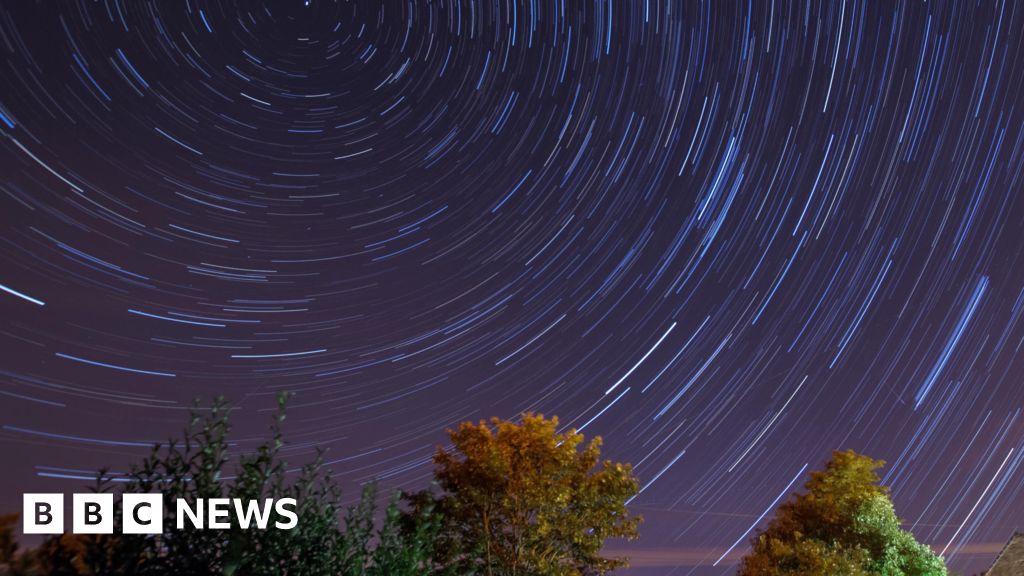
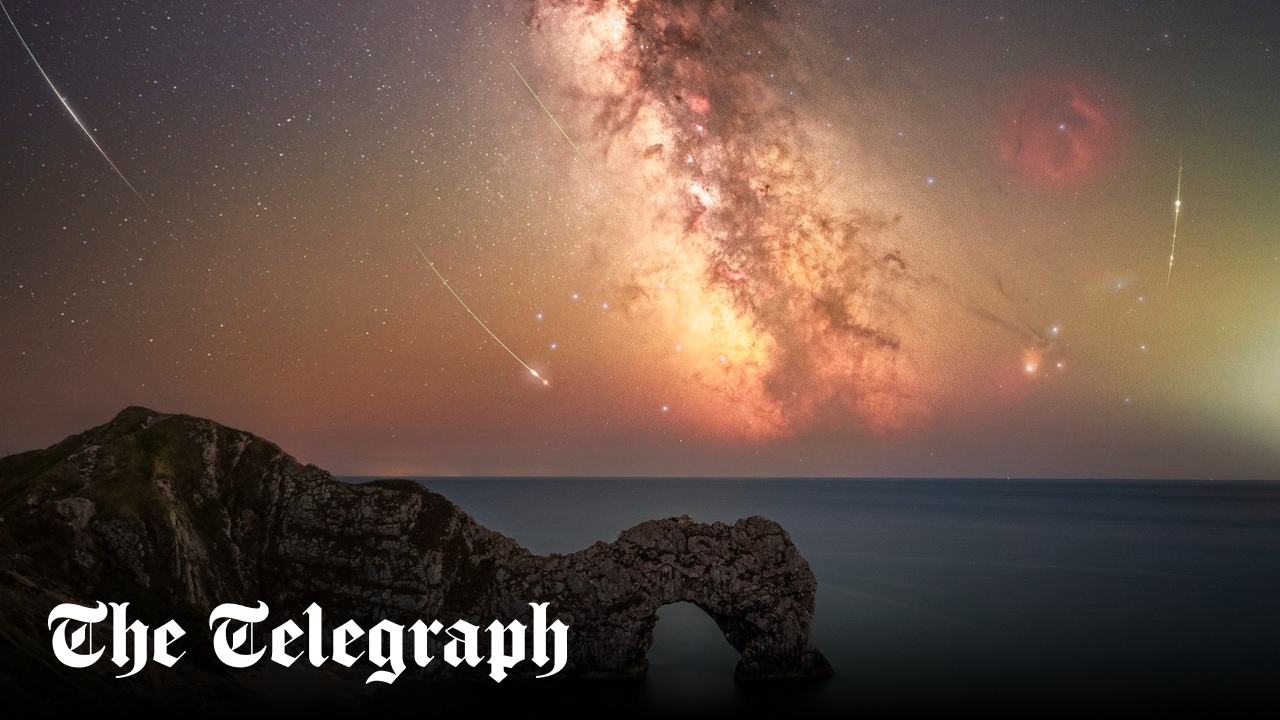
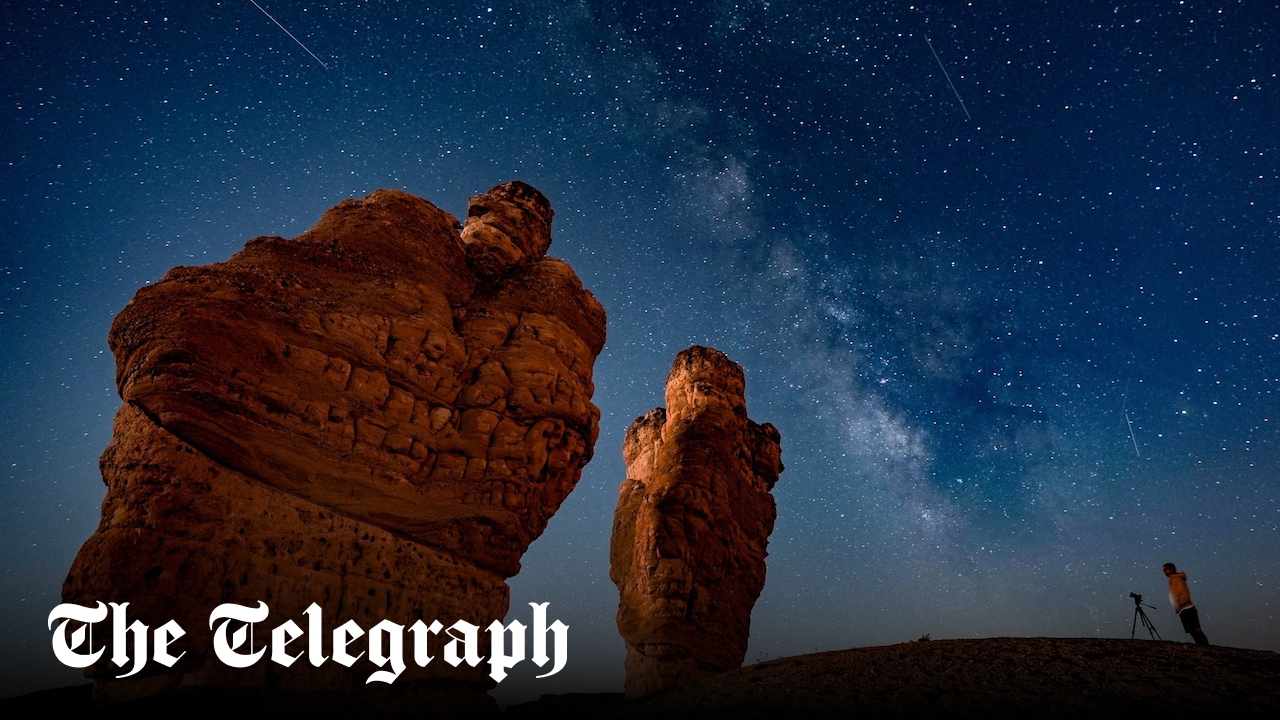
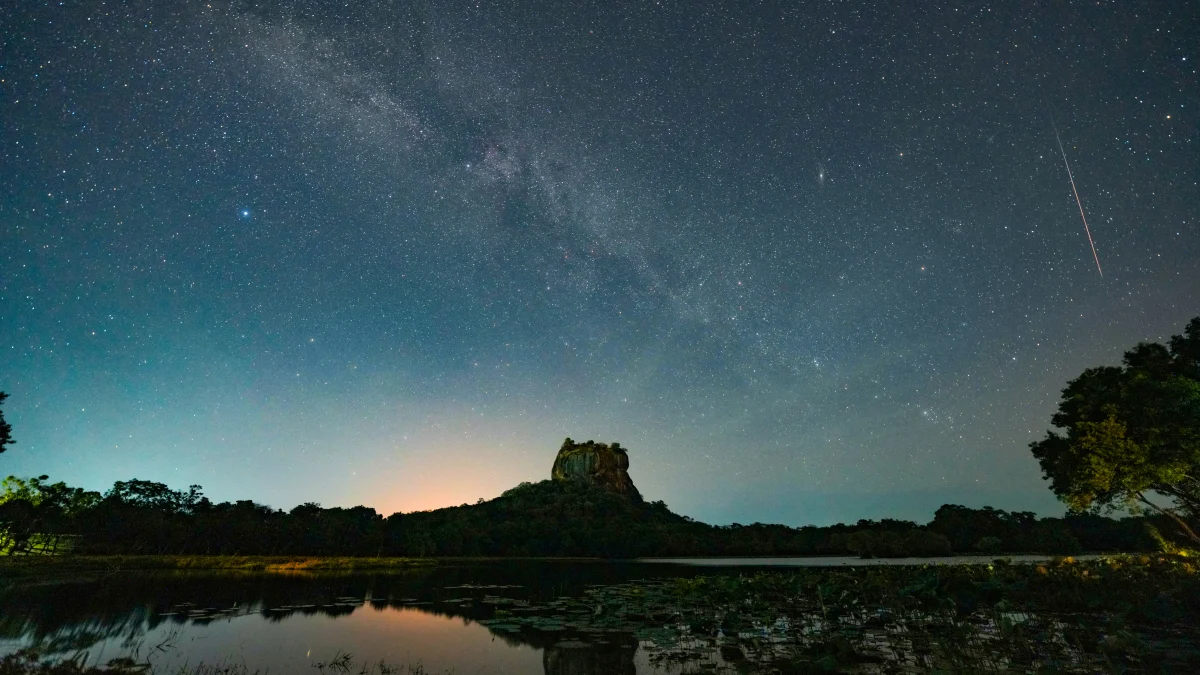
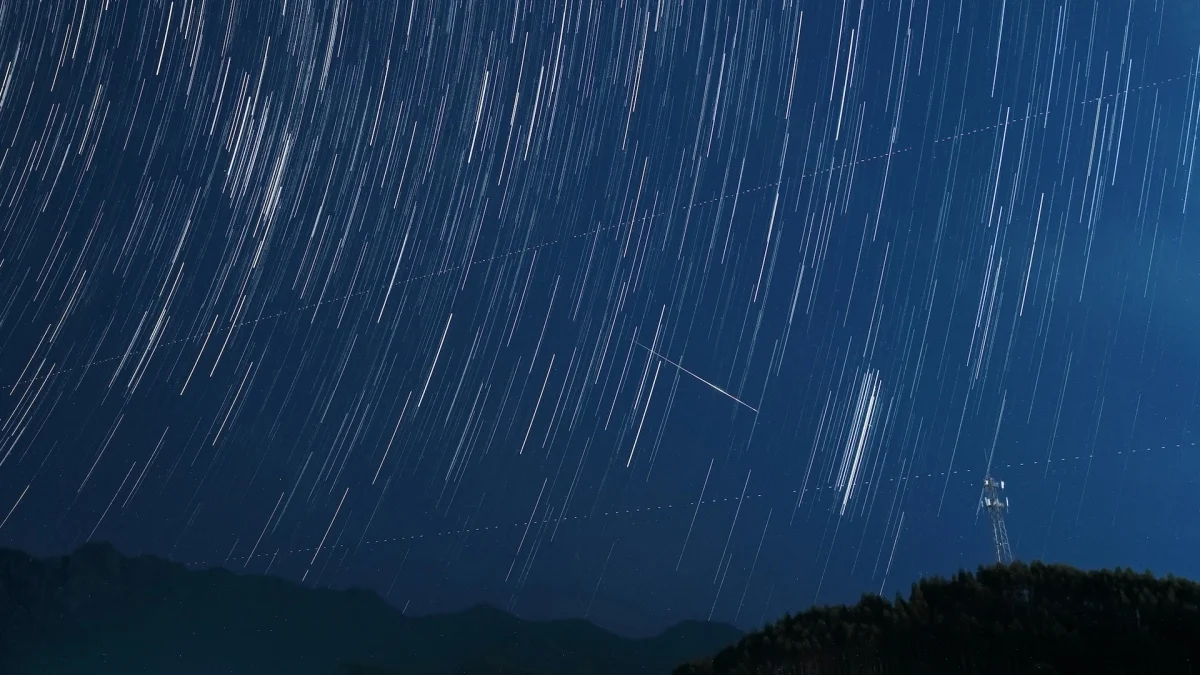
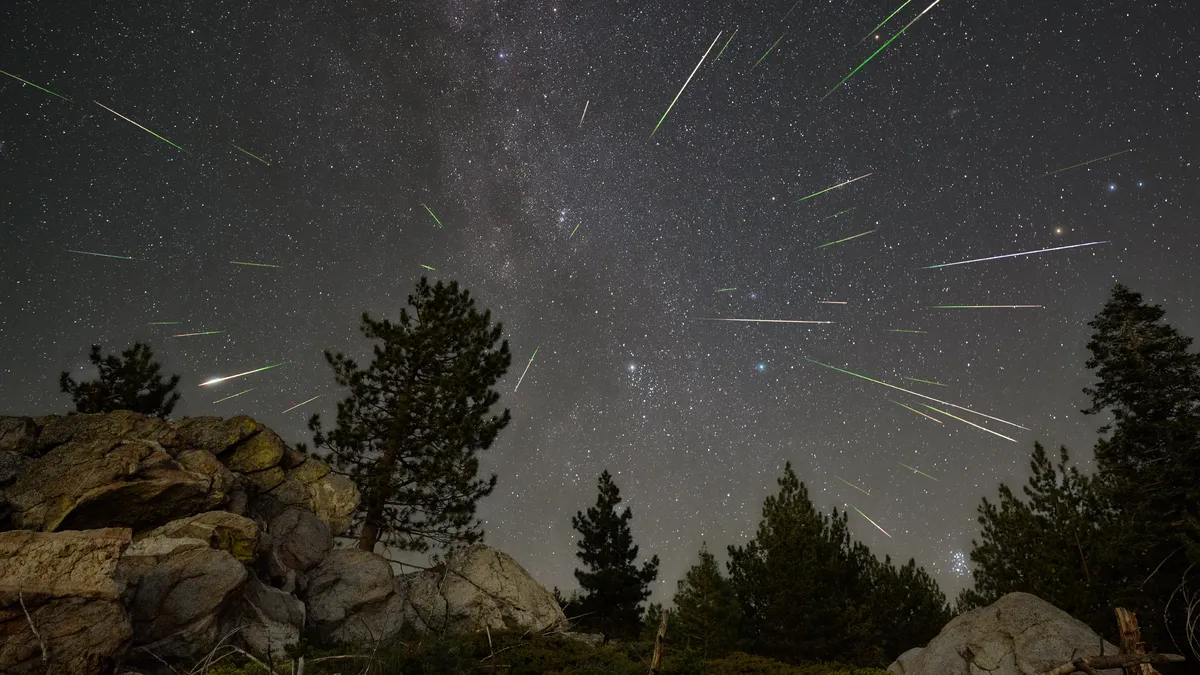
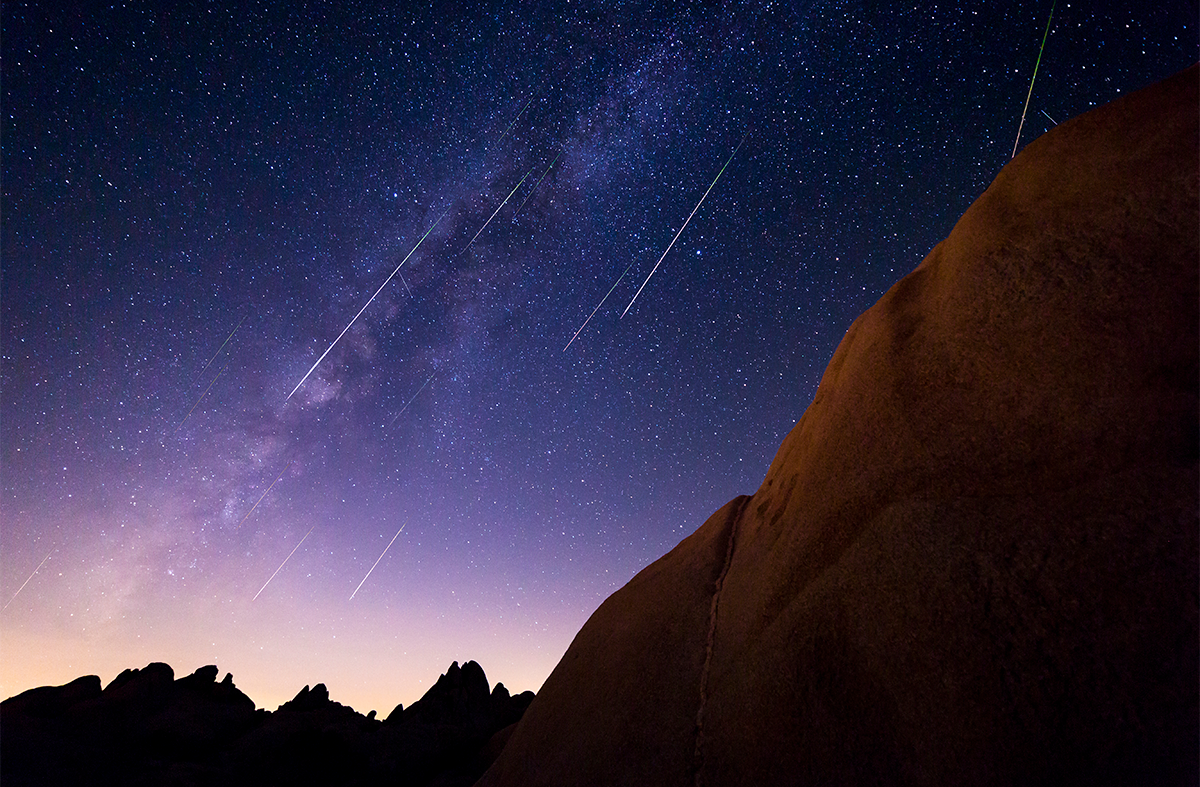
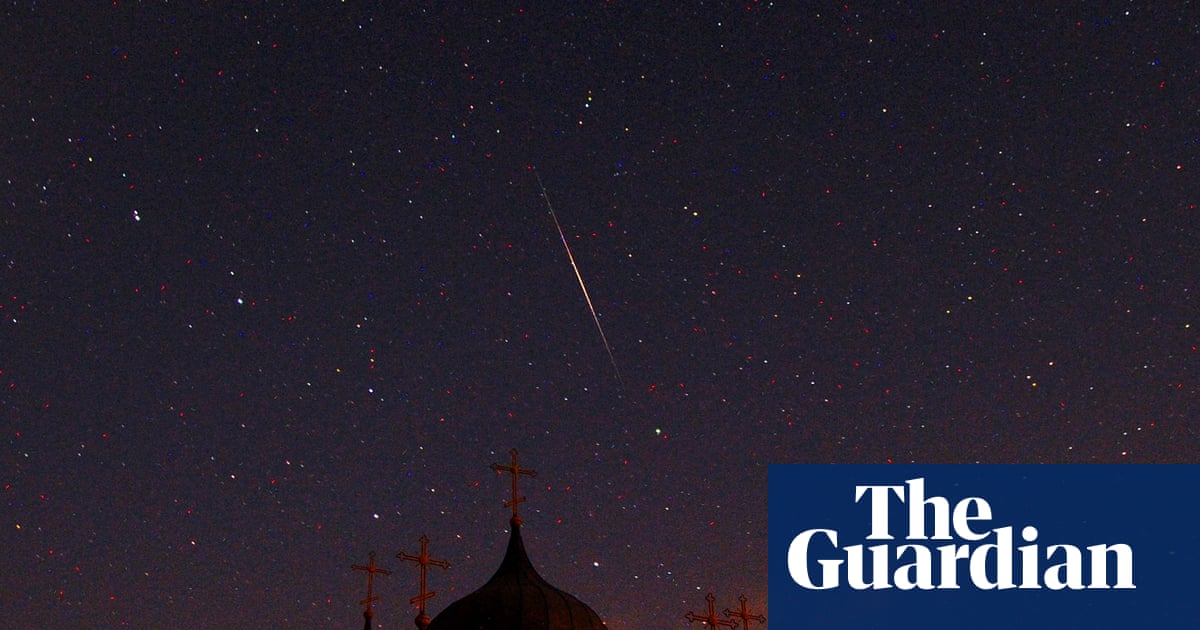
It is time for stargazers to dig out the deckchairs to try to enjoy what is considered to be one of the best meteor showers of the year.
The Perseids are expected to peak on the night of 12 August, although they have been active from mid-July and will continue to be visible for a further couple of weeks.
The annual event, which is most visible in the northern hemisphere, arises as comet debris burns up in Earth’s atmosphere.
“Each year, Earth passes through the material shed by an ancient celestial body, Comet 109P/Swift-Tuttle, which is estimated to be well over 5bn years old – older even than Earth,” said Dr Richard Parker, an astrophysicist at the University of Sheffield.