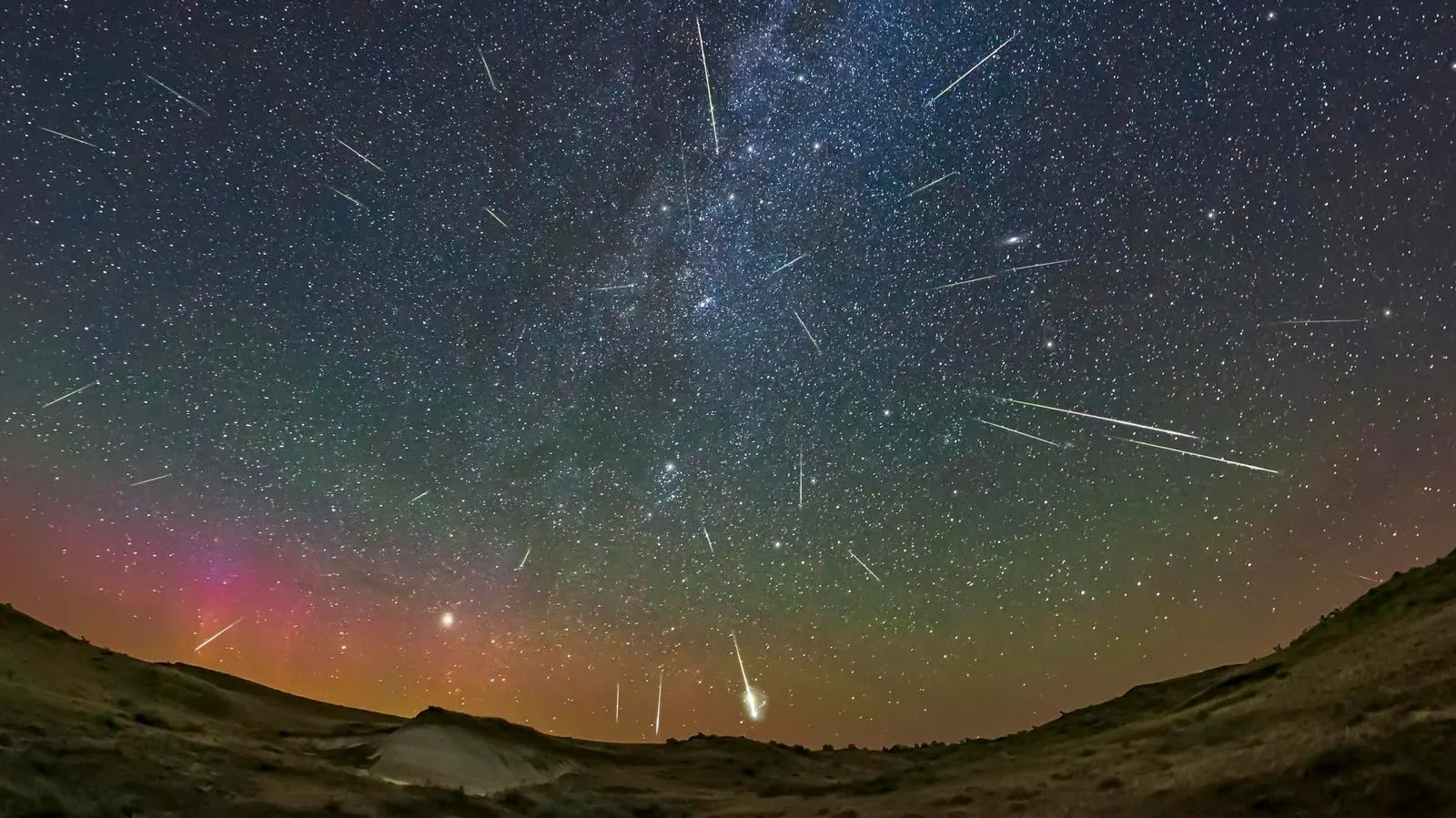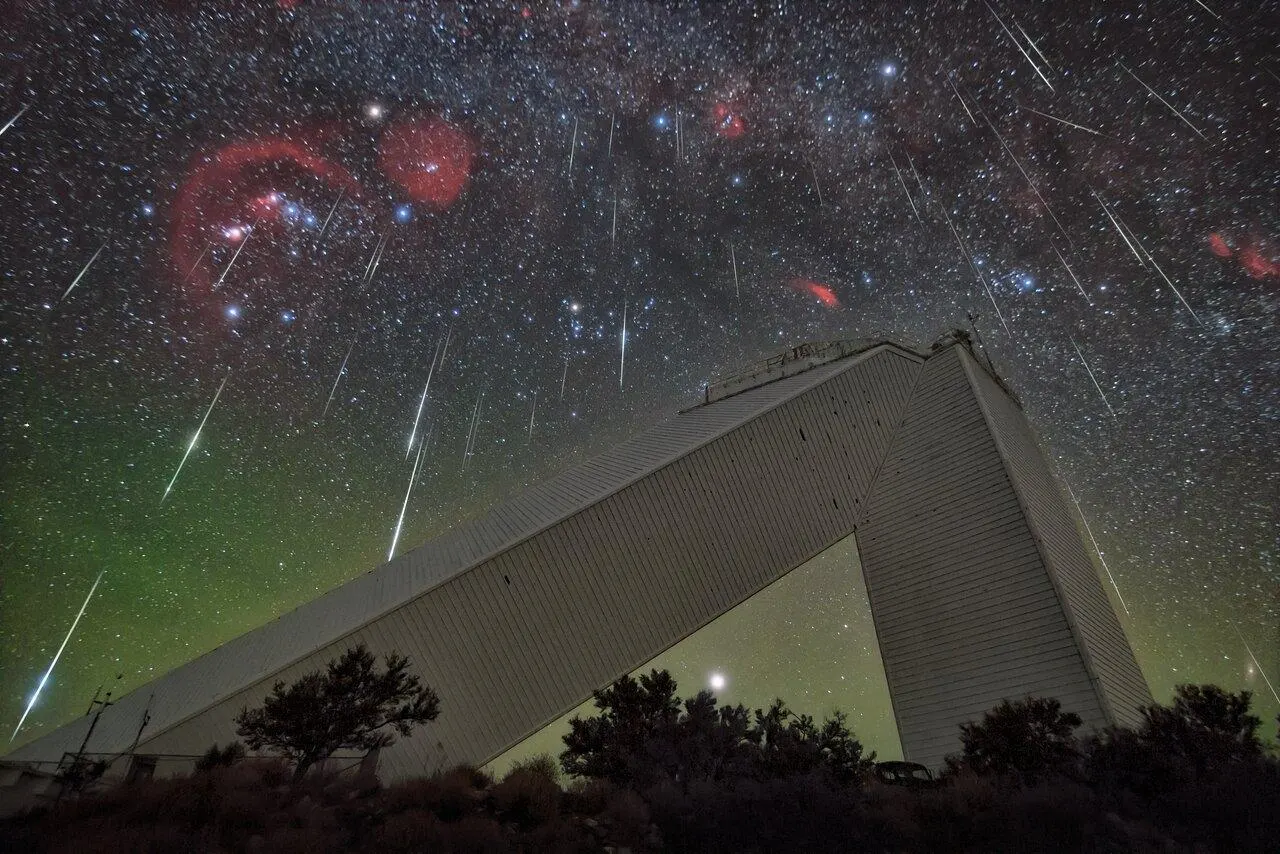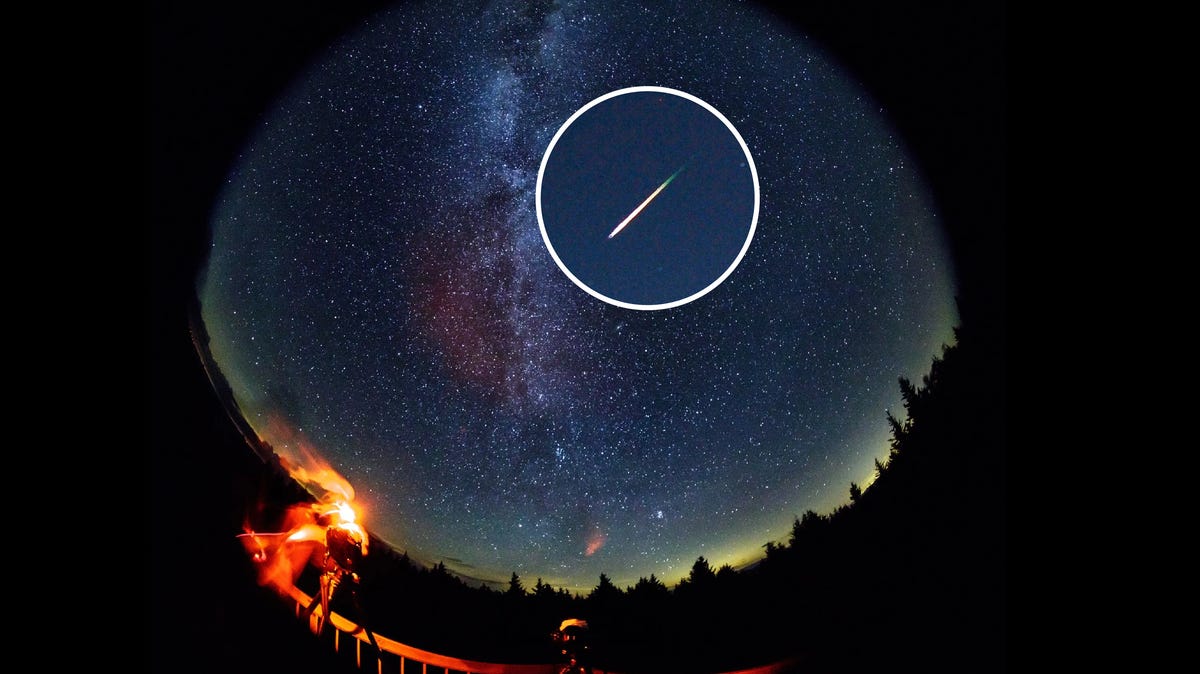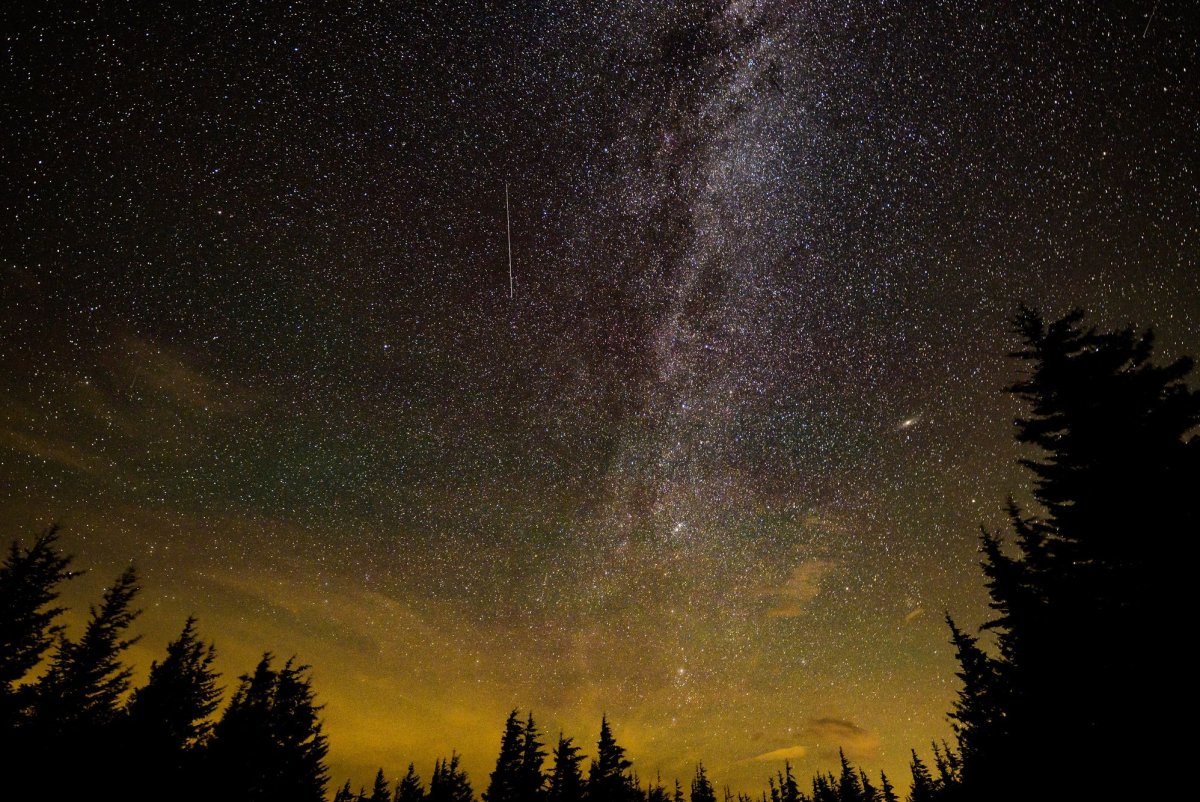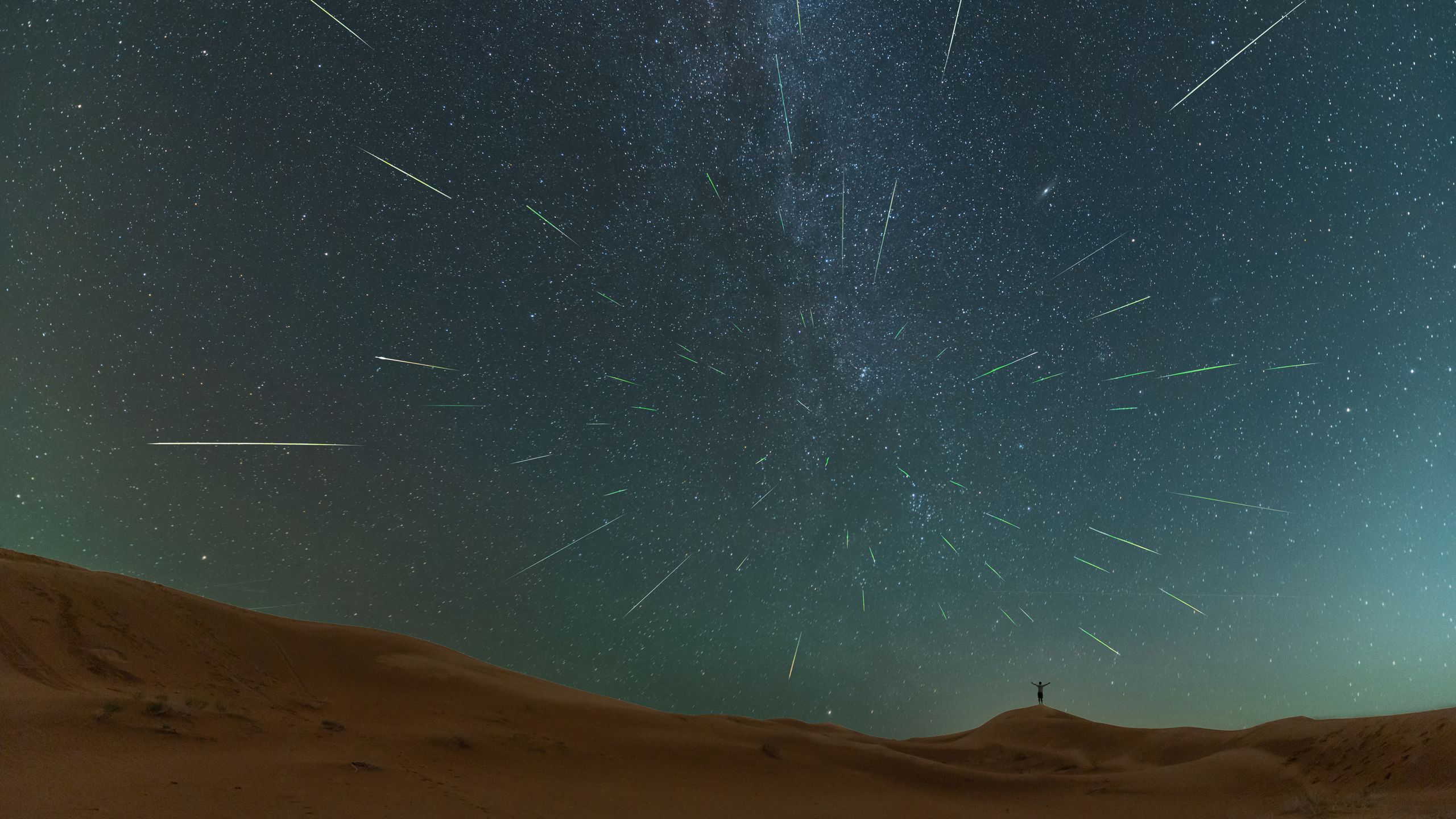
A composite view of meteors streaking through the sky over Inner Mongolia, China in 2023.
(Image credit: Photo by Costfoto/NurPhoto via Getty Images)
Look up! The Perseid meteor shower is finally active, bringing the potential for gorgeous shooting stars and fireballs as Earth plunges into the trail of debris shed by the icy comet Swift-Tuttle. Here's what you need to know.The Perseid meteor shower 2026 is set to be a truly magnificent affair and a stark contrast to last year, when moonlight drowned out all but the brightest shooting stars. The shower will reach peak activity overnight on Aug. 12-13 under the dark skies of the new moon. During the peak, up to 100 shooting stars may be seen each hour as they cut fiery paths through the summer sky, according to the American Meteor Society.You could even spot a Perseid brightening the false twilight triggered at the climax of the Aug. 12. eclipse, as the moon perfectly hides the surface of our parent star. But for that to happen you'd have to find yourself in the path of totality just as a large fireball-producing meteoroid struck Earth's atmosphere. It's certainly possible, but let's just say that the odds aren't stacked in your favor.If you're not in the path of totality then there's no need to despair, you stand a much better chance of spotting Perseids the old fashioned way anyway!How to spot Perseid shooting starsPerseid meteors can be spotted anytime after dark from tonight onwards, streaking away from a patch of sky, or radiant, located close to the red supergiant star Eta Persei in the constellation Perseus.