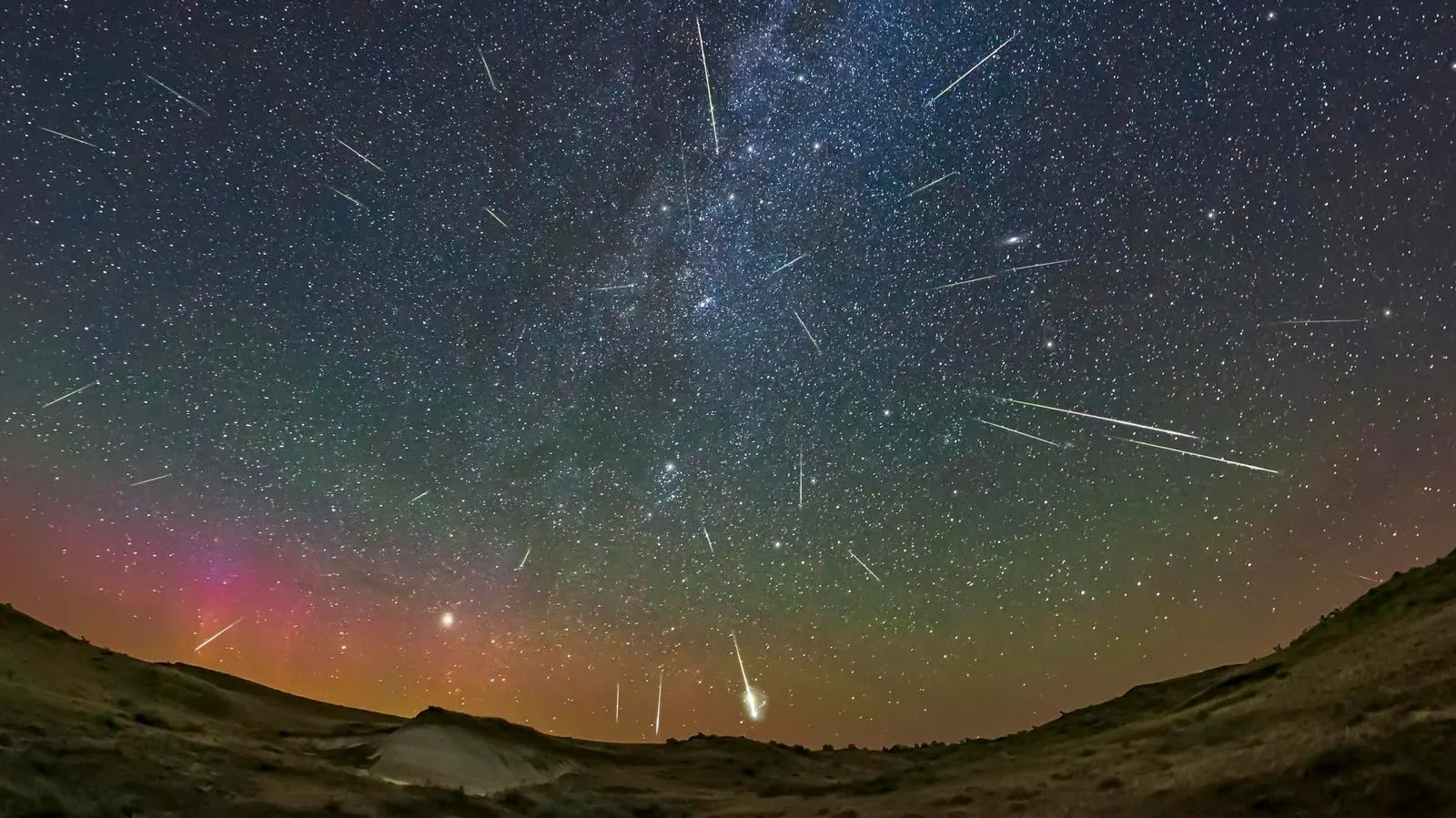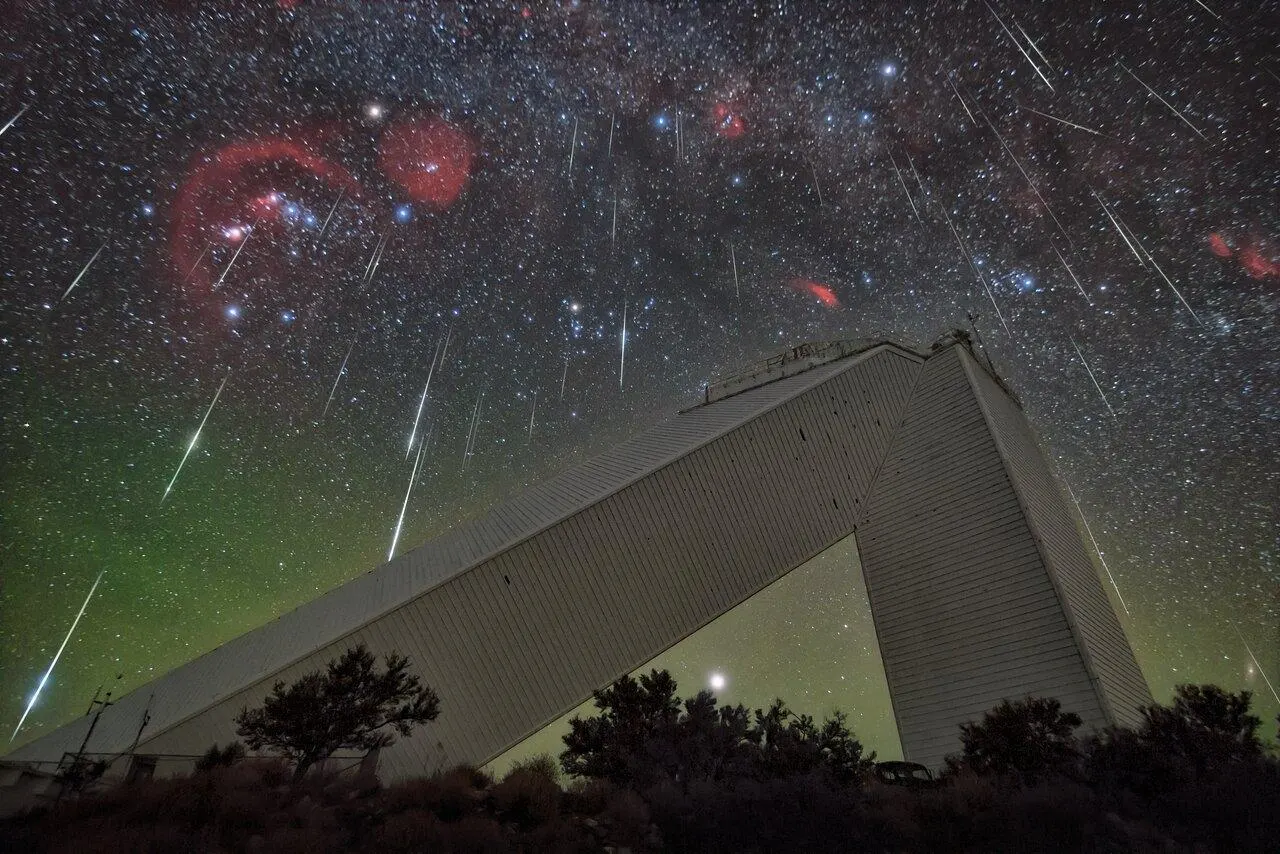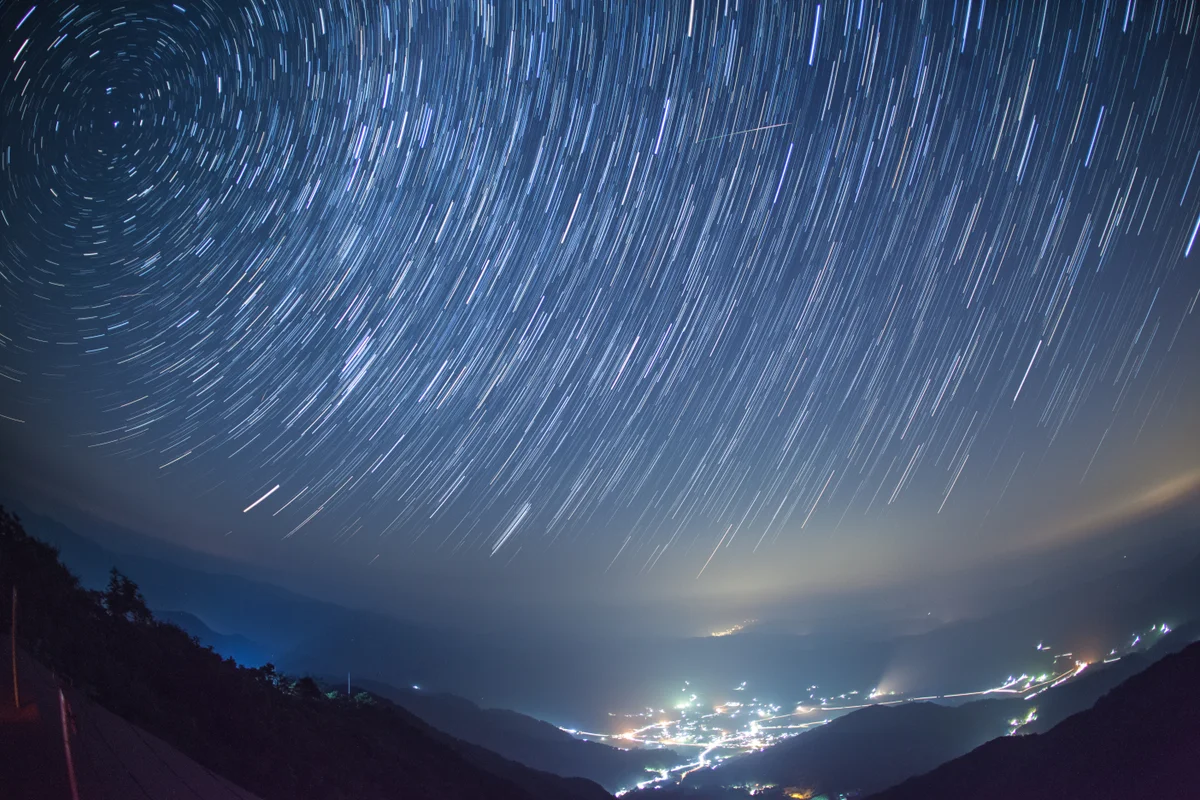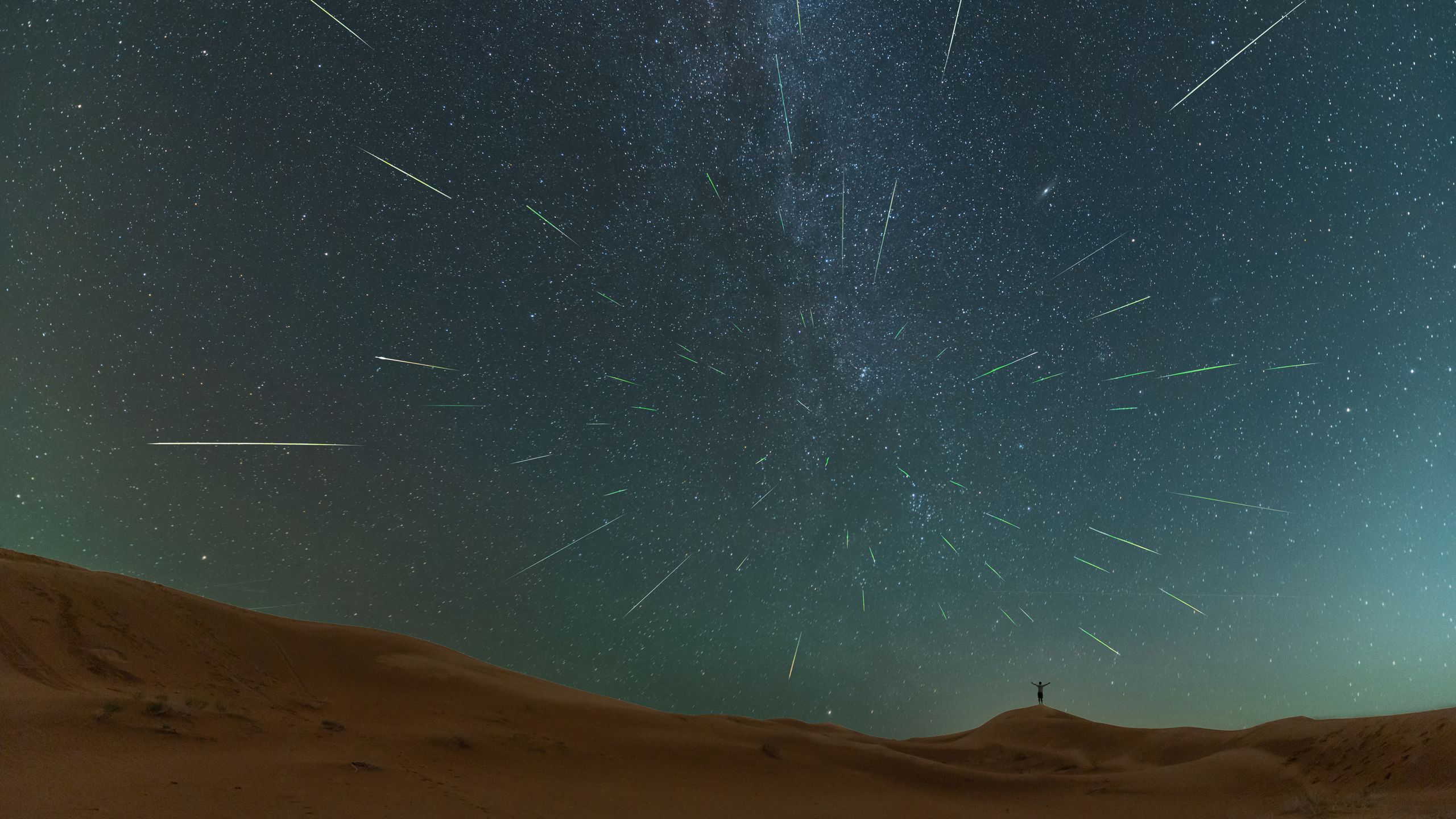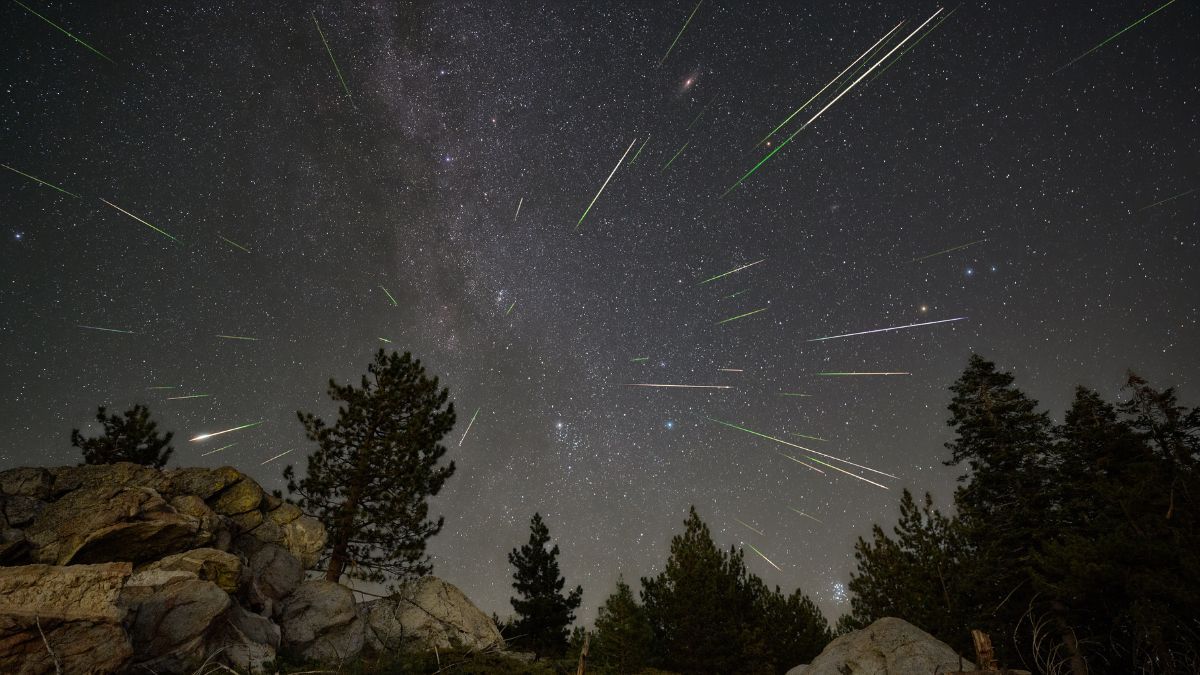
The Perseid meteor shower runs from July 17 to Aug. 24.
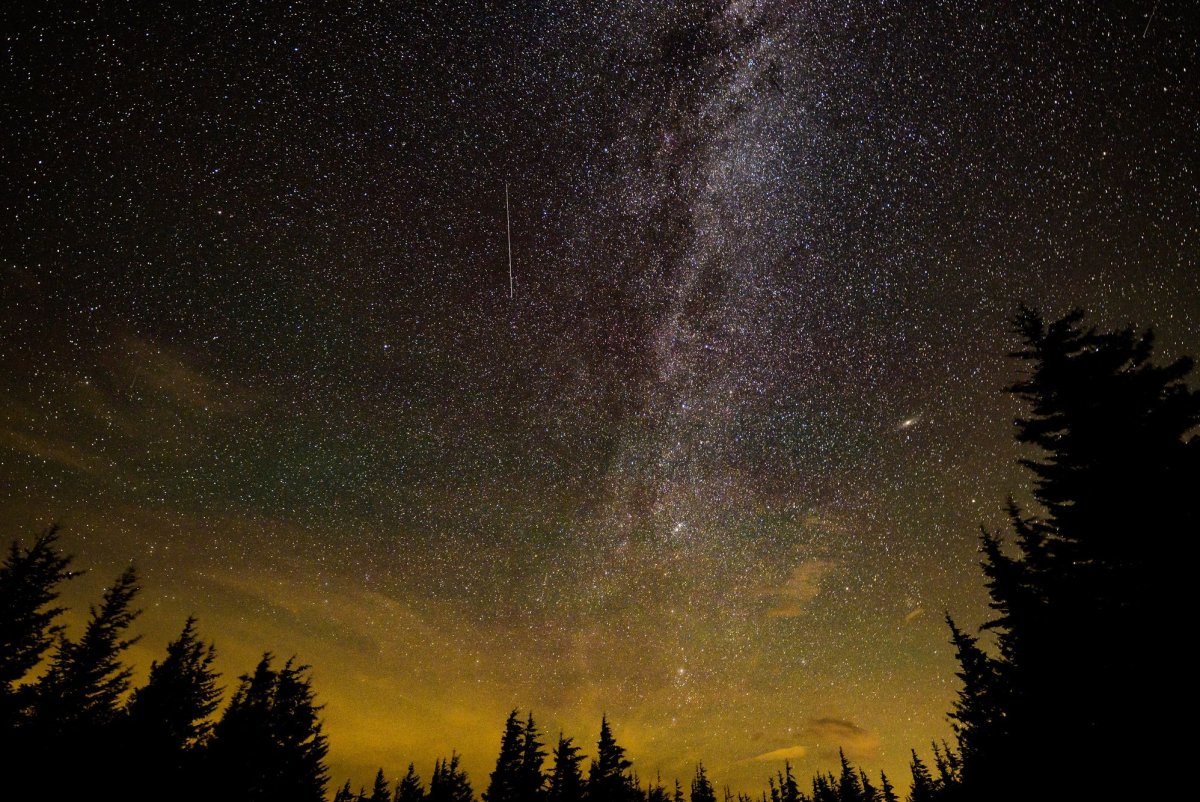
(Image credit: NASA/Preston Dyches)
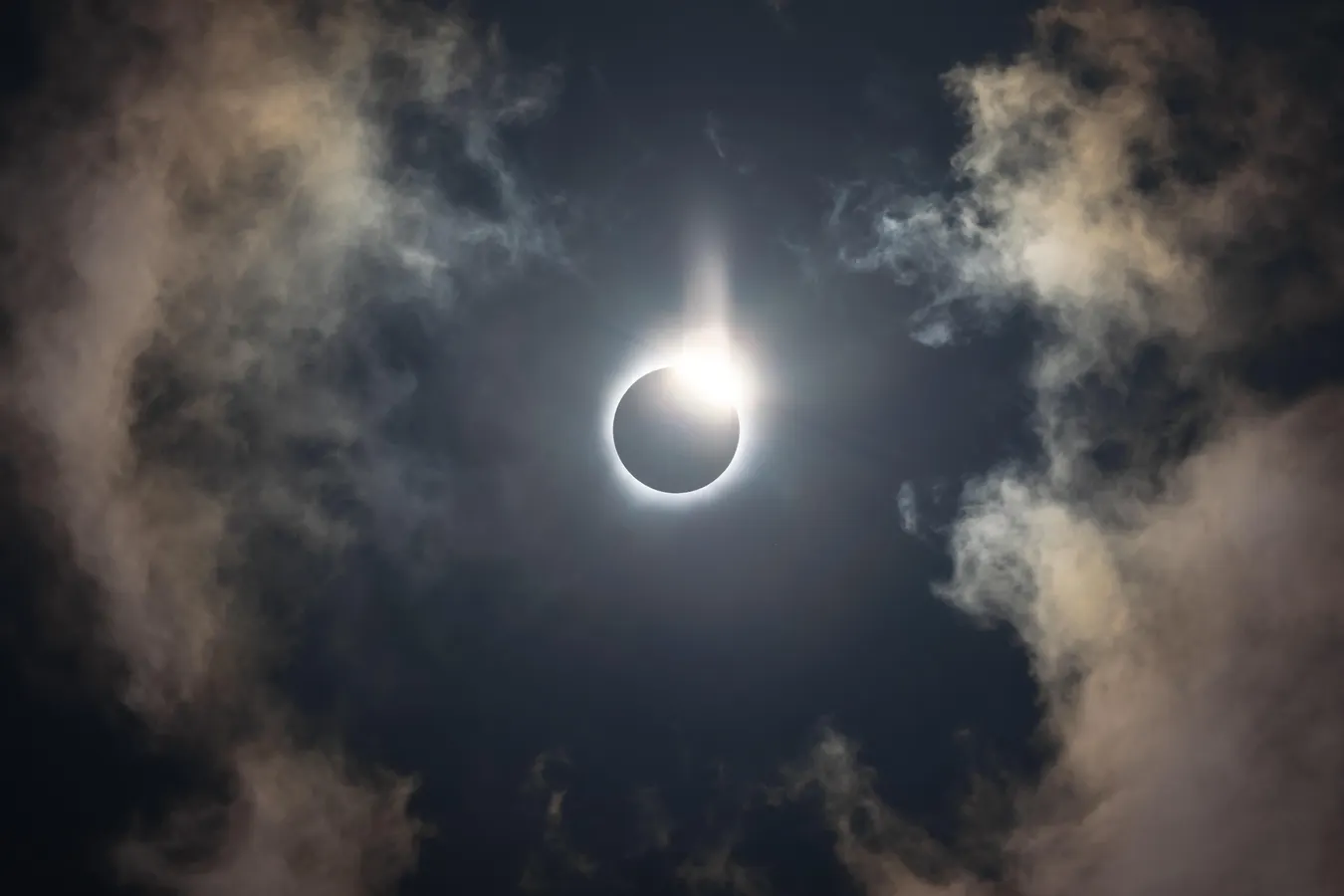
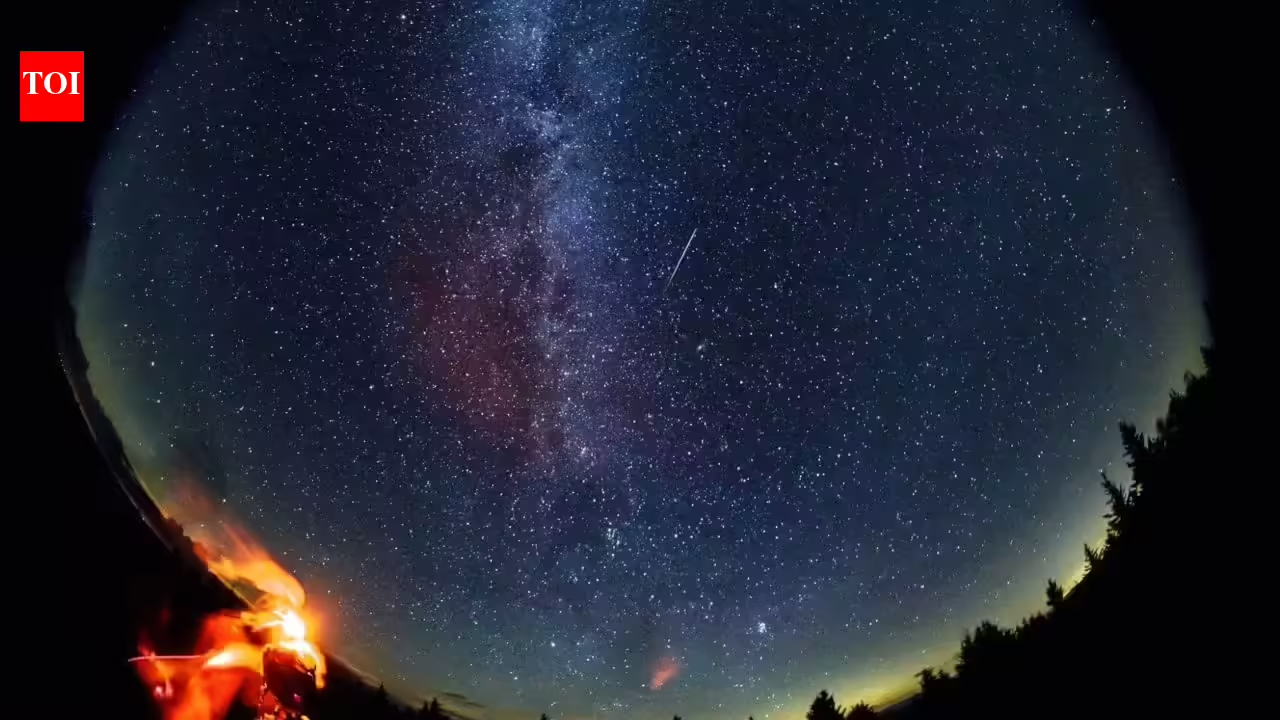
People keep asking me about the total solar eclipse on August 12. That's understandable. For anyone in the Northern Hemisphere, it is shaping up to be a joyous day of astronomy. Totality will cross eastern Greenland, western Iceland and northern Spain, but much of Europe will see a very deep partial eclipse, and even parts of North America will see a small bite taken from the sun. Then, just hours later, the Perseid meteor shower will peak beneath perfectly moonless skies. What a double-act!The problem with promoting days and nights like that is that they make us think skywatching is only worth doing at very specific times. Everything becomes about moments, peaks and countdowns. That rings true for an eclipse, of course, but for the Perseids, it's less so.The Perseid meteor shower actually begins right now. It's active from July 17 through August 24. Yes, it reaches a strong maximum overnight on August 12-13, where observers under ideal dark skies could see 50 or more "shooting stars" per hour. That's absolutely the night to aim for if you only go stargazing once a month. But for stargazers with a little more time, the hunt can begin right now.The best Perseid is the first one you see. In these weeks before the peak, there's less expectation, less focus on the weather. An unexpected streak while you are outside feels accidental.For me, it often happens when I've stopped observing properly for the night. Last summer, I was moving my telescope indoors late at night after a fairly unremarkable session looking at a few globular clusters. As I went back inside, I did my usual pause and look at the stars one last time. As I did, my peripheral vision caught a bright meteor whizzing across rooftops in the northeast. Summer's meteor season had begun with a bang when I least expected it to.The Perseids officially build gradually over several weeks as Earth slowly enters the broad debris stream left behind by Comet Swift-Tuttle. It was last in the inner solar system in 1992 and will return in 2126. The peak around August 12—13 marks the densest part of the stream, but in mid-July, only a handful of meteors will appear each hour. That's exactly why early Perseids feel so special — you stumble across a meteor when you least expect it. Its gradual beginning also explains why some of the earliest Perseids can be surprisingly dramatic. The shower is famous for bright fireballs — large, vivid meteors that sometimes leave glowing trails lingering for several seconds. Even when overall meteor rates remain low in July, a single bright Perseid can add some magic to a night's observing.What's happening and when to look