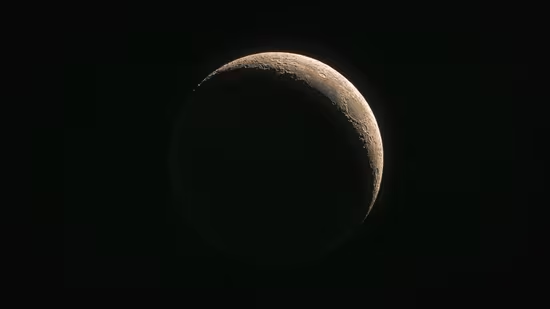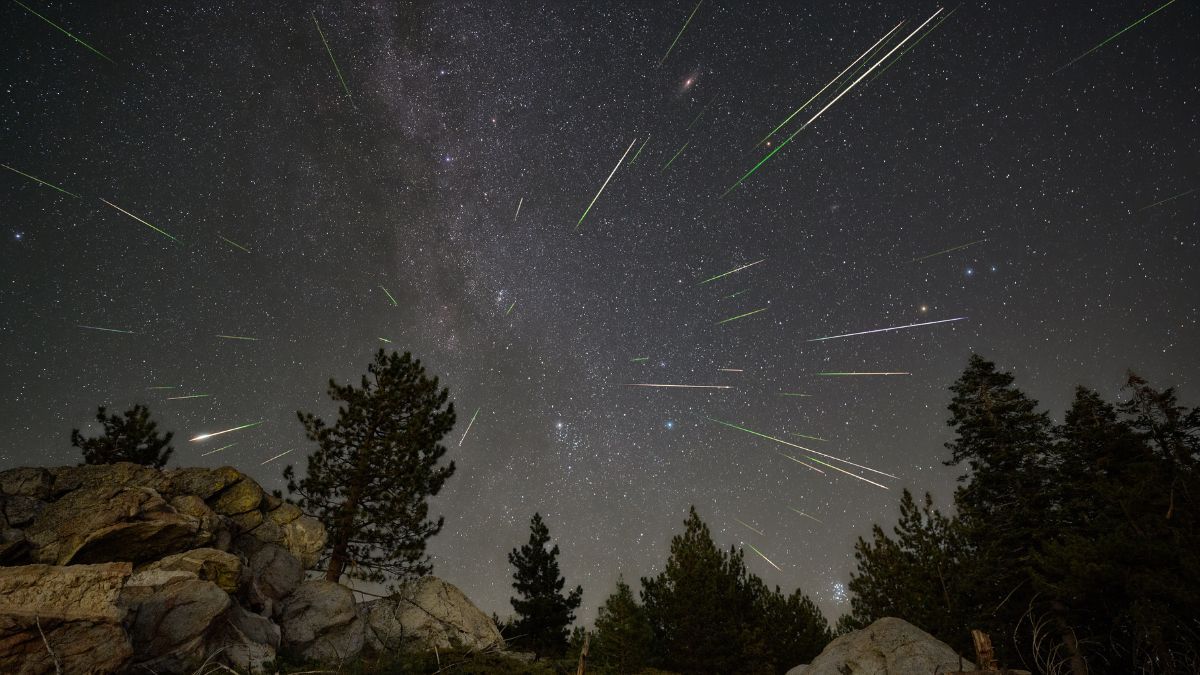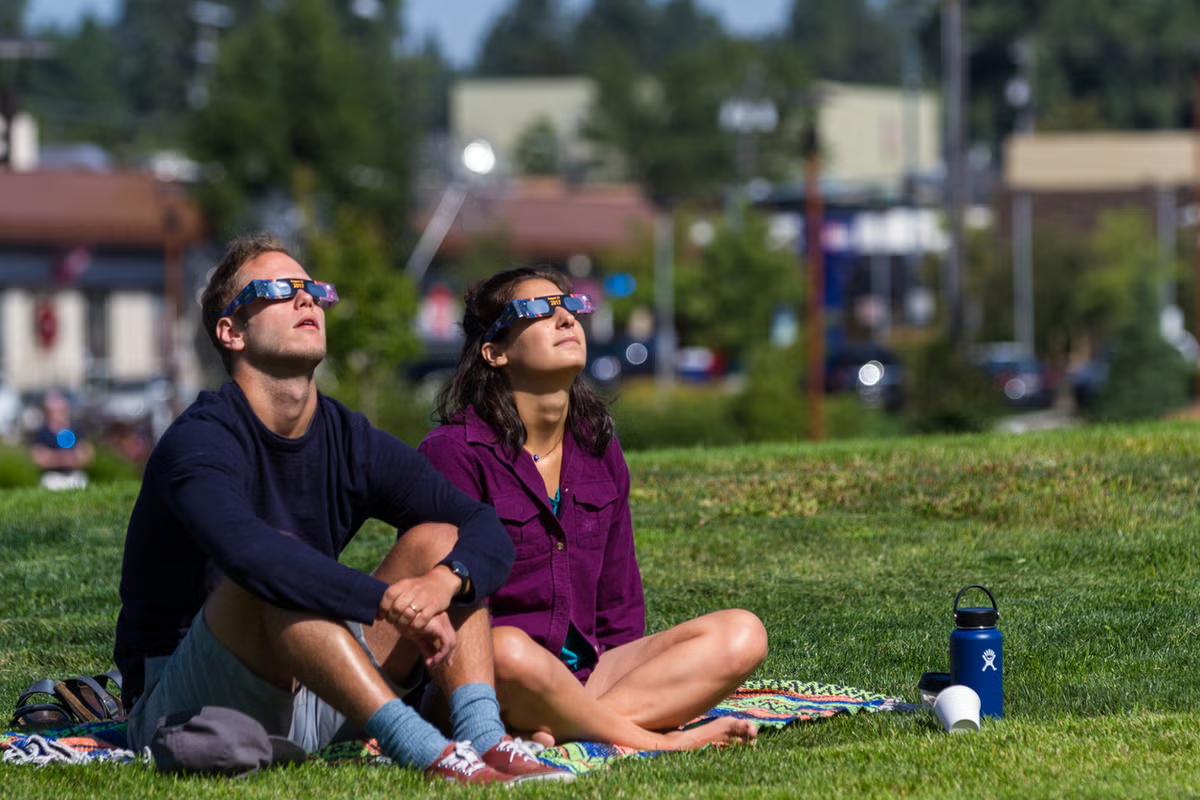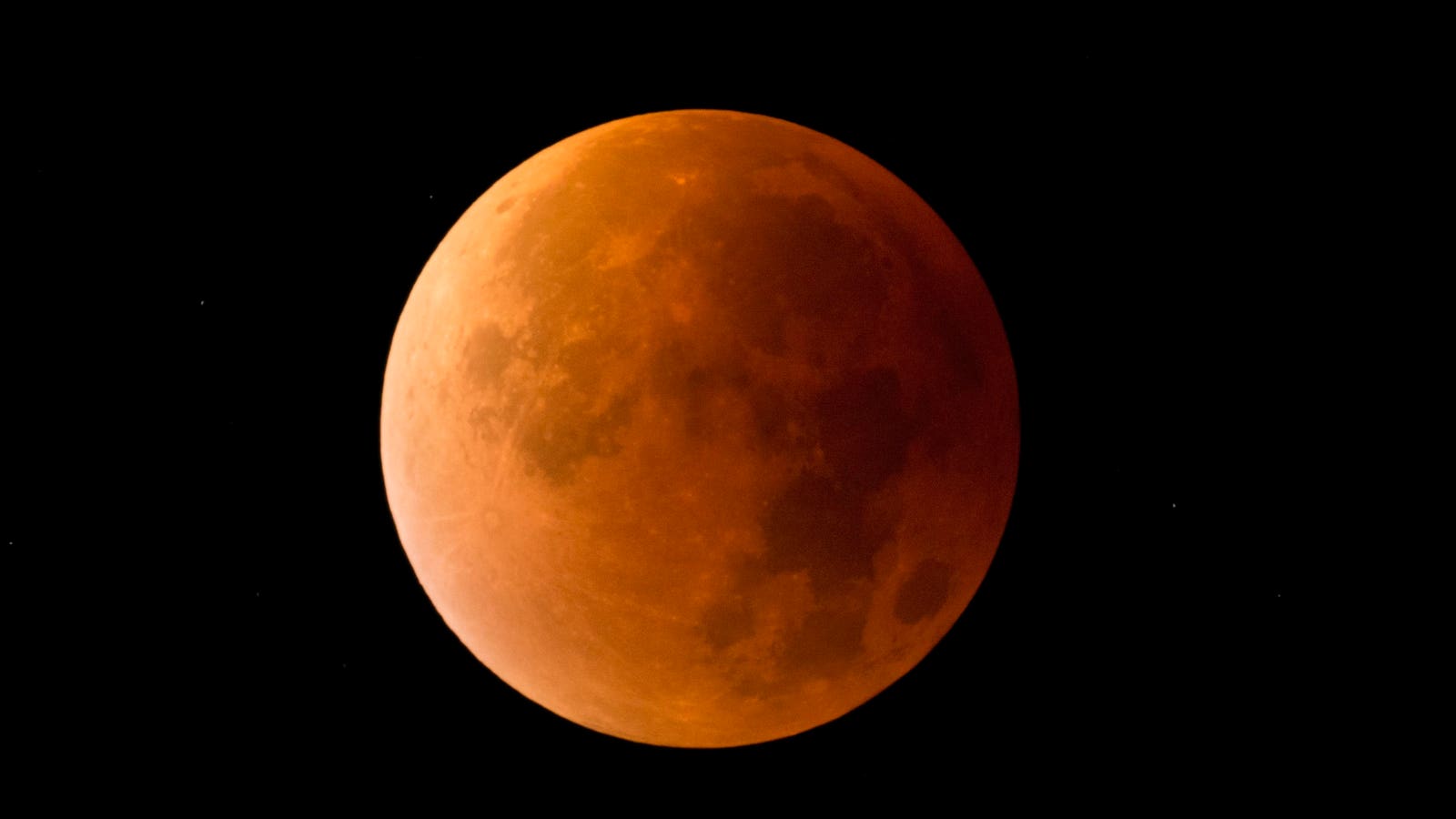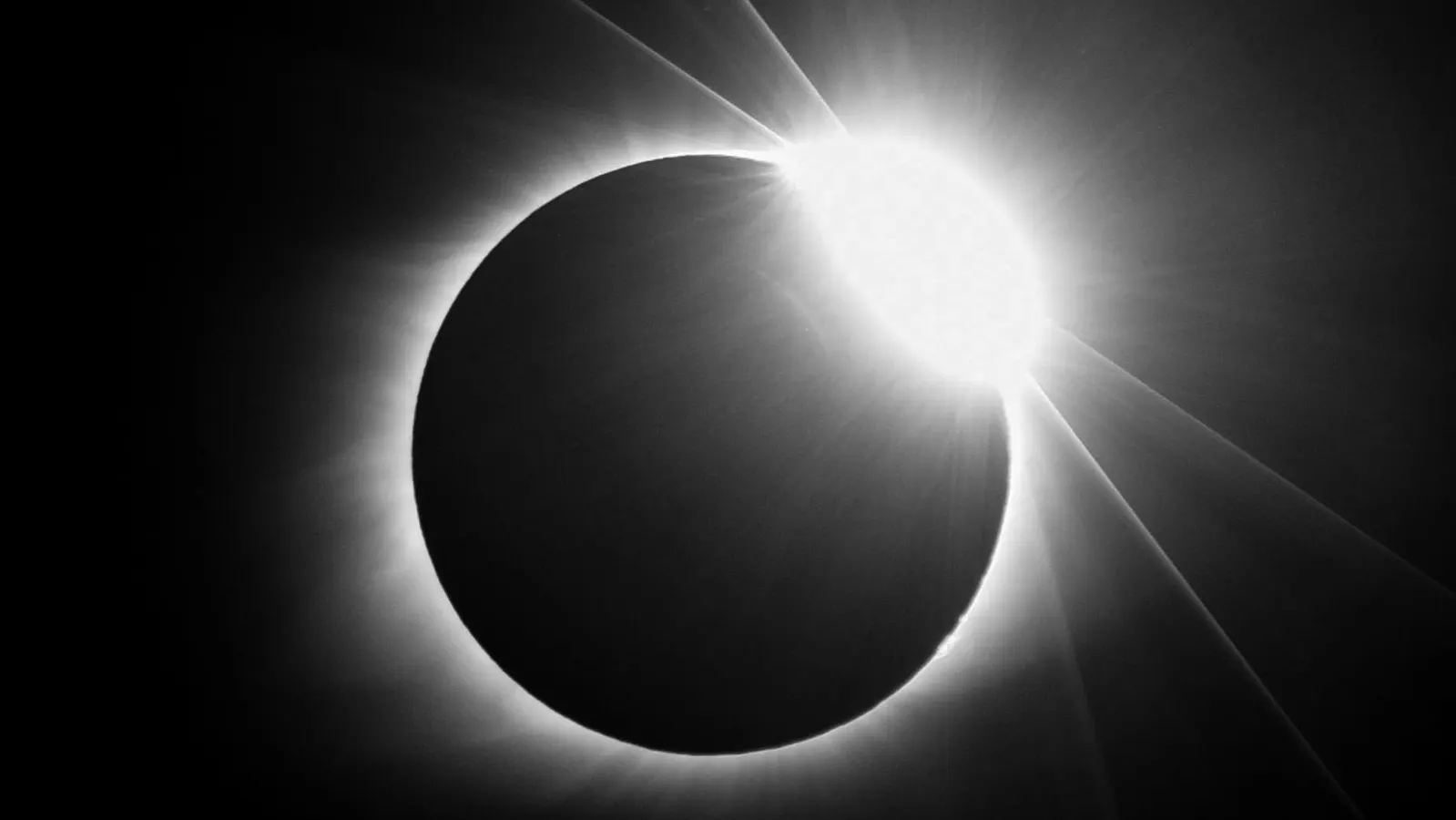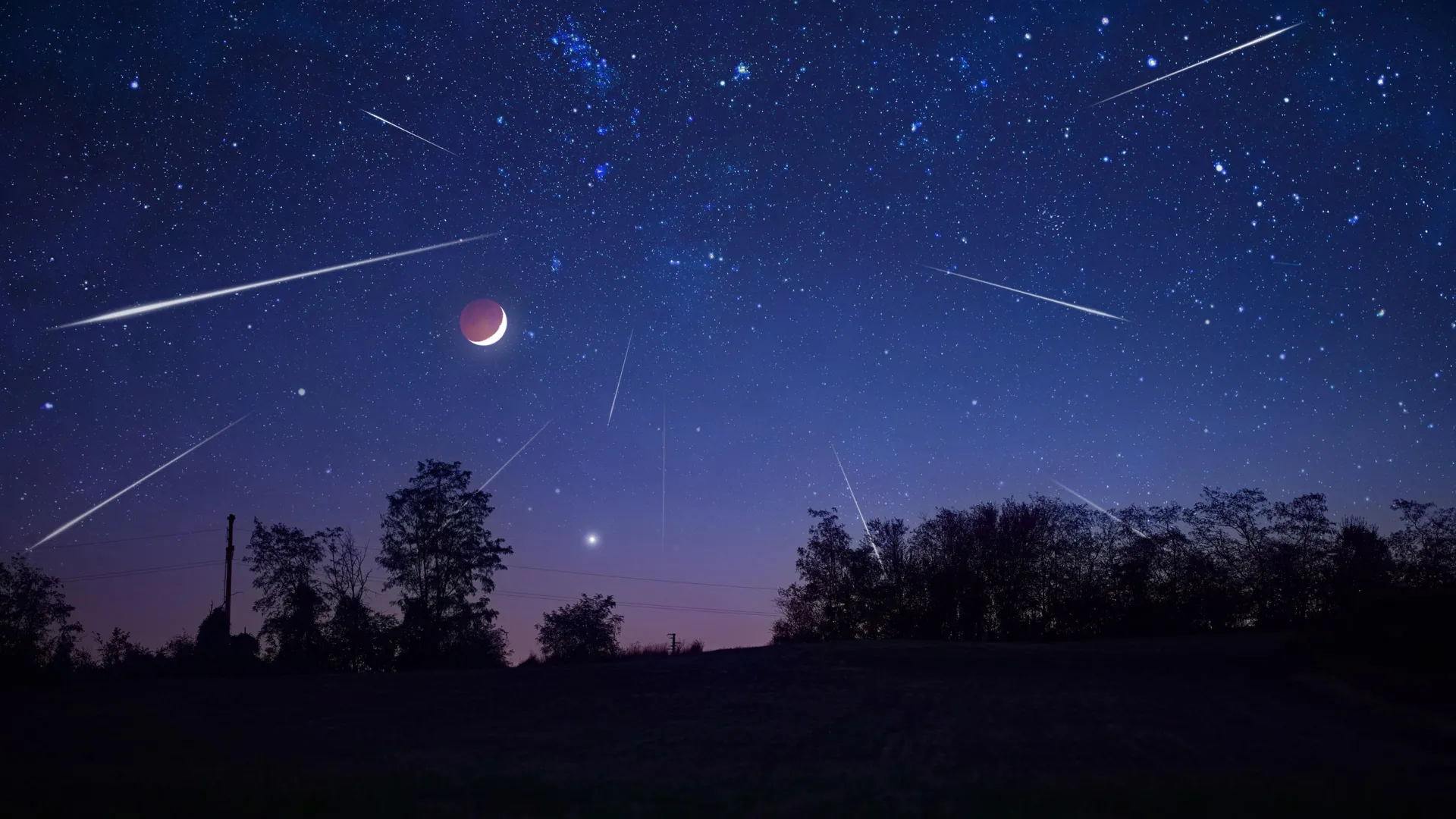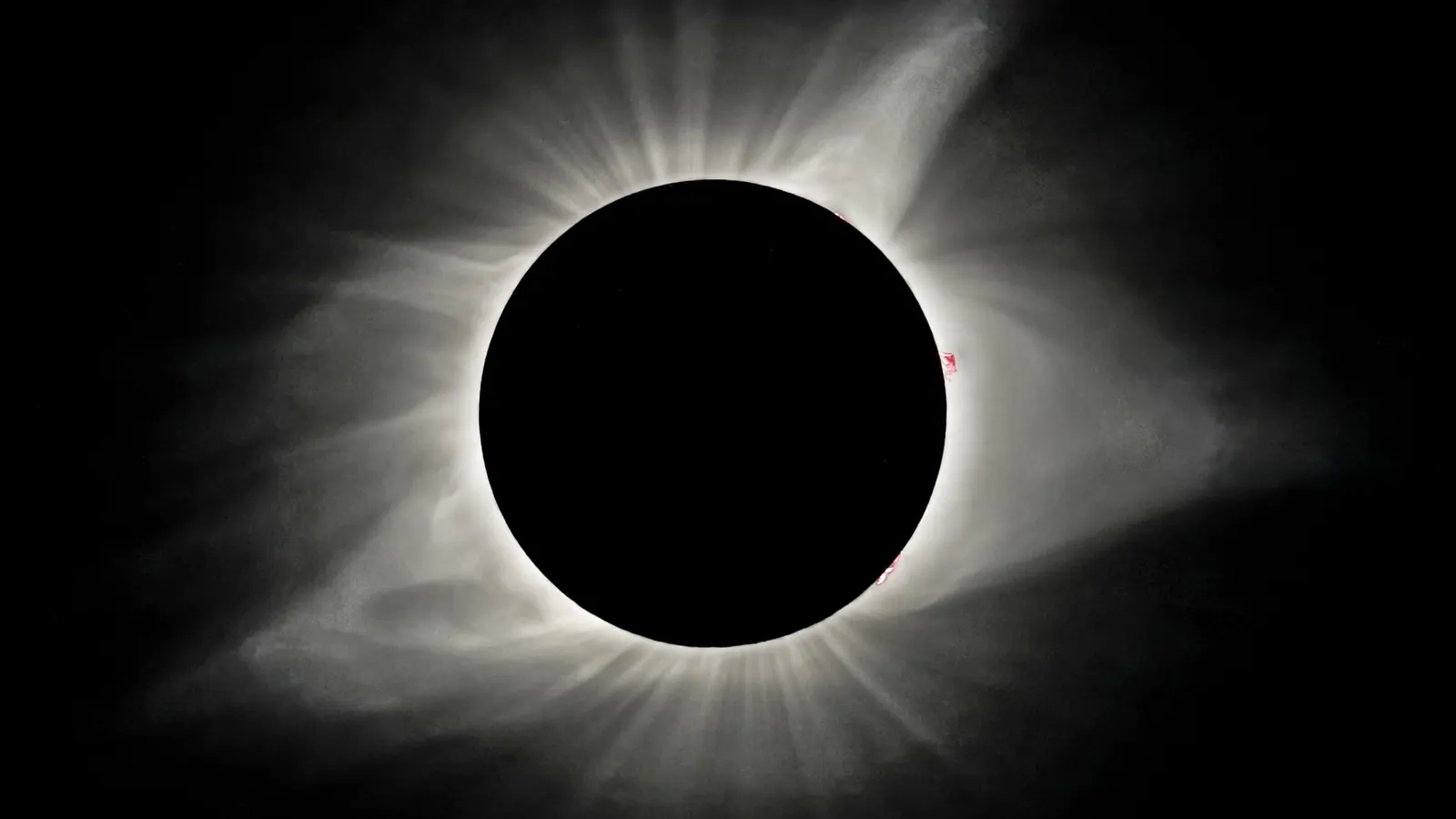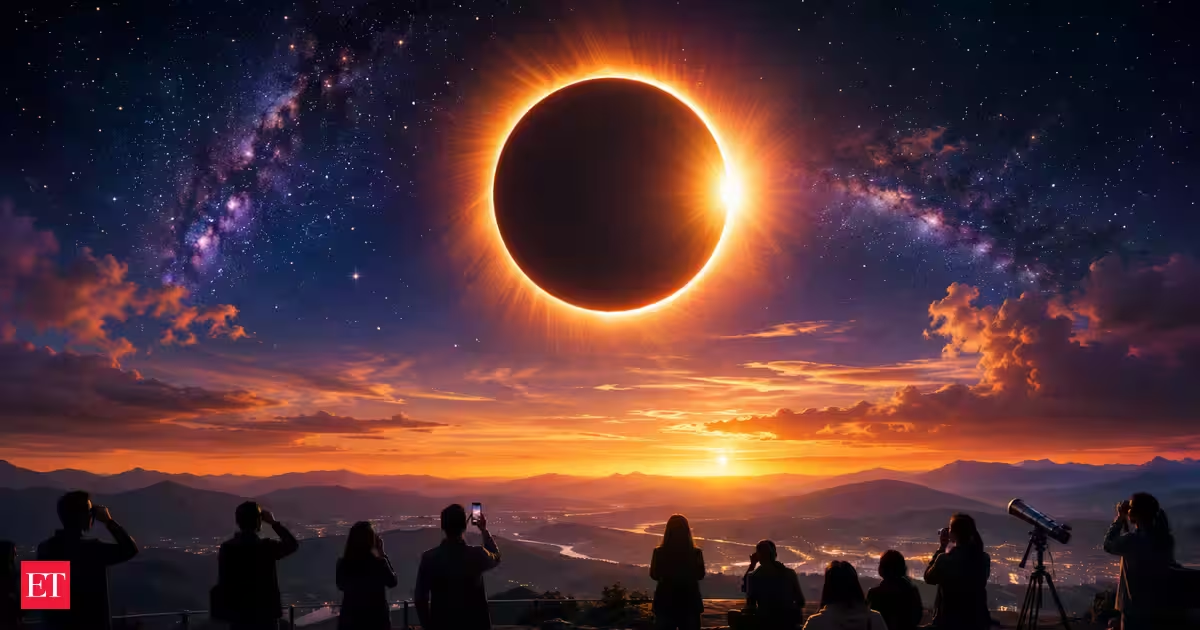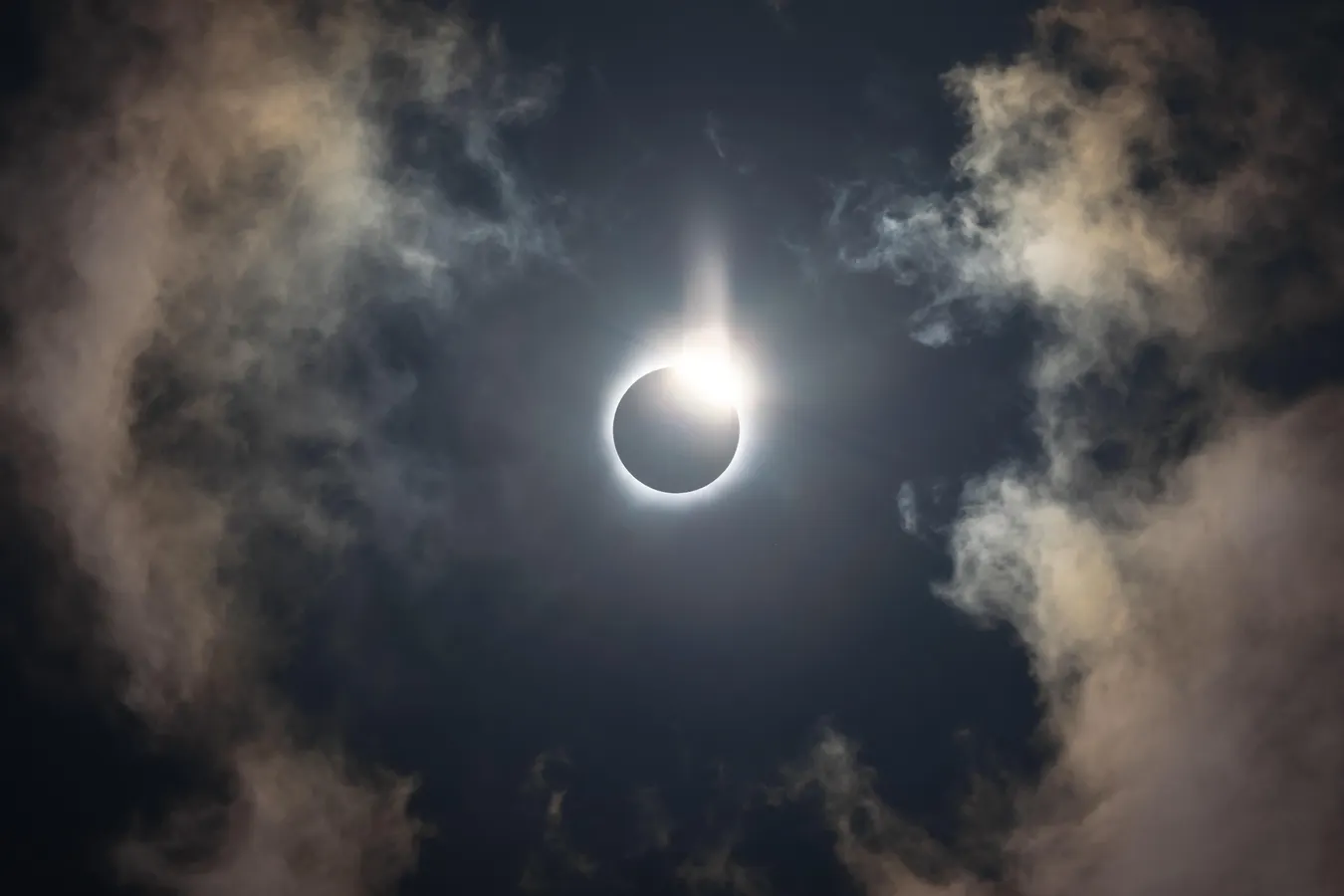
ToplineThe month’s new moon occurs at 5:43 a.m. EDT on Tuesday, July 14, but it is no ordinary reset of the lunar calendar. It’s the final new moon before a total solar eclipse on Wednesday, August 12, when the moon’s dark central shadow will sweep across eastern Greenland, western Iceland, the Atlantic, northern Spain and a small corner of Portugal. For millions more across the Northern Hemisphere, including parts of North America, a partial solar eclipse will be visible. However, before that, you can watch a waxing crescent moon emerge, beginning the countdown to totality. As a bonus, the annual Perseid meteor shower is about to begin, too.The month’s new moon on Tuesday, July 14 is the final new moon before a total solar eclipse on Wednesday, August 12, when the moon’s dark central shadow will sweep across eastern Greenland, western Iceland, the Atlantic, northern Spain and a small corner of Portugal.gettyTimelineTuesday, July 14New moon occurs at 5:43 a.m. EDT, when the moon lies roughly between Earth and the sun, its illuminated side turned away from Earth. After sunset, expert observers in the southern and western U.S. may attempt to spot an extremely thin 0.6%-lit young crescent moon very low in the west-northwest close to Jupiter, though binoculars, a clear horizon and perfect timing will be essential.Wednesday, July 15A 4%-lit waxing crescent moon will be much easier to see after sunset on Wednesday, higher above the western horizon and slightly brighter. Look for “Earthshine,” that eerie glow on the moon’s dark side, caused by sunlight reflecting off Earth and back onto the lunar surface.Thursday, July 16A 10%-lit waxing crescent moon will shine close to Regulus, the brightest star in the constellation Leo, and the 21st brightest in the night sky. Venus will shine to the pair’s upper-left.Friday, July 17A 17%-lit waxing crescent moon tonight shines to the left of Venus in the west after dark. This date also marks the start of the Perseid meteor shower, which runs from July 17 to August 24. It will peak on the night of August 12-13, just hours after a total solar eclipse.A 4%-lit waxing crescent moon will be much easier to see after sunset on Wednesday, July 15. StellariumAn ‘Eclipse Season’ Is ComingThe reason this new moon matters so much is that it belongs to the same lunar sequence that will produce August’s total solar eclipse. Most new moons do not cause solar eclipses because the moon’s orbit is tilted by about five degrees to Earth’s orbit around the sun. Usually, the new moon passes a little above or below the sun in our sky. An eclipse can happen only during an eclipse season — a period of 34/35 days when the sun appears close to one of the two points where the moon’s orbit crosses Earth’s orbital plane. Those crossing points are called the lunar nodes.A map showing where path of totality for the 2026 total solar eclipse.NASA's Scientific Visualization StudioAugust 12’s total eclipse of the sunOn August 12, the alignment between Earth, moon and sun will be precise — for some. As the moon passes directly between Earth and the sun, it will cast a narrow shadow across the planet and briefly reveal the sun’s corona to those in the path of totality. Headline destinations will be Greenland’s Scoresby Sund — where expedition cruise ships full of eclipse chasers are bound for — western Iceland, including the capital Reykjavik, and northern Spain, where totality will occur low in the sky near sunset. Although the total solar eclipse will be total only from Greenland, Iceland and Spain, Europe and North America will still get a partial eclipse on Aug. 12, 2026. (Photo by Dan Kitwood/Getty Images)Getty ImagesNorth America’s eclipseAlthough the total solar eclipse will be total only from Greenland, Iceland and Spain, Europe and North America will still get a partial eclipse. The best views from North America will be in eastern Canada and the northeastern U.S. St. John’s, Newfoundland and Labrador will see 53% of the sun covered, Halifax 31%, Saint John 28%, Québec City 24%, Boston 16% and New York 10%. Eclipse glasses or front-mounted solar filters will be essential at all times.After sunset, the Perseid meteor shower peaks under a new moon for everyone in the Northern Hemisphere, giving skywatchers a rare chance to see two celestial events in one day.Further readingForbes50 Days To A Total Solar Eclipse — Where And When To Experience ItBy Jamie CarterForbes7 Spectacular Stargazing Events To See This SummerBy Jamie CarterForbesYour Full Moon Guide For 2026 — All 13 Dates For Your DiaryBy Jamie Carter
Tuesday’s New Moon Sets Up A Total Solar Eclipse In 29 Days
A new moon on July 14 starts the countdown to the August 12 total solar eclipse, while the first waxing crescent and the opening of the Perseid meteor shower follow.
762 words~3 min read