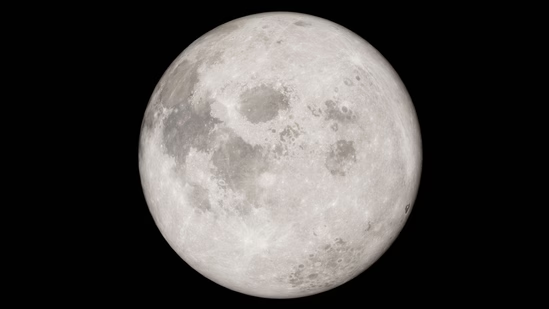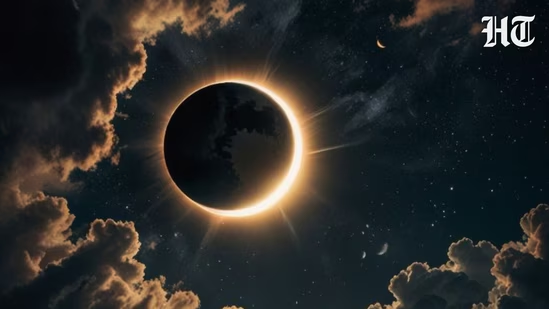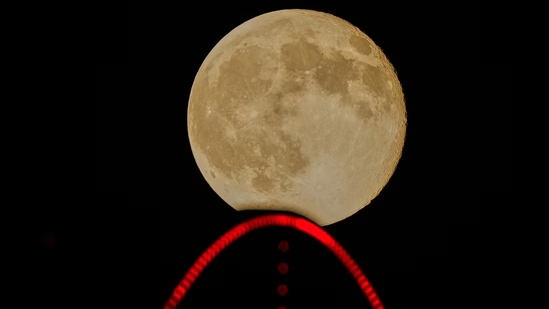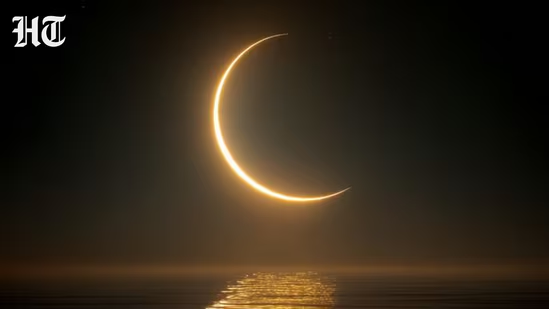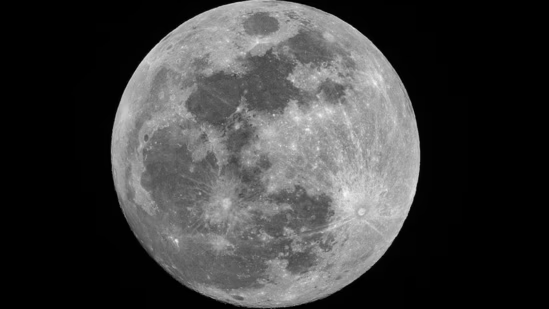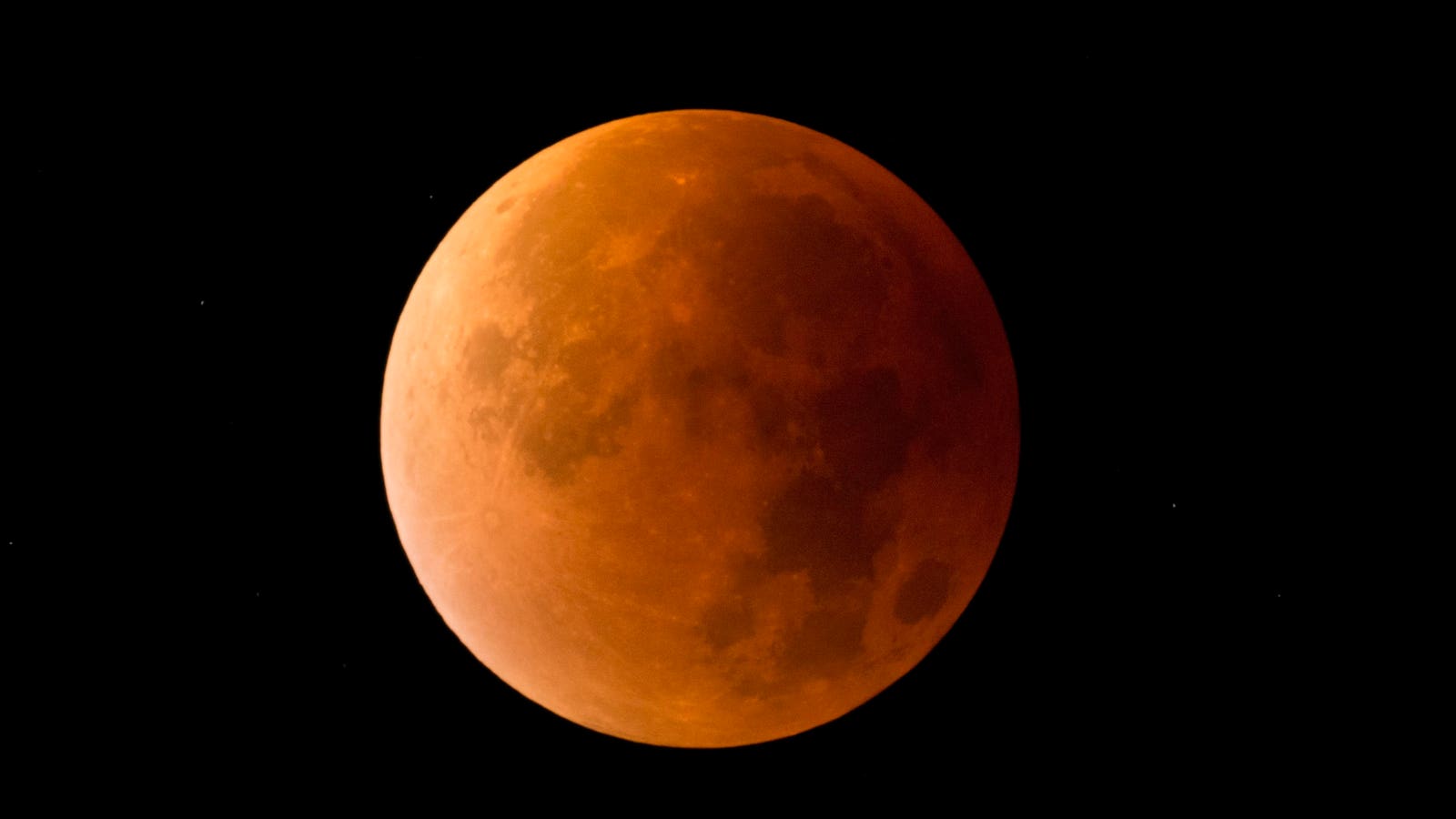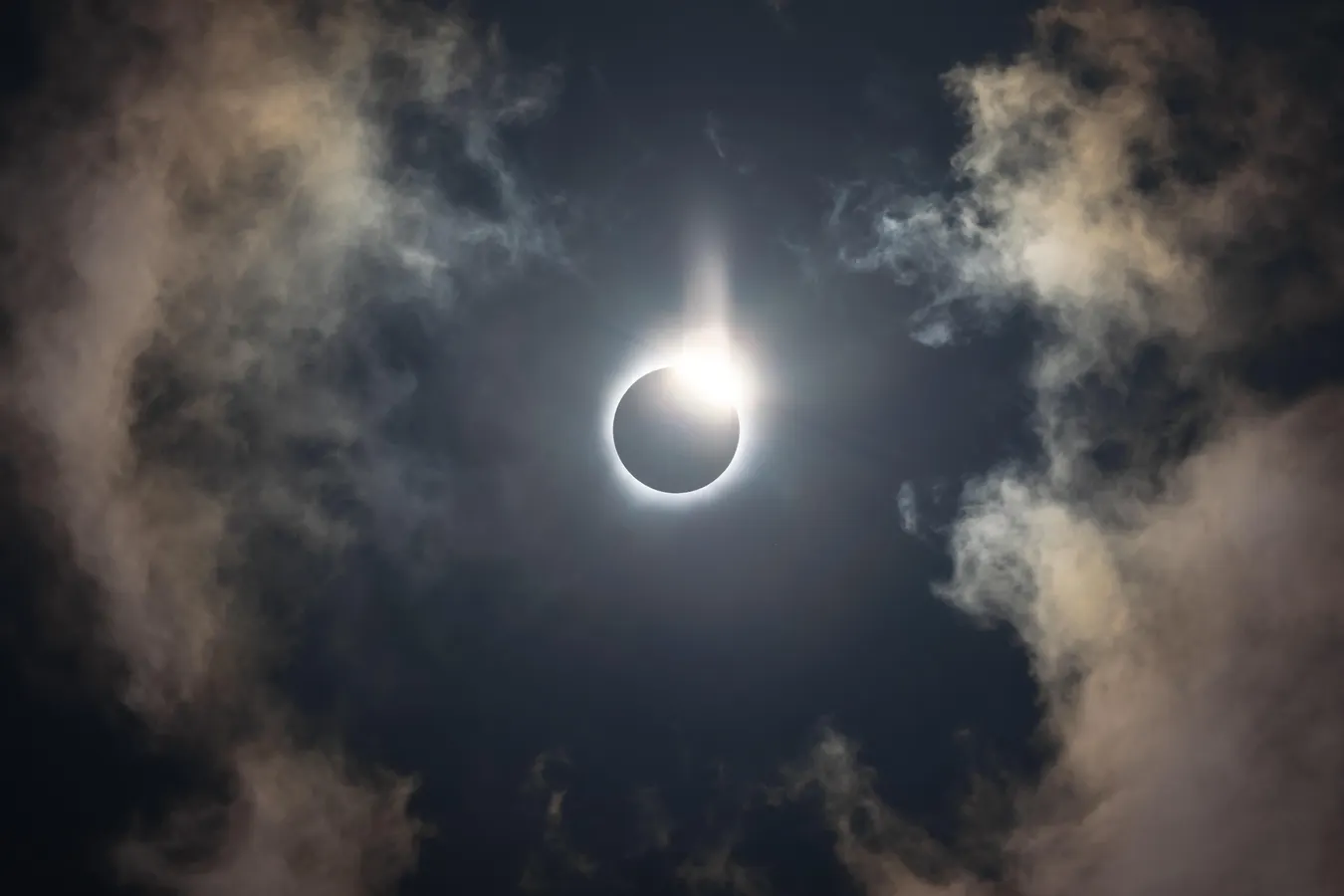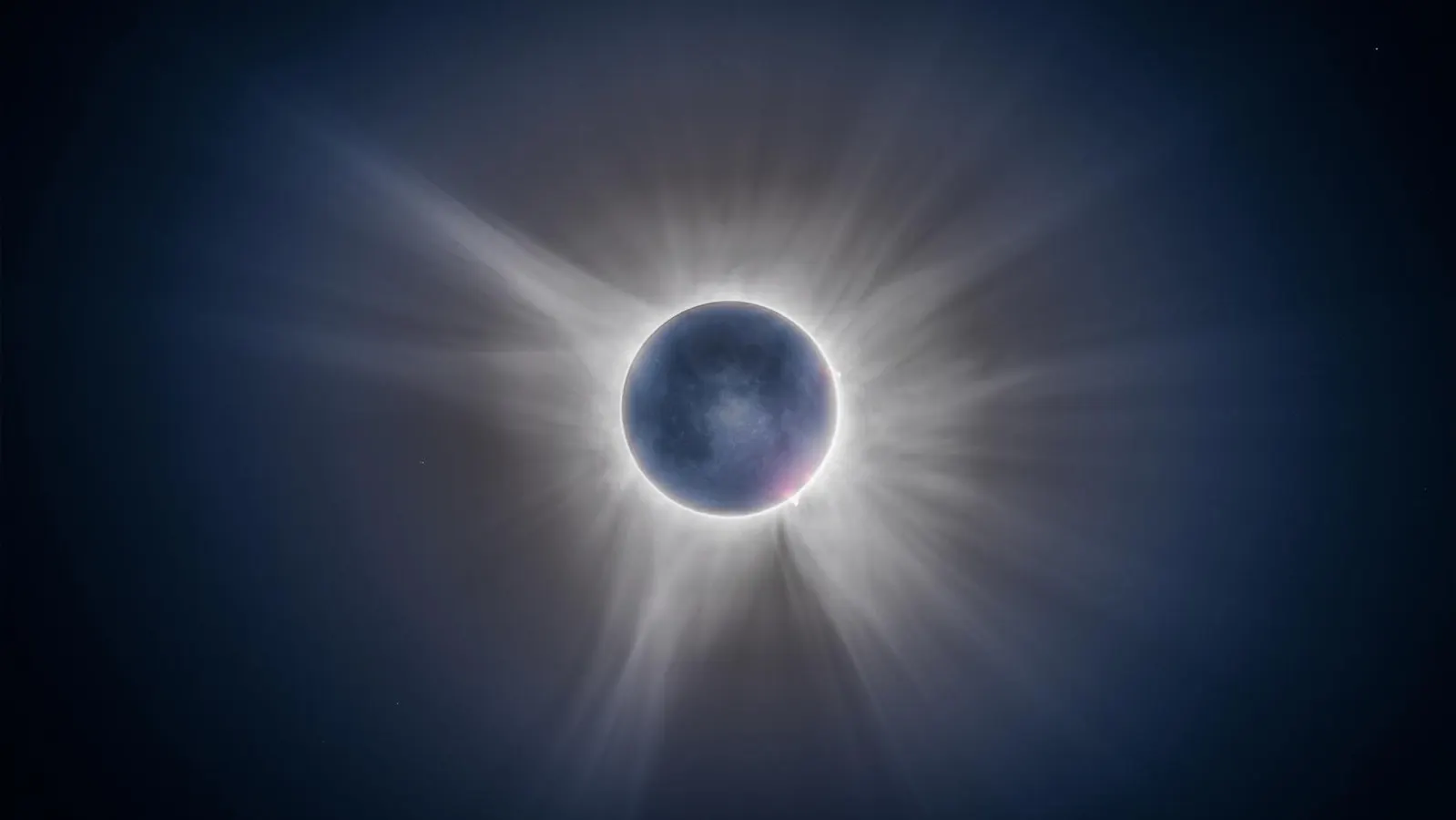
Today’s super new moon is 2026’s closest new moon, with a similar phenomena on August 12, 2026, causing a total solar eclipse, pictured here.gettyToday’s new moon — Monday, June 15 — will largely go unnoticed. It is, after all, roughly between the Earth and the sun, so lost in the glare of our star. However, it’s not just an invisible lunar phase. Although it cannot be observed, it’s the closest the moon gets to Earth in 2026, making it the most extreme lunar event of 2026 — a “super new moon.”At 02:54 UTC on June 15, the new moon was 221,967 miles (357,221 kilometers) from Earth, according to AstroPixels. Lunar perigee — the point in the moon’s monthly orbit when the moon is nearest to Earth — occurred just three hours and 36 minutes earlier, late on June 14. That tight timing makes June 15 the closest super new moon of 2026.What Is A ‘Super New Moon?’A supermoon occurs when a full moon or new moon happens near lunar perigee. Full supermoons get all the attention because they can appear slightly larger and brighter than usual in the night sky — they’re major observing events.A super new moon is different. During a new moon, the moon sits between Earth and the sun, with its illuminated side facing away from us. That is why even an unusually close new moon generally cannot be seen.A super new moon still matters. With no bright moonlight washing out the sky, new moon nights are among the best times for stargazing, astrophotography and deep-sky observing. And it will have a heightened effect on tides.MORE FOR YOUChristmas Eve Brings The Closest Full SupermoonWhile June 15 sees the closest super new moon of 2026, the year’s most eye-catching supermoon is yet to come. At 01:28 UTC on December 24 — Christmas Eve — the “Cold Moon” will be 221,668 miles (356,740 kilometers) from Earth, ever so slightly closer than the June new moon. And unlike the June new moon, this full-moon supermoon will be visible, bright and large in the night sky — watching it rise in the east at dusk on Christmas Eve is sure to be one of the most memorable night sky events of 2026.The second-closest full-moon supermoon of 2026 occurs on Nov. 24, when the moon will be 224,171 miles (360,768 kilometers) from Earth. The third-closest comes on January 3, at 225,130 miles (362,312 kilometers).The Closest ‘Super New Moons’ In 2026There are five super new moons in 2026, each occurring when the moon is relatively close to Earth. The closest is today’s, the second closest occurred last month, and the third closest arrives on July 14, when the moon will be 223,789 miles (360,154 kilometers) away, about 26 hours after perigee. The fourth closest occurred on April 14, and the final super new moon of the year occurs on Aug. 12 — and that one will be visible.August 12’s Total Solar EclipseThe August 12 super new moon will be especially significant because it causes a total solar eclipse — the only circumstance in which a new moon can become spectacularly visible, not as a bright lunar disk, but as the dark silhouette that covers the sun.The super new moon will be close enough to Earth — and therefore large enough in the sky — to completely cover the sun, sending a dark shadow about 180 miles wide across parts of Greenland, Iceland and Spain. Along that narrow path of totality, day will briefly turn to night, temperatures will dip, and the sun’s corona will appear around the moon, looking like a “hole in the sky.” North America will miss totality, but eastern Canada and the northeastern U.S. will see a small partial eclipse. Eclipse glasses will be essential throughout. After sunset, the Perseid meteor shower peaks under dark skies, making August 12 a standout astronomy date.Wishing you clear skies and wide eyes.
Today’s New Moon Is 2026’s Closest — And A Rare ‘Supermoon’ You Can’t See
Today’s super new moon is 2026’s closest new moon, with a similar phenomena in August causing a total solar eclipse.
649 words~3 min read