ByJamie Carter,
Senior Contributor.
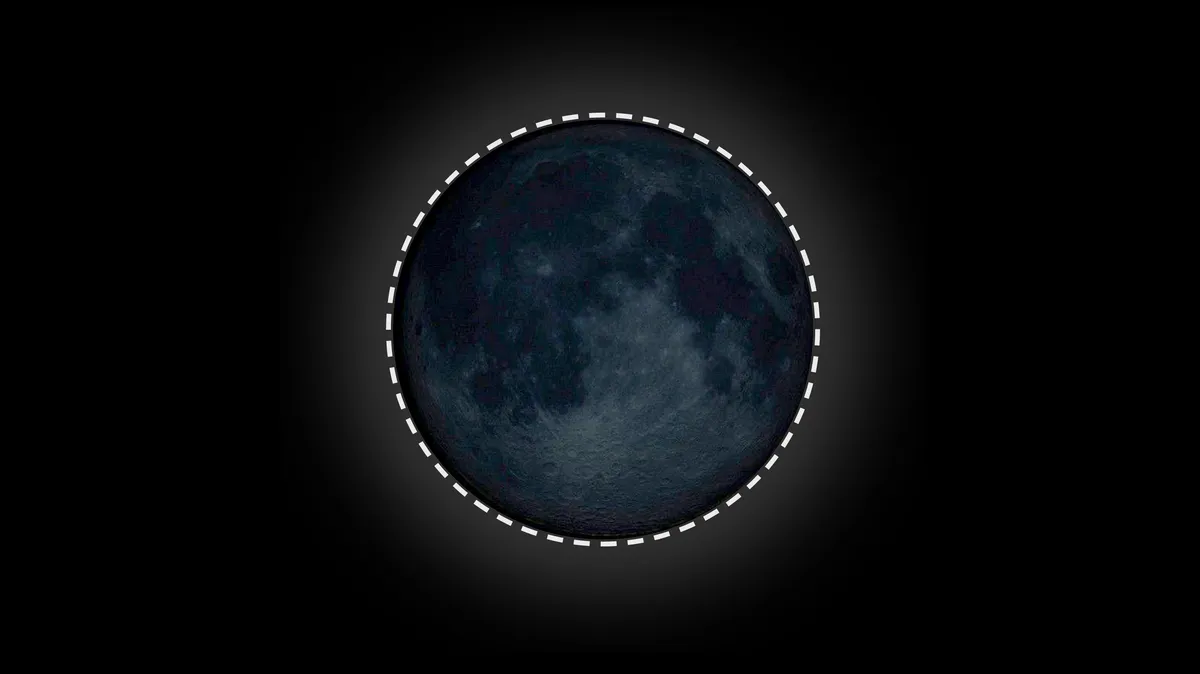
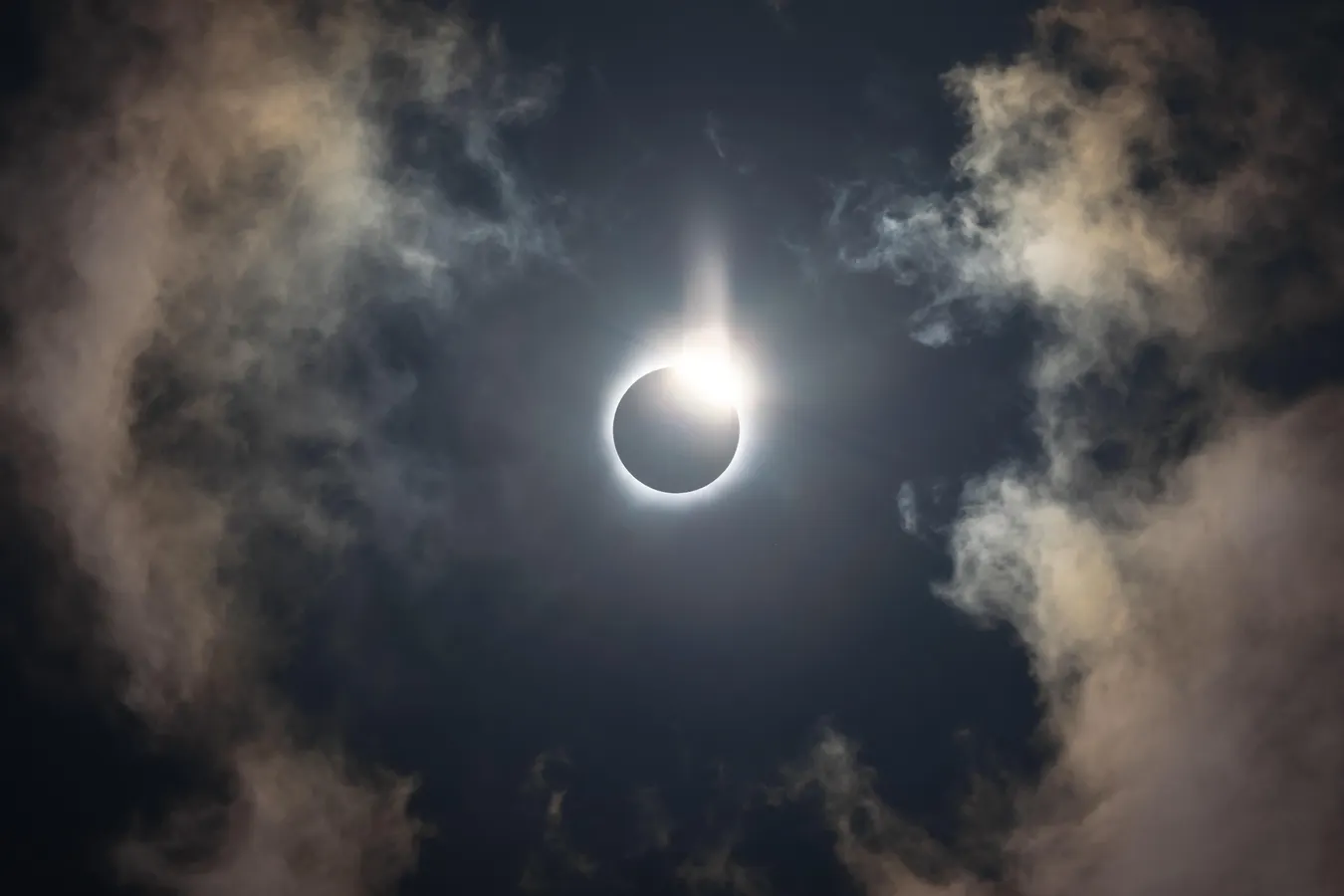
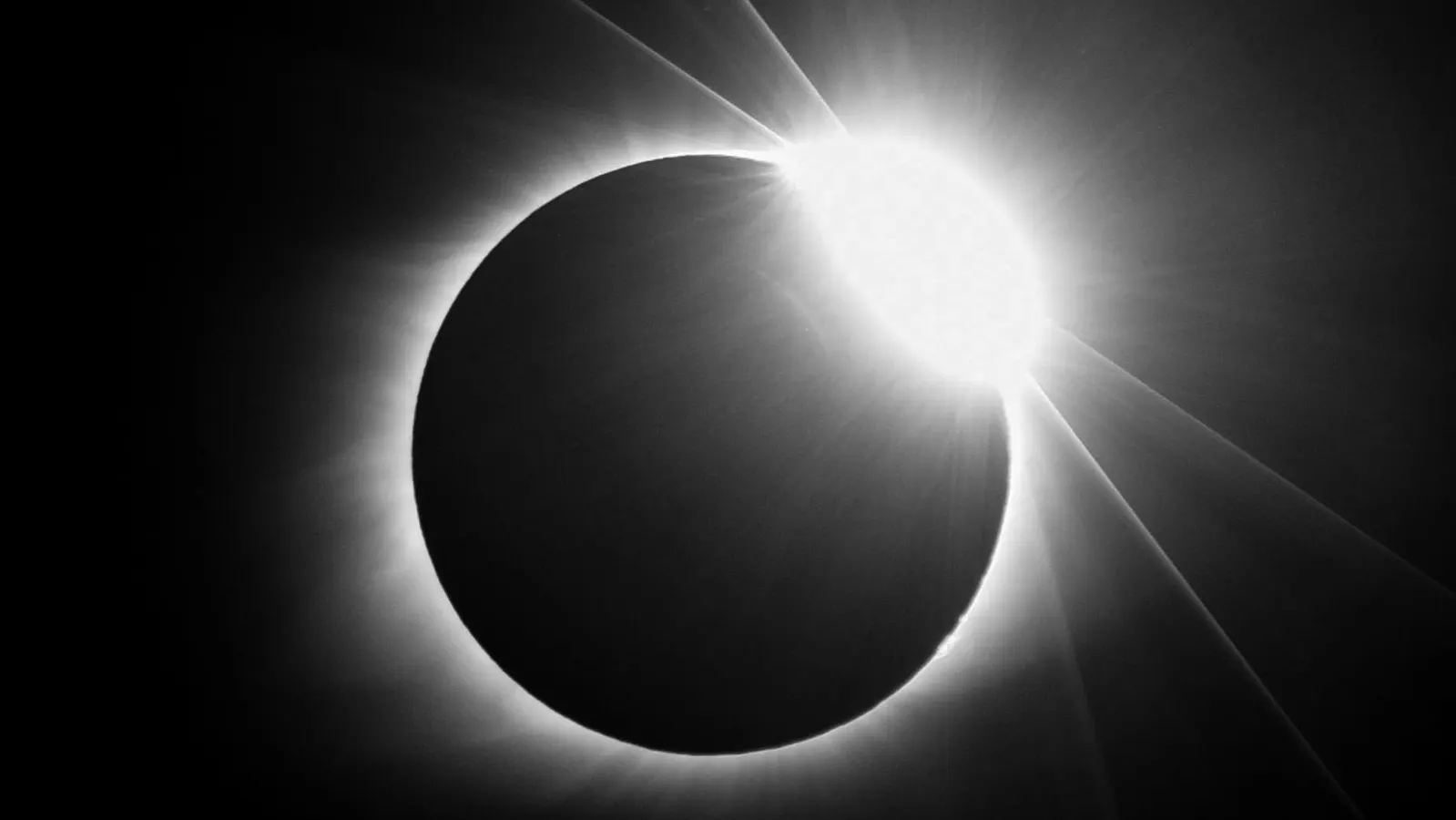
The new moon on Saturday, Aug. 23, will pass unseen. Lost in the sun’s glare, it will get closest to our star — from Earth’s point of view — at precisely 2:06 a.m. EDT. Lost in the sun's glare, its absence from the night sky signals the end of one orbit of the Earth by the moon, and the beginning of another, but this month it sets up not one, but three eclipses — one lunar and three solar — stretching through 2044.
Solar eclipses always occur at new moon (when the moon is between Earth and the sun) and lunar eclipses at full moon (when Earth is between the sun and the moon).
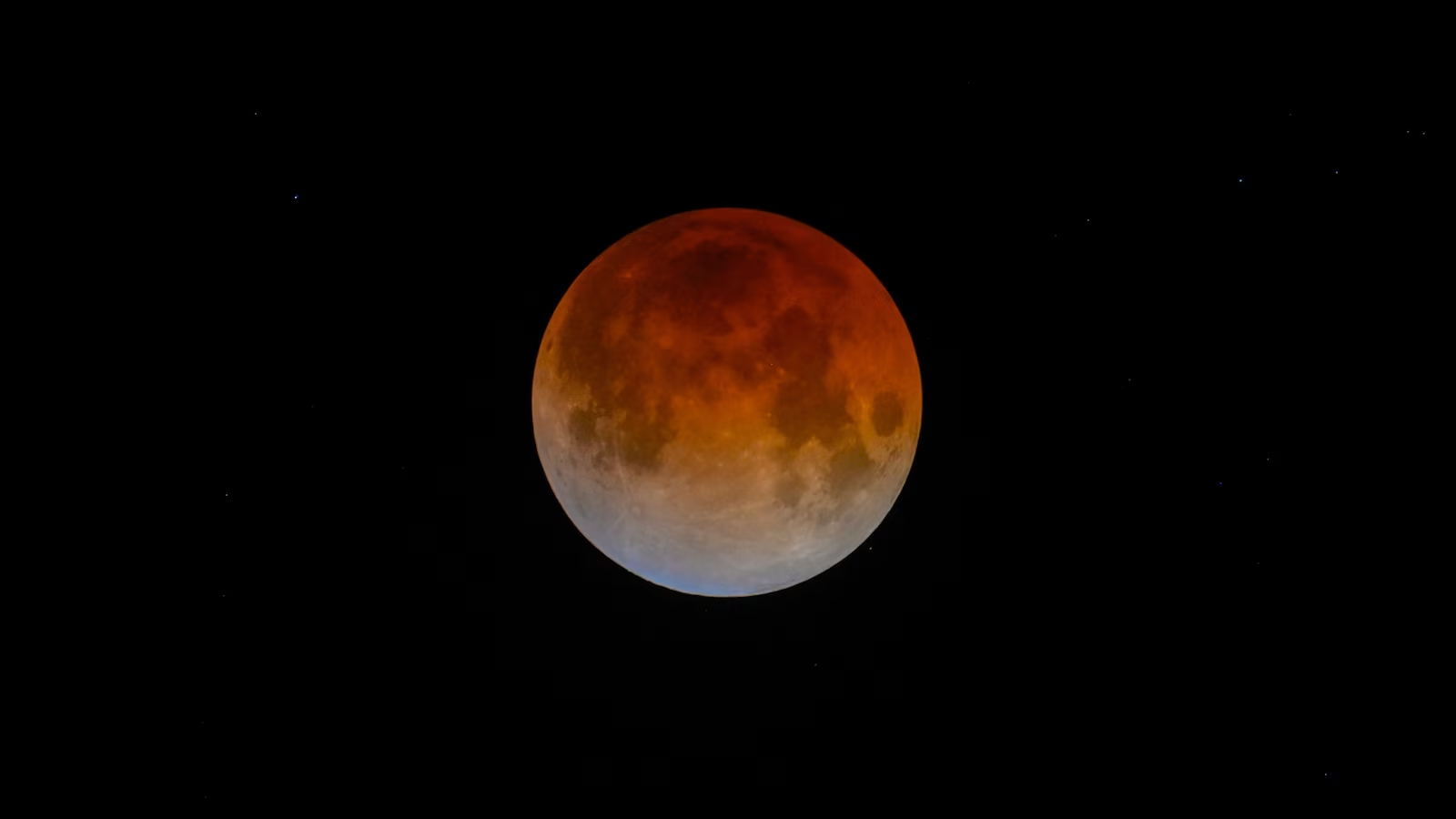
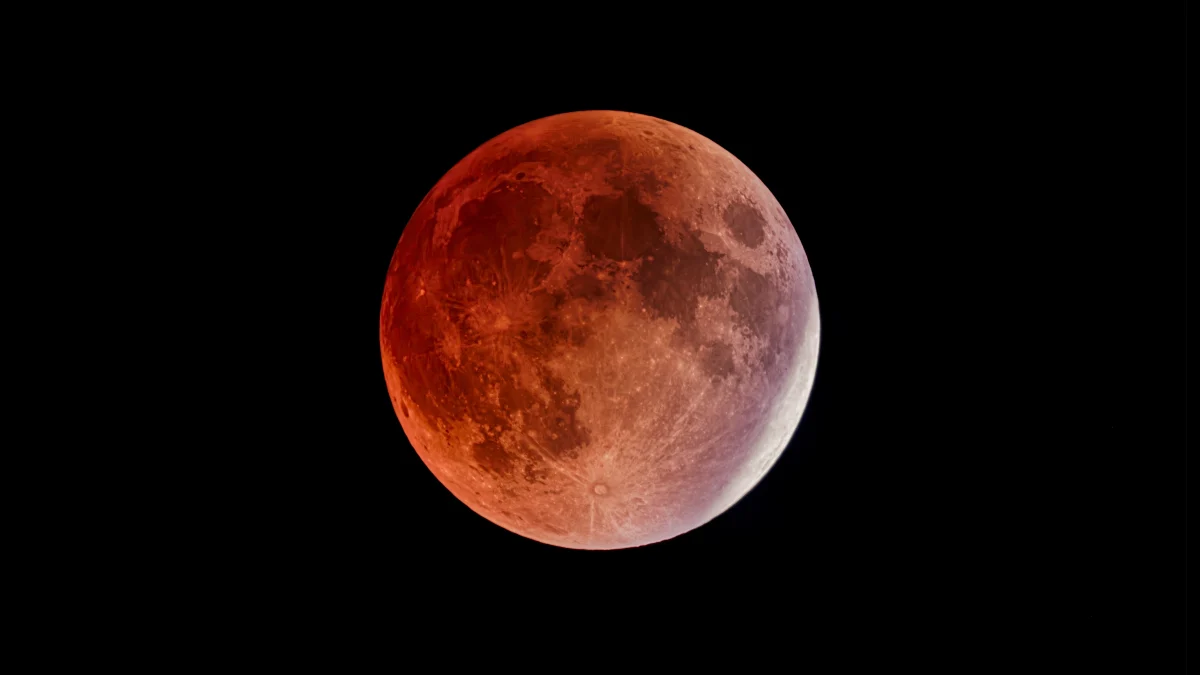
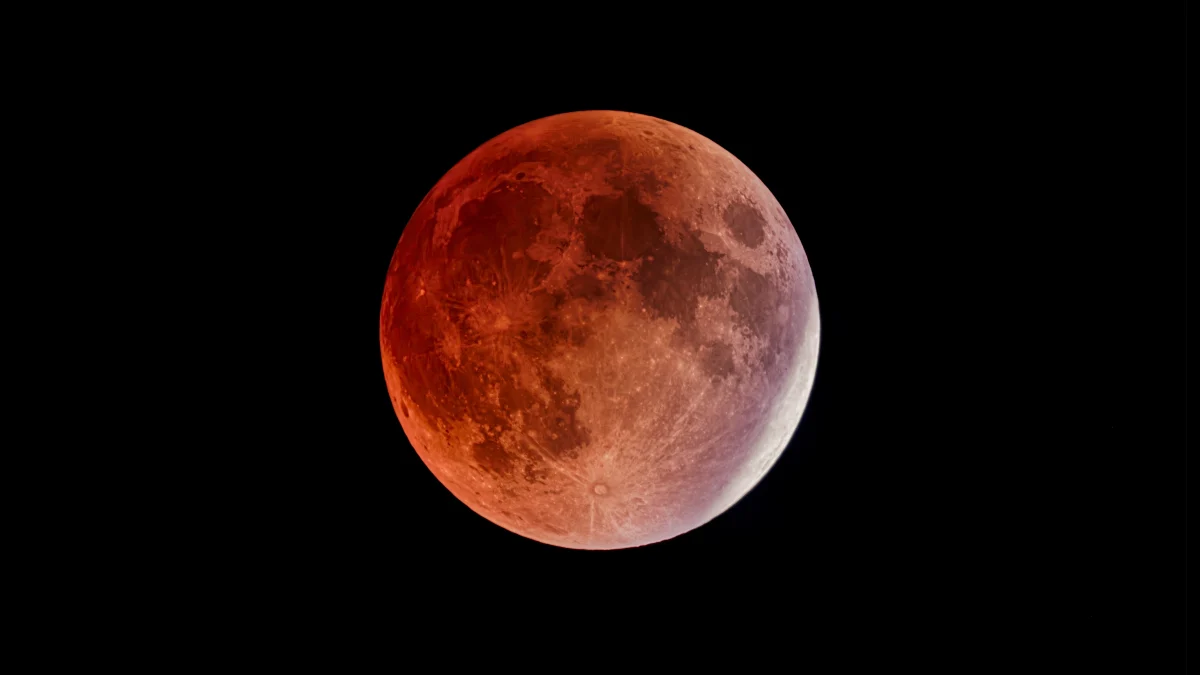
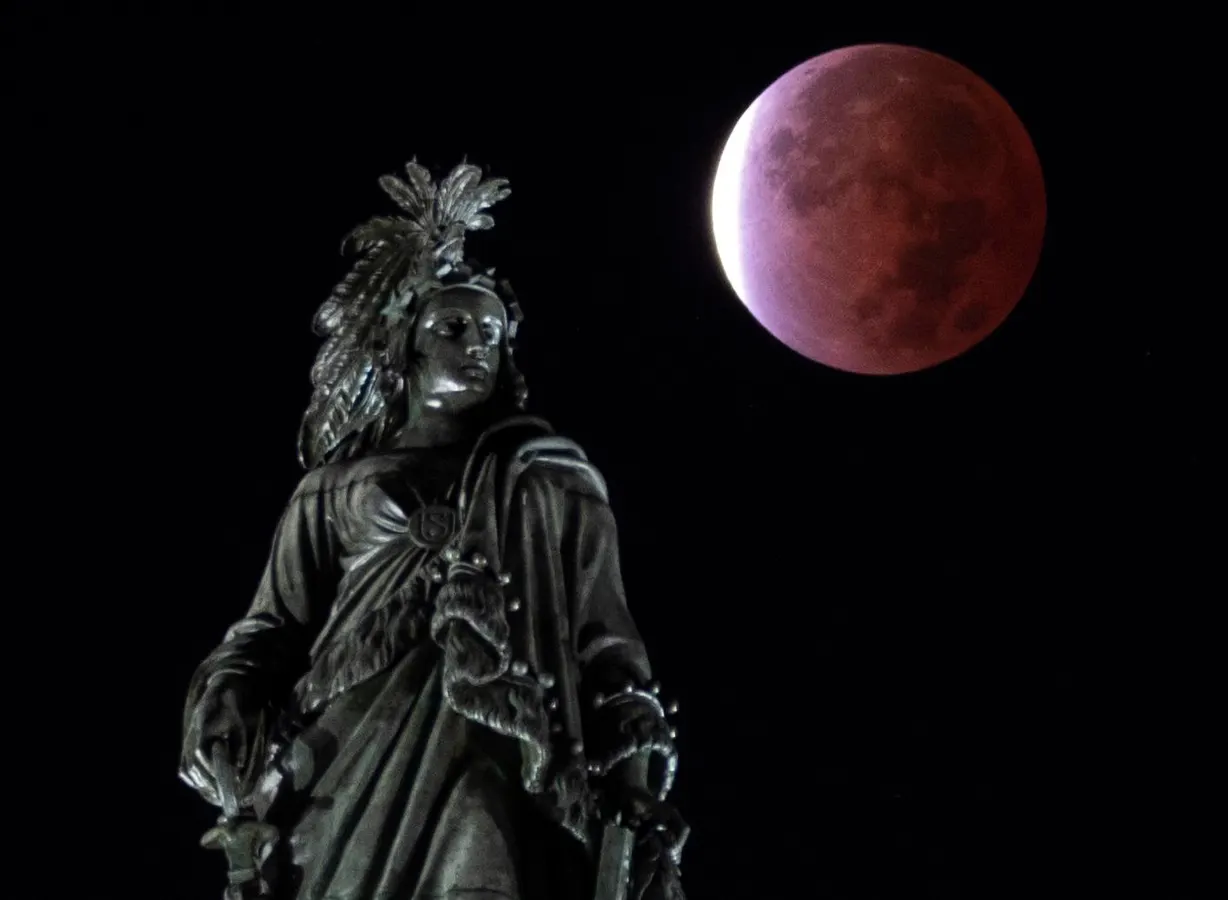
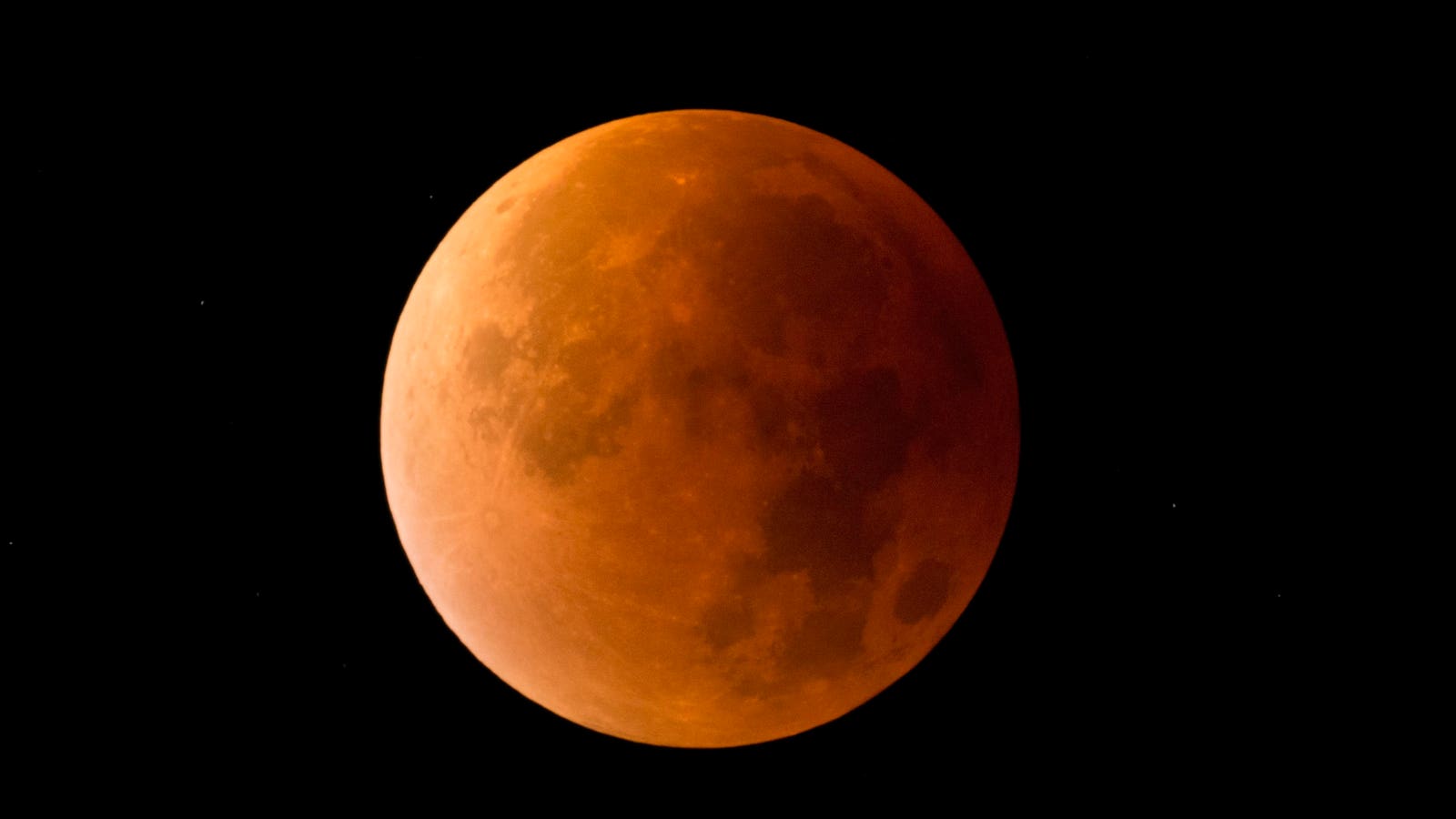
Two weeks after the new moon on Saturday, Aug. 23, there will be a full Corn Moon on Sunday, Sept. 7. Although from North America it will seem a regular full moon, skywatchers in Asia, Australia and parts of the Pacific will see a total lunar eclipse.