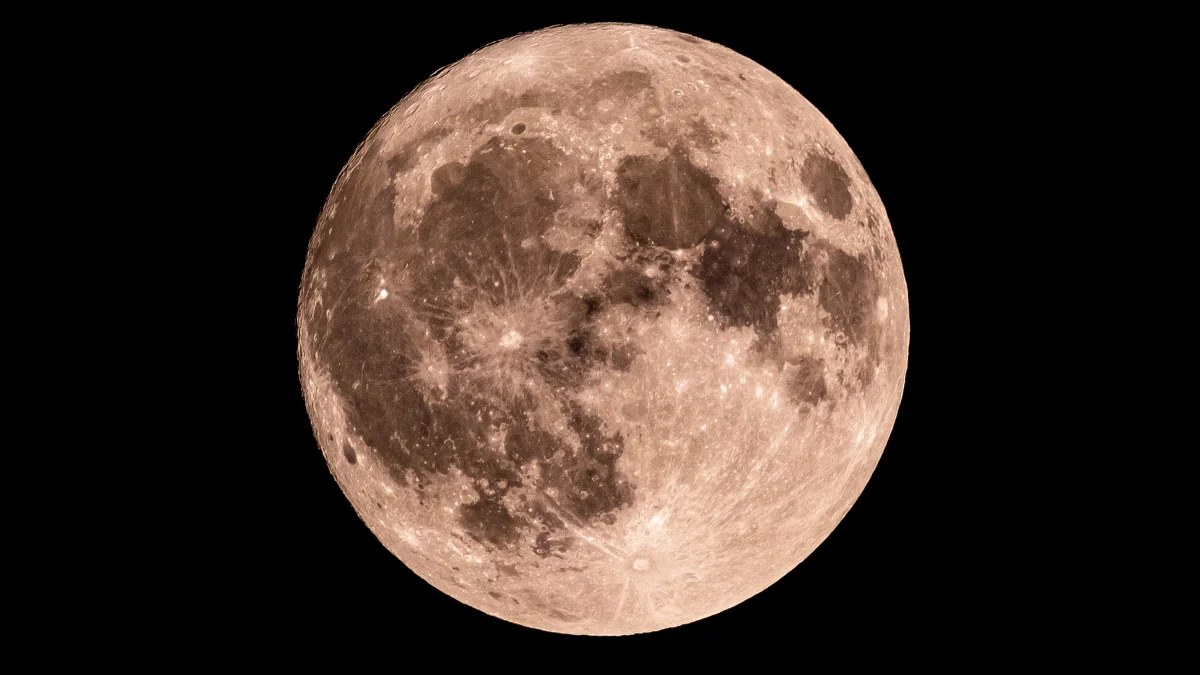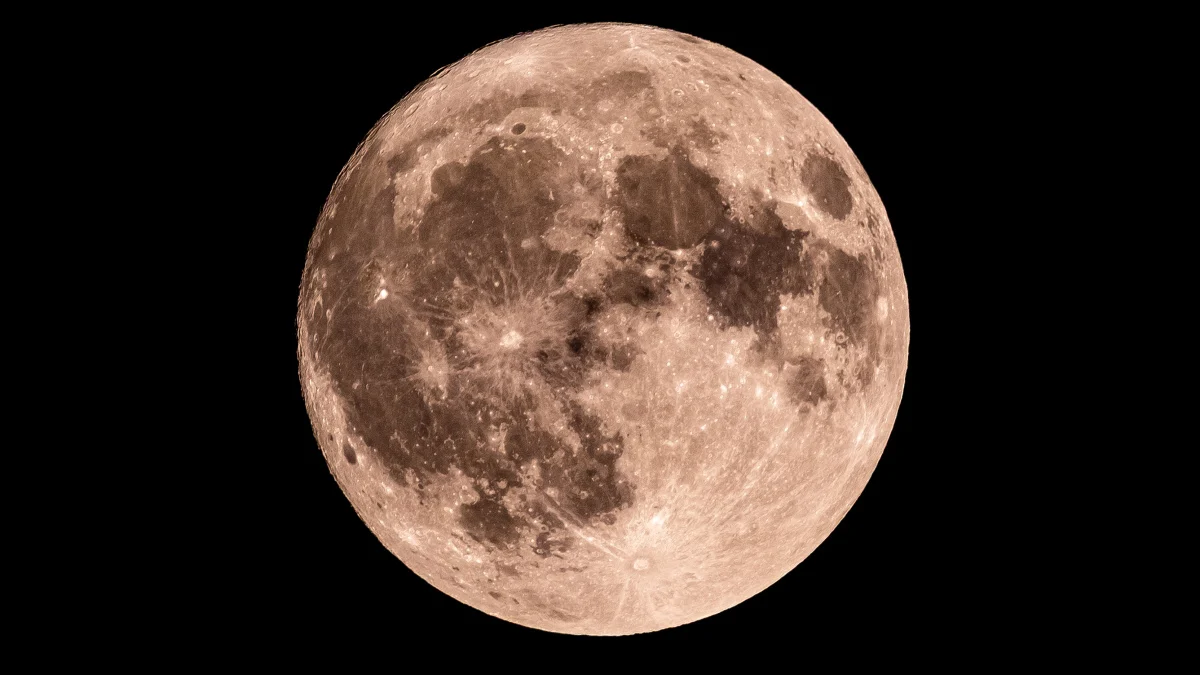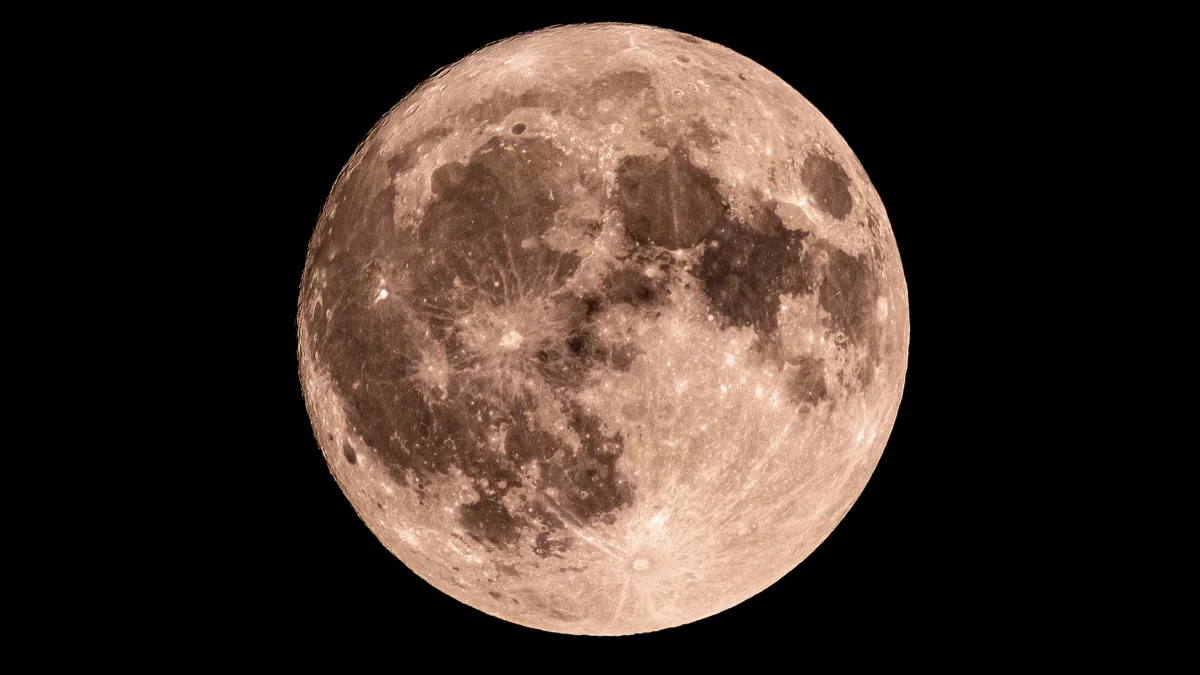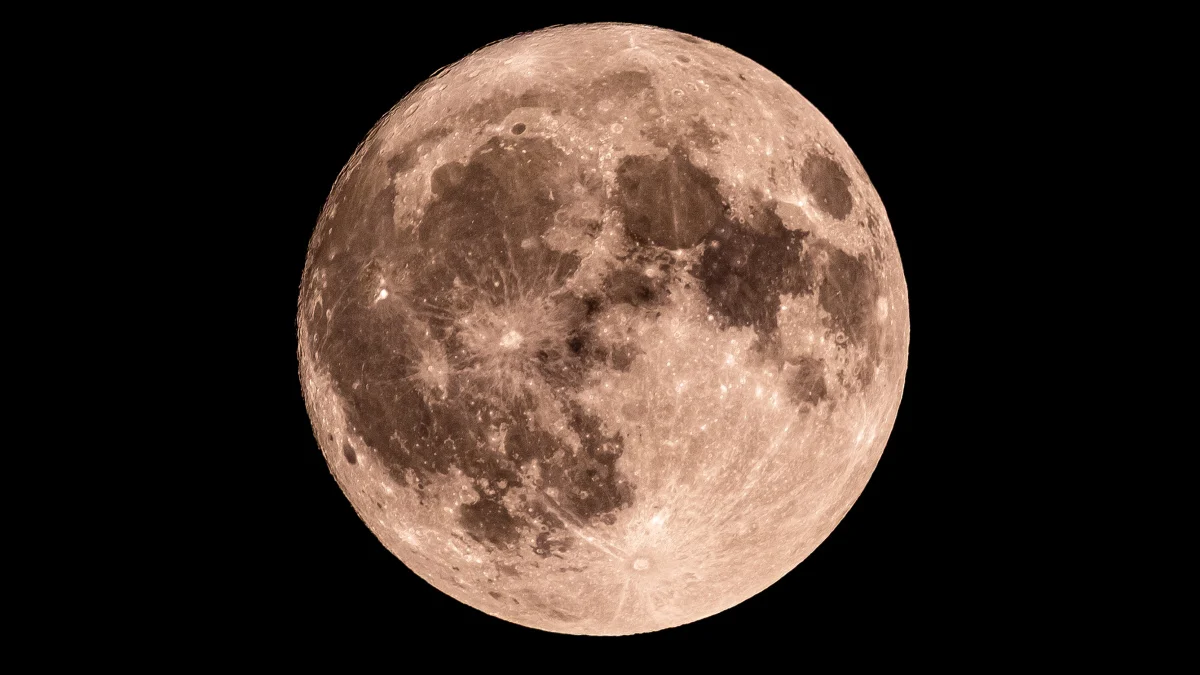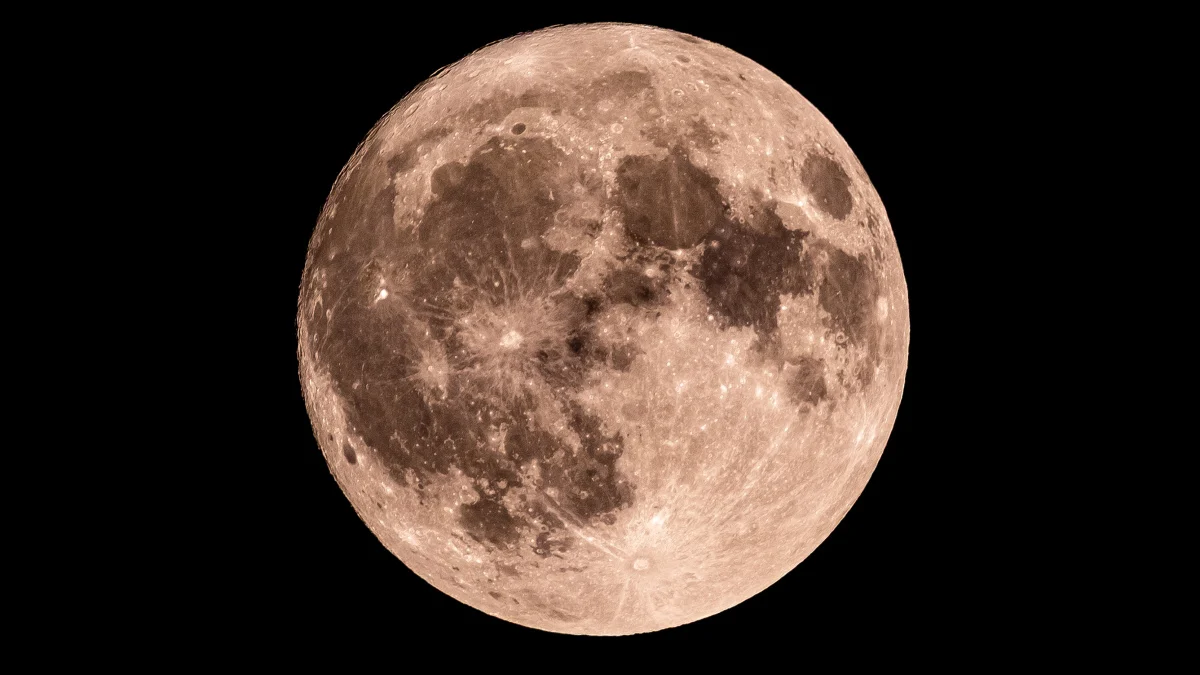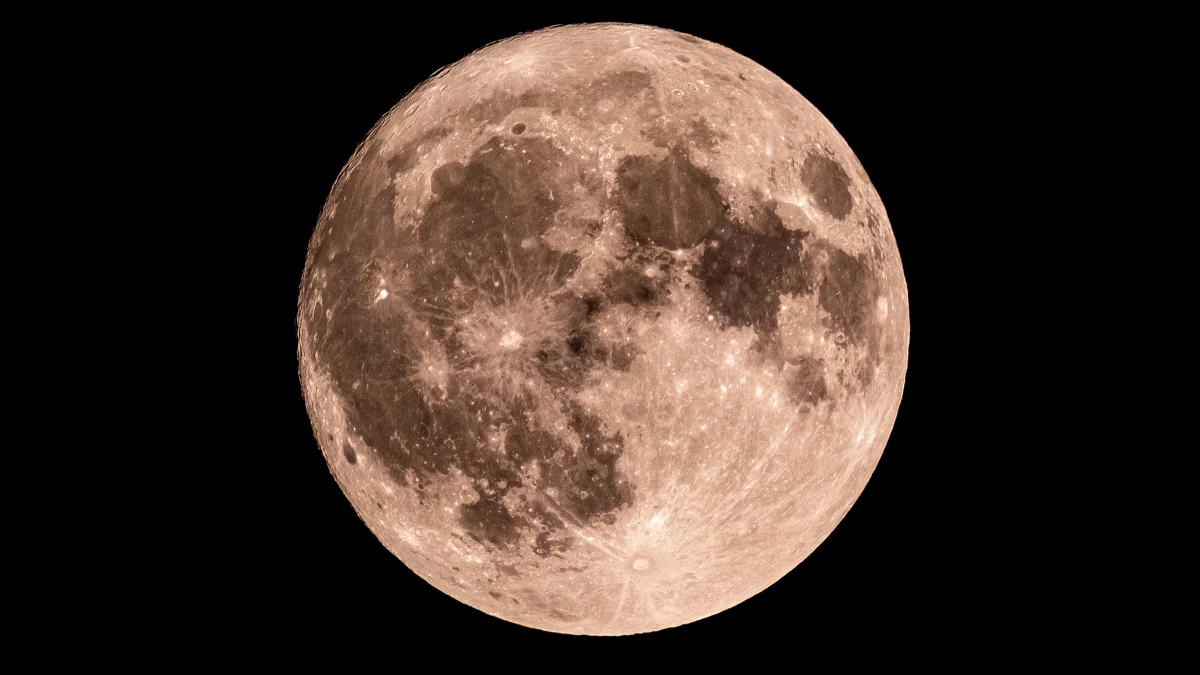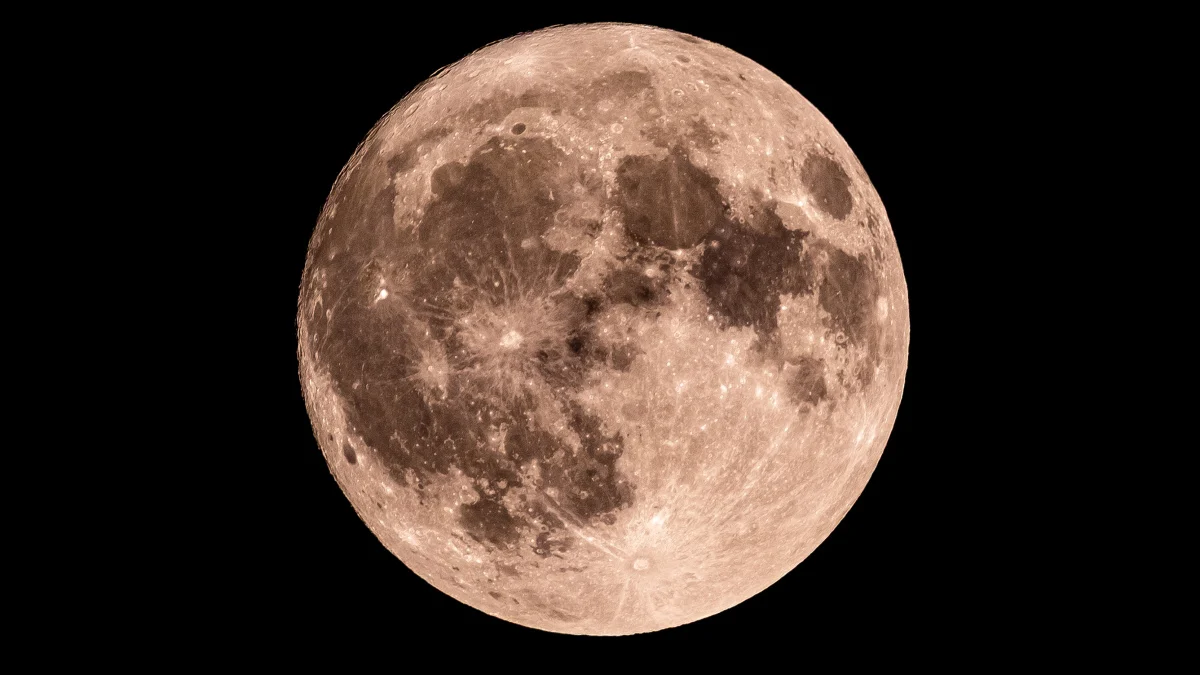
The Moon has now entered its final stretch of the lunar cycle before the New Moon. Over the next few nights, the illuminated portion visible from Earth will continue to decrease until it disappears completely from view.What is today’s Moon phase?As of Thursday, July 9, NASA's Daily Moon Guide tracker tells us the Moon phase is in its Waning Crescent phase, with 34% of its surface visible. Tonight when you look up without any visual aids you'll see just the Oceanus Procellarum and the Kepler Crater. With binoculars or a telescope, you'll see this plus the Grimaldi Basin, Mare Humorum, and the Gassendi Crater.
You May Also Like
When is the next Full Moon?The next Full Moon will take place on July 29.What are Moon phases?According to NASA, the Moon takes roughly 29.5 days to orbit Earth, passing through eight distinct phases during that time. While the same hemisphere of the Moon is always turned toward Earth, the portion lit by the Sun changes as it moves along its orbit. This shifting illumination makes the Moon look like it’s changing shape over the course of the month, cycling through crescents, quarter phases, and the bright Full Moon. This regular sequence is known as the lunar cycle.New Moon - The Moon is between Earth and the sun, so the side we see is dark (in other words, it's invisible to the eye).