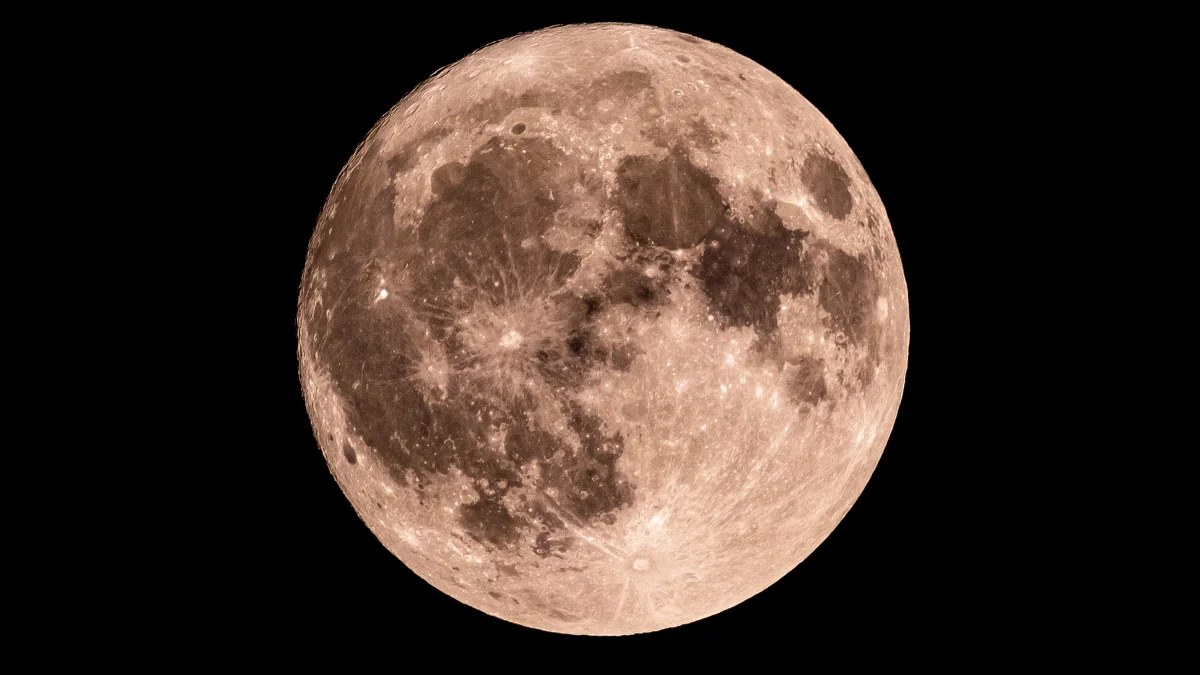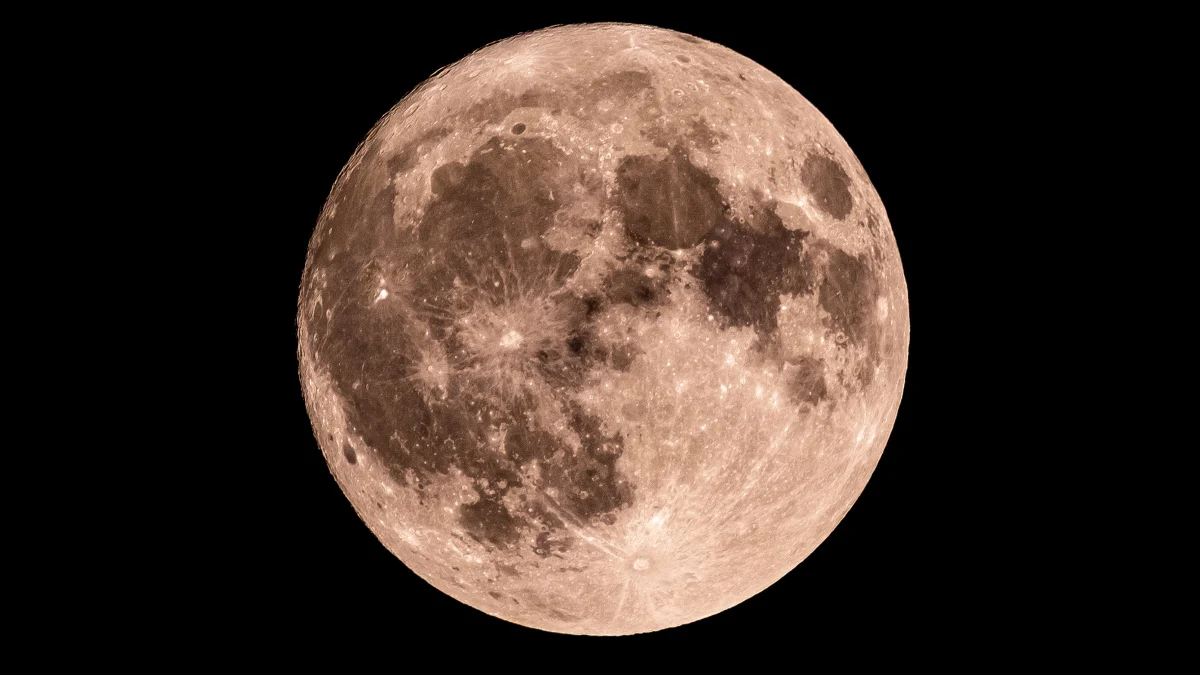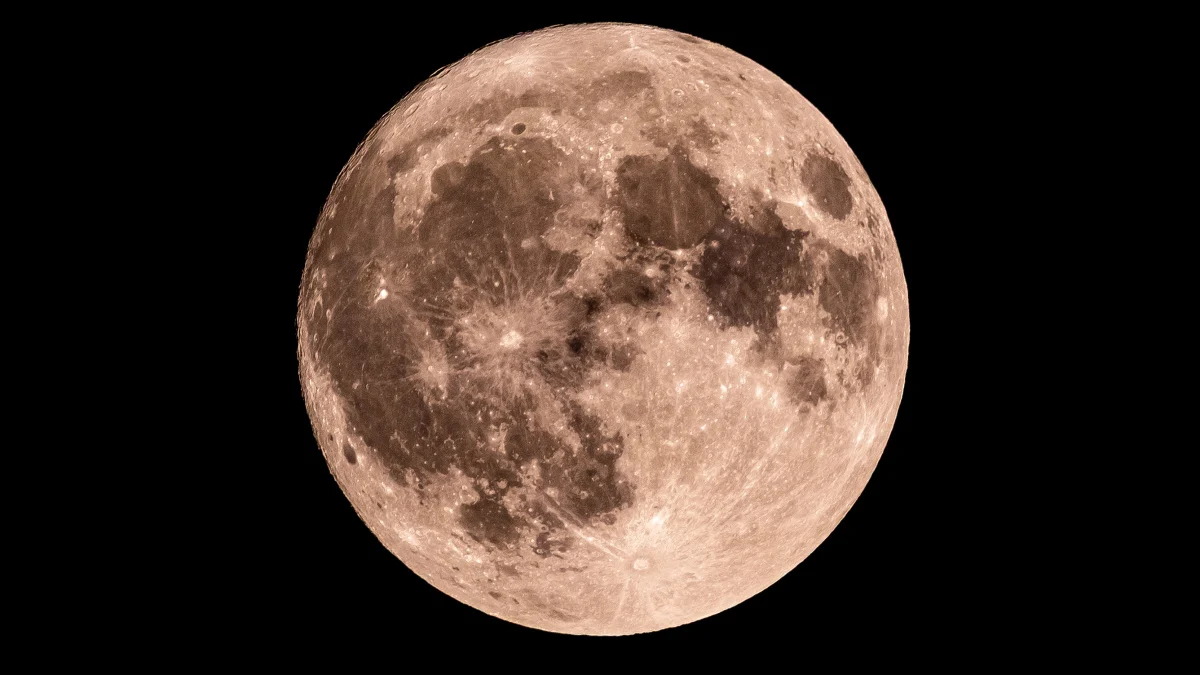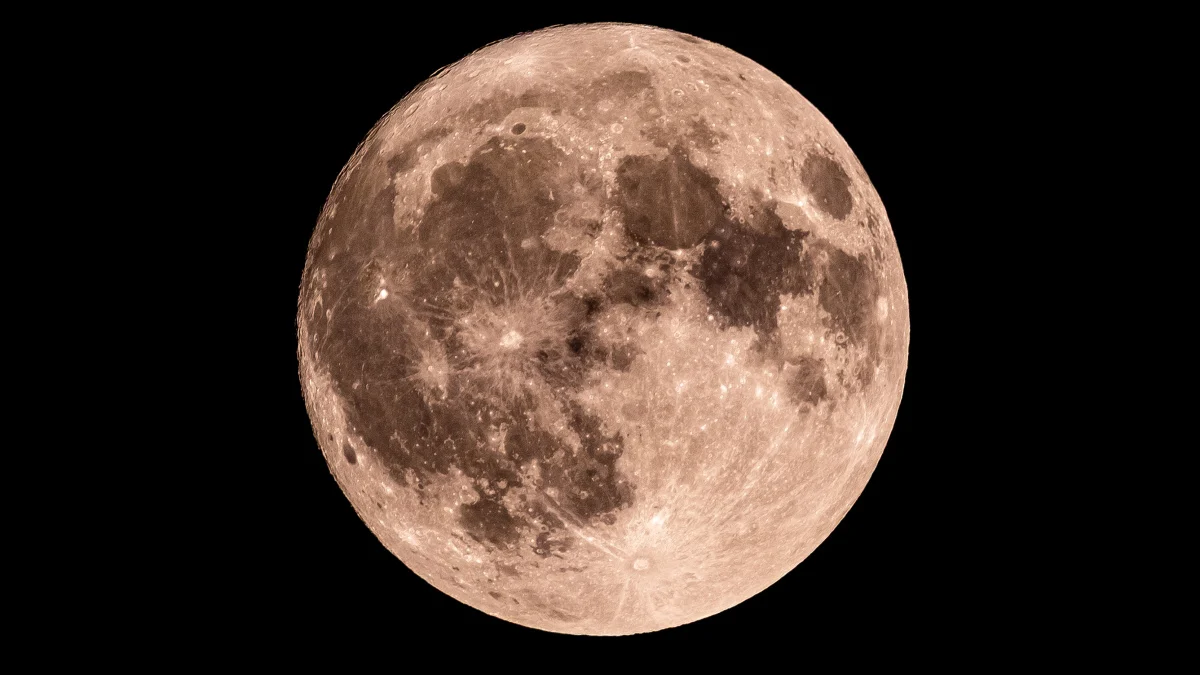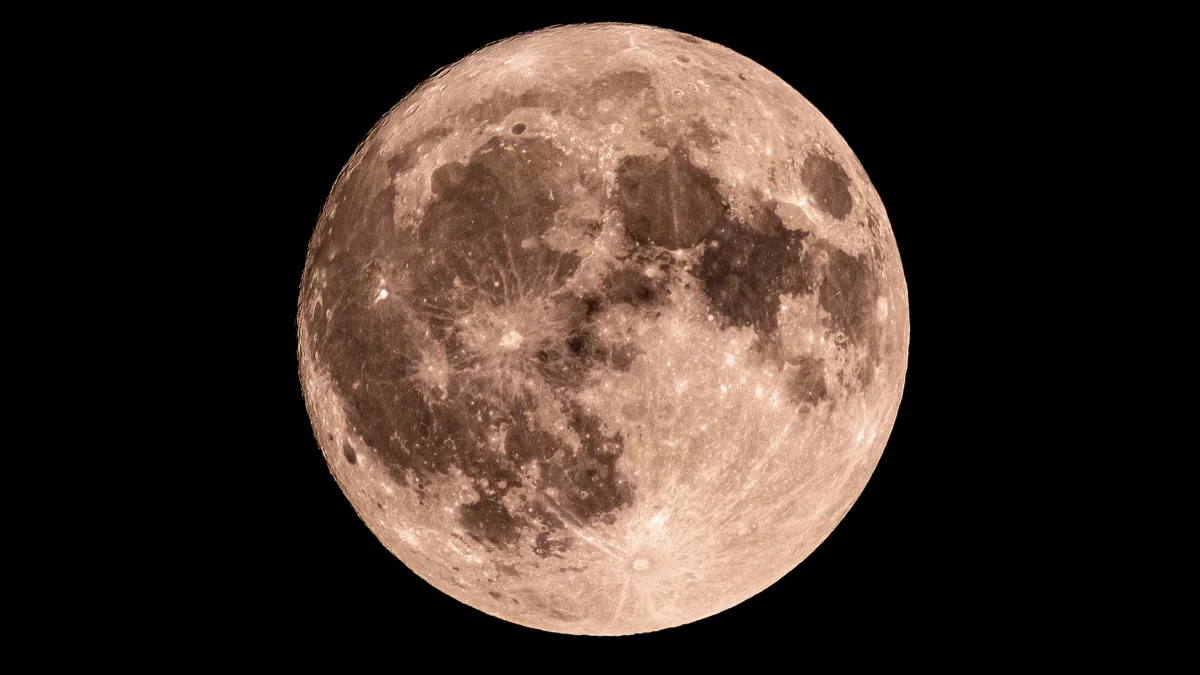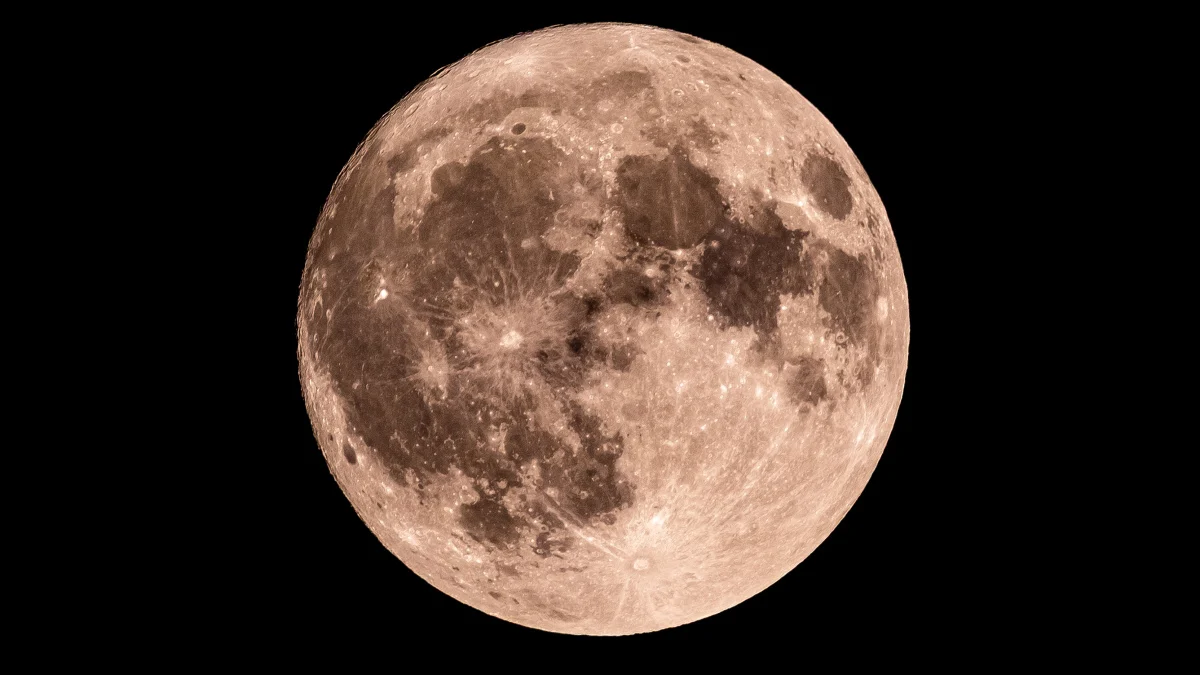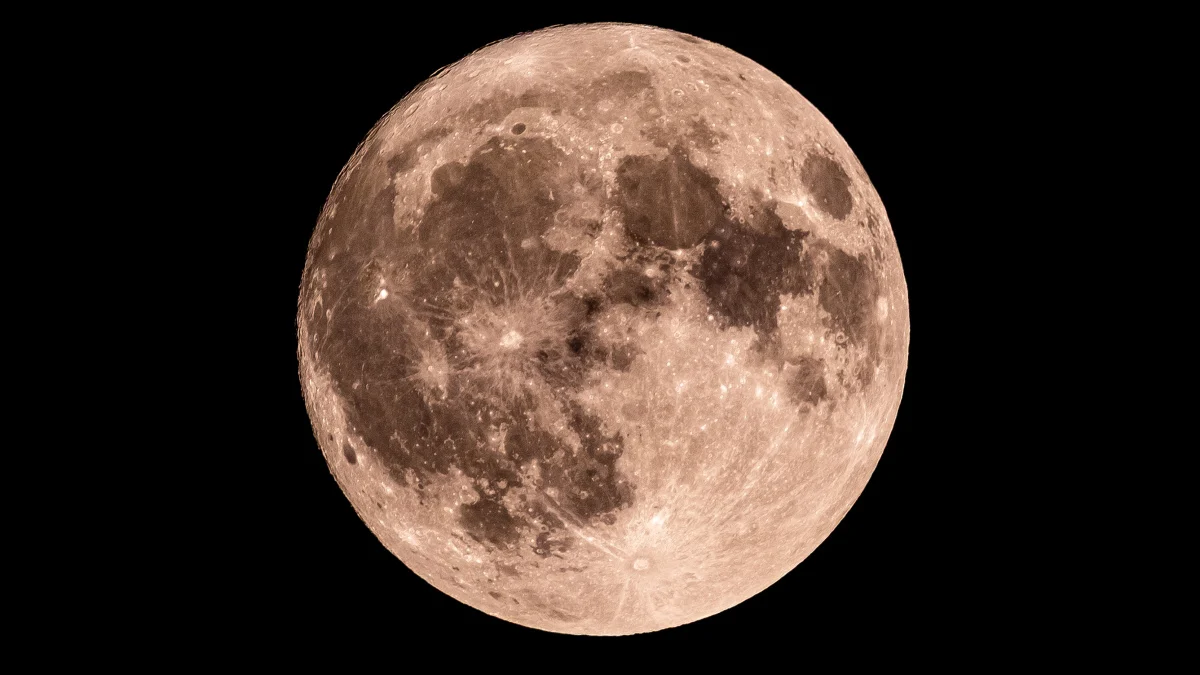
The Full Moon may have passed, but the Moon is still shining brightly in the night sky. Here's what you can spot on its surface as it begins to move into its next phase/What is today’s Moon phase?As of Thursday, July 30, NASA's Daily Moon Guide tracker tells us the Moon phase is in Waning Gibbous phase, with 100% of its surface visible. Without visual aids, tonight you should still be able to see the Mare Tranquillitatis, Copernicus Crater, and the Tycho Crater. If you have binoculars will help you see the Gassendi Crater, Mare Frigoris, and the Clavius Crater. Finally, a telescope will help you see all this plus the Apollo 15 and 17 landing spots, as well as the Caucasus Mountains.
You May Also Like
When is the next Full Moon?The next Full Moon will take place on August 28.What are Moon phases?According to NASA, the Moon goes through a complete cycle of eight phases roughly every 29.5 days. As it travels around Earth, the angle between the Sun, Earth and Moon constantly changes, meaning we see different amounts of the Moon's sunlit side. This is what causes the familiar progression from a thin crescent to a half Moon, then a Full Moon, before the cycle repeats.The eight phases are:
Mashable Light Speed