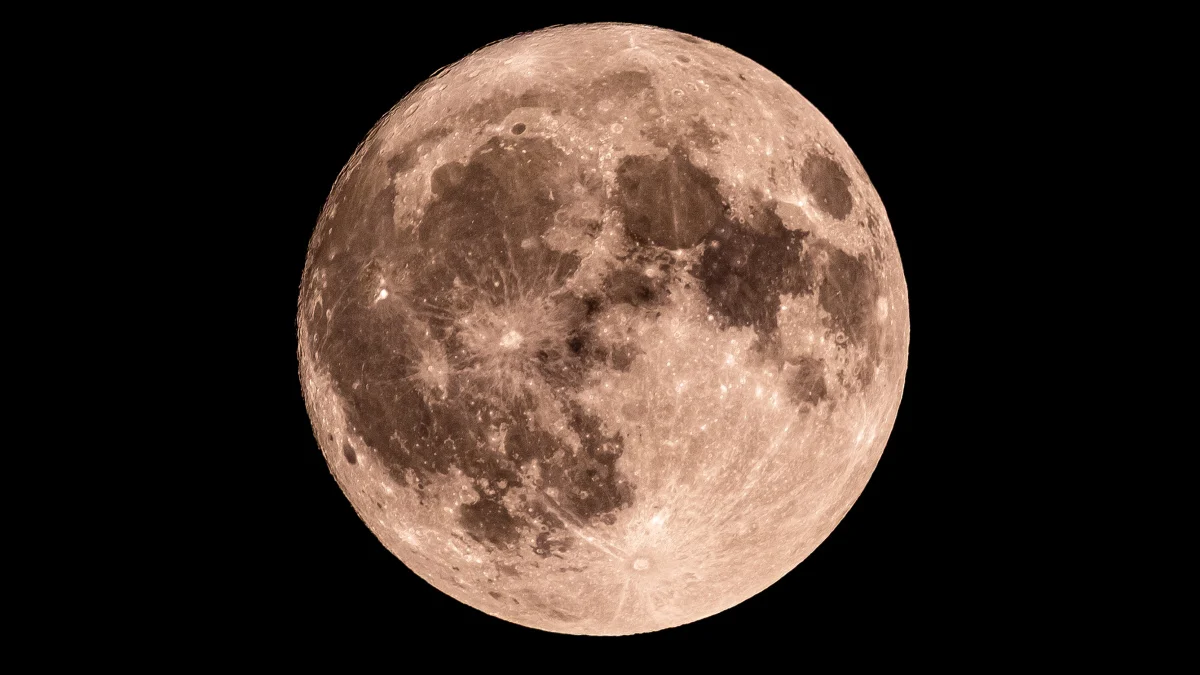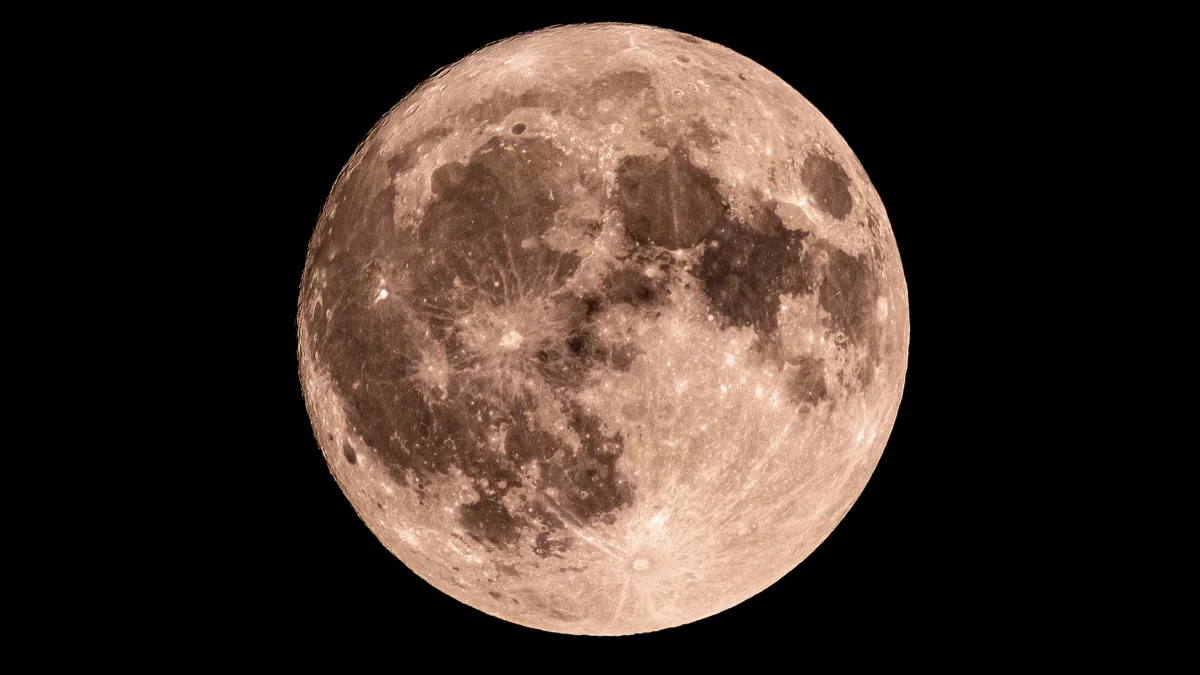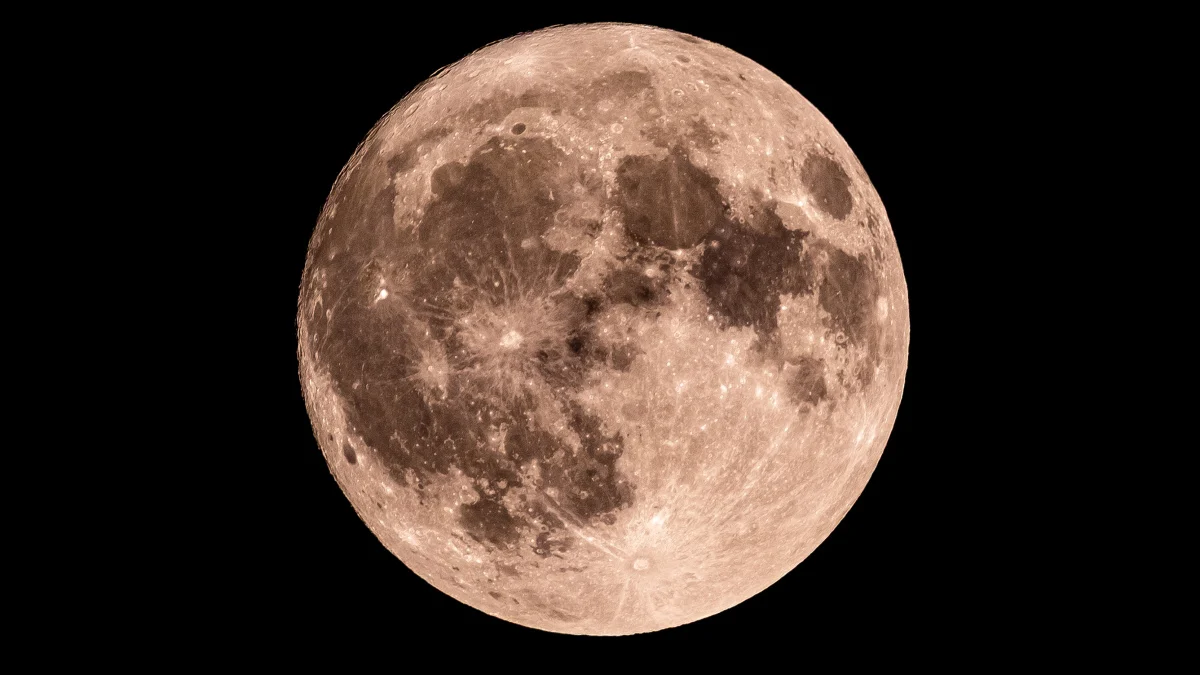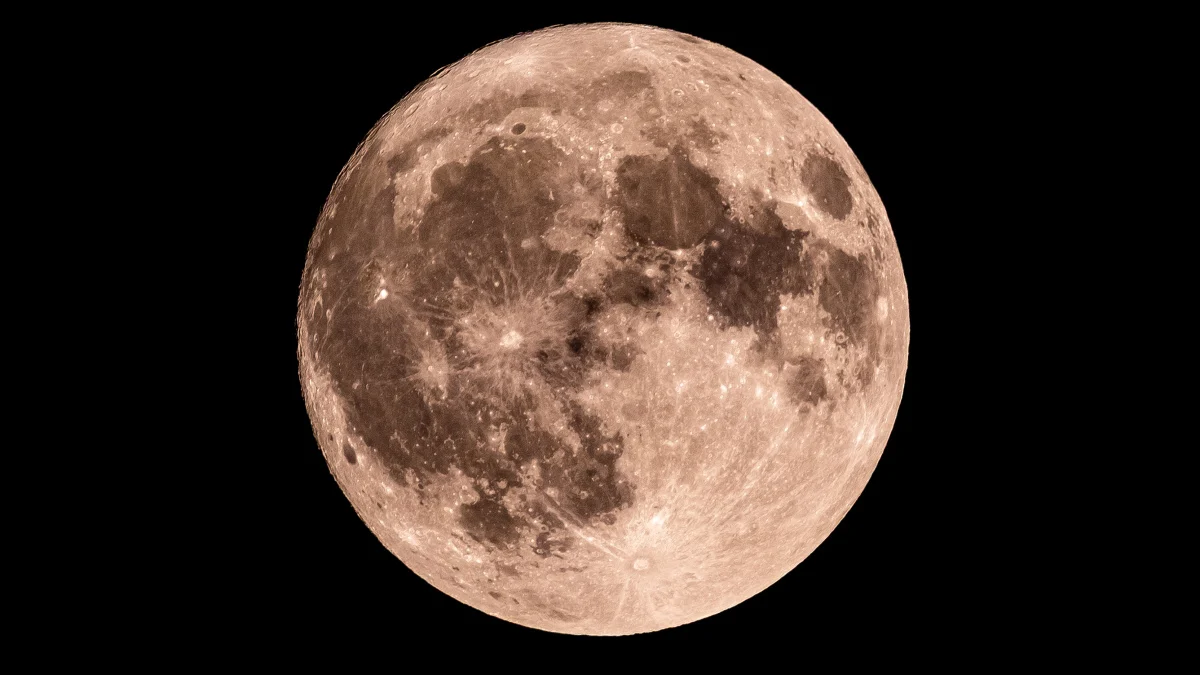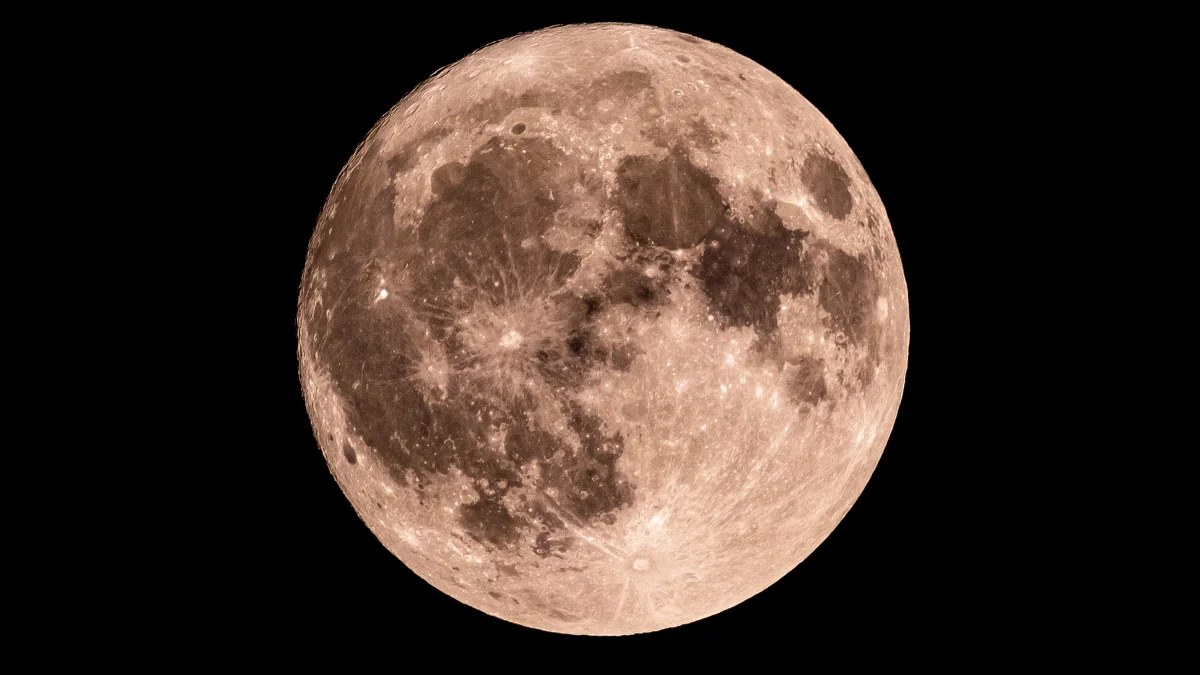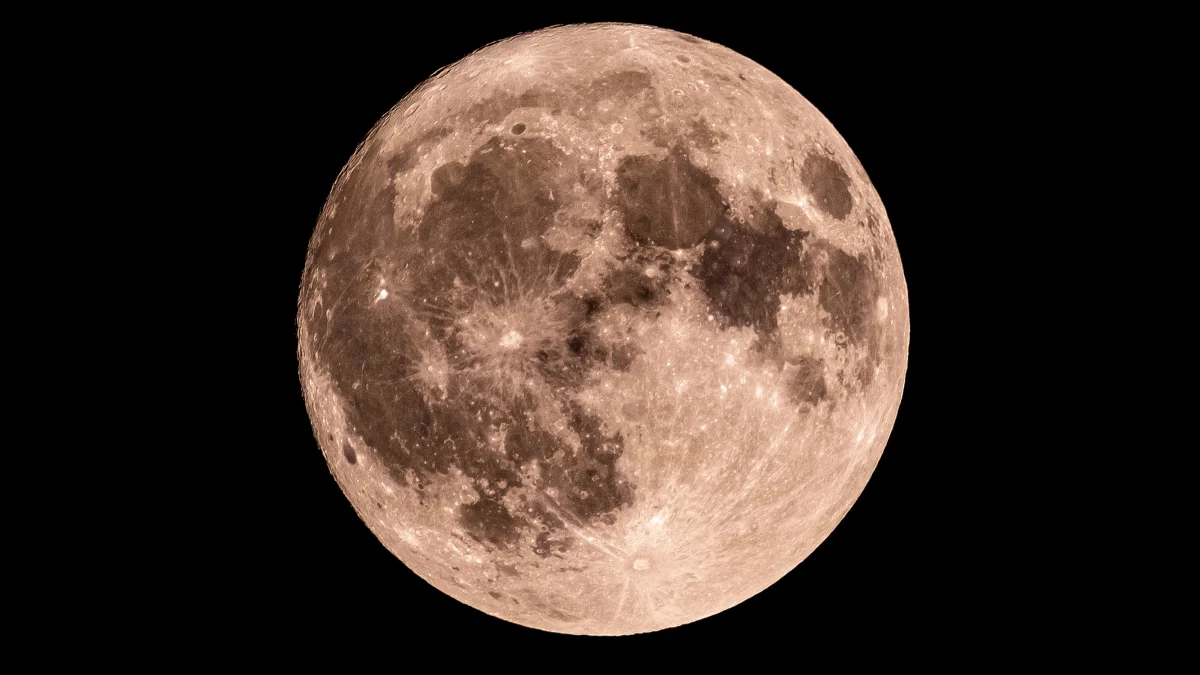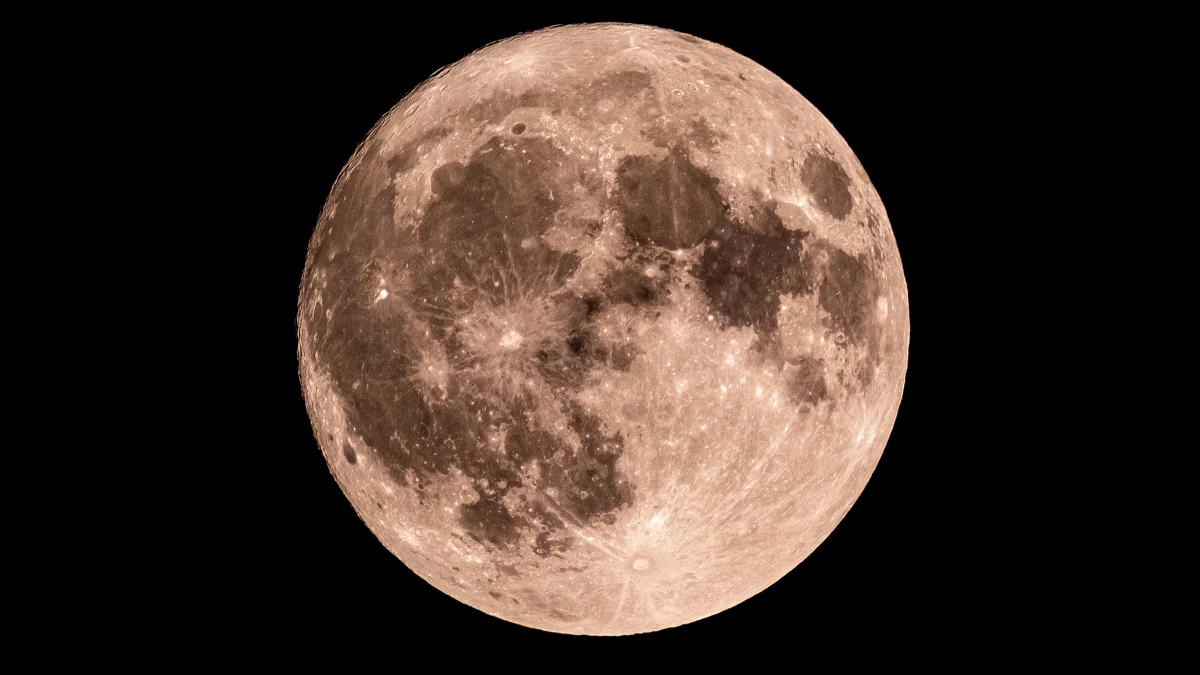
Tonight marks day 19 of the lunar cycle, with the Moon continuing through its Waning Gibbous phase. As we get closer to the next phase, the Last Quarter, the illuminated portion of the Moon will continue to appear smaller each night.What is today’s Moon phase?As of Saturday, July 4, NASA's Daily Moon Guide tracker tells us the Moon phase is in its Waning Gibbous phase, with 84% of its surface visible. If you look up tonight with just your naked eye, you should be able to see the Mares Imbrium and Serenitatis, as well as the Kepler Crater. If you have binoculars, you'll be able to catch a glimpse of the Posidonius Crater, the Alps Mountains, and the Grimaldi Basin. And if you have a telescope, you'll see all this plus the Apollo 11 and 17 landing spots, and the Rima Ariadaeus.
You May Also Like
When is the next Full Moon?The next Full Moon will take place on July 29.What are Moon phases?According to NASA, the Moon completes one orbit around Earth approximately every 29.5 days, moving through eight recognised phases along the way. Although the same side of the Moon always faces Earth, the amount of its surface illuminated by the Sun changes as it travels around our planet. As a result, the Moon appears to shift in shape throughout the month, progressing from slender crescents to quarter moons and eventually reaching the brightly lit Full Moon stage. This repeating pattern is known as the lunar cycle.New Moon - The Moon is between Earth and the sun, so the side we see is dark (in other words, it's invisible to the eye).