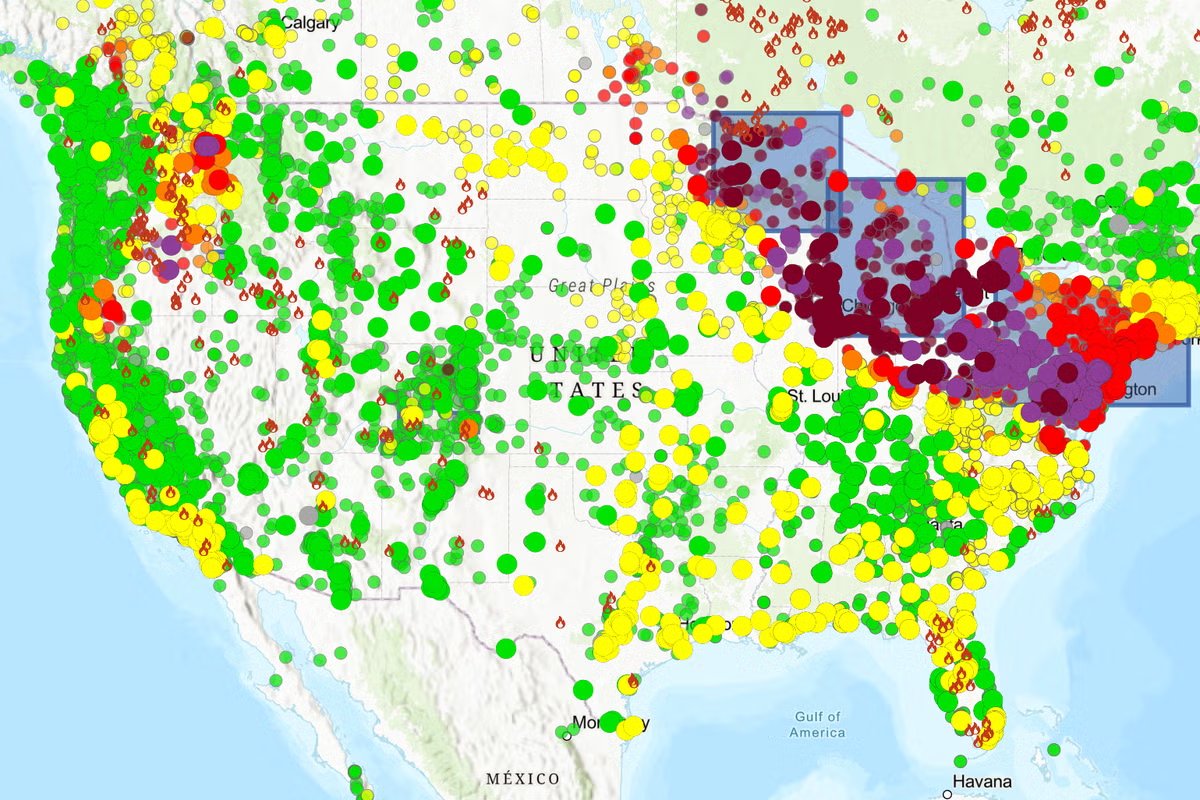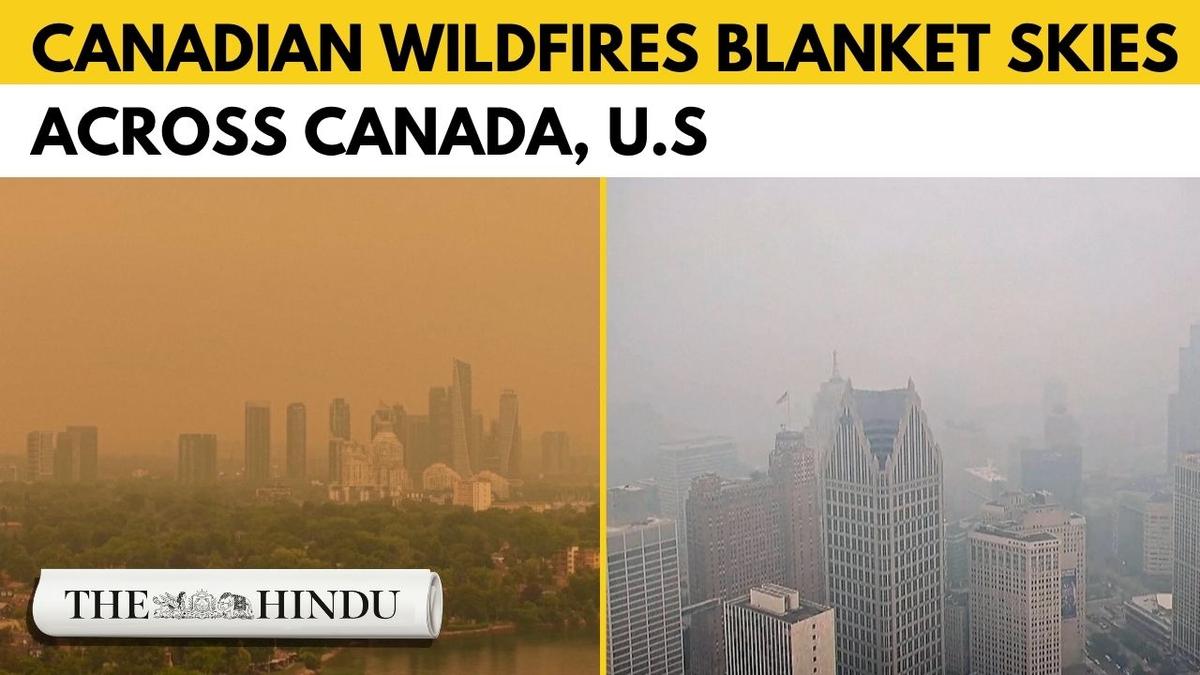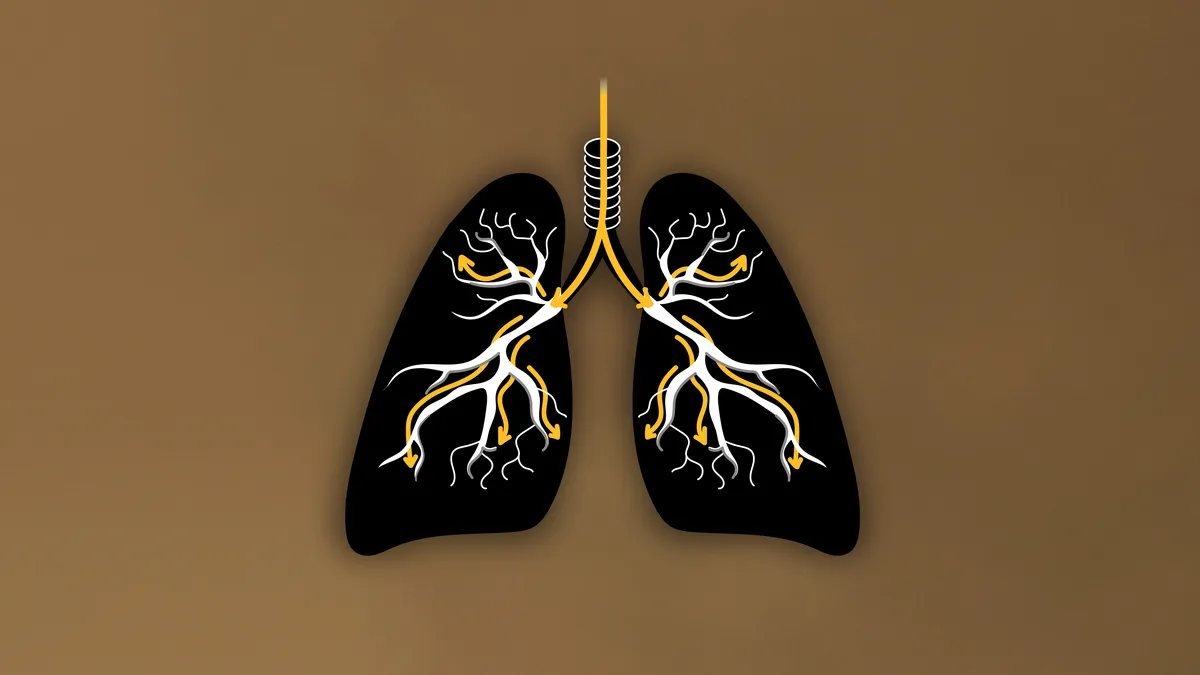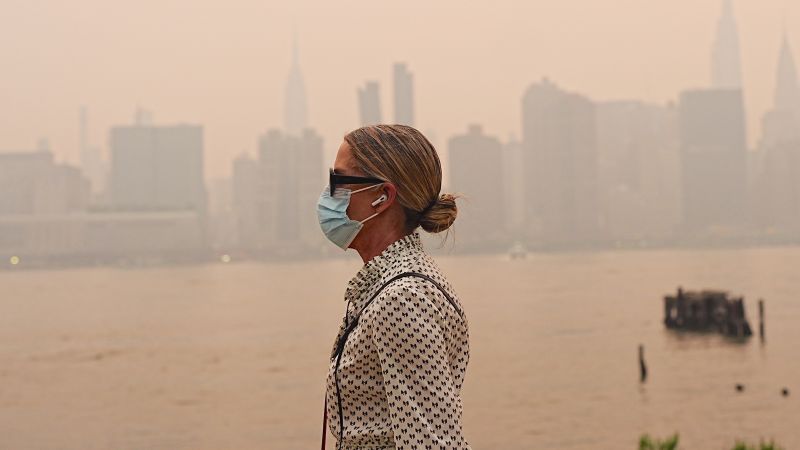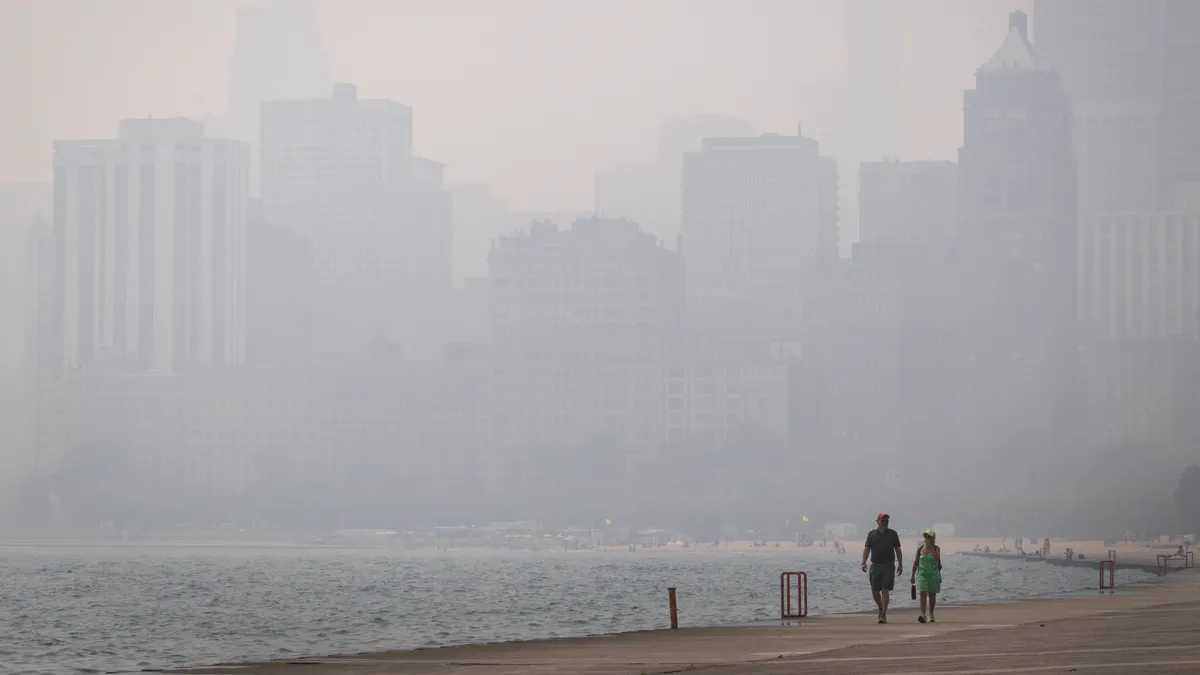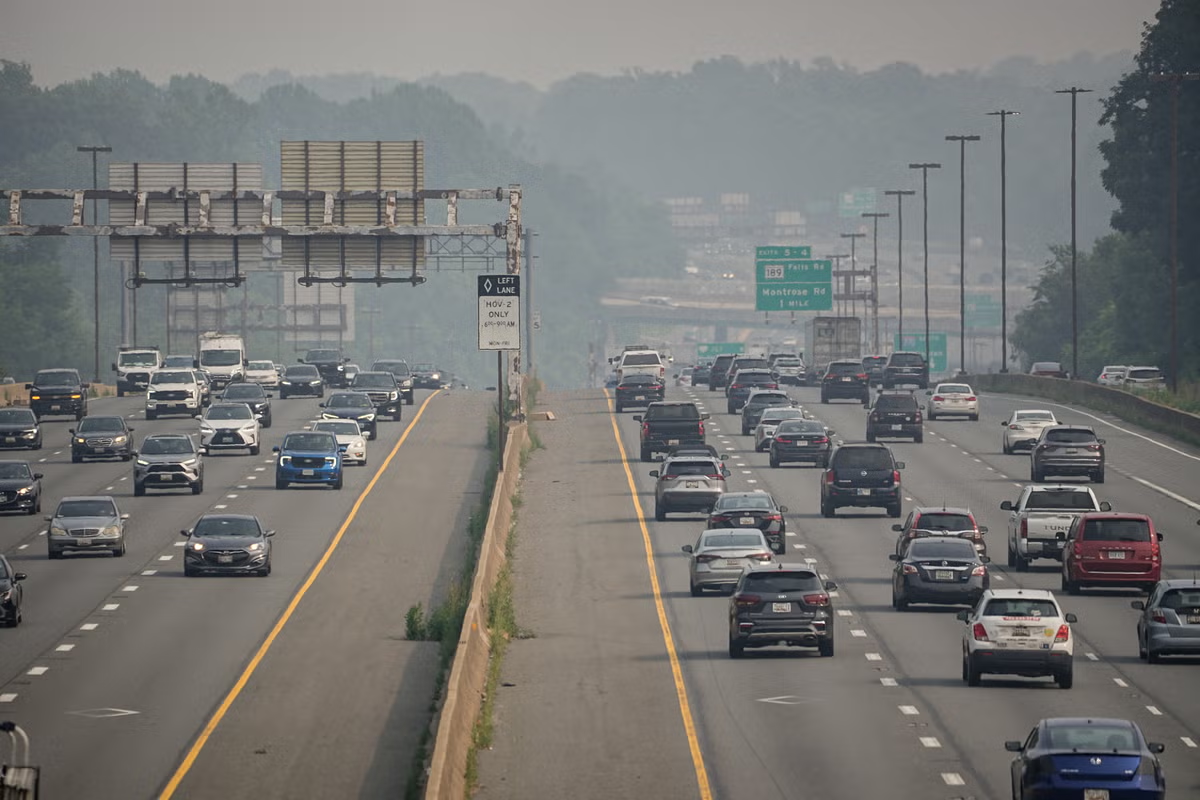
Jump to contentThank you for registeringPlease refresh the page or navigate to another page on the site to be automatically logged inPlease refresh your browser to be logged inAllNewsSportCultureLifestyleCanadian wildfire smoke has enveloped North American cities, causing evacuations, event cancellations, and dangerously poor air quality across affected regions. Exposure to wildfire smoke, which contains harmful chemicals and fine particulate matter (PM2.5), can damage lungs as severely as cigarette smoking and is linked to tens of thousands of deaths. The smoke poses significant risks to cardiovascular health, increasing the likelihood of cardiac arrest and complications related to heart disease, especially when combined with extreme heat. Beyond the heart, wildfire smoke can trigger brain inflammation, potentially contributing to conditions such as dementia, Alzheimer's disease, and mood disorders, and is associated with higher stroke rates. Pregnant women face increased risks, with exposure linked to pre-term births, while protective measures include staying indoors, wearing well-fitting KN95 masks, and ensuring homes are sealed. In fullIt’s not just your lungs that can be impacted by the Canadian wildfire smokeMore bulletinsThank you for registeringPlease refresh the page or navigate to another page on the site to be automatically logged inPlease refresh your browser to be logged in
How your health might be impacted by the wildfires in Canada
Jump to contentThank you for registeringPlease refresh the page or navigate to another page on the site to be automatically logged inPlease refresh your browser to be logged inAllNewsSportCultureLifestyleCanadian wildfire smoke has enveloped North American cities, causing evacuations, event cancellations, and dangerously poor air quality across affected regions. Exposure to wildfire smoke, which contains harmful chemicals and fine particulate matter (PM2.5), can damage lungs as severely as cigarette smoking and is linked to tens of thousands of deaths. The smoke poses significant risks to cardiovascular health, increasing the likelihood of cardiac arrest and complications related to heart disease, especially when combined with extreme heat. Beyond the heart, wildfire smoke can trigger brain inflammation, potentially contributing to conditions such as dementia, Alzheimer's disease, and mood disorders, and is associated with higher stroke rates. Pregnant women face increased risks, with exposure linked to pre-term births, while protective measures include staying indoors, wearing well-fitting KN95 masks, and ensuring homes are sealed. In fullIt’s not just your lungs that can be impacted by the Canadian wildfire smokeMore bulletinsThank you for registeringPlease refresh the page or navigate to another page on the site to be automatically logged inPlease refresh your browser to be logged in