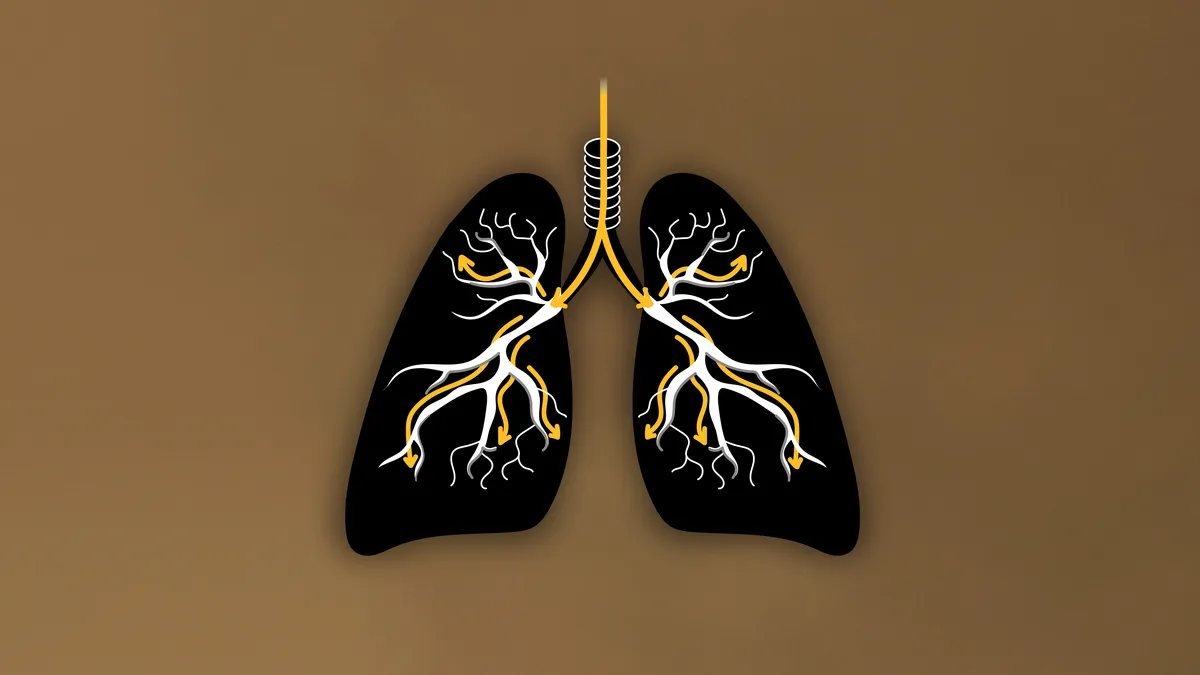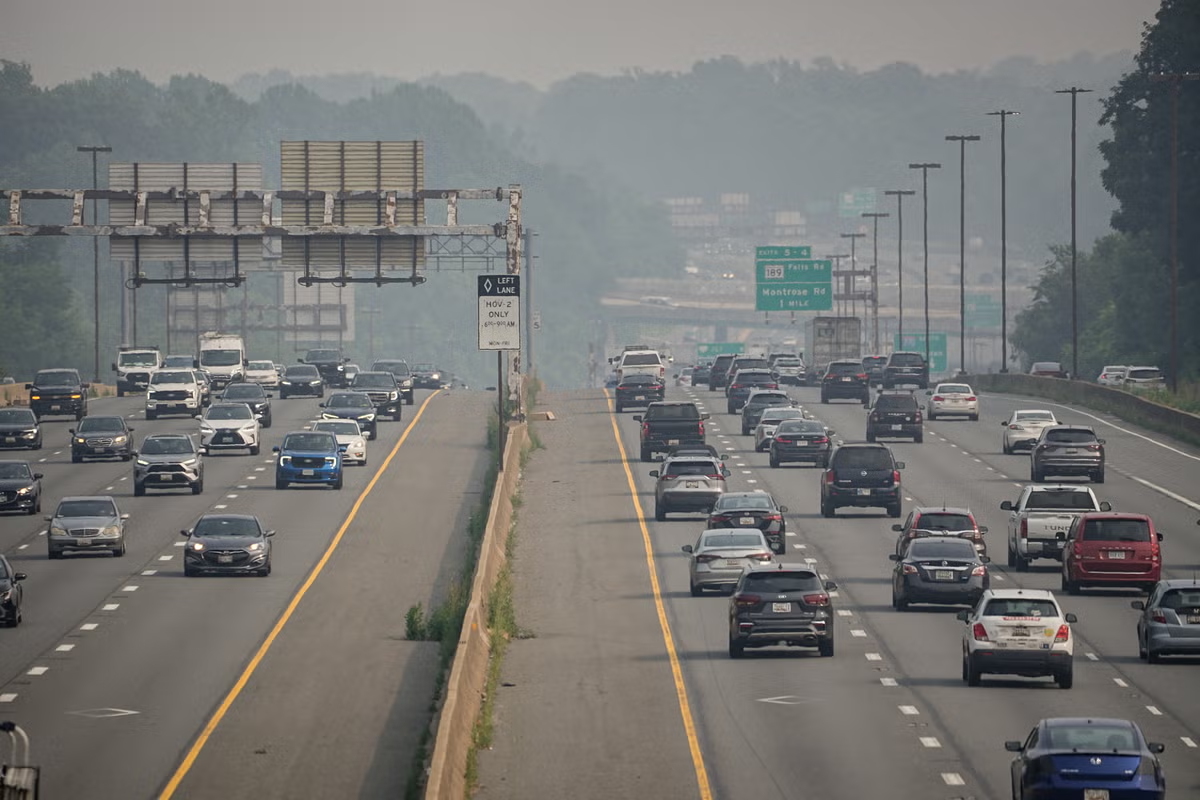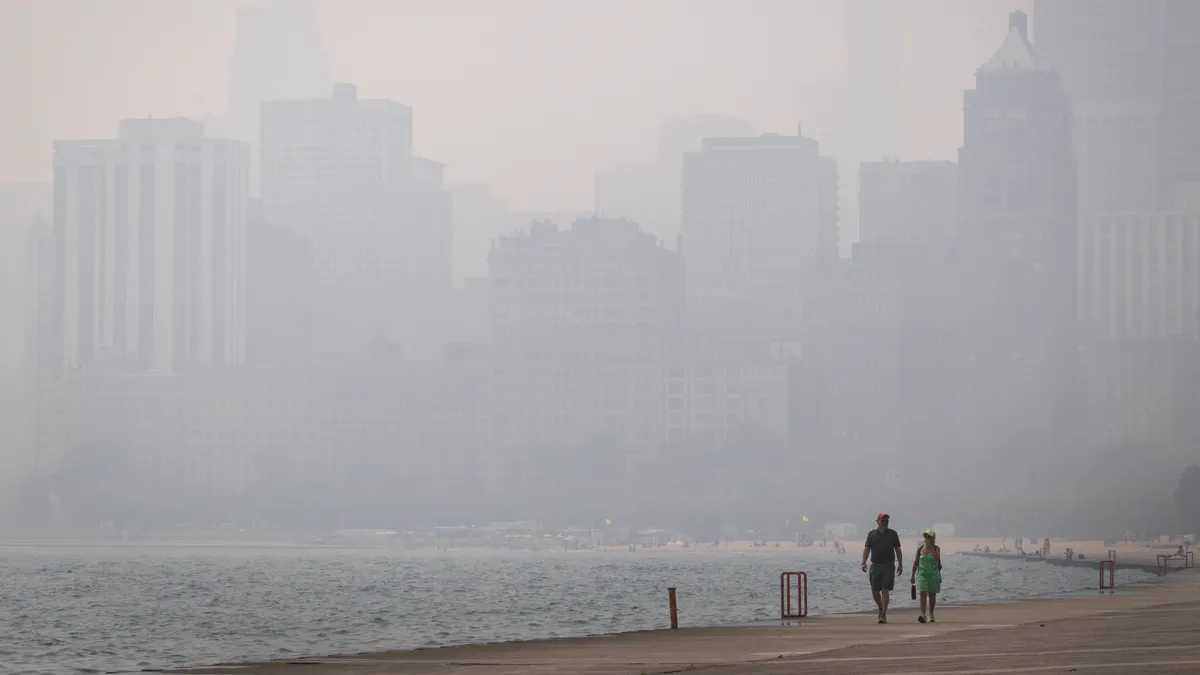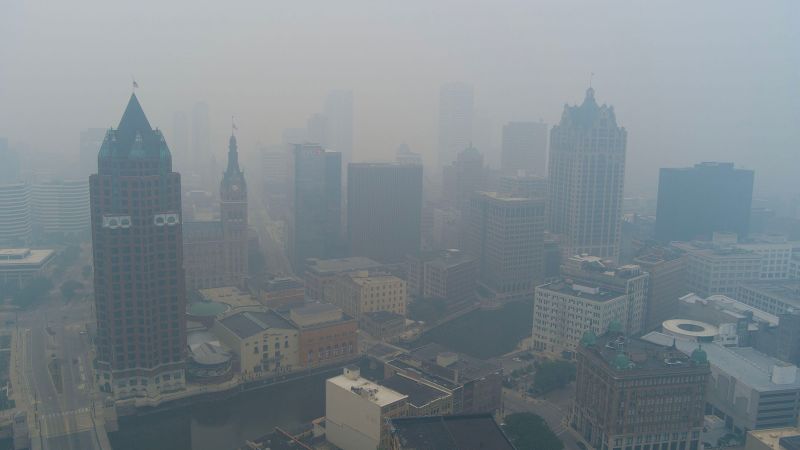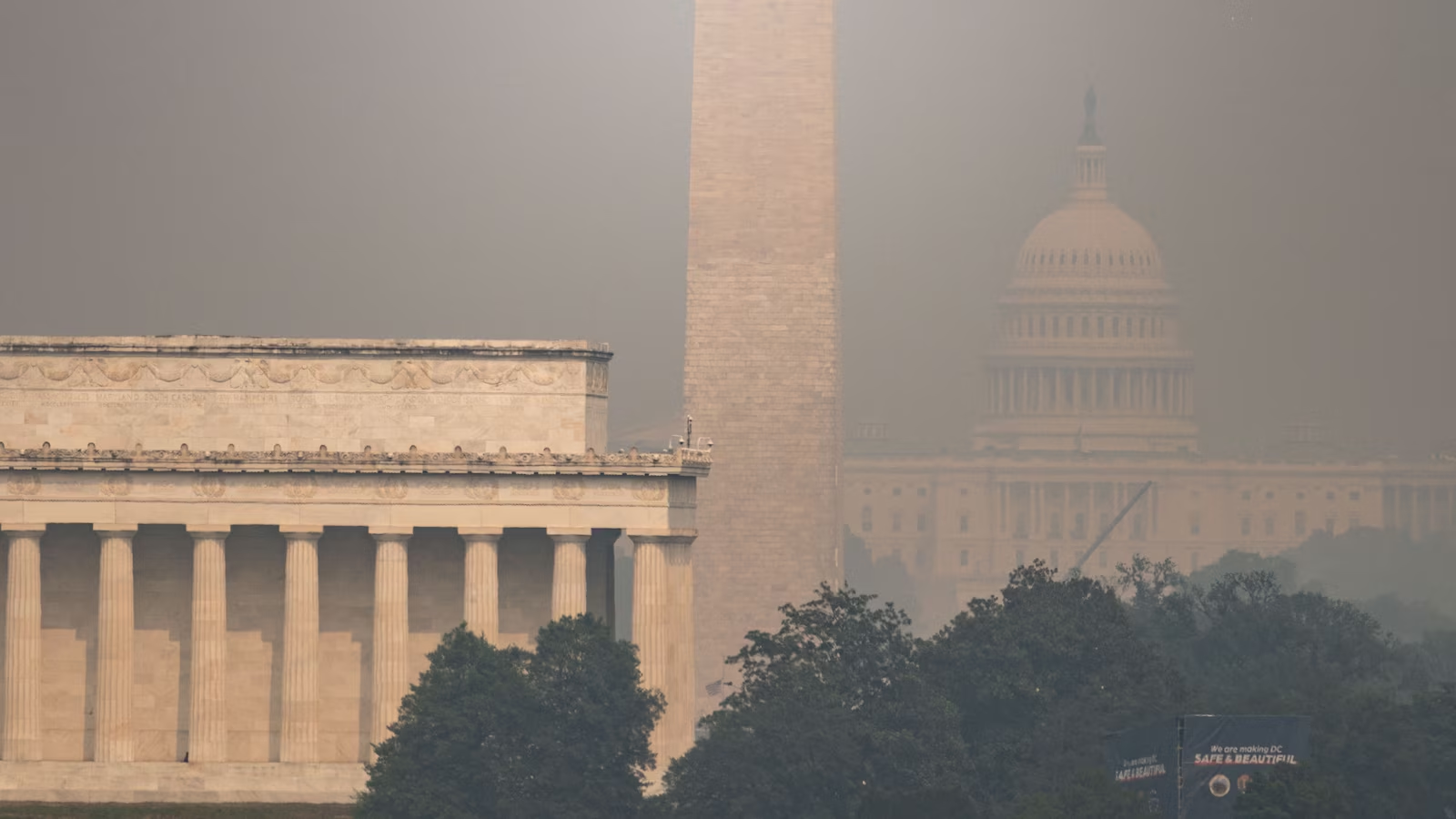
As the climate warms, wildfires are becoming larger, more frequent, and more intense. The smoke now routinely travels hundreds of miles, as was seen when Canadian wildfires this month sent heavy smoke across the Midwest and Northeastern U.S., triggering dangerous air quality across the region.But the health risks of wildfire smoke goes beyond the short-term threat to your lungs. In a new study, Yale researchers found that repeated and cumulative exposure to the fine particles in wildfire smoke is linked to a higher risk of being hospitalized for cardiovascular disease in older adults in the United States.
What does research say about the impact of wildfire smoke on people’s health?So far, much of the research has focused on the immediate effects of breathing in smoke over a few days or weeks, and it’s mostly looked at the respiratory system, including the lungs. But if you live somewhere that gets hit by smoke season after season, your are also facing a potentially larger problem: cumulative exposure. How does wildfire smoke impact cardiovascular health? Over the long run, repeated and cumulative exposure to the fine particles in wildfire smoke is linked to a higher risk of being hospitalized for cardiovascular disease in older adults in the U.S. Even relatively modest levels of smoke were associated with more hospitalizations for conditions like ischemic heart disease, irregular heart rhythms, stroke, and heart failure.Who is most at risk of these cardiovascular health impacts?People of lower socioeconomic status are more vulnerable, which points to a real equity problem in how this exposure plays out.