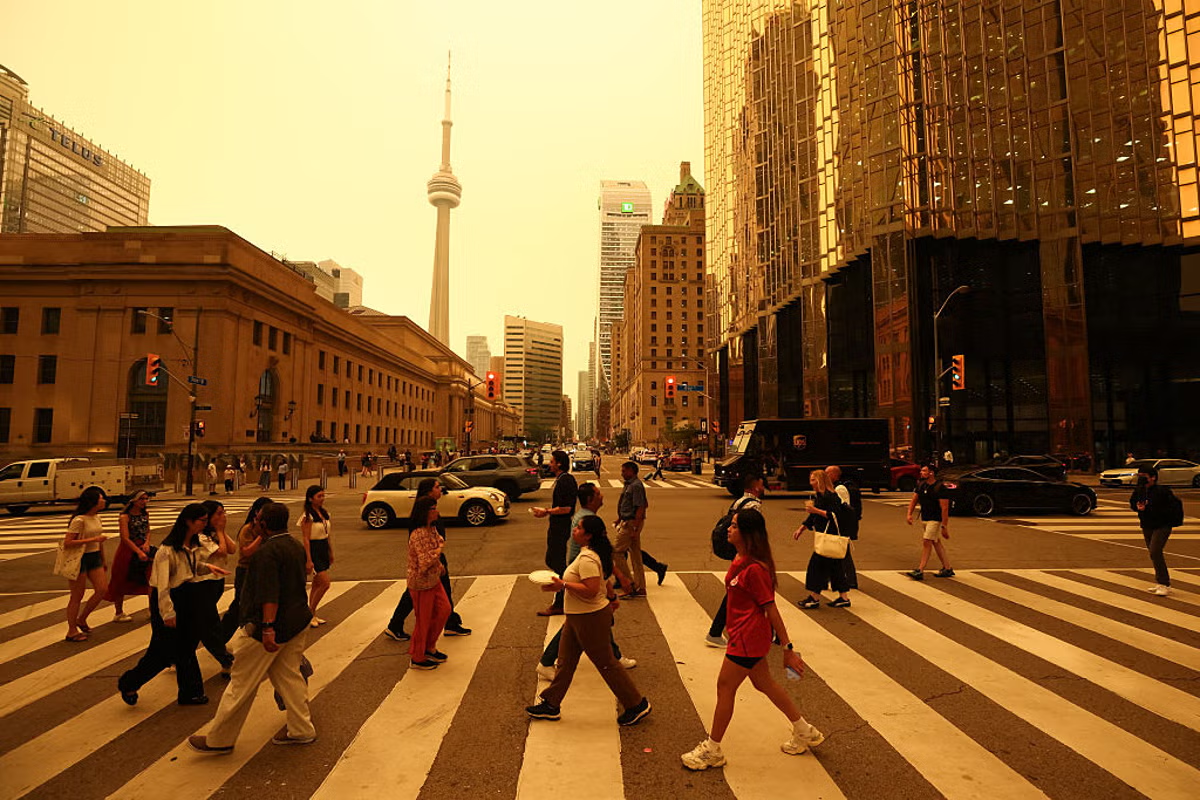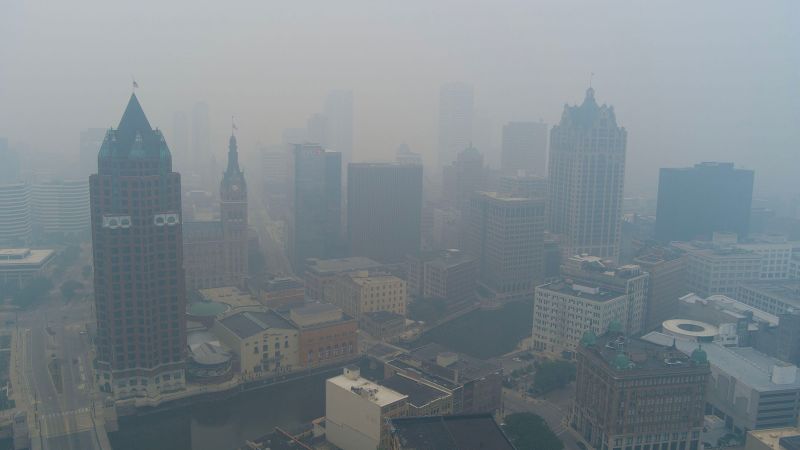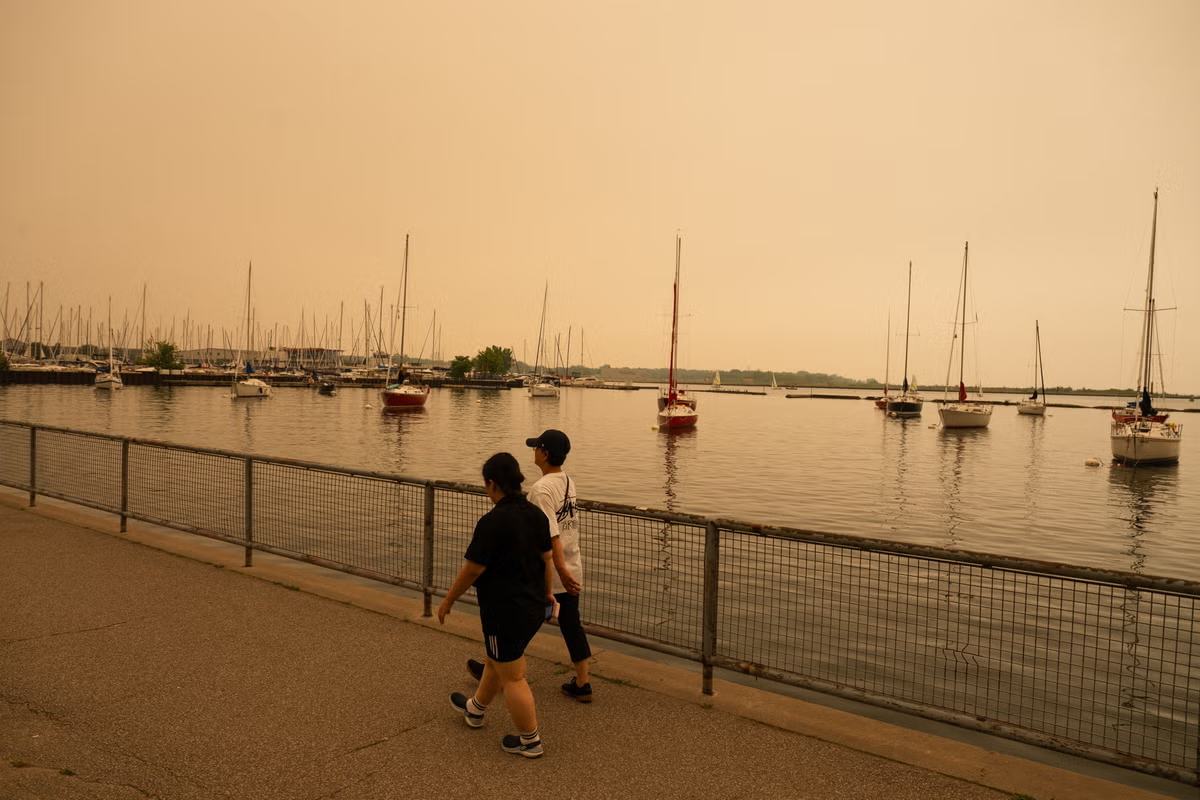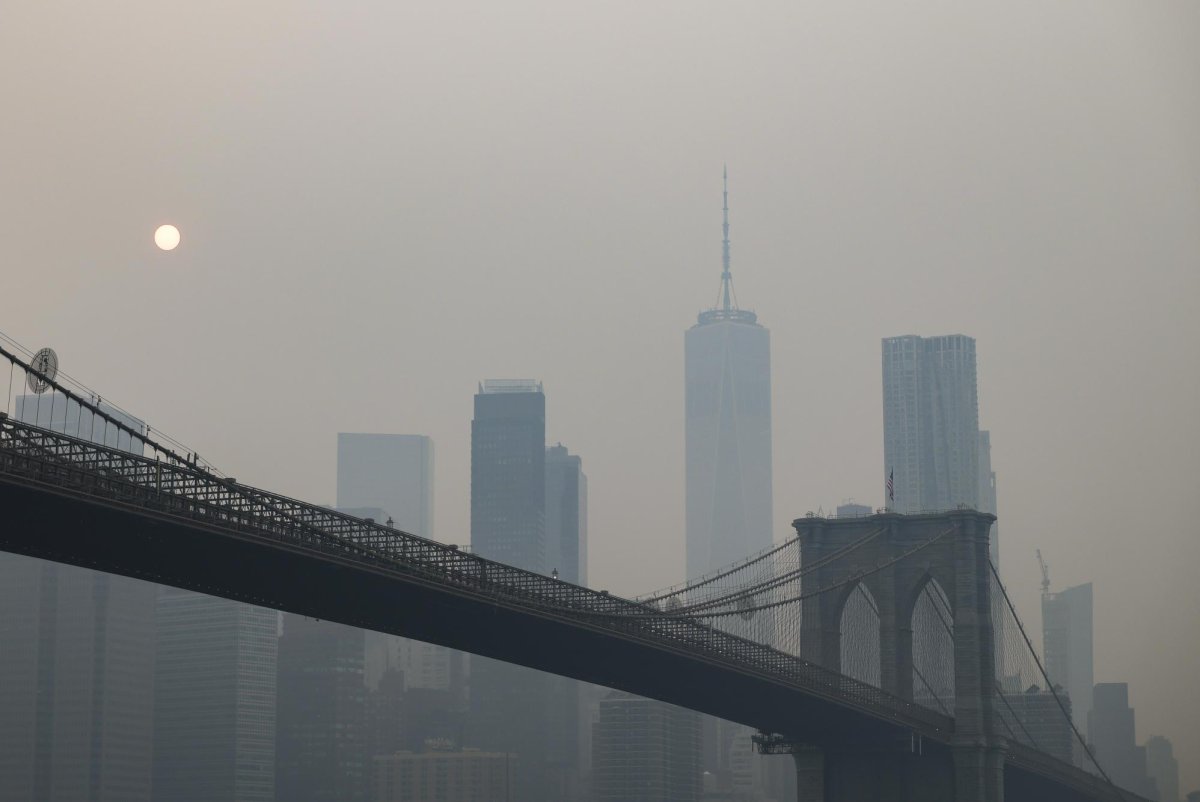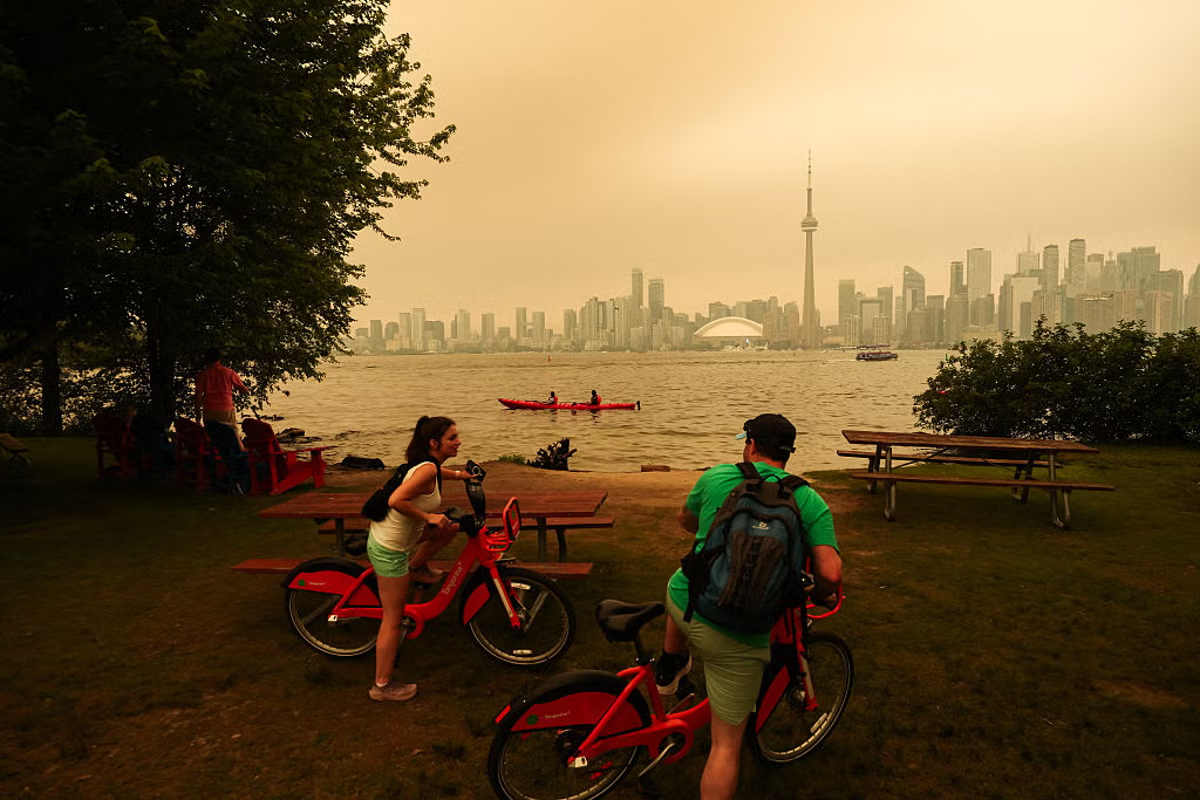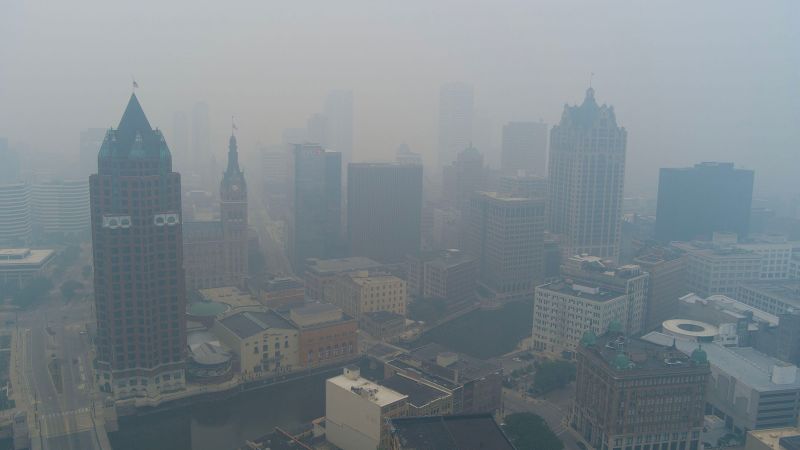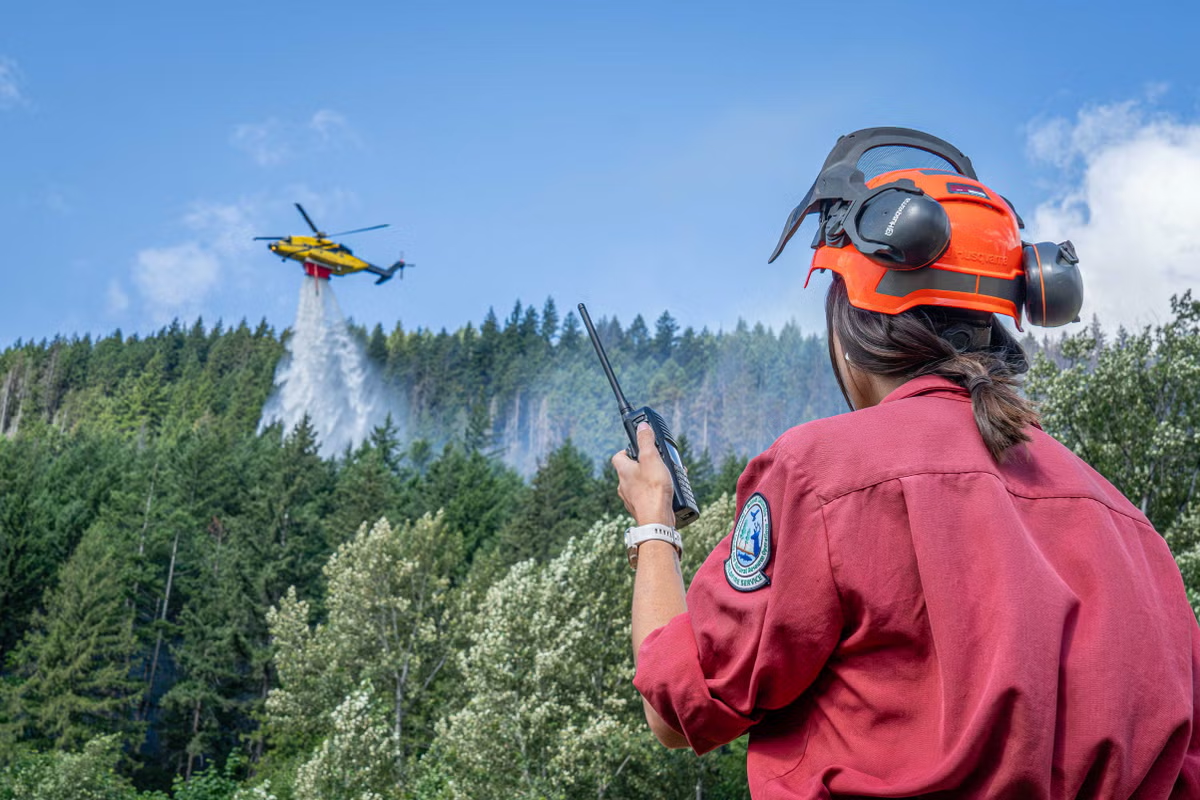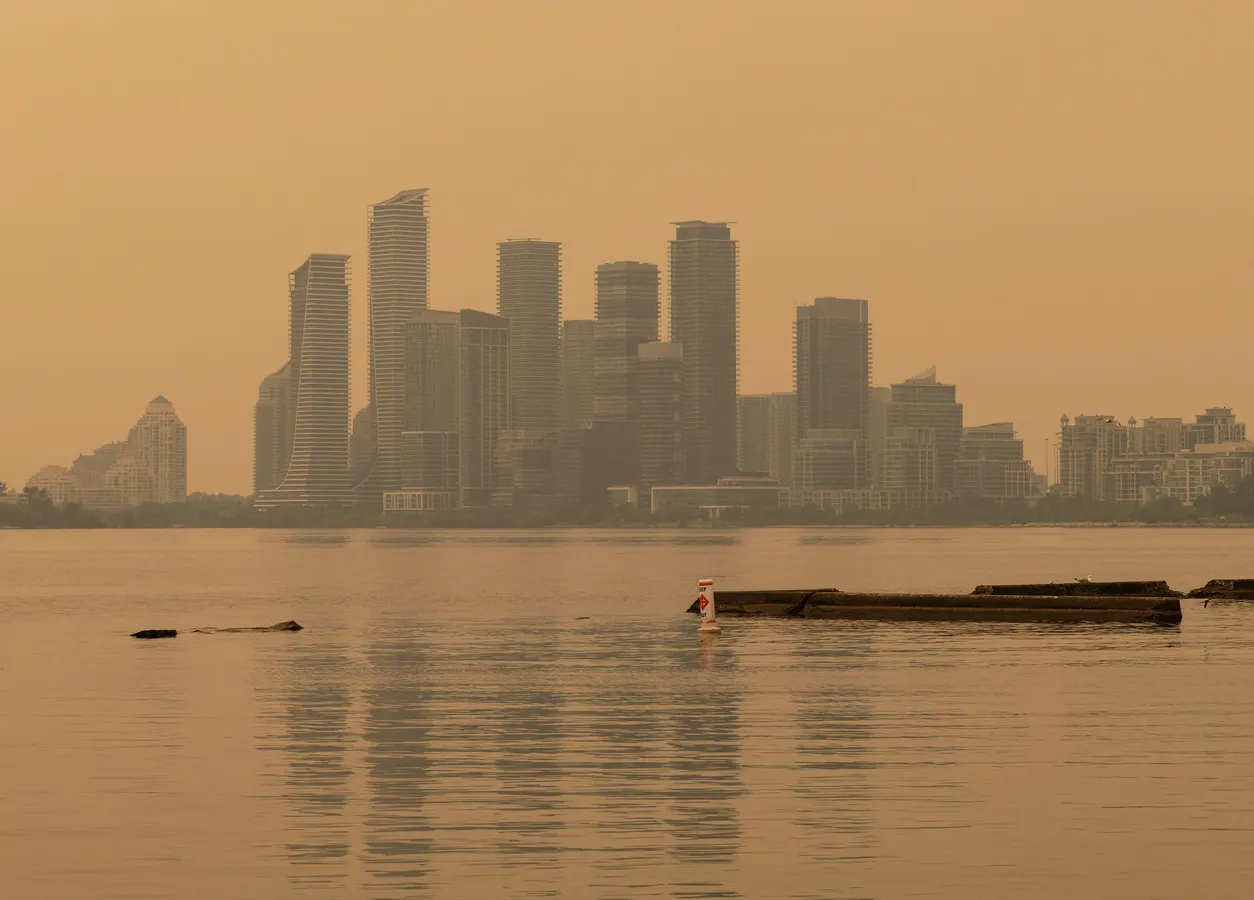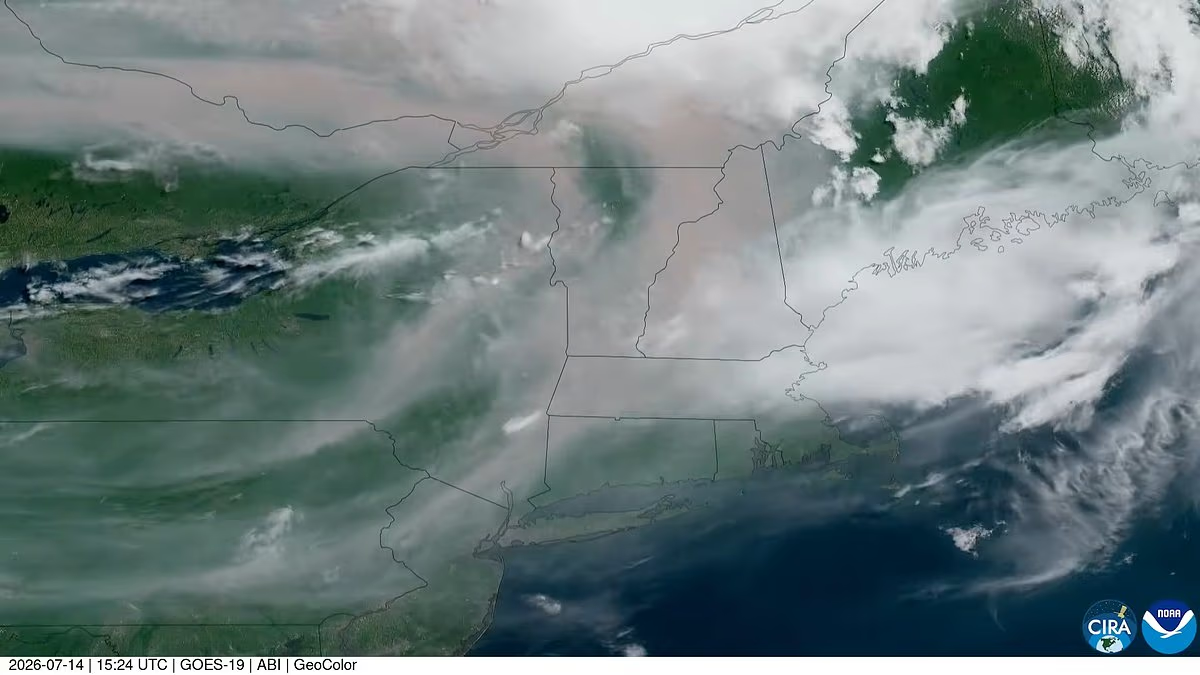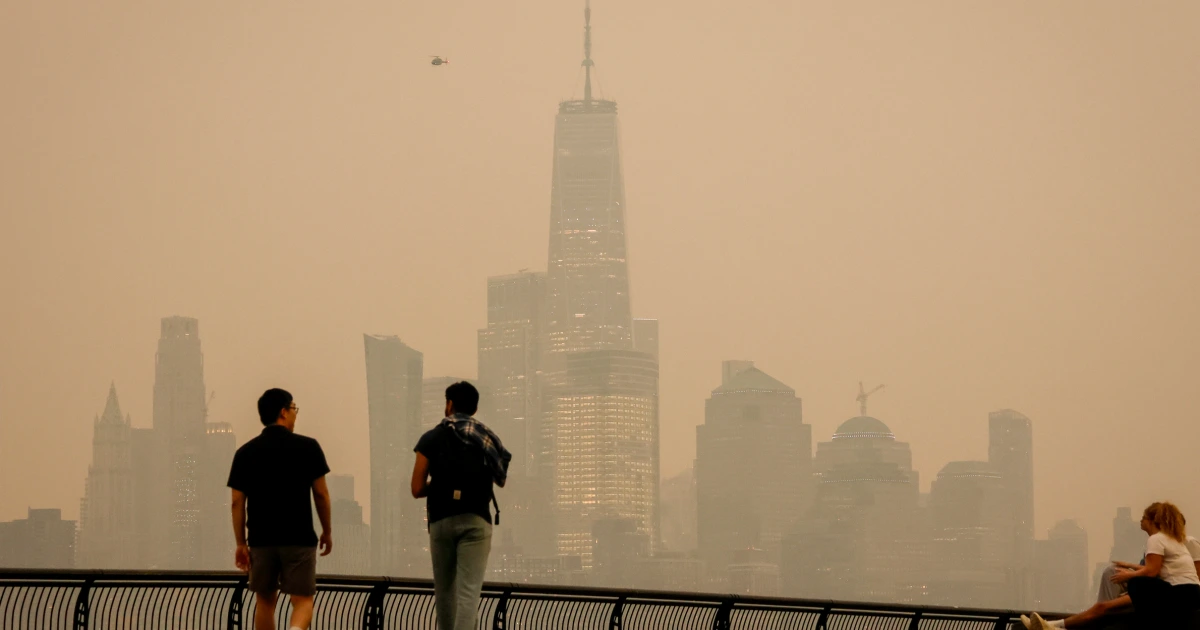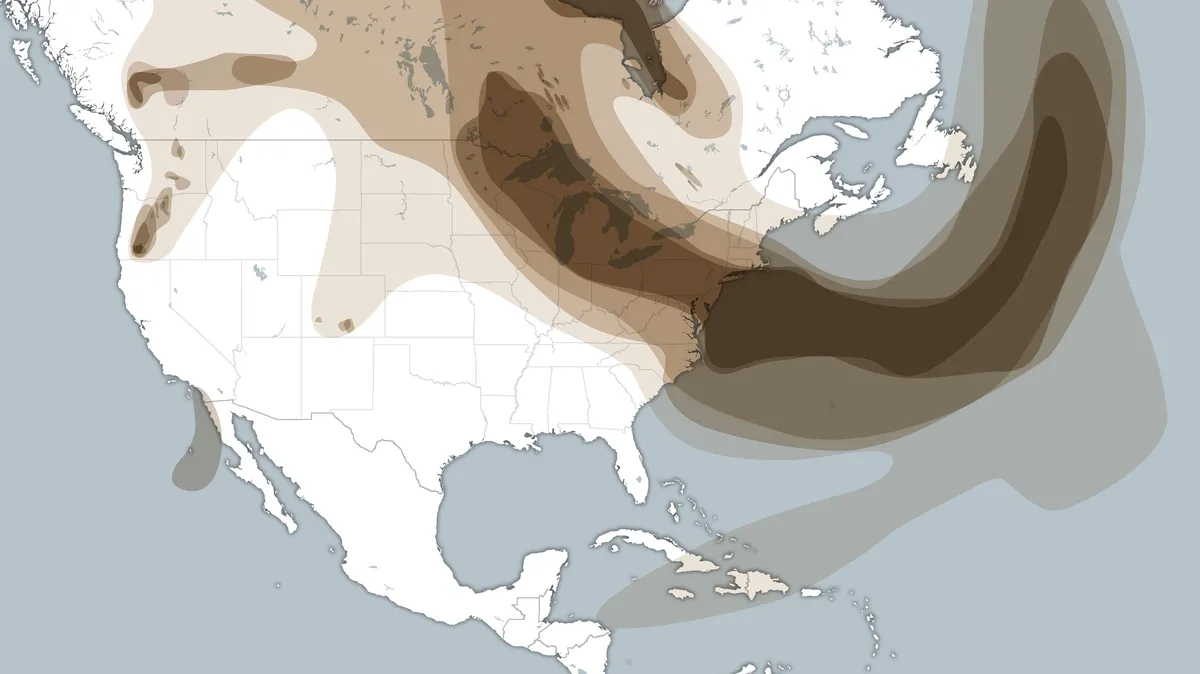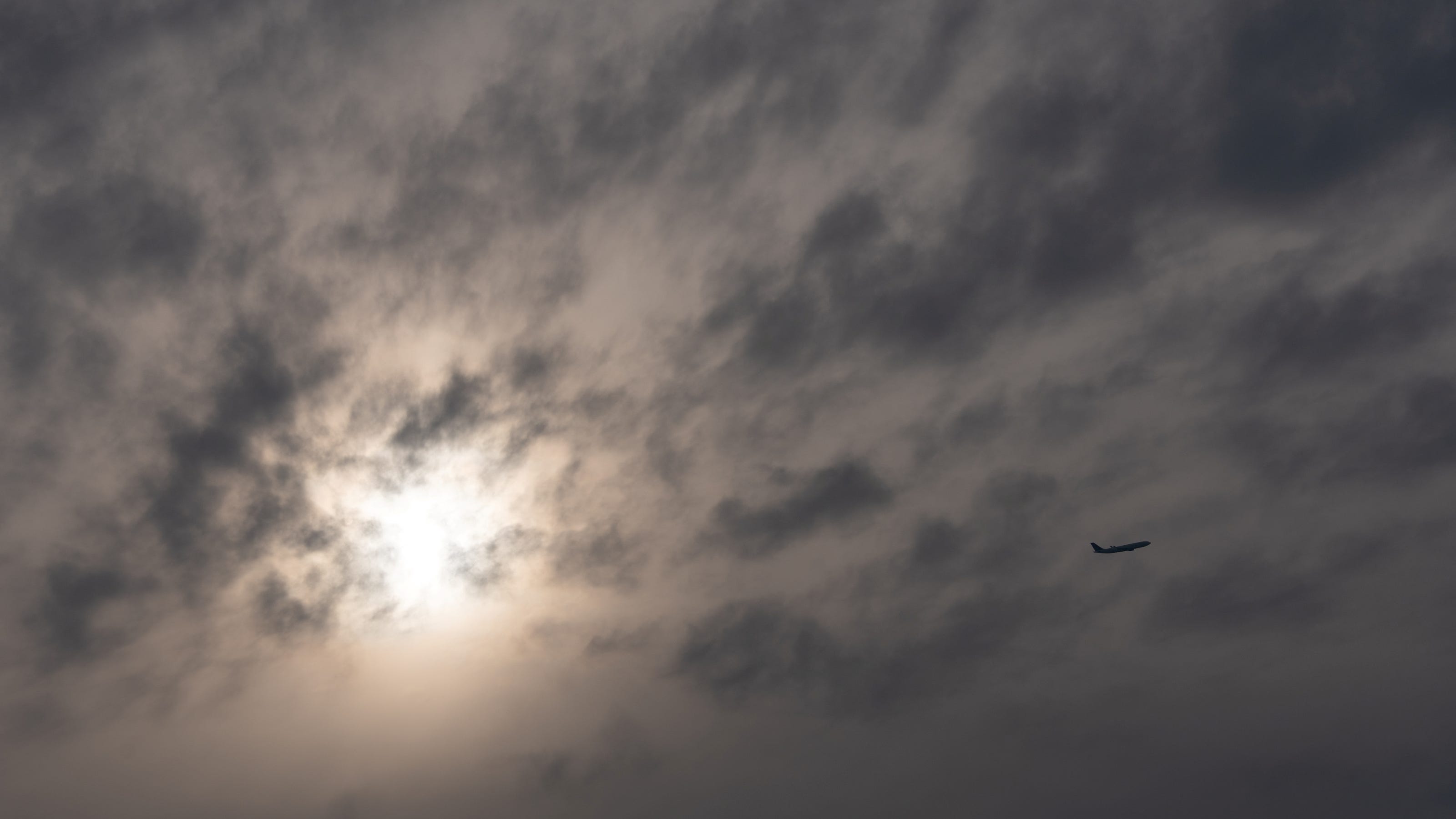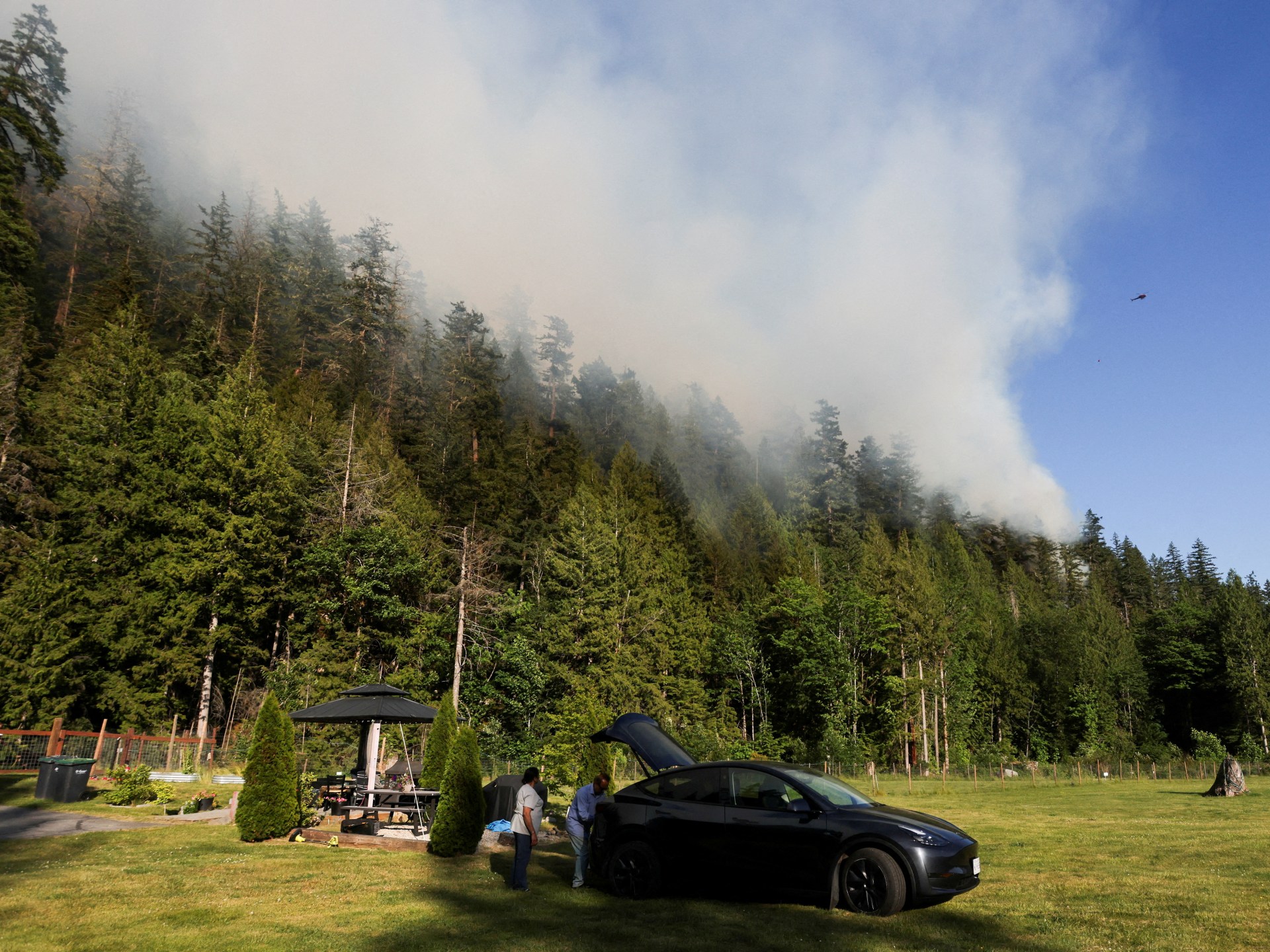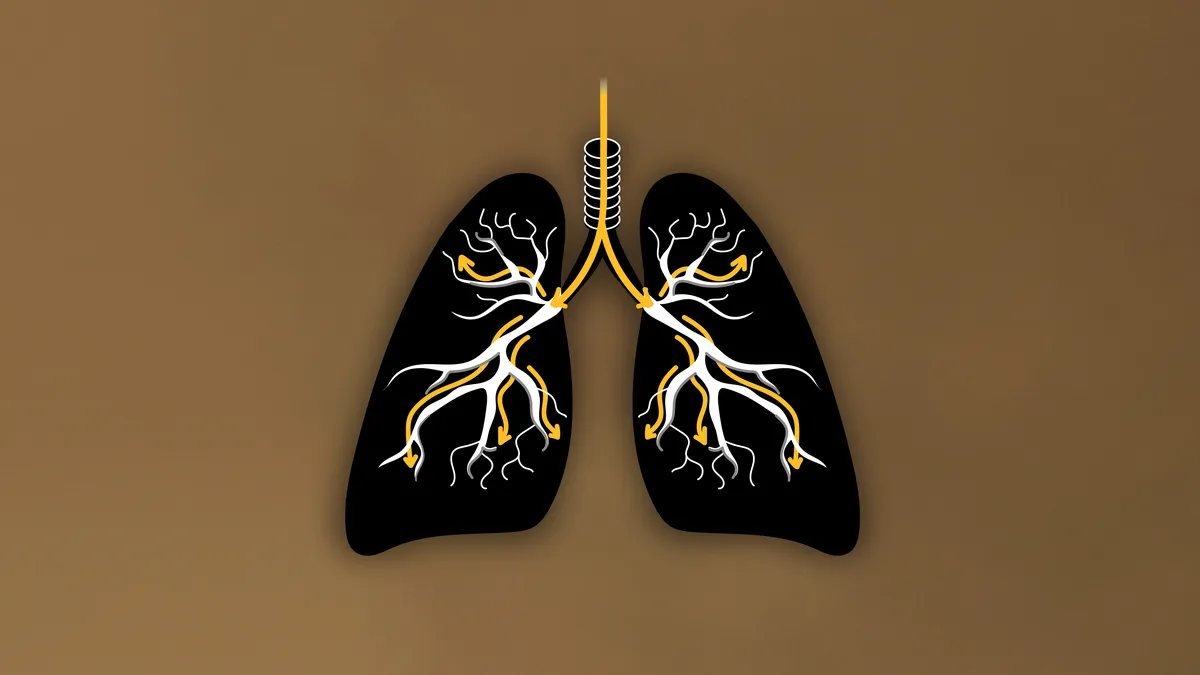
Heavy smoke from hundreds of Canadian wildfires is drifting south across the border into U.S. states, turning overcast skies yellow and brown – and threatening the health of those breathing it.Wildfire smoke is different from that of other sources. The smoke carries unhealthy matter, and it can travel long distances and linger in the air, according to the Centers for Disease Control and Prevention.The smoke can also change over time and become more toxic.Wildfire smoke contains noxious or poisonous gases and particulate matter, tiny particles that can be inhaled deep into the lungs, affecting people with respiratory problems, says the Environmental Protection Agency.Where the air quality is worst in the USCan't see our graphics? Click here to reload the page.Smoke from Canada brought yellow, brown and hazy skies from the Great Lakes region to the Northeast on July 15. Making matters worse were numerous fires burning in northern Minnesota along the border with Canada.How can wildfire smoke hurt you?Smoke can cause a series of health problems, from minor irritations to serious concerns.Depending on what's burning – grasslands, trees, vegetation or buildings – wildfire smoke can contain toxic chemical substances including carbon monoxide, carbon dioxide, acid gases, sulfur dioxide, nitrogen oxides, benzene, toluene, styrene, metals and dioxins, says the New York State Department of Health.Smoke can become more toxic the longer it lingers in the air. It can combine with trace radicals, or molecules with unpaired electrons, in a process known as oxidation. That process converts the particles into something known as free radicals, which can damage cells and tissues.Smoke can also hamper what's called the macrophage function, the ability of lungs to protect themselves. Macrophages are a type of white blood cell that aids the immune system.How small are wildfire smoke particles?Fine particles from wildfire smoke are of great health concern, the Environmental Protection Agency says. Particles can be much smaller than the width of a human hair.Particles are dangerous because they can be inhaled and travel deep into the lungs. They can cause respiratory irritation and shortness of breath. They can also make conditions worse for those with asthma and heart disease.Who is most likely to be affected by wildfire smoke?Wildfire smoke presents special health risks for:How can you protect yourself from smoke particles?Learn more about wildfires and smoke dangers in these visual stories:Maps show air quality, smoke, and wildfires across the United States.We charted every wildfire since 1984. The data shows a dramatic increase.CONTRIBUTING Mike SniderSOURCE USA TODAY Network reporting and research; Reuters; Environmental Protection Agency; California Air Resources Board; European Commission; New York State Department of Health; Centers for Disease Control and Prevention
How bad is wildfire smoke? Graphics show how toxic air affects your health
Chemicals and particles too small to be seen from wildfire smoke can cause problems ranging from minor to serious
439 words~2 min read