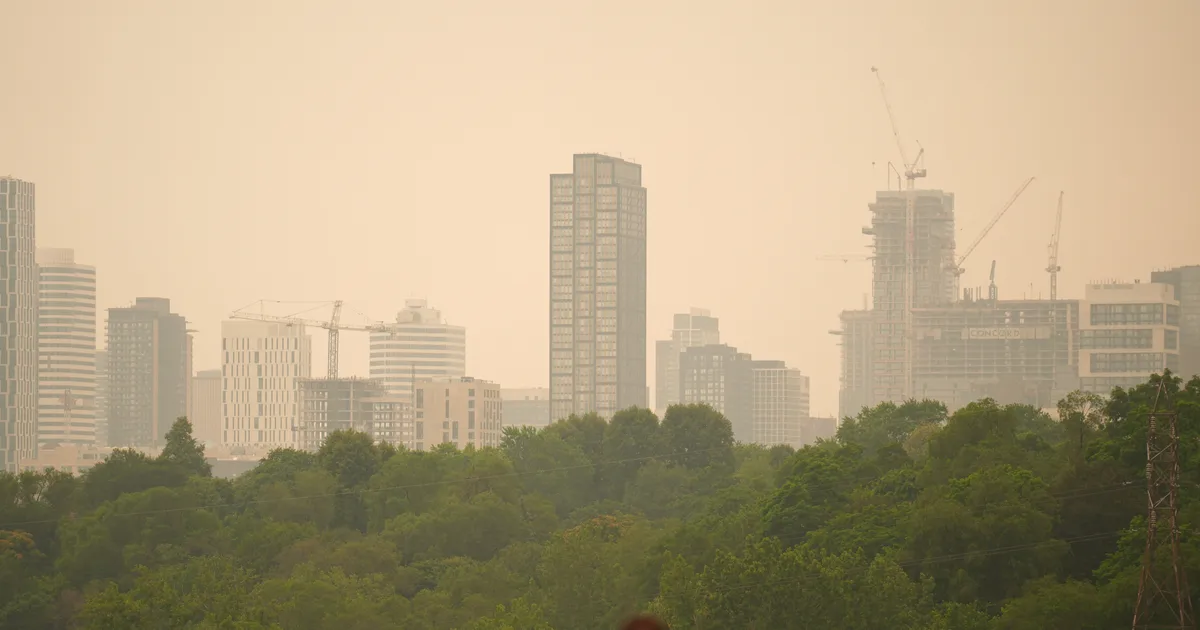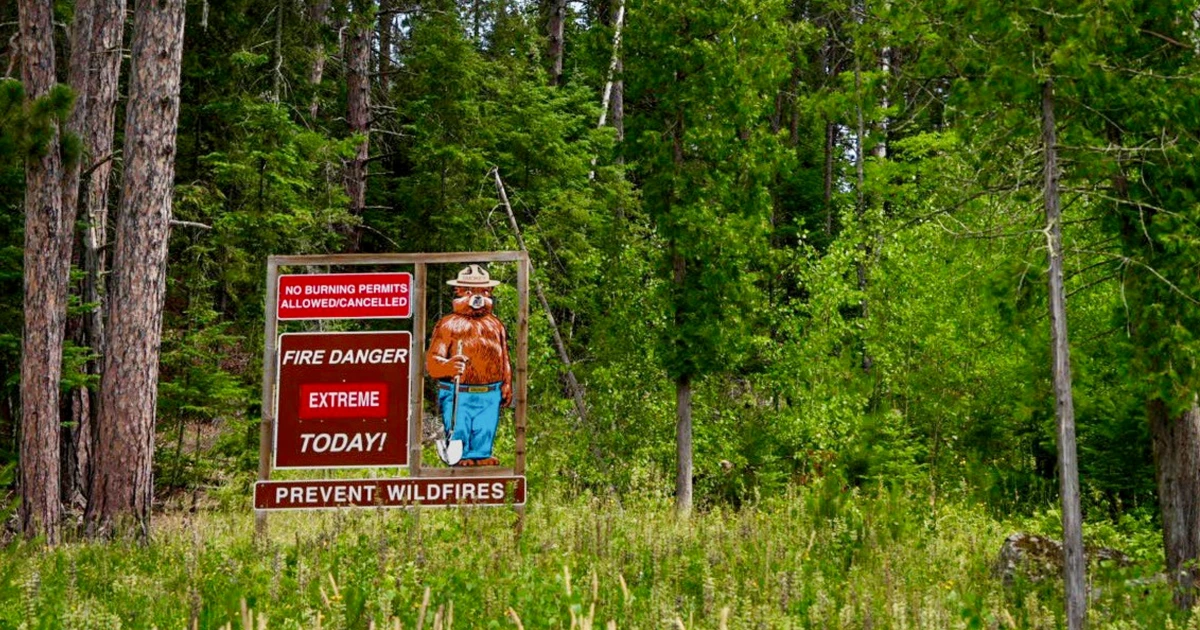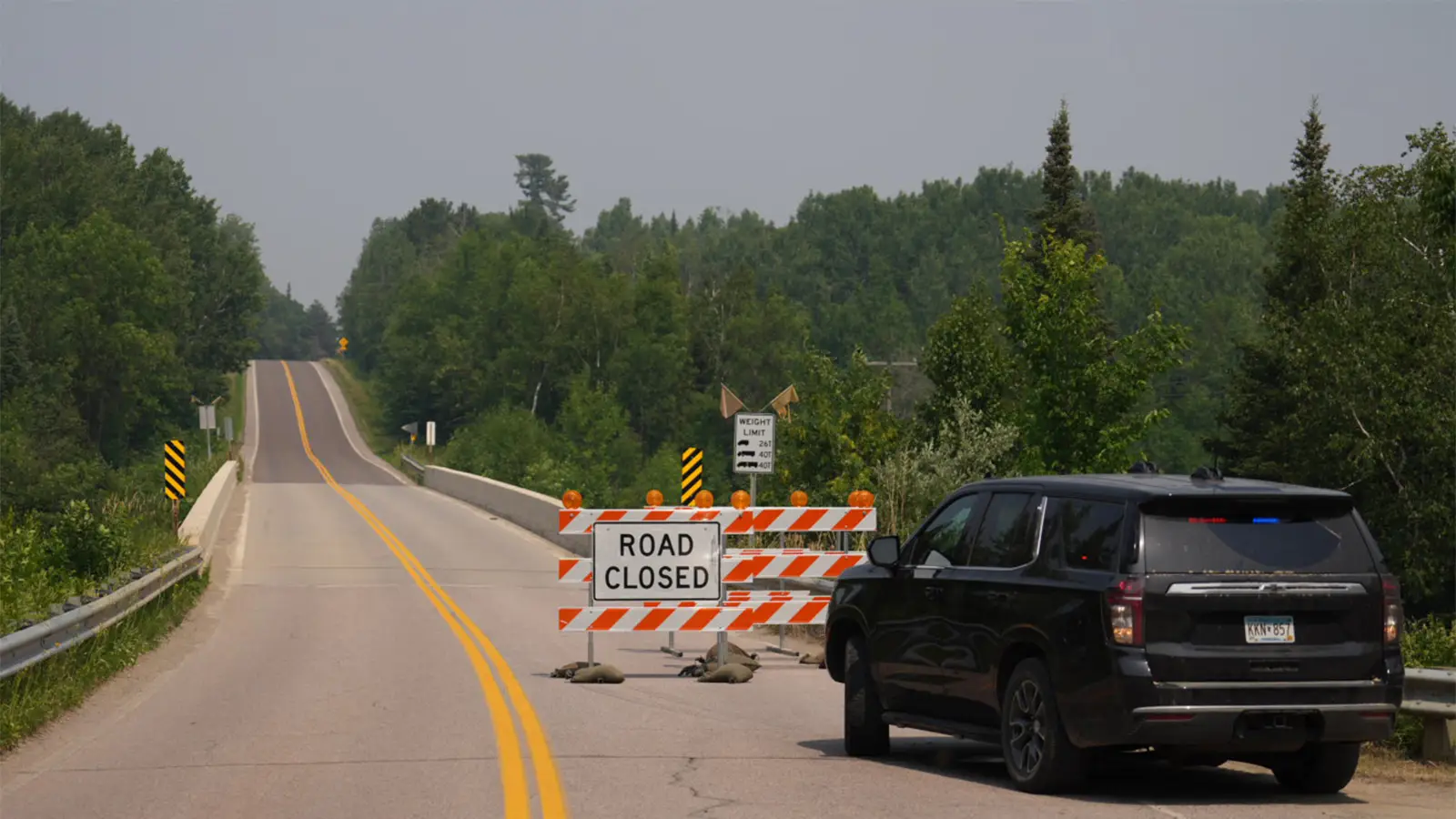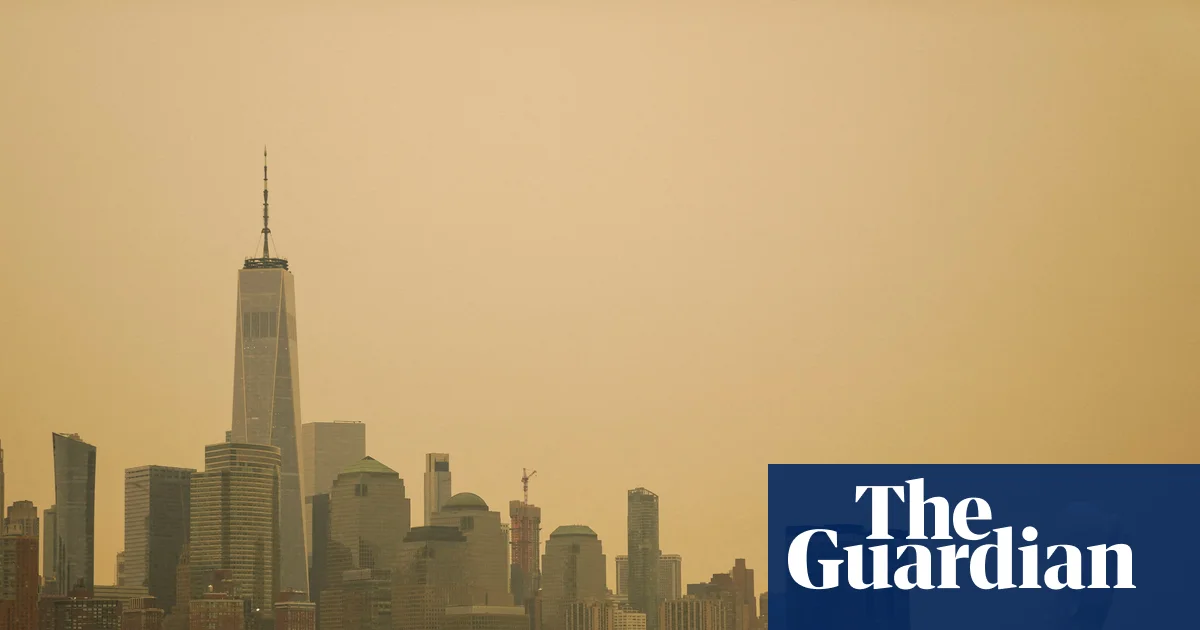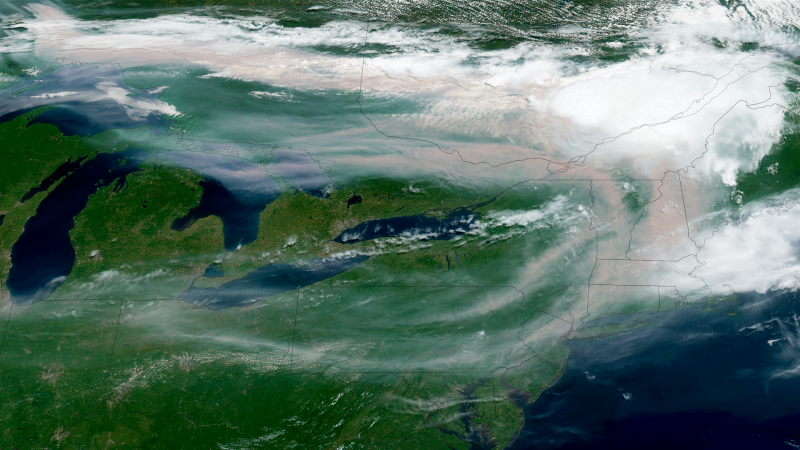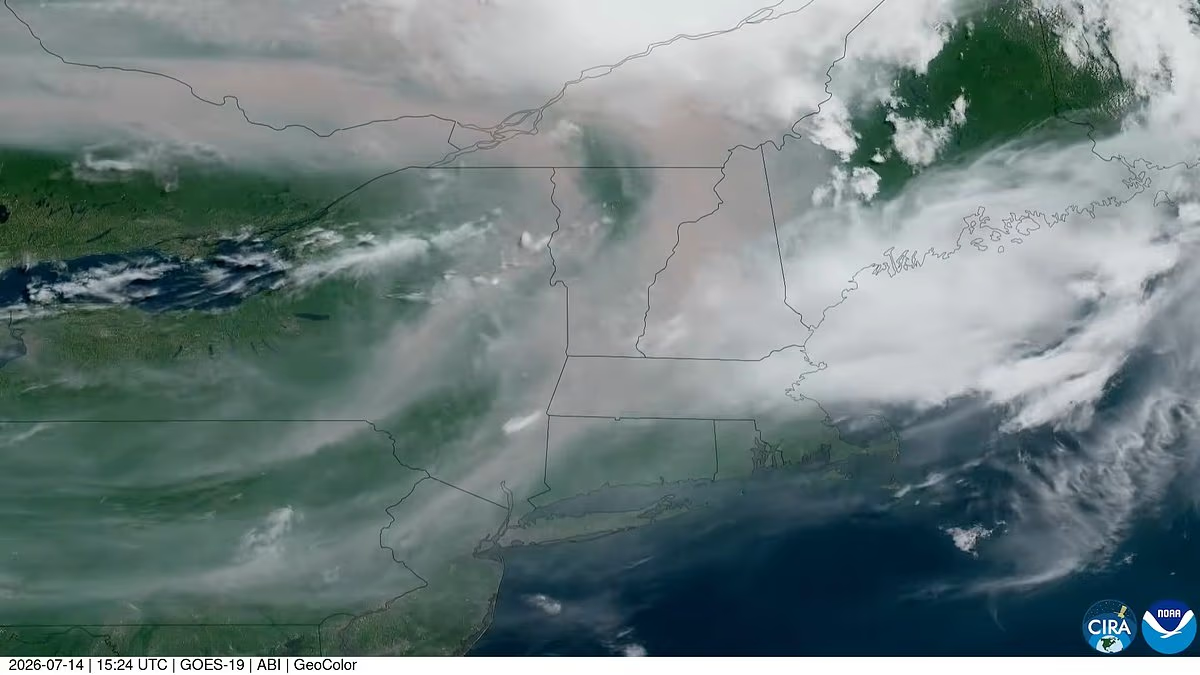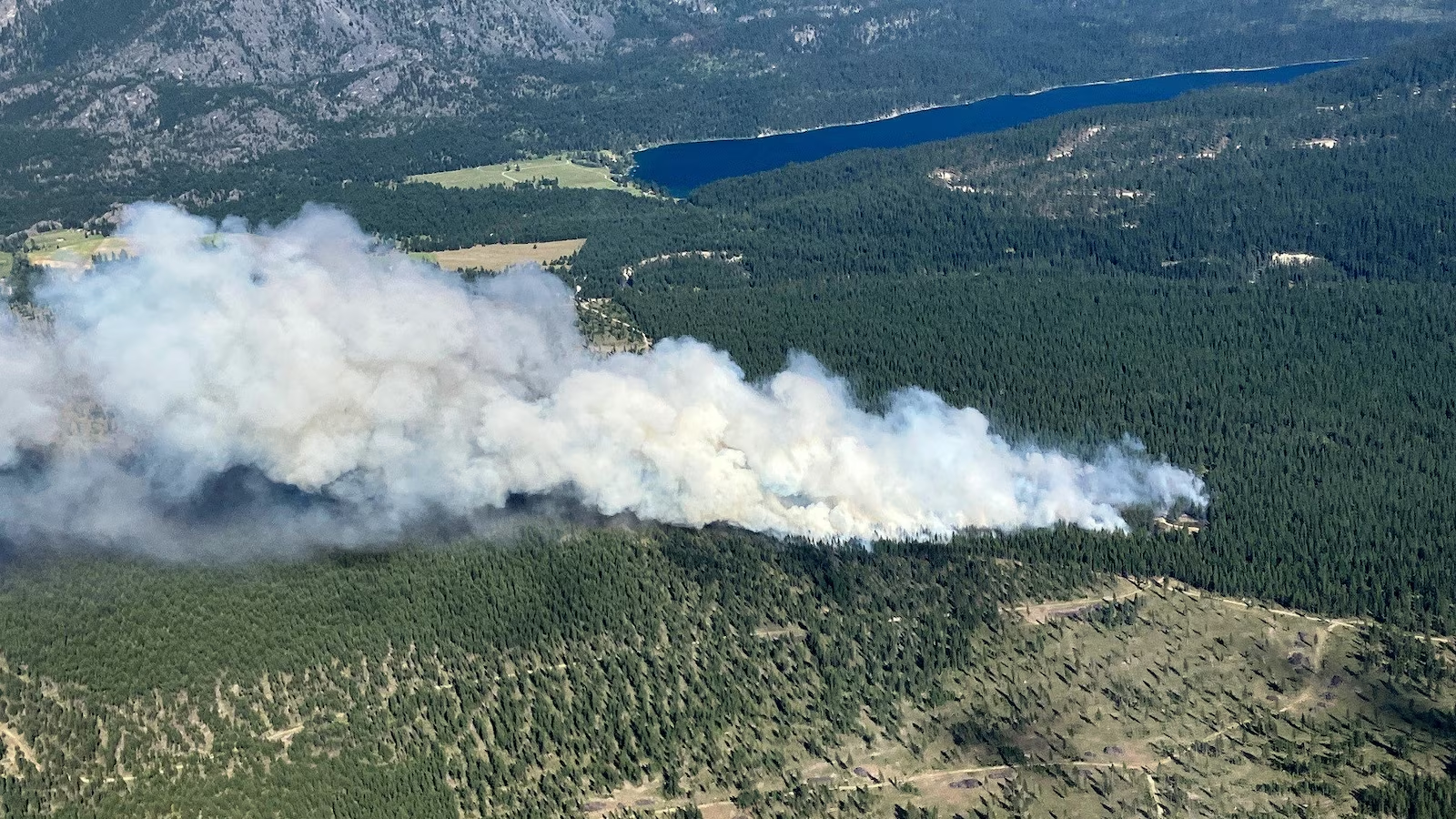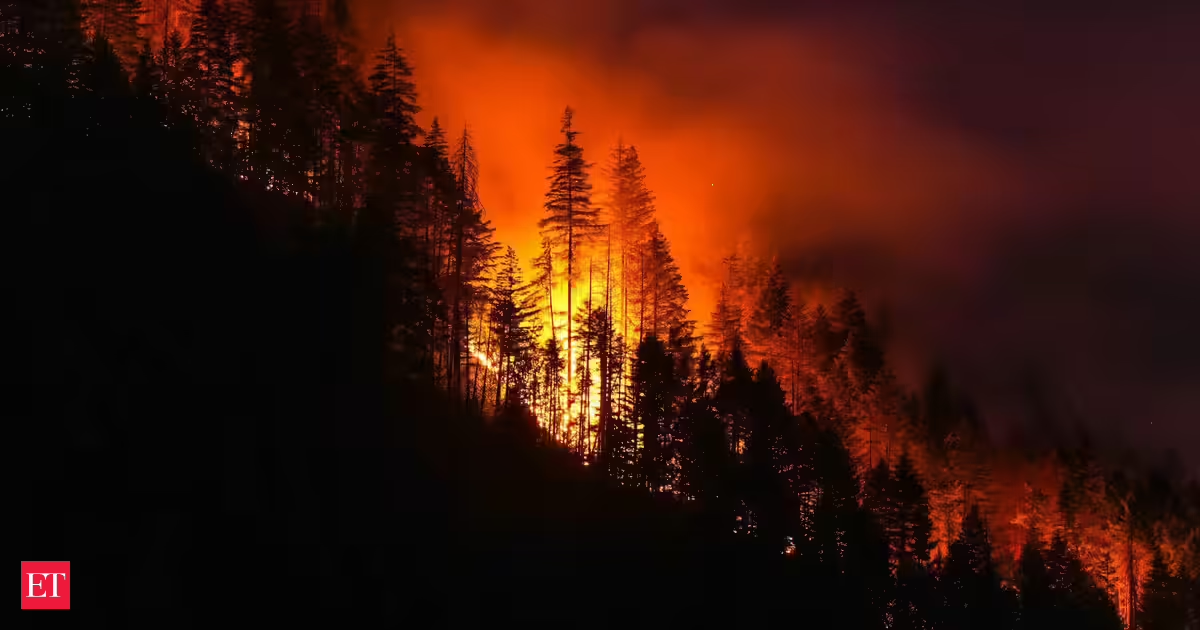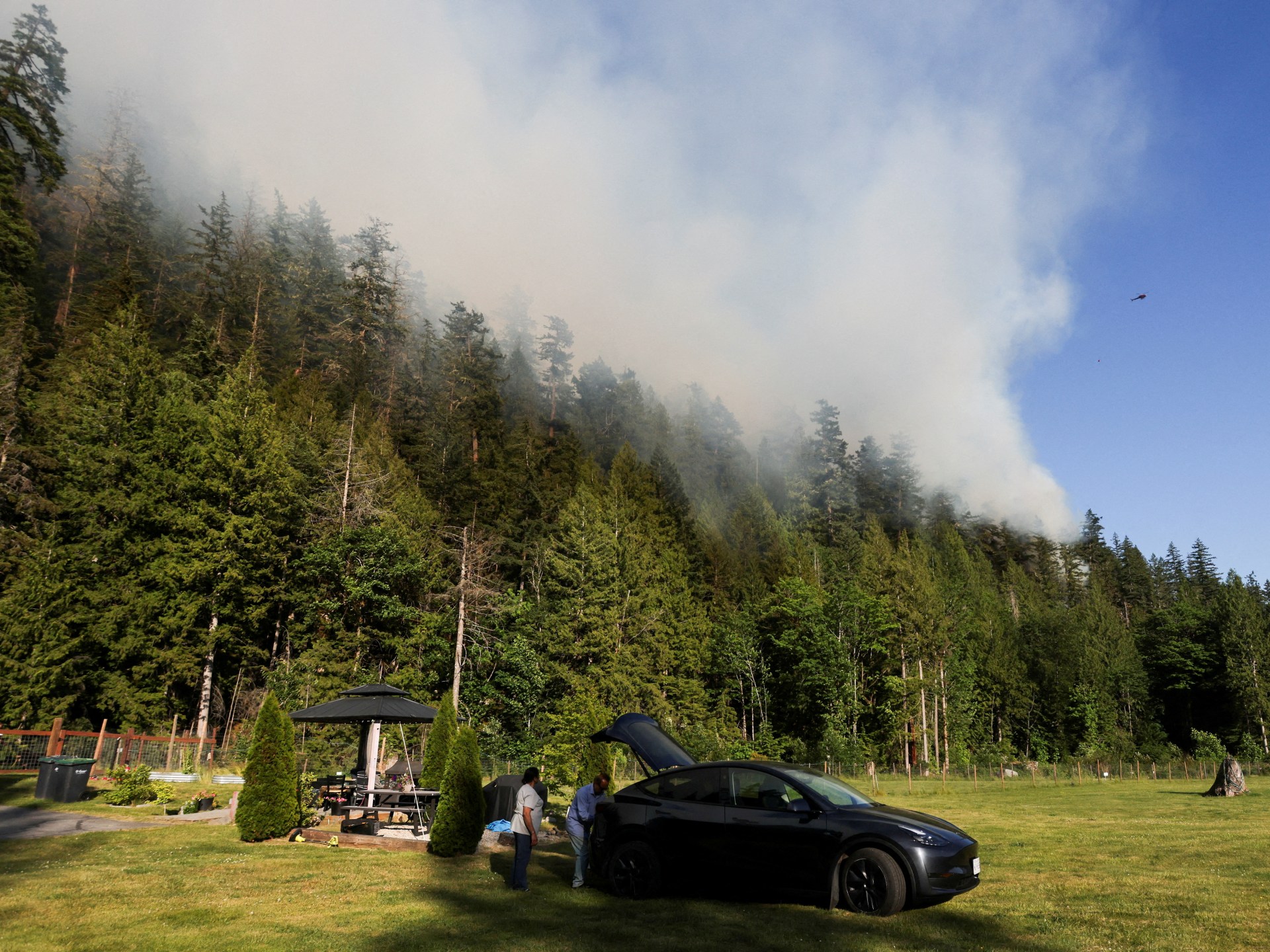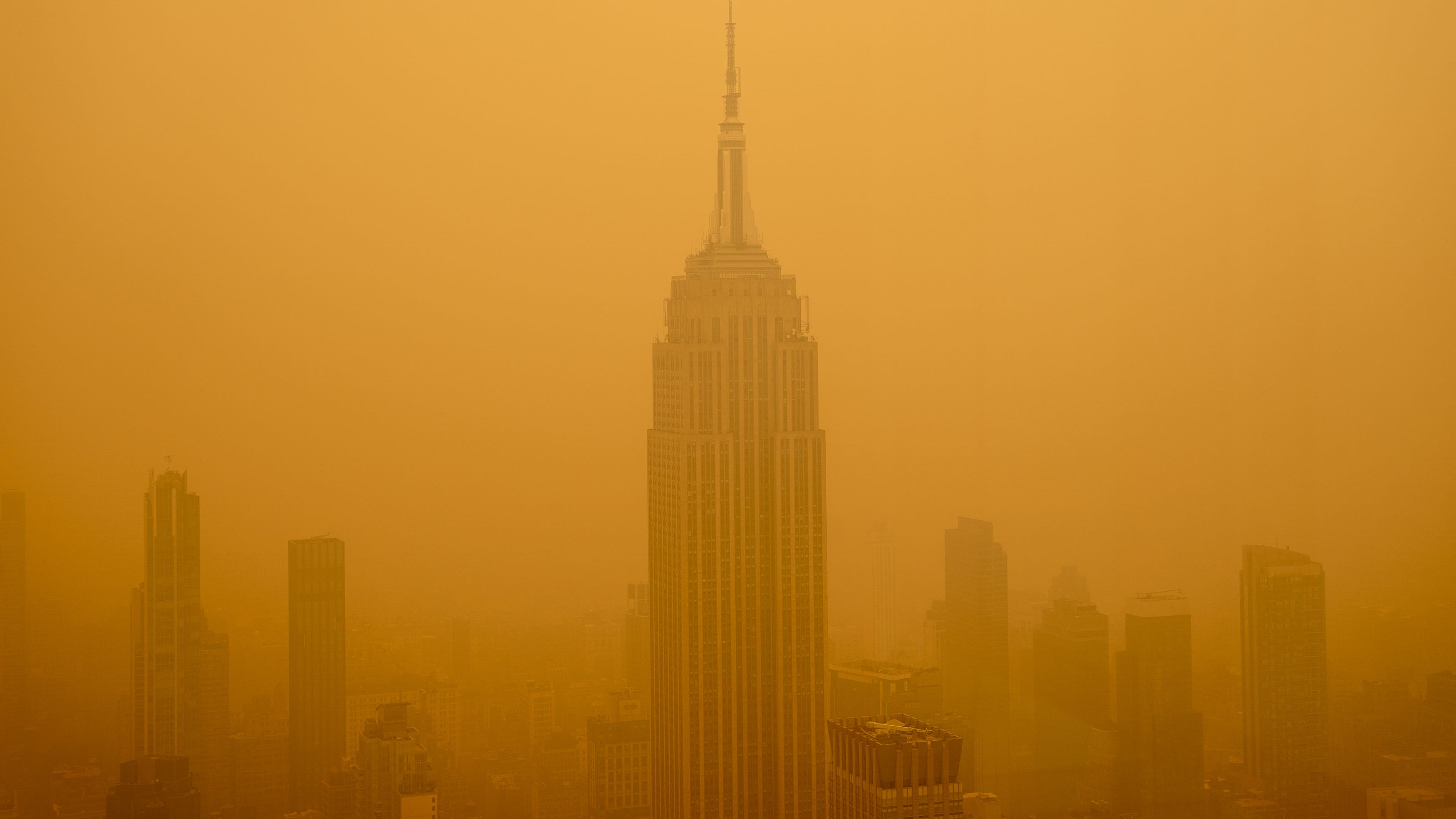
The smoke from the Canada wildfires 2026 is once again drifting across large parts of Canada and the United States, triggering air quality alerts, prompting evacuations, and raising fresh concerns among health experts. While the flames remain concentrated in several Canadian provinces, the impact is being felt hundreds of kilometres away as thick smoke blankets cities from Minnesota and Ontario to New York and parts of the US Northeast.Health experts warn that wildfire smoke is more than just an inconvenience. It contains tiny particles and toxic gases that can affect the lungs, heart and overall health, particularly among children, older adults, pregnant women and people with pre-existing medical conditions.Canada wildfires 2026 force evacuations as smoke spreads across North AmericaMore than 100 wildfires are currently burning across Canada, including several in Ontario, where dry conditions and high temperatures have fuelled rapid fire growth. In Minnesota, authorities ordered the evacuation of thousands of campers from the remote Boundary Waters Canoe Area Wilderness after multiple lightning-sparked fires spread through the region.Smoke from the fires has travelled far beyond the burn zones. Air quality warnings have been issued across Minnesota, Ontario, Wisconsin, Michigan, New York and other northeastern states, with forecasters warning that smoky conditions could extend even farther south.Officials have also cautioned that ongoing drought and unusually hot temperatures may allow some fires to continue burning for weeks or even months.Why wildfire smoke is considered more dangerous than normal air pollutionWildfire smoke contains a complex mixture of harmful substances, including:Fine particulate matter (PM2.5)Carbon monoxideNitrogen oxidesVolatile organic compoundsChemicals released from burning buildings, plastics, vehicles and other synthetic materialsUnlike typical urban pollution, wildfire smoke often contains particles produced from burning both natural vegetation and man-made materials, making it especially harmful when inhaled.Health problems linked to Canada wildfire smokeExposure to wildfire smoke can cause immediate symptoms even in healthy people, while significantly increasing risks for vulnerable groups.Common short-term health effects include:Persistent coughingSore throatWheezingShortness of breathChest tightnessEye irritationHeadachesDizzinessFatiguePeople living with asthma, chronic obstructive pulmonary disease (COPD), heart disease or other respiratory illnesses may experience worsening symptoms and require medical attention.Studies show wildfire smoke can affect the heart, lungs and pregnancyResearch over the past decade has found that wildfire smoke may have effects extending well beyond temporary breathing problems.According to researchers at the University of California, Davis, laboratory studies have shown that wildfire smoke triggers greater inflammation and tissue damage than an equivalent amount of conventional air pollution.Multiple population studies have linked wildfire smoke exposure with:Higher rates of heart attacksIncreased risk of strokeMore cardiac arrestsRising emergency department visits for respiratory illnessesReduced immune functionEye and skin irritationResearch following Australia's 2014 Hazelwood Coal Mine fire found elevated heart disease rates for around two and a half years after exposure, while respiratory illnesses remained higher for up to five years.Pregnancy and long-term health risksScientists are also examining how wildfire smoke affects pregnancy and long-term health.Studies have associated wildfire smoke exposure during pregnancy with:Pregnancy lossPreterm birthLow birth weightCanadian research has also suggested that people living within 50 kilometres of major wildfires over a prolonged period had a higher risk of developing lung cancer and brain tumours compared with those living farther away.Researchers are additionally investigating possible links between repeated wildfire smoke exposure and cognitive changes, fungal infections, neurological development in children, and long-term cardiovascular disease.Why heat and wildfire smoke together increase health risksMeteorologists say this week's smoke has coincided with unusually high summer temperatures across parts of North America.Health experts warn that extreme heat combined with poor air quality places additional stress on the body. Normally, people cool their homes by opening windows, but during heavy smoke events, windows should remain closed, making it harder to stay comfortable without air conditioning.The combination can increase dehydration, breathing difficulties and cardiovascular strain, particularly among older adults.Who faces the greatest risk?Experts say the following groups should take extra precautions:ChildrenOlder adultsPregnant womenPeople with asthmaIndividuals with COPDPeople with heart diseaseThose with weakened immune systemsOutdoor workersEven healthy adults may experience symptoms if exposed to heavy smoke for prolonged periods.How to protect yourself during Canada wildfire smoke eventsHealth agencies recommend limiting exposure whenever air quality deteriorates.Precautions include:Stay indoors as much as possible.Keep windows and doors closed.Use an air purifier or air conditioning with clean filters where available.Wear a properly fitted N95 mask if you must go outside.Avoid strenuous outdoor exercise.Monitor local air quality updates before spending time outdoors.Anyone experiencing severe breathing difficulty, persistent chest pain or worsening asthma symptoms should seek immediate medical attention.Scientists continue to study repeated wildfire smoke exposureResearchers say one of the biggest unanswered questions is how repeated exposure over successive wildfire seasons may affect long-term health.With climate change contributing to hotter temperatures, prolonged drought and more intense fire seasons, scientists are investigating whether repeated smoke exposure could increase chronic disease risks, affect drinking water, influence food production and amplify the health impacts of extreme heat.As the wildfires in Canada 2026 continue and smoke spreads across North America, public health experts stress that reducing exposure remains the most effective way to minimise health risks.Inputs from agencies
Canada Wildfires 2026: How people in US & Canada can protect themselves from toxic smoke that could put their lungs, heart and brain at serious risk; what studies say
Canada wildfires 2026 smoke drifts across North America, triggering air quality alerts and health concerns. Thousands of campers were evacuated from remote areas after lightning-sparked fires spread rapidly. Wildfire smoke contains harmful particles and gases affecting lungs and hearts, especially for vulnerable groups. Health experts warn that extreme heat combined with poor air quality increases health risks. Reducing exposure to smoke remains the most effective way to minimize health risks.
830 words~4 min read