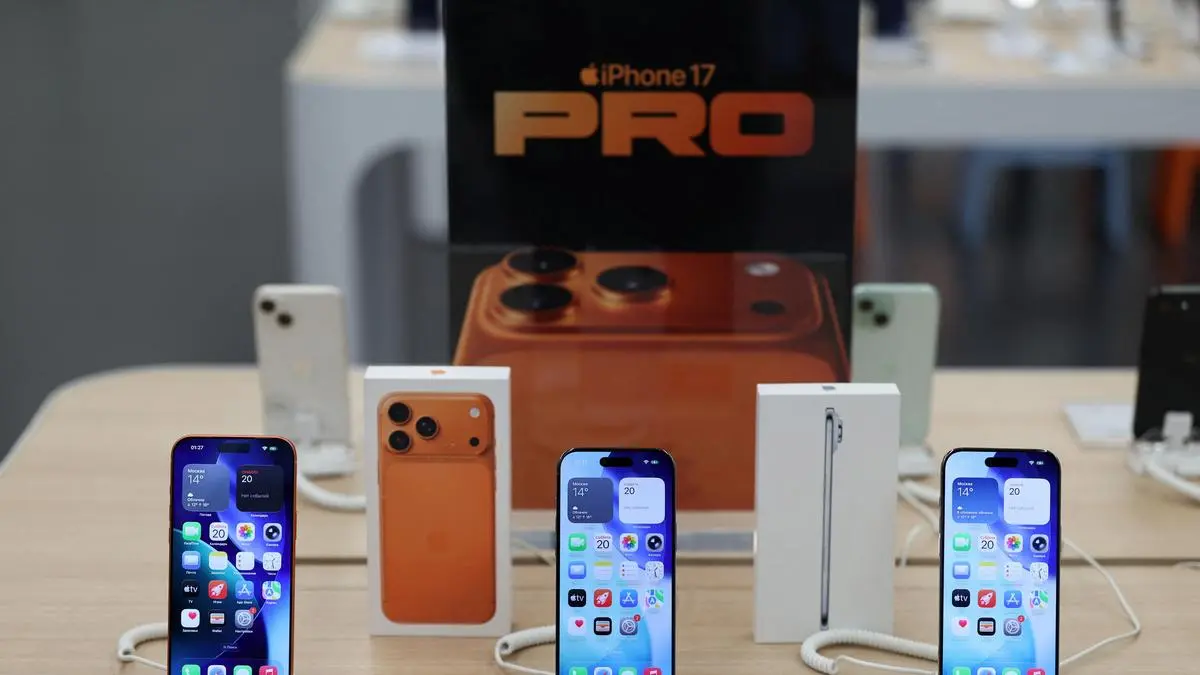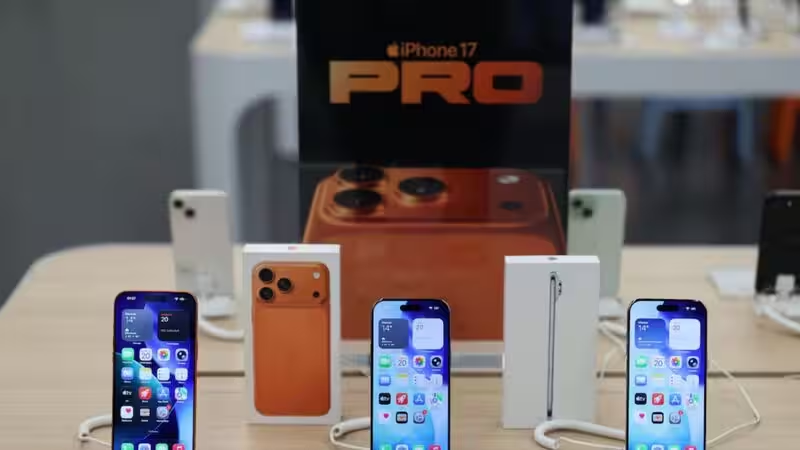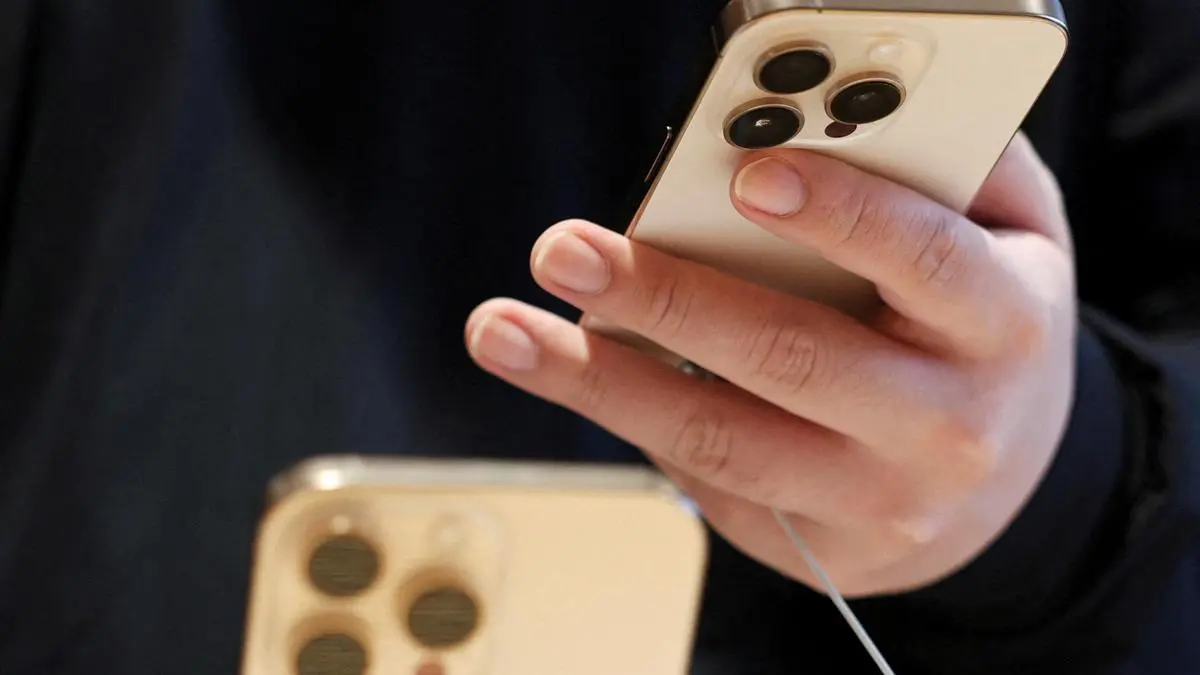
Apple’s shipments declined 3 per cent y-o-y in Q2 2026, with its market share reaching 7 per cent. Nothing was India’s fastest-growing smartphone brand in Q2 at 105 per cent y-o-y
| Photo Credit:
REUTERS/FLORENCE LO
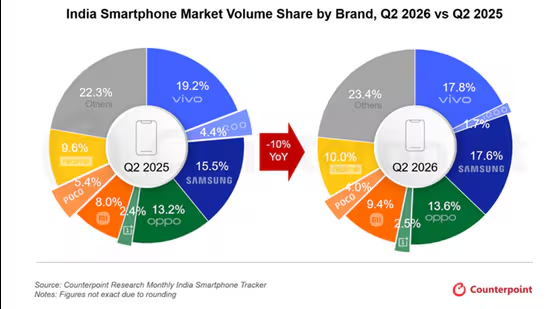
Record-high memory chip costs have dragged down India’s smartphone shipments by 10 per cent on an annual basis for the April-June quarter of 2026. This is the biggest June-quarter decline in six years, according to Counterpoint Research’s Monthly India Smartphone Tracker.“We expect India’s smartphone market to remain under pressure through the rest of the year, as elevated memory and component costs continue to keep device prices high. We expect the market to decline by 13 per cent year-on-year for the full year,” said Tarun Pathak, Research Director, Counterpoint Research.Smartphone memory prices have increased nearly four times since September 2025 and are expected to rise further, potentially reaching five times their previous levels in the coming months, as per Pathak.Since component prices are unlikely to normalise before next year, affordability will remain the industry’s biggest challenge. OEMs are expected to focus on portfolio optimisation, financing-led affordability, and premium offerings to support demand in preparation for the second half of the year that accounts for the majority of smartphone sales. While the mass-market segment is likely to remain under pressure, the premium segment is expected to stay resilient, supported by financing options and rising consumer preference for high-value devices.Segment pressureMemory chip drove up smartphone prices across almost all segments, weakening consumer demand and extending replacement cycles, despite promotions and financing initiatives. The market faced pressure on both demand and supply side.“On the supply side, persistent increases in memory and other component costs prompted almost every major OEM to implement multiple rounds of price hikes, resulting in an average smartphone price hike of around 15 per cent by the end of the second quarter,” said Senior Analyst Prachir Singh.Further, macroeconomic headwinds, inflationary pressures and weak discretionary spending weighed on replacement demand. The mass-market segment of sub-₹ 15,000 smartphones suffered the biggest hit with shipments declining 45 per cent annually.“As most Chinese brands are heavily exposed to the entry- and mid-tier segments, their overall market share fell to its lowest level for a second calendar quarter since 2020,” said Singh.Many OEMs expanded their 4G portfolios in the mass-market segment to weather market conditions. This means 4G will play a critical role in serving value-conscious consumers until component costs stabilize.On the other hand, ultra-premium smartphones of above ₹45,000 remained relatively resilient, supported by the growing adoption of financing options.Apple’s shipments declined 3 per cent YoY in Q2 2026, with its market share reaching 7 per cent. Nothing was India’s fastest-growing smartphone brand in Q2 at 105 per cent YoY. Meanwhile, smartphone financing (NBFC, credit/debit card EMI) accounted for over 50 per cent of mainline smartphone sales in India.MediaTek continued to lead India’s smartphone chipset market with a 49 per cent shipment share while Google emerged as the fastest-growing smartphone brand in the ultra-premium segment in Q2, posting 68 per cent annual growth. The brand benefited from strong marketing, rapid offline channel expansion and the absence of price hikes, as per Counterpoint Research.Published on July 17, 2026