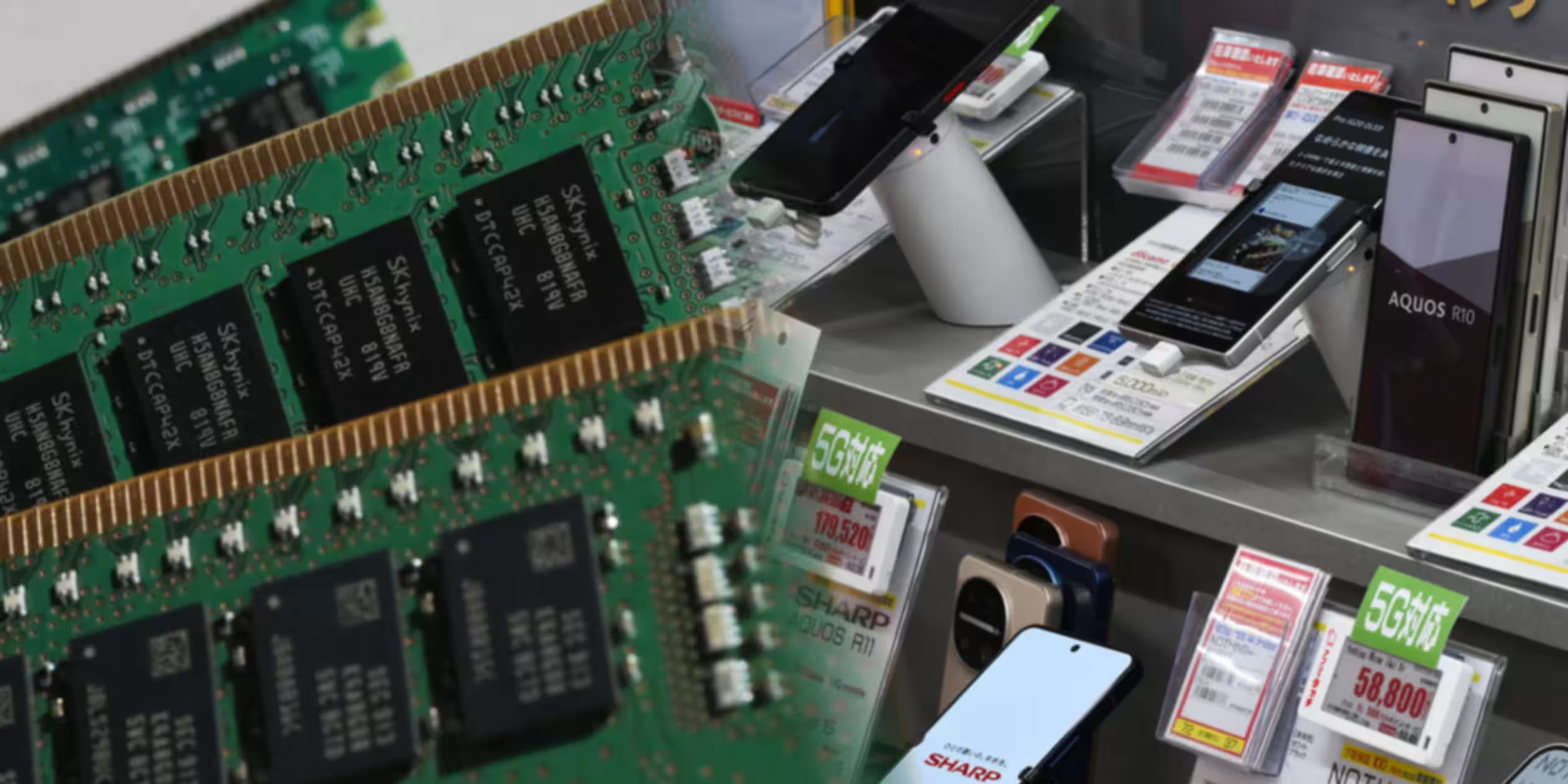
Months after analysts warned that AI-driven demand for memory chips would ripple through consumer electronics, India is providing the strongest evidence yet that the disruption has arrived, with rising handset prices reshaping the smartphone market.
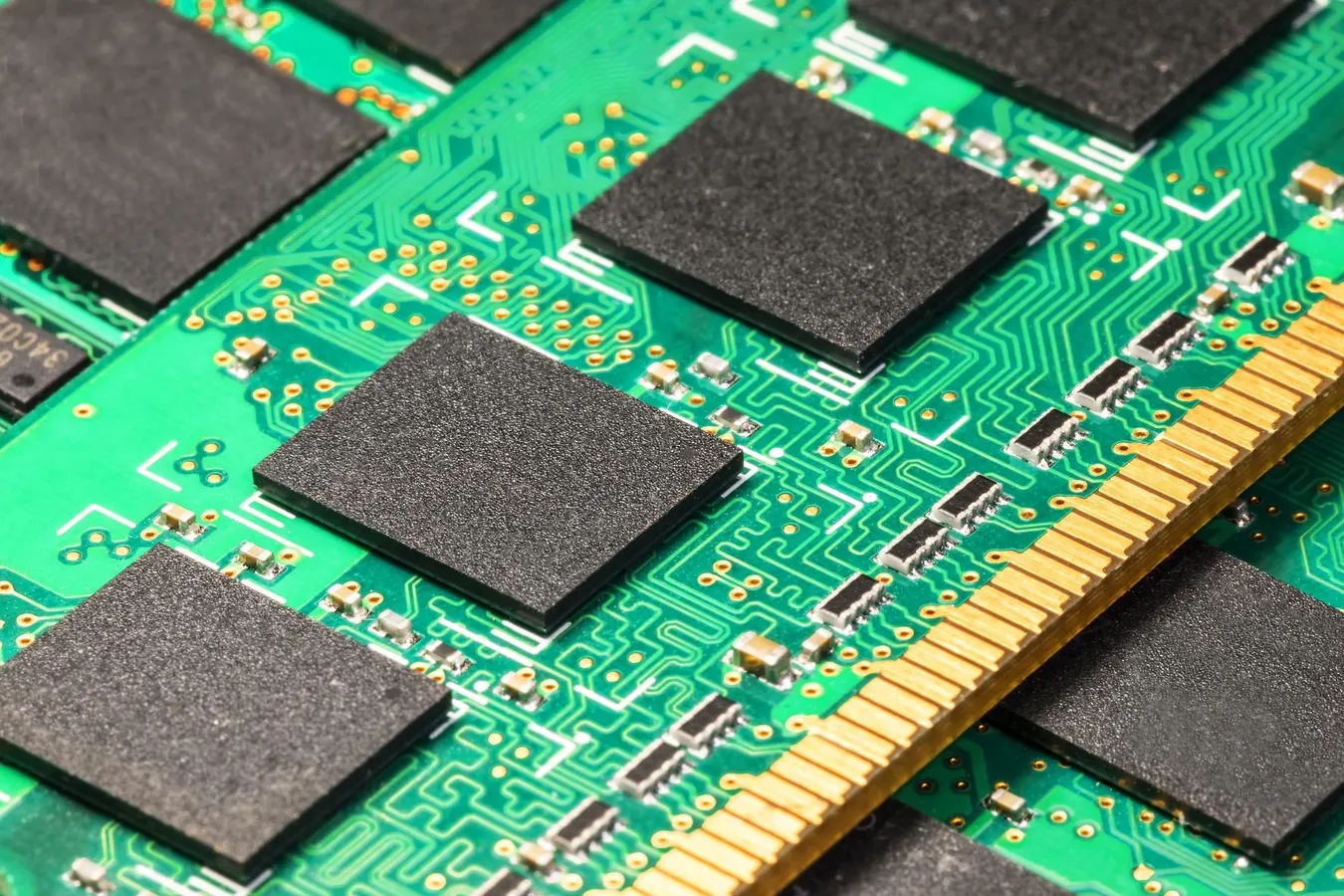
The memory chips in question — RAM and storage components — are the same ones tech giants need by the truckload to build AI data centers. Manufacturers like Samsung, SK Hynix, and Micron have been shifting production capacity toward high-bandwidth memory, the specialized chips used in AI accelerators, because they’re much more profitable per wafer than the standard memory used in phones and laptops — leaving less capacity, and driving up costs, for everyday consumer electronics.
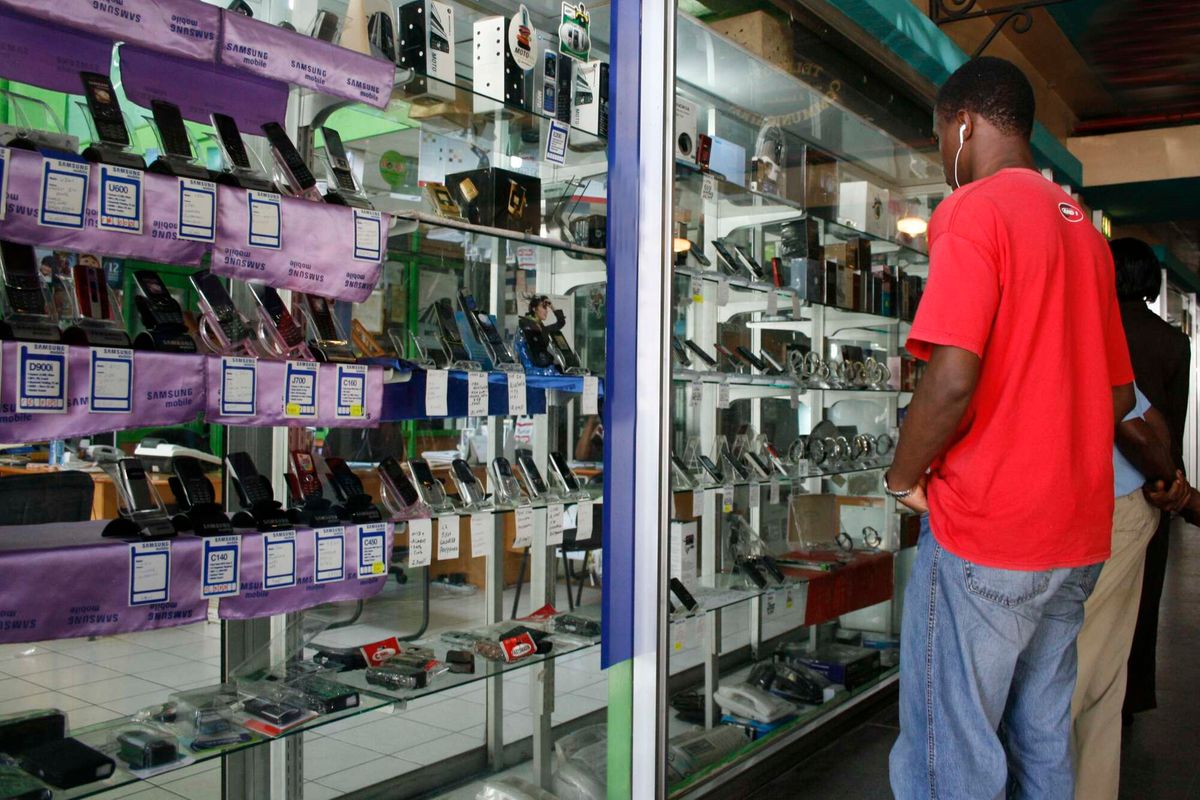
India, the world’s second-largest smartphone market by shipments after China, saw smartphone shipments fall 10% year-over-year in the April-June quarter, according to market research firm Counterpoint Research, marking the steepest June-quarter decline in six years as higher memory costs pushed up handset prices.
The impact has been more pronounced in India than in China, where smartphone shipments fell just 2% in Q2, according to Counterpoint. India has been hit harder because about 60% of its smartphone market is concentrated in the sub-₹20,000 (under $210) segment, where higher memory costs have had the biggest impact on prices, Tarun Pathak, the firm’s vice president of research, told TechCrunch.