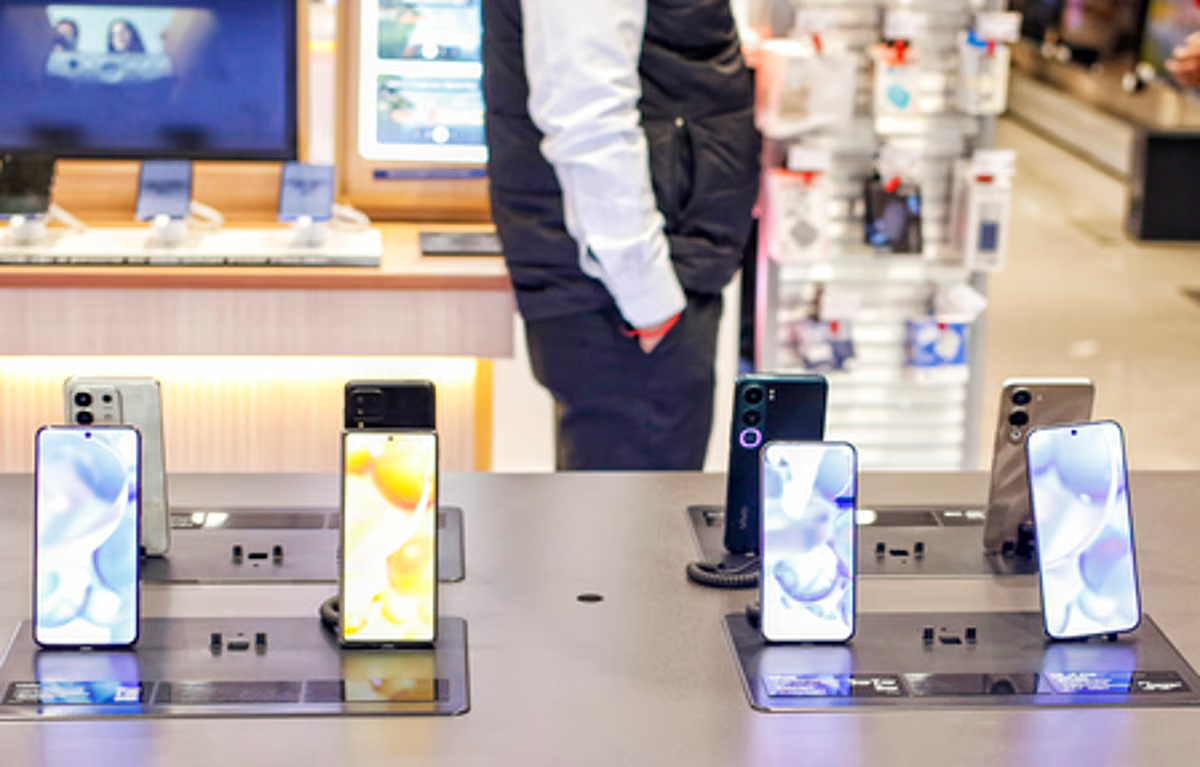
TL;DRMemory makers redirected wafers from phones to AI chips. LPDDR prices surged 250%. India’s sub-$100 phone market collapsed 59%.
In 1985, the best computer a reasonably affluent American could buy was the IBM PC AT, which cost $19,400 in today’s money. Today, a Tecno Spark Go costs $30 in a Nairobi market stall and runs a processor billions of times faster. No other good in history has experienced a cost decline on that scale.
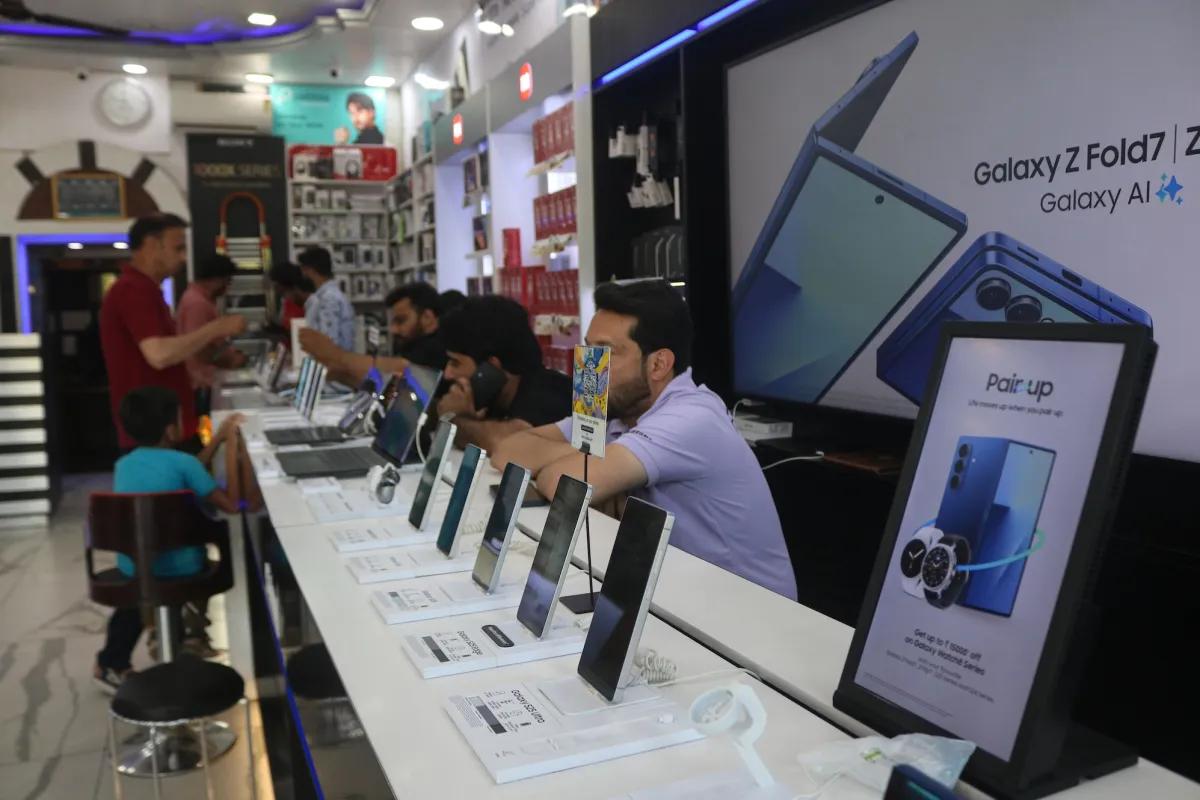
That era is now ending. The International Data Corporation predicts worldwide smartphone shipments will fall 13% in 2026, the largest single-year decline ever. In Africa and the Middle East, the drop exceeds 20%.
The crash is concentrated at the cheapest end of the market. IDC calls it “a structural reset of the entire market.” A huge share of the world’s population is getting priced out of smartphone ownership.
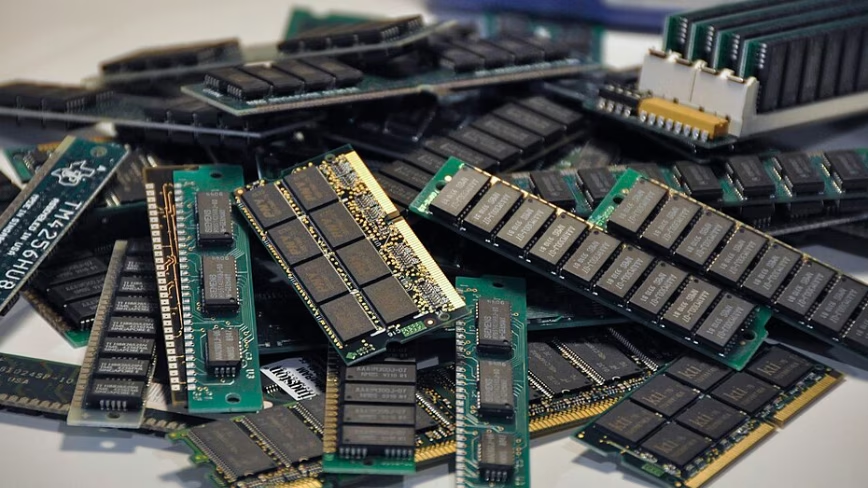
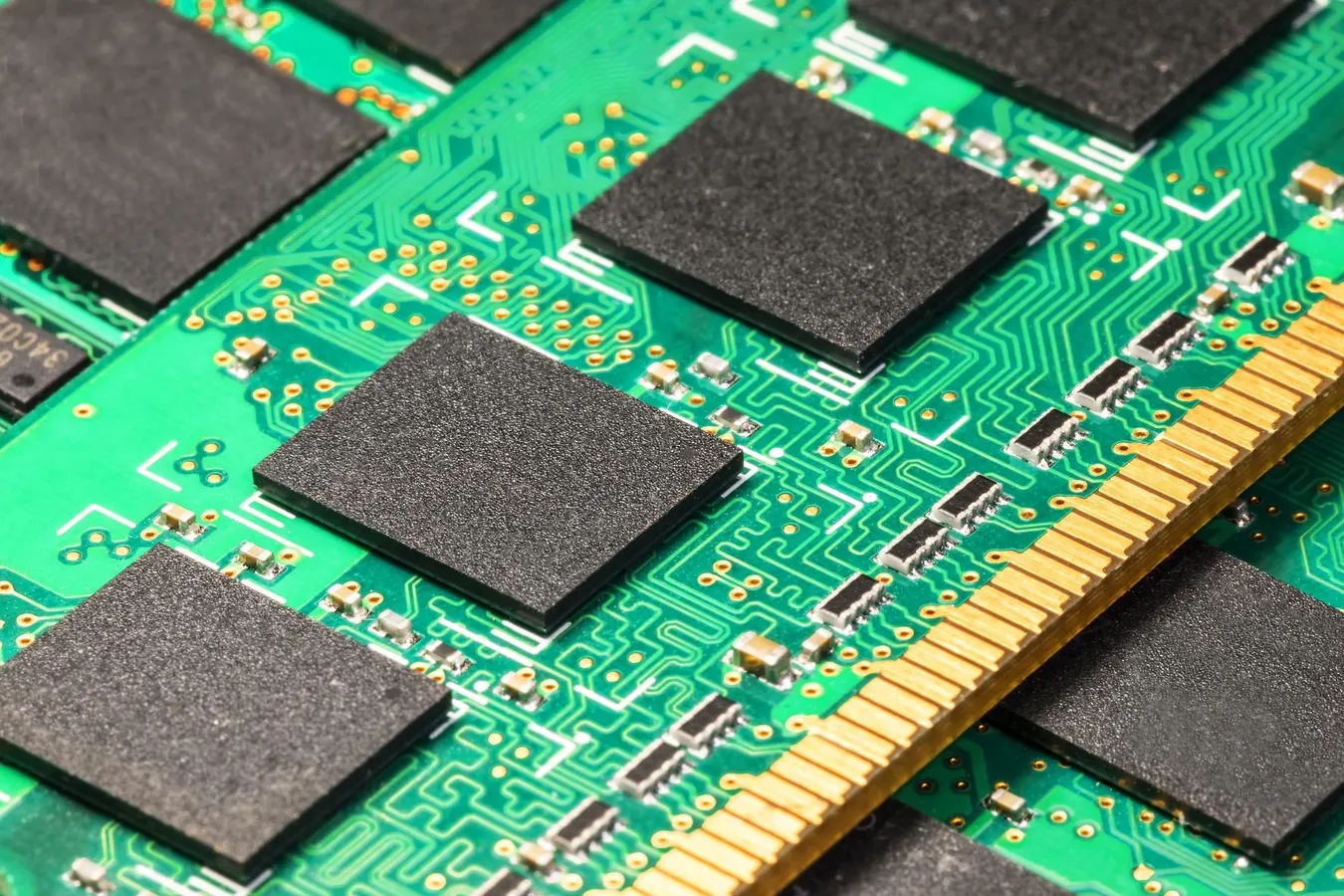
The reason is memory. Smartphones, like all computers, use DRAM. The global supply of DRAM is remarkably inelastic because memory is extraordinarily difficult and expensive to produce.The 💜 of EU techThe latest rumblings from the EU tech scene, a story from our wise ol' founder Boris, and some questionable AI art. It's free, every week, in your inbox. Sign up now!