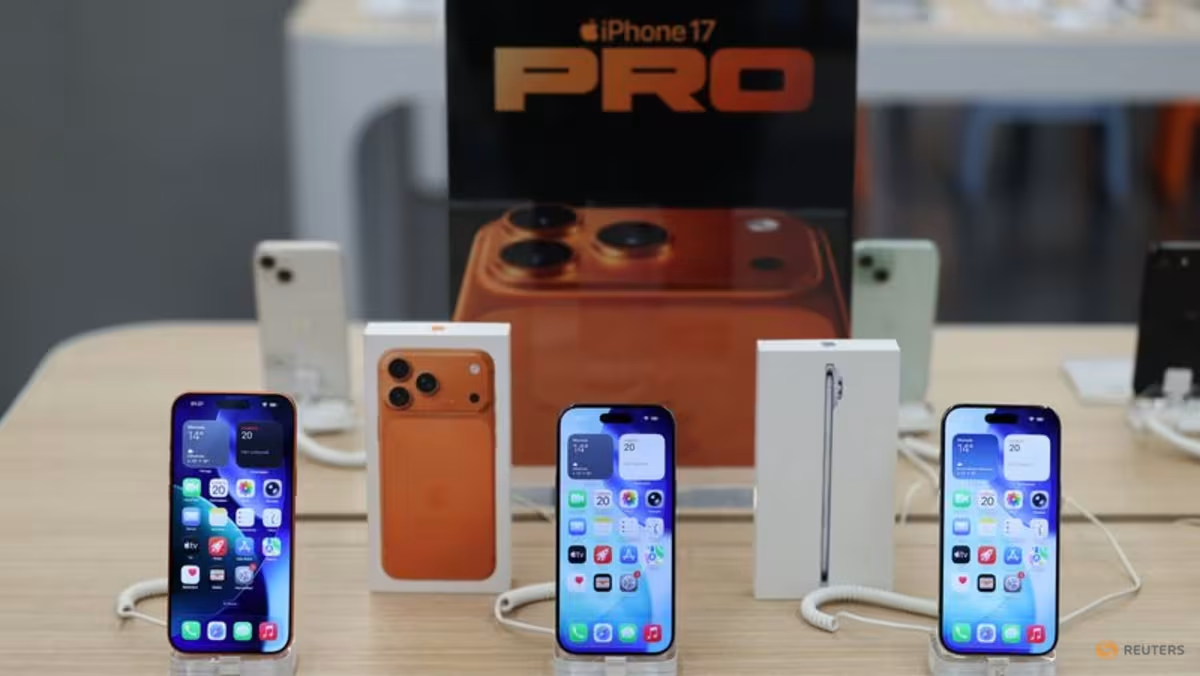
For the fifth quarter running, fewer phones left Chinese warehouses than a year earlier. Shipments fell 4.3% to 66 million units in the second quarter, according to figures published on Tuesday by IDC, as manufacturers raised prices to cover the rising cost of memory and other components.
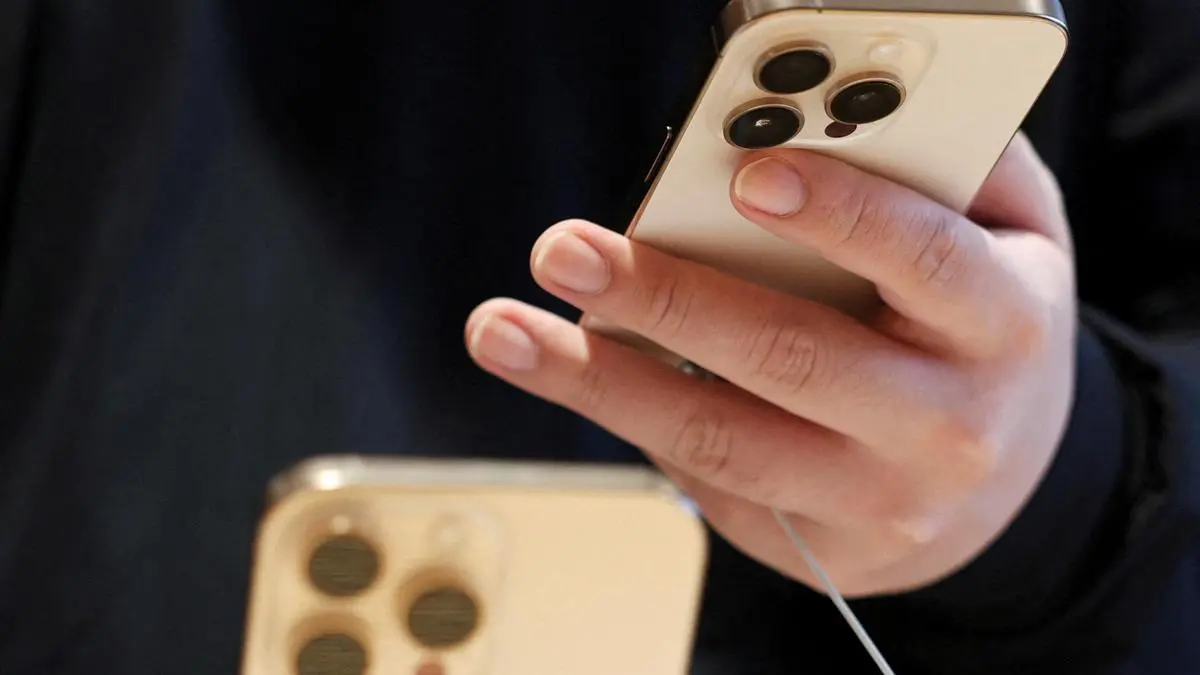
First-half shipments were down 4.2% on the same period last year. A run that long stops looking like a soft patch and starts looking like the shape of the market. But, only two vendors grew. Huawei shipped 19.4% more phones than it did a year ago, and Apple 24.4%, giving them 22.6% and 18.1% of the market respectively.
Everyone else went backwards. Xiaomi, in fifth place, saw shipments fall 21.7%, while Oppo and Vivo were down 9.7% and 11.4%. What separated the winners from the rest was not a product cycle, it was nerve on pricing.
“Huawei and Apple held their prices steady while competitors were raising theirs, and that gave hesitant buyers a reason to go ahead and purchase in a quarter when most of the market was giving them a reason to wait,” said Arthur Guo, a senior analyst at IDC China.
The reason competitors were raising prices at all sits a long way from the shop floor. DRAM prices have surged as the handful of firms that make nearly all the world’s memory divert wafer capacity towards the high-bandwidth parts that AI accelerators consume, leaving the phone industry to bid for what is left.