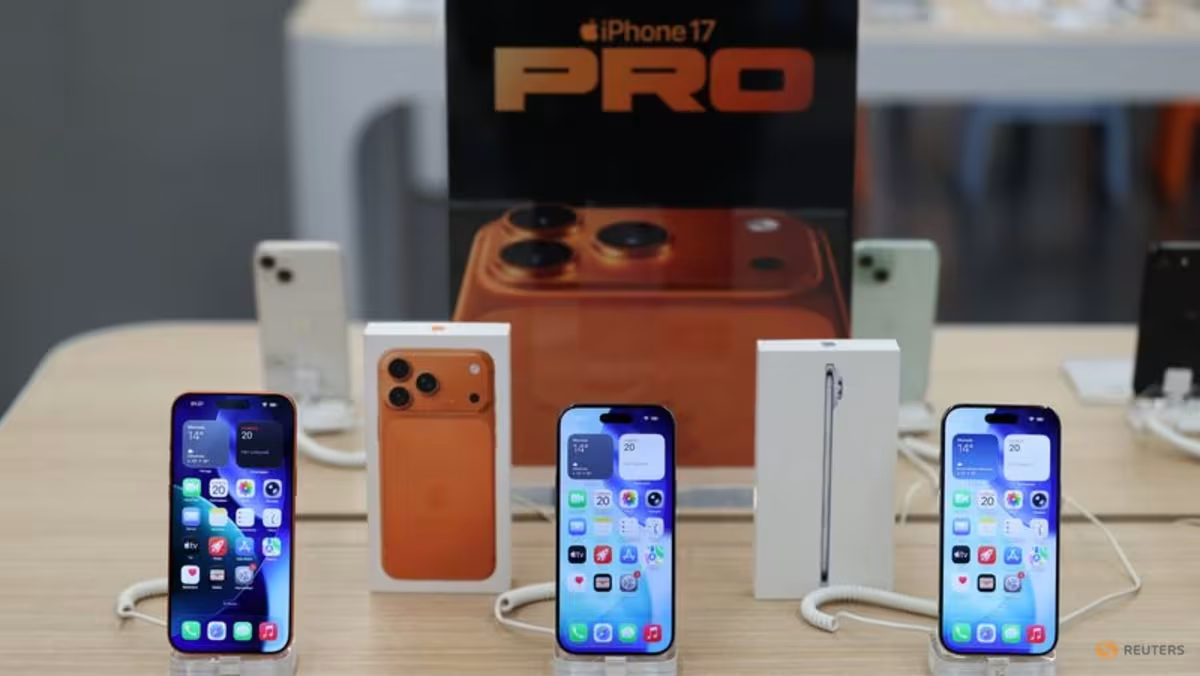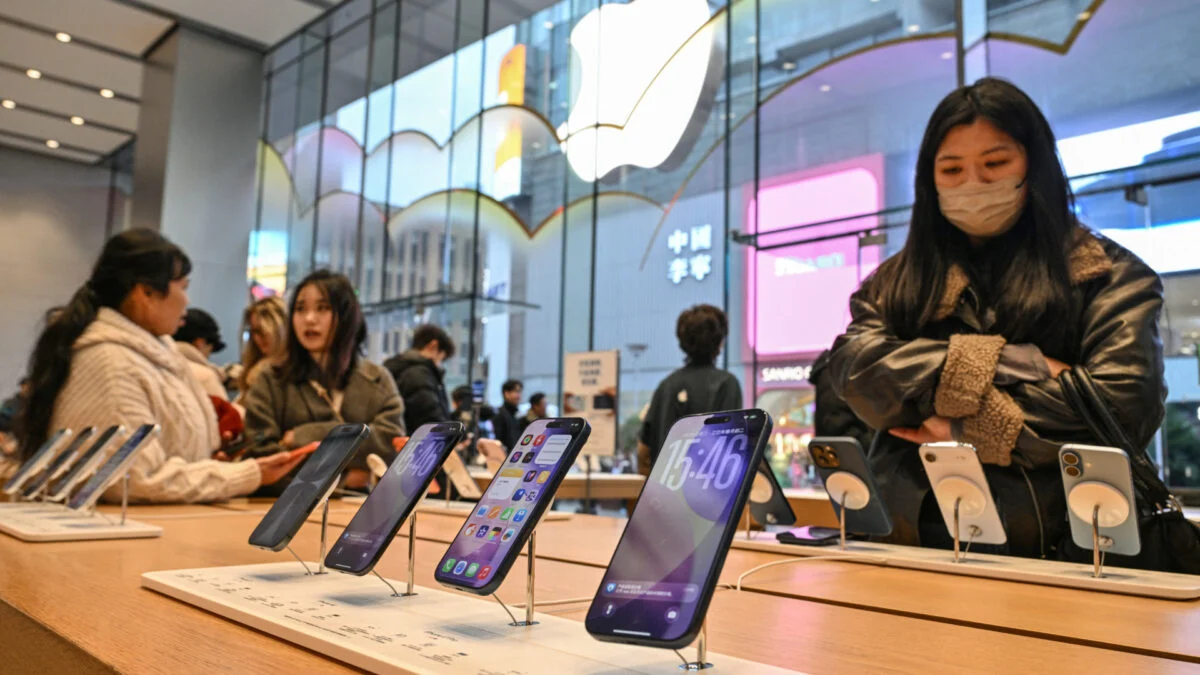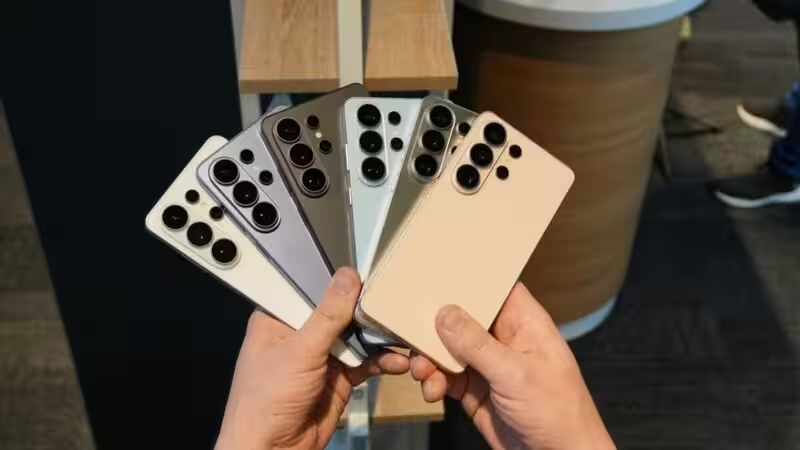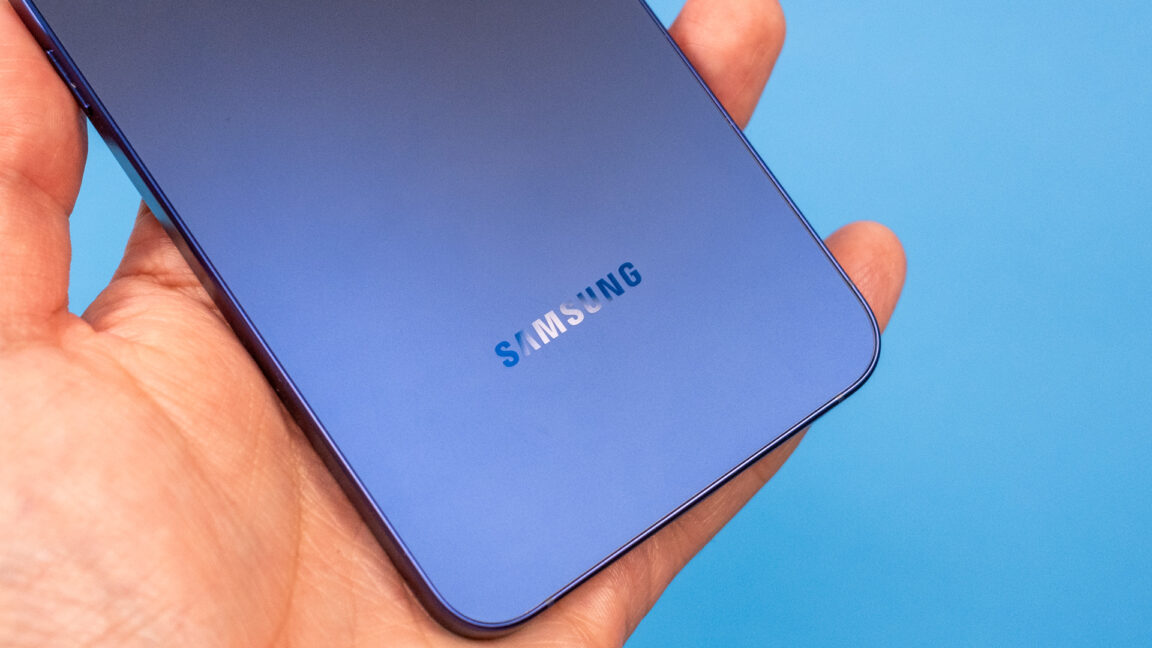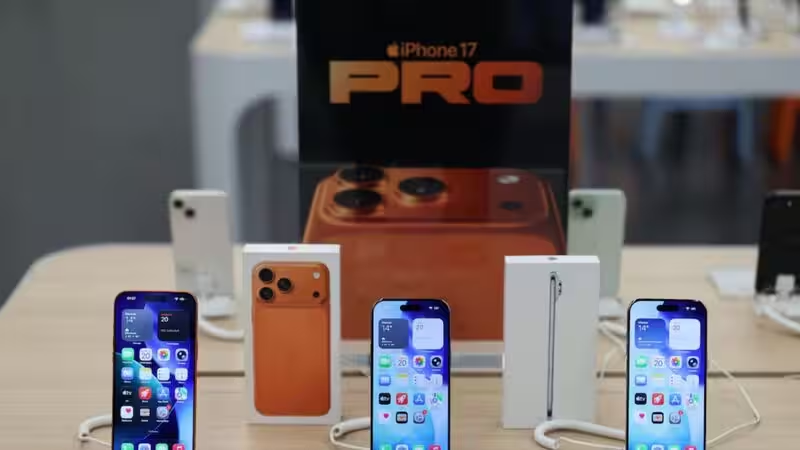
Global smartphone shipments got experienced its lowest in the second quarter of 2026. This was the weakest Q2 for the industry since 2013, and there are a few factors to thank: increases in memory chips prices, retailers pricing too high, and buyers not in a spending mood. Preliminary estimates put the worldwide drop at 11% year on year, with budget and mid range phones taking most of the hit.Even with the market shrinking, Samsung and Apple actually gained ground, which says a lot about how demand for premium phones held up compared to everything else. Xiaomi, Oppo and Vivo didn't fare as well, they lost share since so much of their business leans on buyers who are watching every rupee or dollar they spend. Analysts keep pointing back to the memory supply crunch as the real culprit here, mostly driven by AI demand eating up DRAM and NAND supply, and it's pushing the whole industry further toward premium devices whether brands like it or not.About The AuthorHey there, i am a technology enthusiast with a deep passion for gadgets, consumer electronics, emerging technologies, and the fast-paced world of digital innovation. Constantly exploring the latest tech trends, product launches, and industry developments, I enjoy translating complex technological advancements into engaging and accessible stories for readers. My interests span smartphones, wearables, artificial intelligence, smart devices, and the broader technology ecosystem. As I begin my journey as a Tech Journalist at Gadgets Now, I am excited to contribute to a platform that informs millions of readers, combining my passion for technology with storytelling to deliver insightful, accurate, and timely tech coverage.Why global smartphone shipments fell to a 13-year Q2 lowThe biggest factor behind all this is memory chip prices, they've been climbing for a while now, and that's driven manufacturing costs up across the board. Estimates suggest memory suppliers kept favoring AI infrastructure orders over consumer electronics, simply because that's where the bigger margins are, and that kept DRAM and NAND supply tight for phone makers.The only option smartphone makers really had was to increase prices - particularly on their budget and mid-range phones which barely earned anything anyway. Such price increases mean that even more customers in price-sensitive markets chose to skip upgrades altogether and that is largely why shipment sales slid 11% in the second quarter of 2026 year-over-year. Analysts cite economic uncertainty and low consumer confidence to be at least some of the reason why people held on to their current handsets rather than upgrading to new models.What Omdia's report says According to Omdia's latest numbers, global shipments fell 4% year on year in Q2 2026, still the weakest second quarter since 2013.They link this to increasing prices for DRAM and NAND memory, driving up the cost to produce goods and hence driving up prices and ultimately demand. Whilst there was a decline across the sector as a whole, Samsung managed to increase its share from 20% in Q2 2025 to 22% in Q2 2026.Apple saw an increase from 16% to 20% over the same period. The only decline on that chart was Xiaomi who dropped from 15% to 11%, with Oppo dropping from 12% to 10%, and Vivo dropping only slightly from 7% to 8%.How Samsung and Apple expanded market share despite the downturnOut of all those names that declined across the market, Samsung and Apple were the two actually in the green. Samsung again topped the market with a global market share of 24% - perCounterpoint Research- propelled by its latest flagship device sales, more available inventory, and steady price points across its core regions.More articles by AuthorTrending StoriesMeanwhile, Apple reached an all-time market share high of 20% for the quarter while holding its current iPhone sales trends and refusing to significantly lower prices.The thinking here is simple enough, premium buyers just don't feel price increases the way budget shoppers do, and that gap let both companies pull ahead of everyone else. Solid supply chain management and loyal customer bases helped too, cushioning some of that blow from rising component costs.Market Share Comparison: Top Smartphone Brands (Q2 2025 vs Q2 2026)BrandQ2 2025 Market ShareQ2 2026 Market ShareChangeSamsung20%24%+4 percentage pointsApple17%20%+3 percentage pointsXiaomi14%12%-2 percentage pointsOppo12%11%-1 percentage pointVivo7%8%+1 percentage pointSource: Preliminary market estimates from Counterpoint Research.How rising component costs are reshaping smartphone strategiesAs per report, Manufacturers are starting to take a pass on trying to move units and would rather throw all their energy behind higher end devices. Mainly, we are hearing prices and margins are getting crushed, so to boost profits, some forecasts are now suggesting memory costs make it less of a profitable strategy to try and sell bottom tier devices. They have either reduced units produced, are increasing costs or focusing exclusively on the premium tier of products.AverageSellingPrice is expected to continue rising even if shipment numbers decrease throughout 2026.The only solution for many will be shaving off some of the features in lower cost models, dialing back discounts, and narrowing product lines to defend their margins.Over time, that's going to favor the premium players while making it harder for budget conscious buyers to find something affordable.Why Xiaomi, Oppo And Vivo Got Hit HarderChinese smartphone makers felt this more than most, mainly because so much of their business sits in the entry level and mid range space. Those segments take the worst of component inflation, since buyers there are much more sensitive to price, and manufacturers don't have a lot of room to eat those extra costs themselves.As production costs went up, several brands just cut shipments rather than sacrifice their margins. Xiaomi and Oppo are both losing share according to the preliminary estimates, with Vivo barely hanging on to its tiny gains. That pressure won’t abate easily, analysts say, with high memory costs and slow upgrade cycles in emerging markets potentially biting them throughout the year.Where The Smartphone Industry Goes From HereMarket researchers expect this pressure to stick around for the rest of 2026 unless memory supply actually improves.Forecasts suggest, demand for cutting edge memory chips looks like it's set to continue at pace for some time yet - the supply of which could mean costs remain high into at least late 2027.In turn, it’s still very possible that smartphone makers prioritize profits over sales numbers in this scenario, and continue to focus on high end hardware, as well as being more selective about what products make it to shelves. For many buyers this likely translates into less affordability at entry level, and overall increases in prices across the board, though higher-end brands might have a somewhat stronger outlook for a while. The broader market doesn't feel like it will be a quick rebound any time soon given the cost and longer replacement cycles. FAQsWhy did global smartphone shipments decline in Q2 2026?The decline was mainly driven by rising memory chip prices, higher smartphone retail prices, weaker consumer demand and slower upgrade cycles.Which smartphone brands gained market share?Samsung and Apple increased their global shipment share despite the overall market contraction.Why were budget smartphones affected the most?Budget phones operate on lower profit margins, making it difficult for manufacturers to absorb rising component costs without increasing prices.Will smartphone prices continue to rise?Industry analysts expect prices to remain under pressure as long as memory supply remains constrained and production costs stay elevated.When could the smartphone market recover?Most forecasts suggest a meaningful recovery will depend on easing memoryend of article
Global Smartphone Shipments Hit a 13-Year Q2 Low as Memory Costs Squeeze Demand
The global smartphone market experienced its slowest second quarter since 2013, primarily due to soaring memory chip prices and prevailing economic uncertainty. While Samsung and Apple successfully grew their market presence, numerous other brands struggled with significant losses. As a result, manufacturers are shifting their focus towards premium devices rather than budget-friendly options, a trend projected to persist until 2026.
1,229 words~6 min read