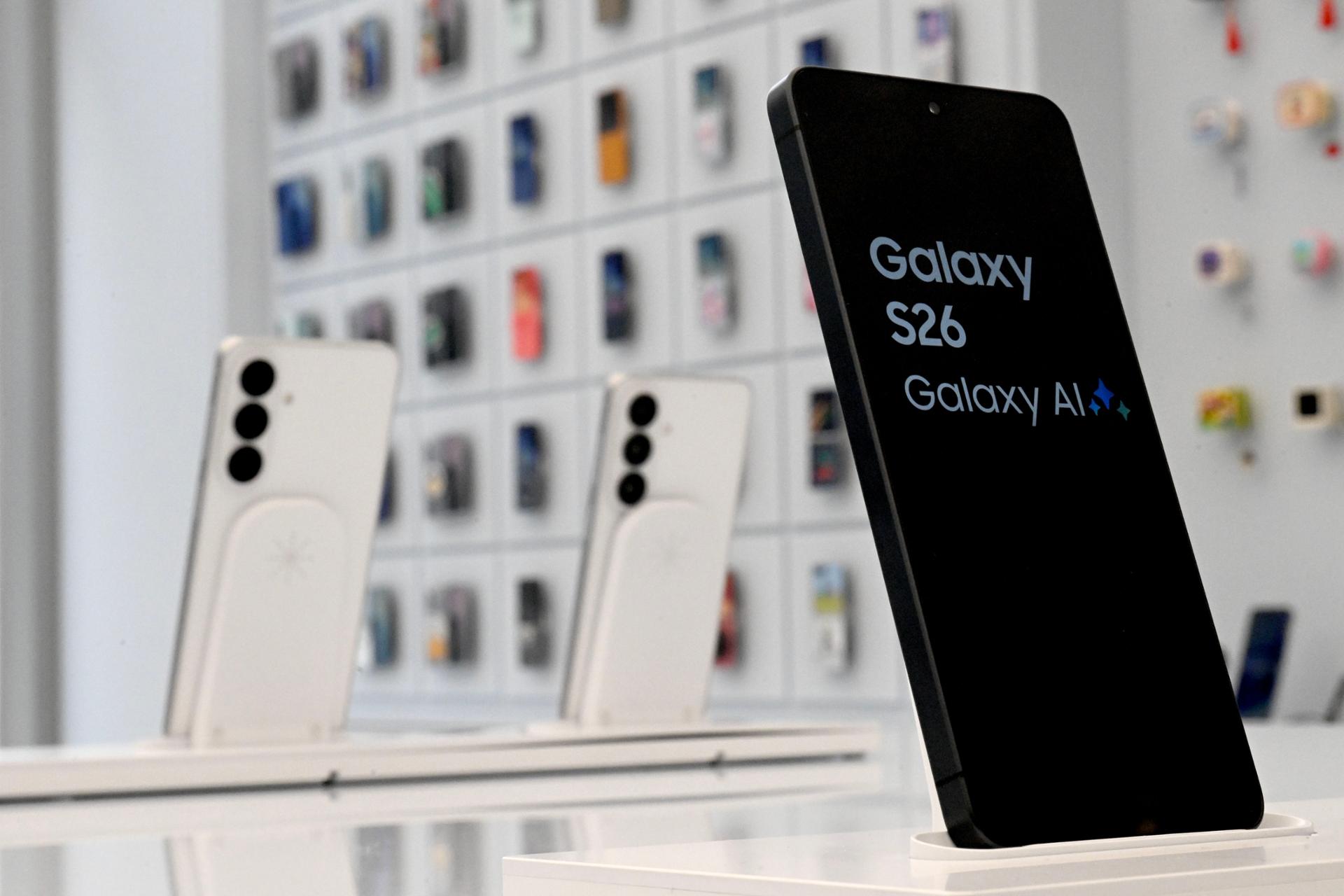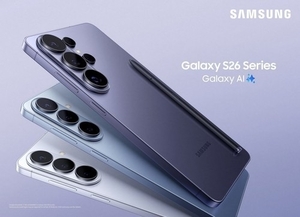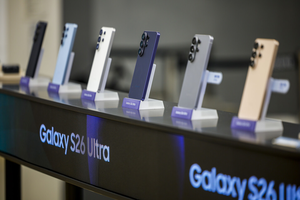
Global smartphone shipments fall to their weakest Q2 since 2013 as soaring memory prices squeeze manufacturers, consumers Samsung’s Galaxy S26 series is displayed at Samsung Gangnam in southern Seoul on March 11, the day of its official global launch. (Newsis) Samsung Electronics reclaimed the top spot from archrival Apple in the global smartphone market in the second quarter, as industrywide shipments fell to their lowest level for the period since 2013 amid a memory supply crunch.Samsung captured a 24 percent share of global shipments, overtaking Apple at 20 percent, according to preliminary data released Tuesday by Counterpoint Research. Apple led in the first quarter with 21 percent, compared with Samsung’s 20 percent.Samsung’s gains were driven by relatively restrained price increases and aggressive promotions in India and the Middle East, alongside strong sales of its Galaxy S26 series.Demand was particularly strong for the Galaxy S26 Ultra, helped by its privacy display and artificial intelligence features, Counterpoint said.Apple’s shipments rose 3 percent from a year earlier, supported by steady demand for the iPhone 17 series and its decision to keep prices unchanged, unlike other major vendors.The broader market, however, contracted sharply. Global smartphone shipments fell 11 percent on-year, marking the weakest second quarter since 2013.Counterpoint attributed the decline to shortages of DRAM and NAND flash as chipmakers prioritized surging demand from AI data centers."Higher component prices lifted production costs and weighed on consumer demand," the market tracker said.Memory costs for some manufacturers have risen four- to five-fold from a year earlier. Memory and storage now account for more than 60 percent of production costs for some budget smartphones and over 30 percent for premium models, while foundry and other semiconductor bottlenecks have added further pressure. Global smartphone market share graph (Counterpoint Research) Omdia separately placed Samsung first with a 22 percent share, followed by Apple at 20 percent.Chinese smartphone makers lost ground in Omdia’s tally. Xiaomi’s share fell to 11 percent from 15 percent a year earlier, while Oppo dropped to 10 percent from 12 percent and Vivo slipped to 8 percent from 9 percent.The impact was most severe for smartphones priced below $400, where thin margins and high price sensitivity left vendors with little room to pass rising component costs on to consumers.“Manufacturers are hoping for a near-term correction, but memory prices are unlikely to begin falling before the second half of 2027,” said Le Xuan Chiew, a research manager at Omdia. “Even then, they are unlikely to return to pre-2025 levels.”Omdia expects the shipment decline to deepen in the second half as supply constraints persist through major product launches and the year-end shopping season. Price-hike policies from major suppliers would also have an impact, the market tracker projected.Samsung raised prices for the Galaxy S26 series launched in February, ending a multiyear price freeze. In April, it also increased the Korean retail price of the 512-gigabyte Galaxy Z Fold7 and Flip7 by 94,600 won ($64), an unusual move for devices that had been on the market for less than a year.Apple also raised prices for some MacBook and iPad models by $100 to $300 in June.Apple CEO Tim Cook compared the component shock to a “once-in-a-century flood,” saying he had never seen prices rise so sharply in such a short period and leaving open the possibility of further increases.Chinese brands including Vivo, Oppo and Xiaomi have also raised prices by 100 yuan to 500 yuan ($14 to $70), despite traditionally competing on affordability.Price-sensitive consumers may delay purchases or turn to cheaper models and refurbished phones, said Runar Bjorhovde, a senior analyst at Omdia.
Samsung retakes smartphone crown amid memory crunch
Samsung Electronics reclaimed the top spot from archrival Apple in the global smartphone market in the second quarter, as industrywide shipments fell to their l
593 words~3 min read