Story audio is generated using AI
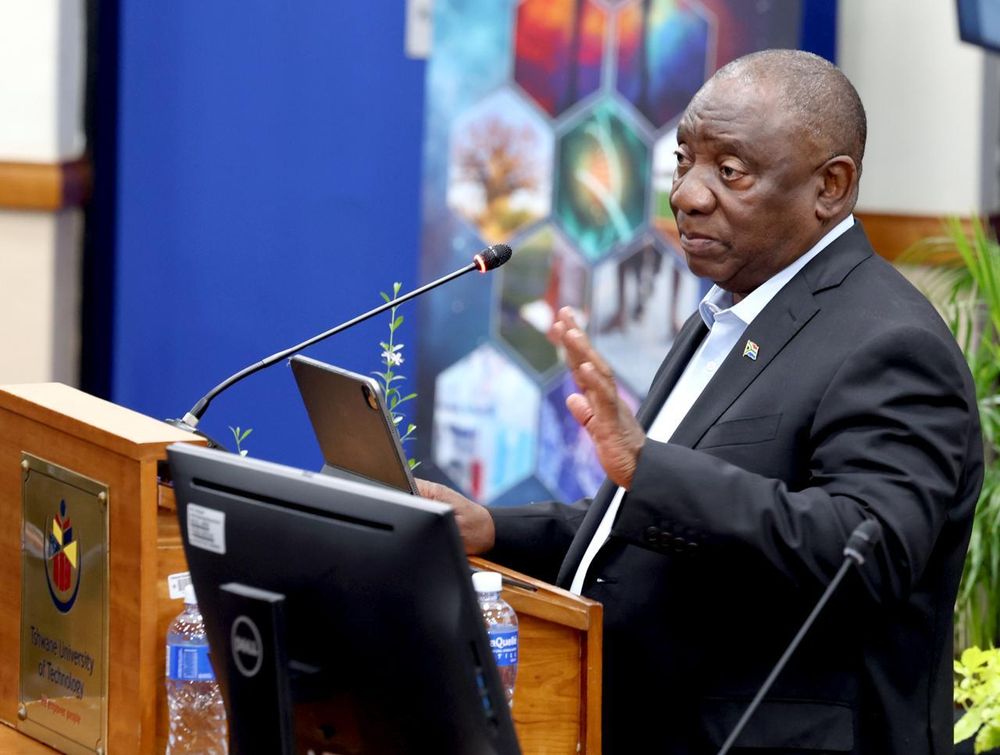
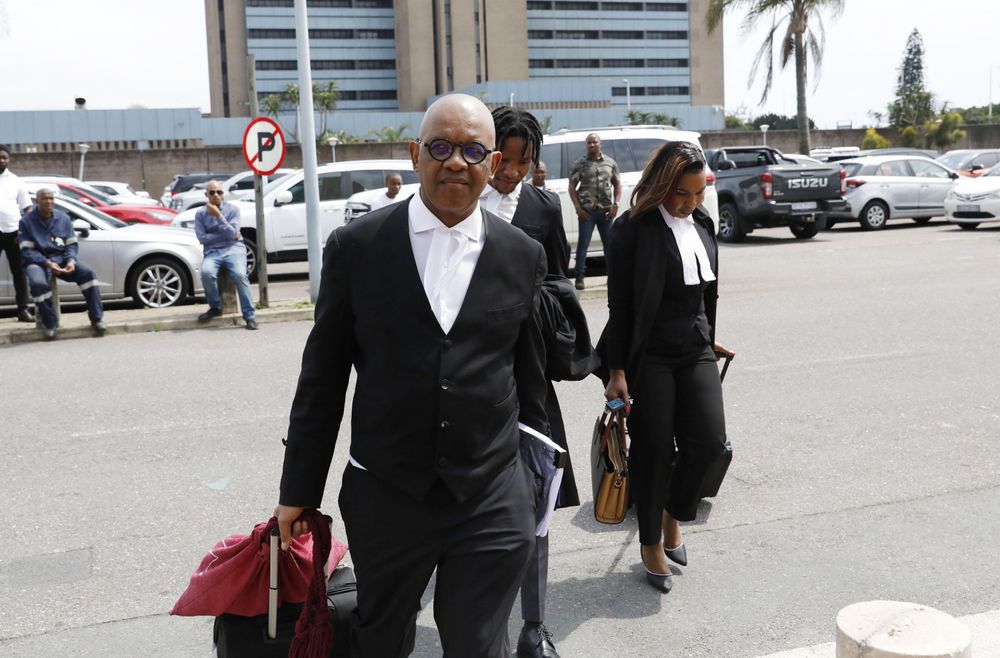
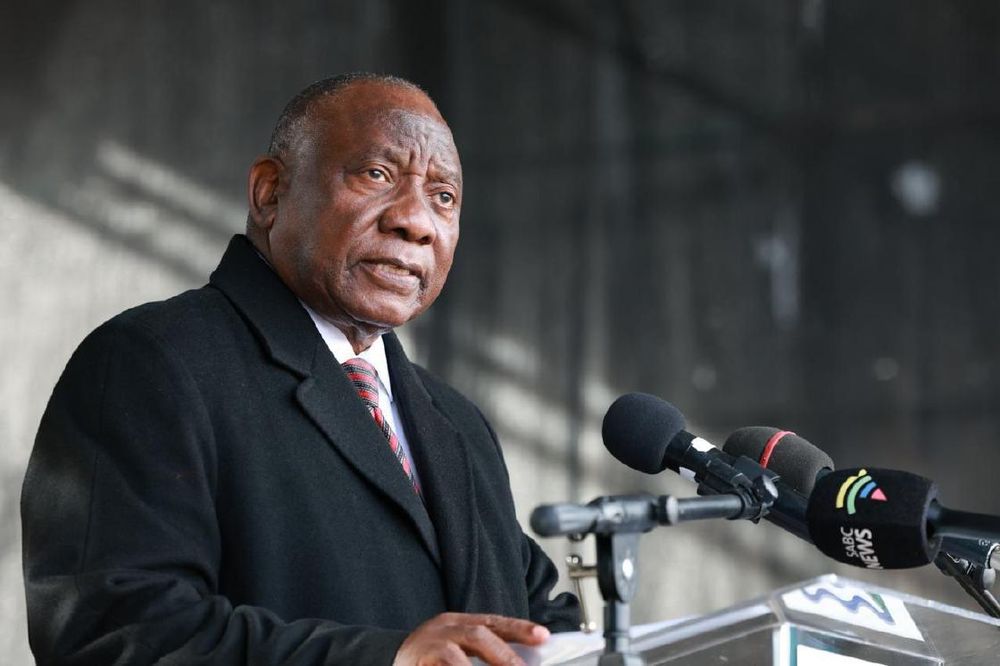
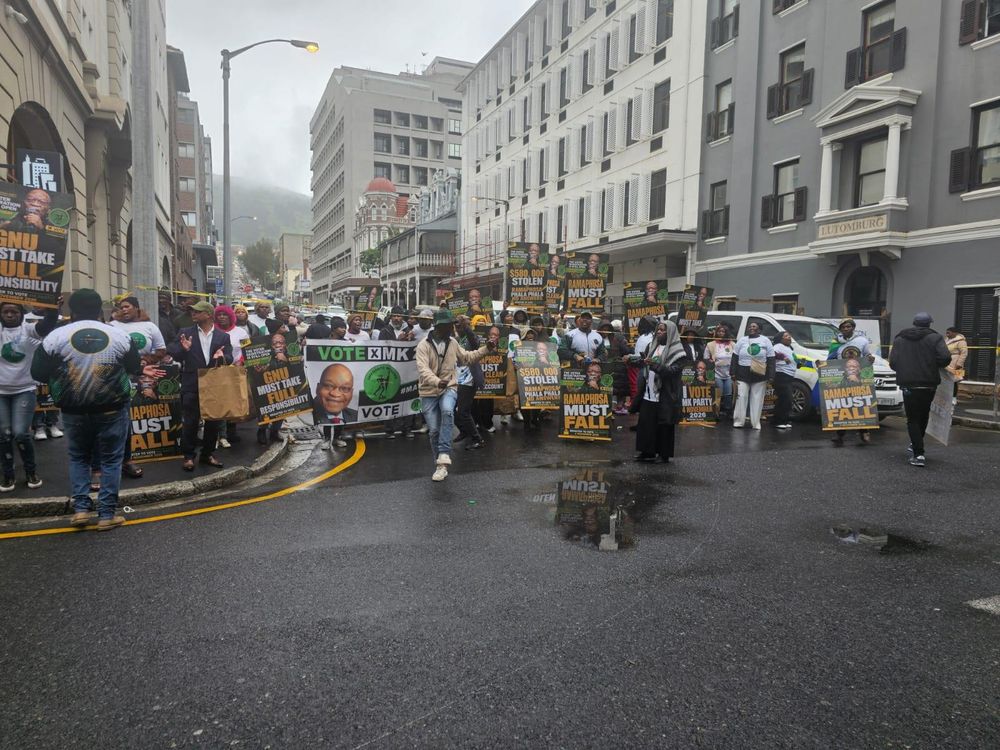
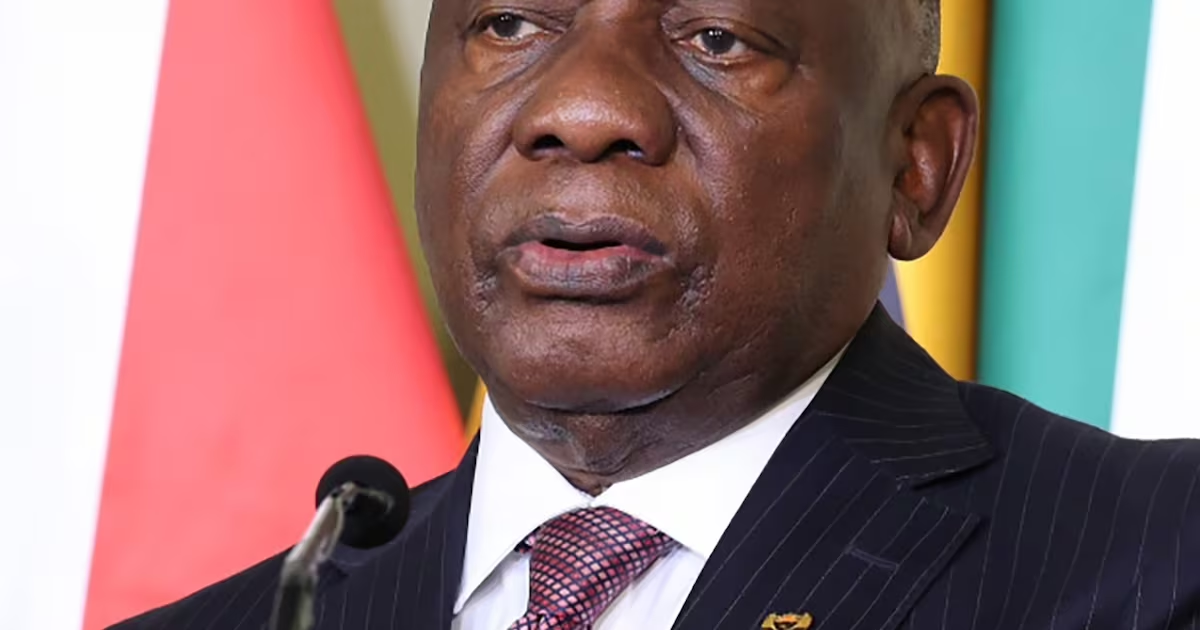
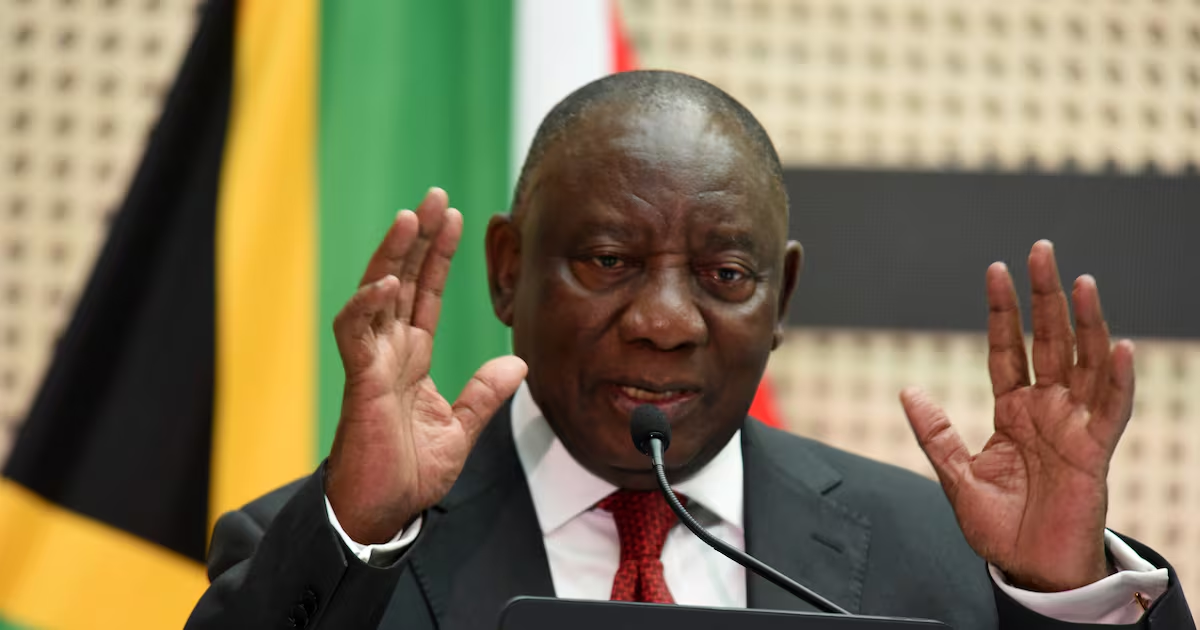
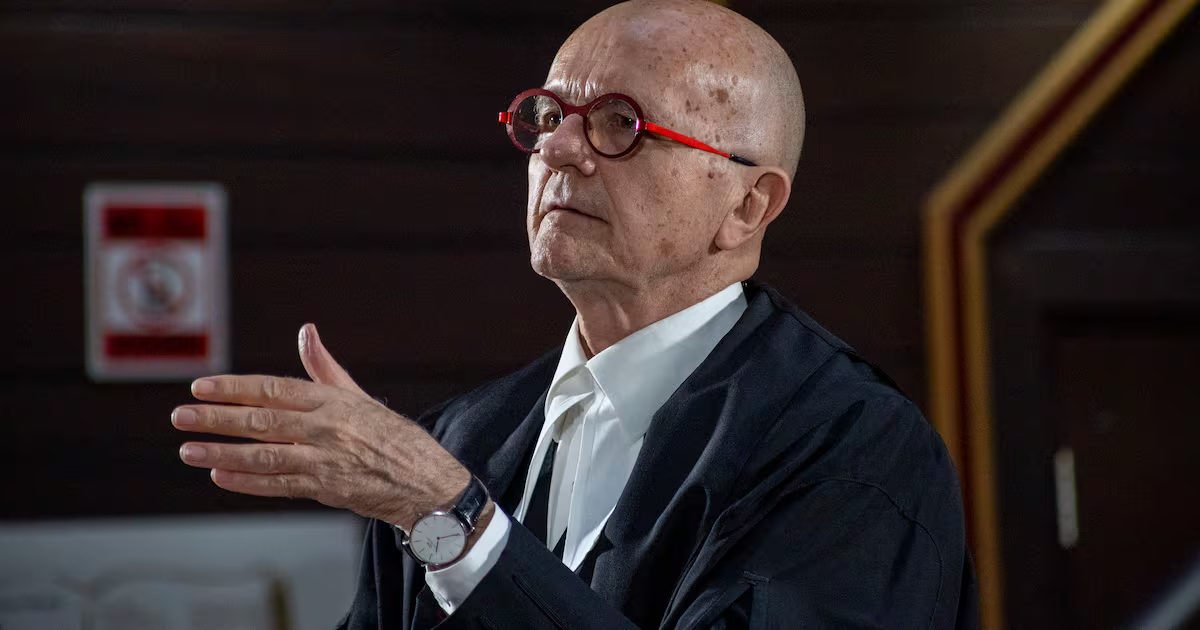
President Cyril Ramaphosa will suffer “irreversible injustice” should he be subjected to a humiliating public trial on the Phala Phala saga without the protection of a court order halting parliament’s impeachment committee hearings, the Western Cape High Court heard on Thursday. Advocate Wim Trengove, representing the president, wrapped up his arguments on Thursday after a two-day hearing in the president’s application seeking an interim interdict to halt the committee’s proceedings pending a review application before the Western Cape High Court.Ramaphosa faces the ultimate charge of serious misconduct, now before an impeachment committee, which could lead to him facing a National Assembly vote for his removal as president. When a president is removed from office on grounds of serious violation of the constitution or the law, he loses his presidential benefits and pension and cannot serve in public office. The full bench, consisting of judges Andre le Grange, Matthew Francis and Diane Davis, plans to deliver judgment on the urgent application by next week.Trengove argued the high court has to strike a balance in protecting Ramaphosa suffering from the “irreversible injustice” of being subjected to a “humiliating public trial” based on an independent panel report that is subject to legal scrutiny or delaying the impeachment committee public hearings by a month or two. “We submit that there is nothing to be said in striking that balance of preceding a risk of doing irreversible injustice on one hand against the two- or three-month delay,” he said. The Western Cape High Court will hear Ramaphosa’s review application seeking to set aside the independent panel’s report, which found, on a prima facie basis, that the president may have violated the law in how he dealt with the theft of $538,000 (about R8.8m) from his Phala Phala game farm in 2020. The review is set for hearing on September 2-4. Trengove said the judgment on the matter is likely to be given the same month. If the court does not grant the interdict, he argued, it would create “a risk of unlawfully depriving the president of the buffer designed for his protection”. The president attacks the panel’s report, prepared by former chief justice Sandile Ngcobo, retired judge Thokozile Masipa and advocate Mahlape Sello, on the grounds that it failed to do its legally required job.Read: Phala Phala: Ramaphosa to know his fate in impeachment interdict by next weekParliamentary rules required the panel to determine whether there was sufficient evidence that could show the president had a case of serious violation of the constitution or law or serious misconduct to answer. The panel, due to limited legal powers and a 30-day lifespan, interpreted its mandate to mean that it must determine whether there was prima facie evidence that the president had a case of serious violation of the constitution or law or serious misconduct to answer. Trengove argues the decision to determine a “prima facie” case was a fatal misstep by the panel, and the president cannot go on trial based on a report that only assessed information at face value to determine that the president must face a momentous impeachment inquiry. “A prima facie assessment looks at the incriminating evidence and simply asks itself whether the president would be guilty if this were true. It does not weigh it [evidence] up,” he said. He argued that though the panel referred to Ramaphosa’s affidavit, in its findings there was no evidence that it considered all information before reaching a conclusion. The bench quizzed Trengove on whether the litigation does not delay the president’s duty to account publicly on charges of misconduct.“The fact that there has already been a delay of almost four years is not the doing of the president. It should not be laid at his door. He should not be made to pay the price for that delay,” Trengove said in response. The application is opposed by the impeachment committee and opposition parties EFF, ATM, MK party and United Africans Transformation. The opposition parties argue the court lacks jurisdiction and cannot decide on the matter. ATM legal representative advocate Anton Katz argued the president’s case should be dismissed due to a misstep in its pleading ― asking for an interdict of the commencement of the impeachment committee inquiry. “The commencement was sometime in May. When this application was launched the president must have known he could not get the relief of no commencement. The court cannot grant an order; once the horse has left the stable you cannot stop it,” Katz argued. Judgment is expected to be delivered next week. Business Day