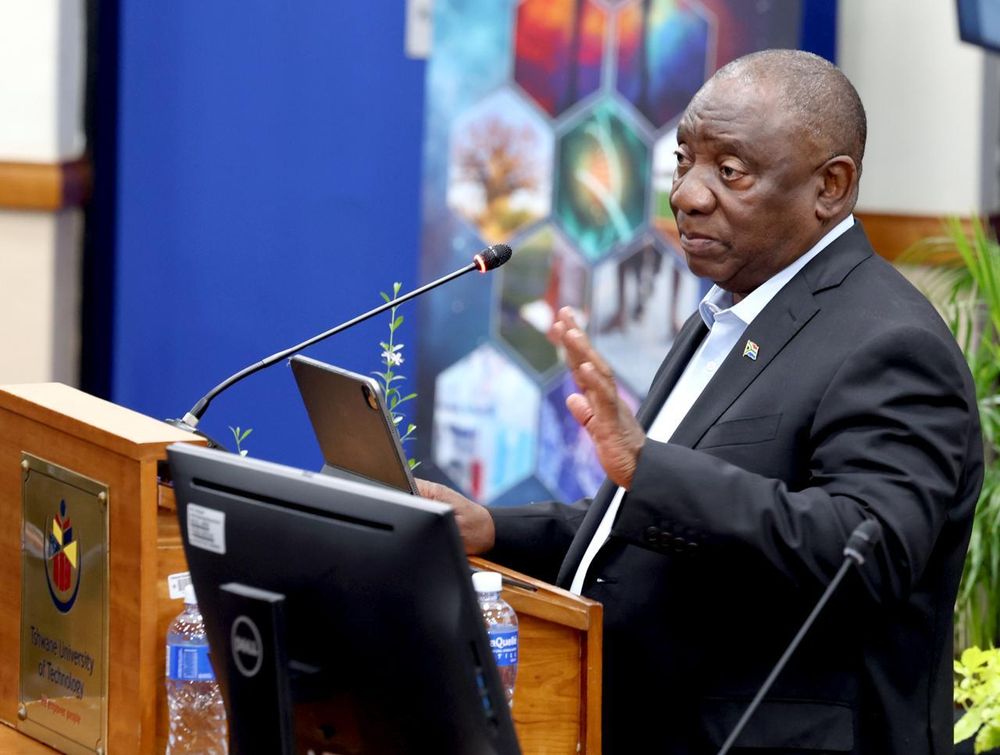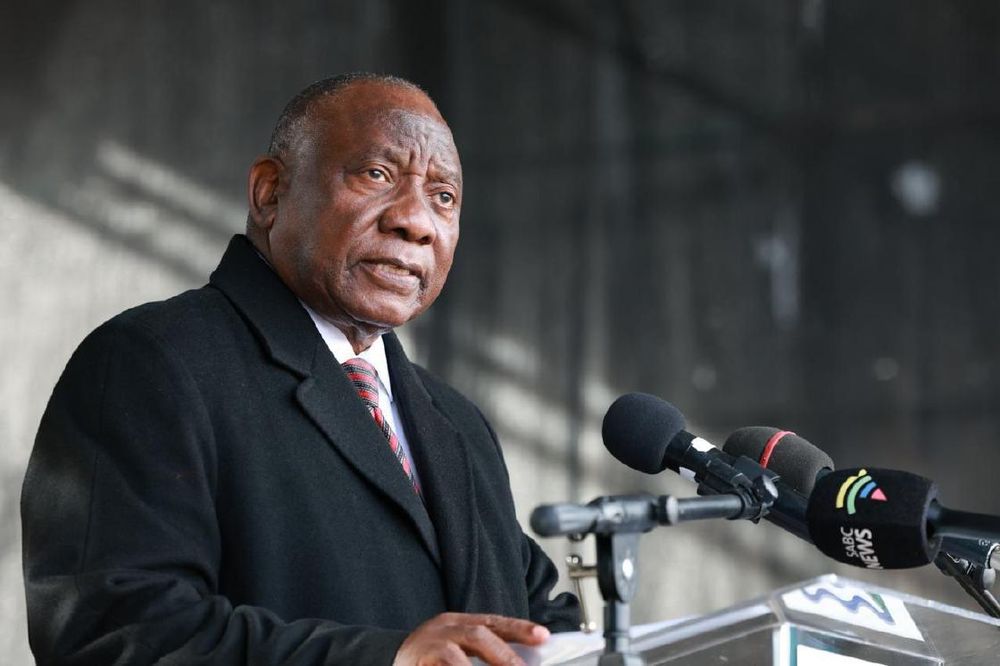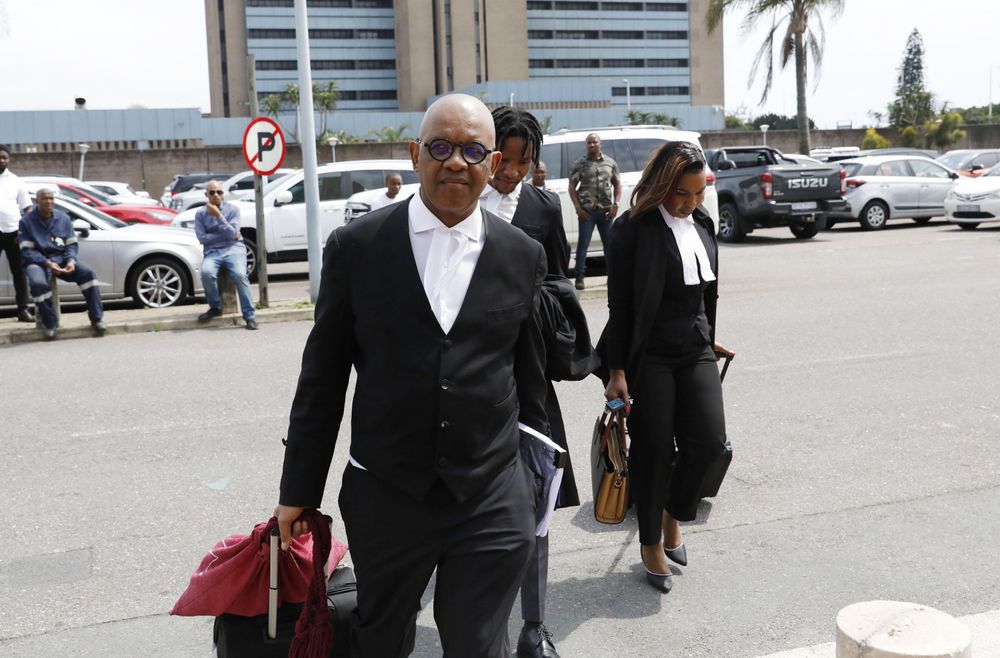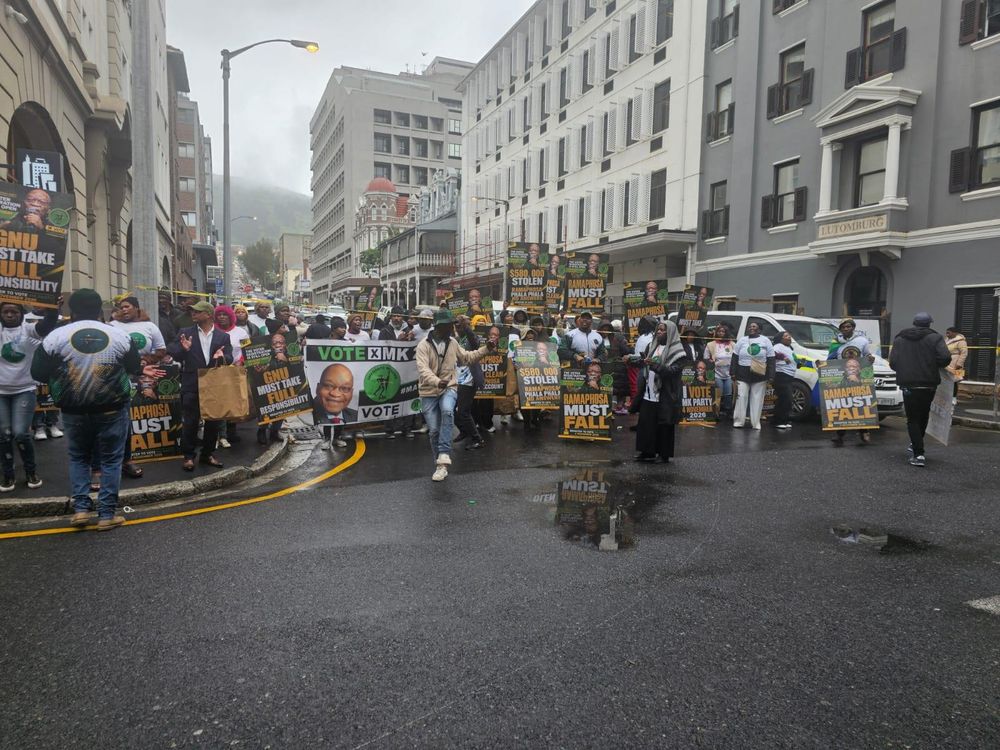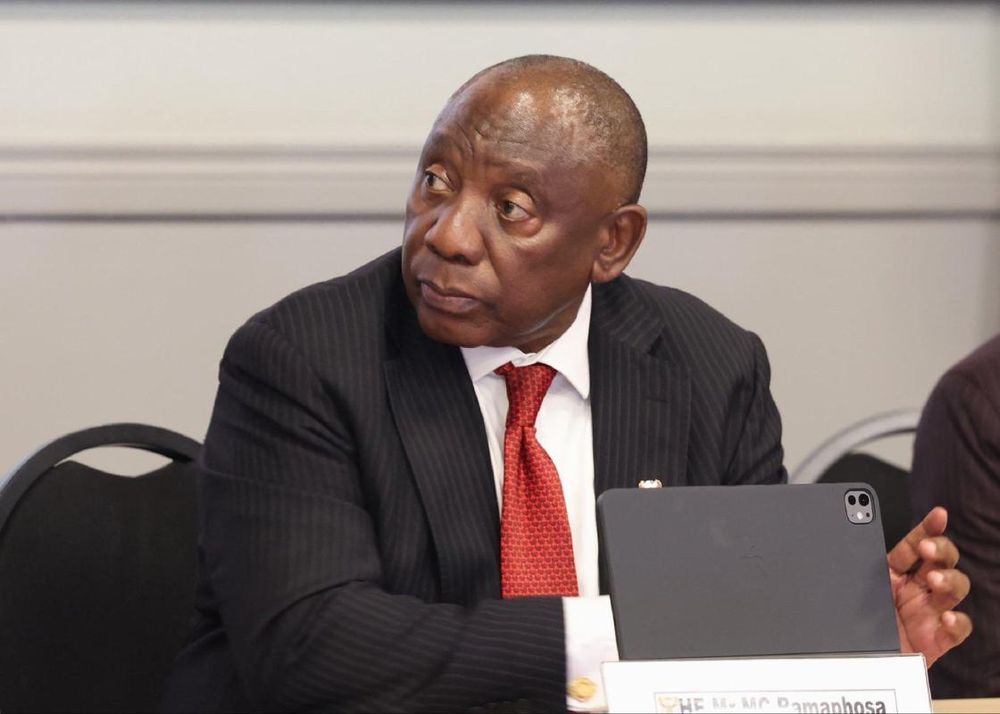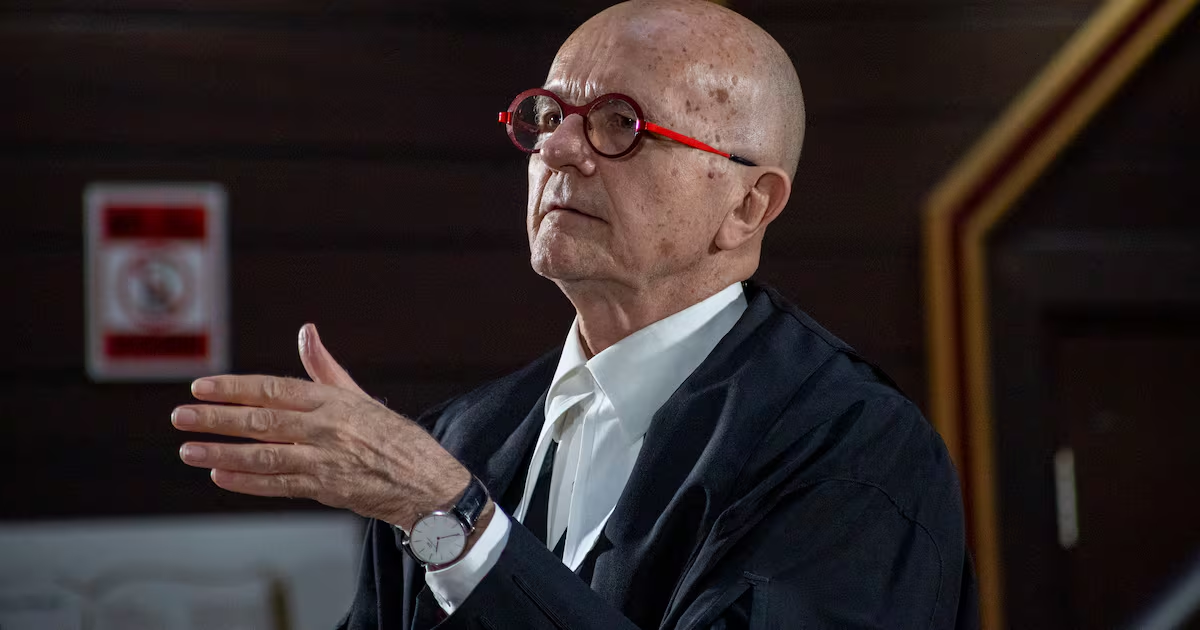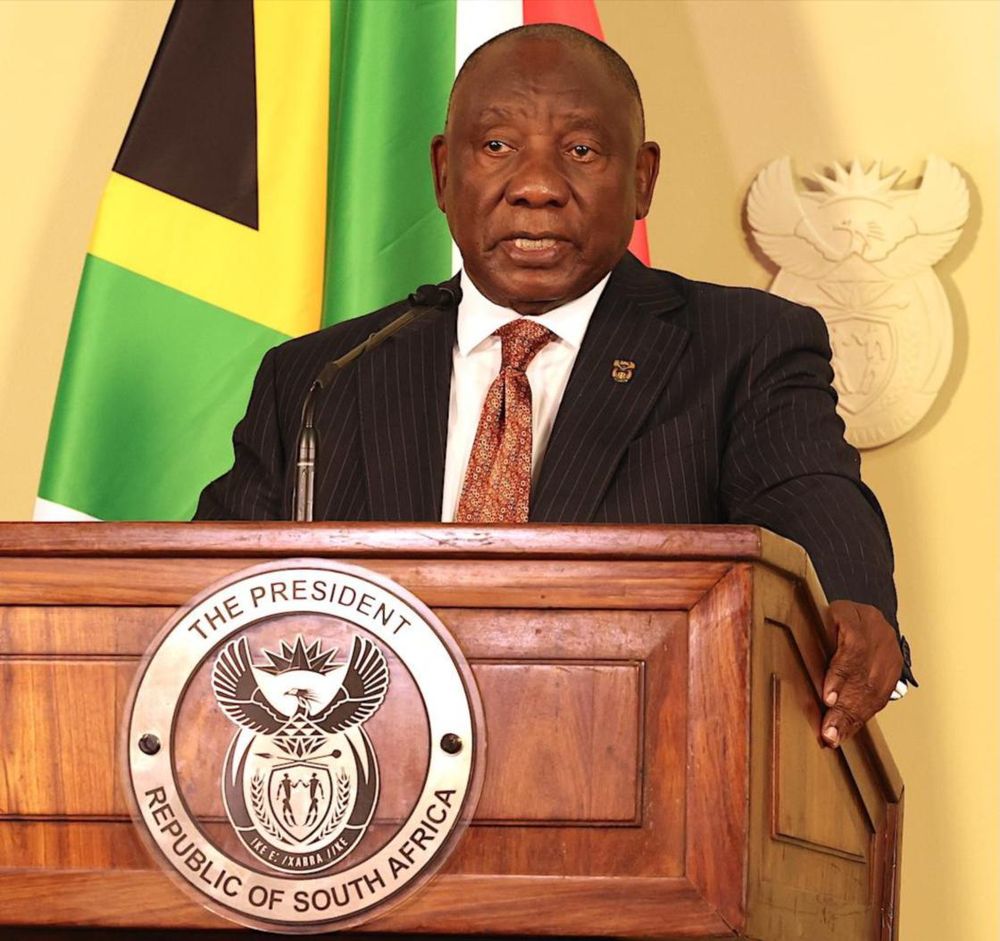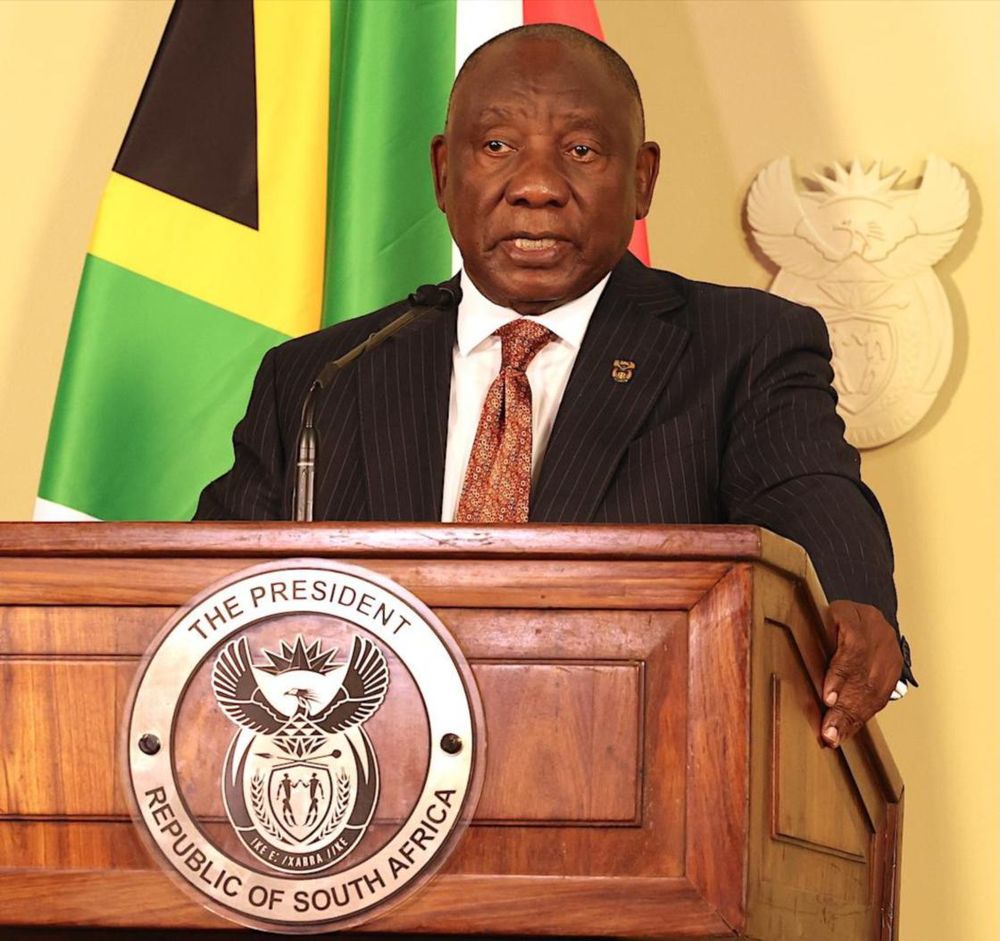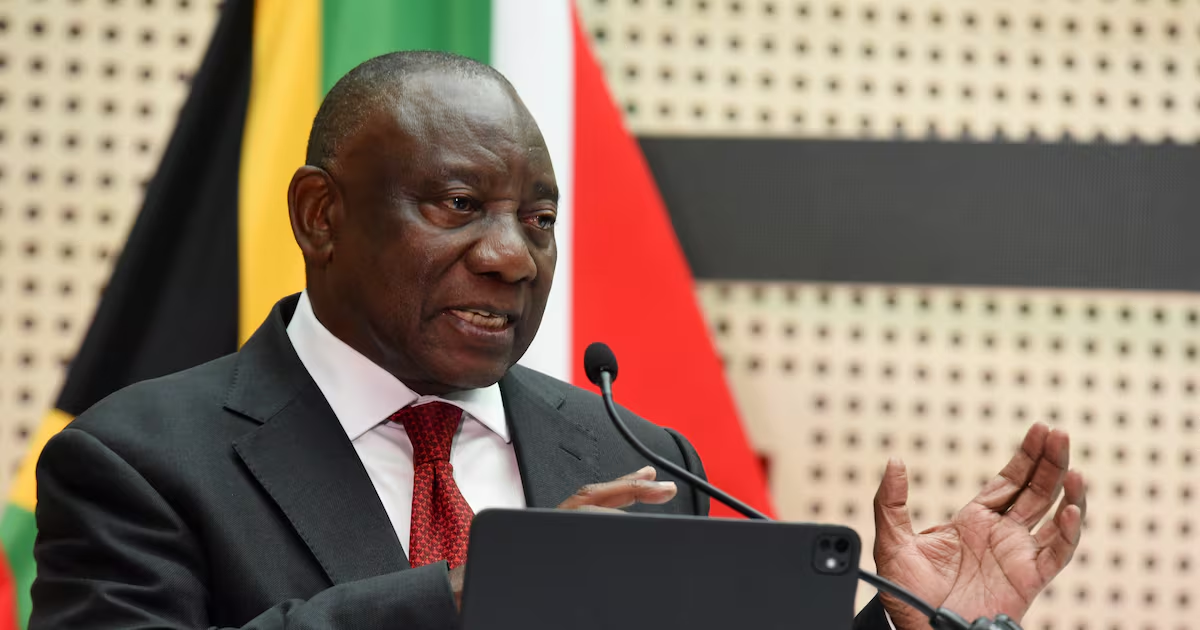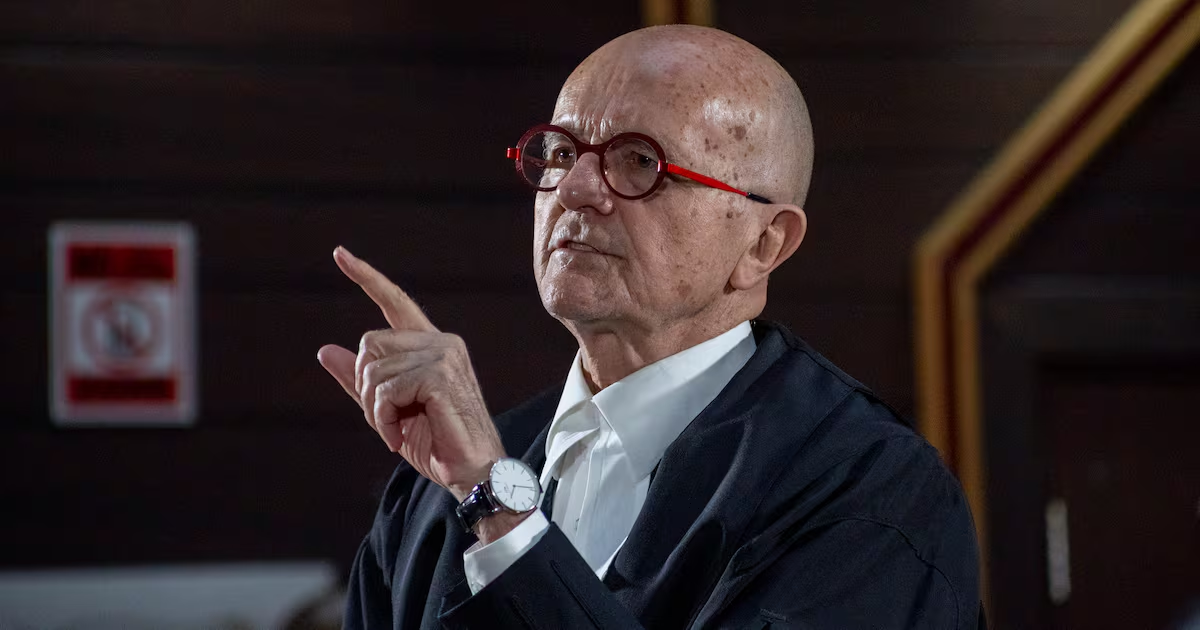
President Cyril Ramaphosa stands to suffer irreparable public humiliation and reputational harm if the Western Cape High Court does not issue an interim order halting parliament’s impeachment inquiry committee proceedings, Adv Wim Trengove argued on Wednesday.Very significant harm will be done to the president if the hearing goes ahead and it is ultimately found that the report was invalid— Adv Wim TrengoveThe president, represented by Trengove, seeks an interim interdict order to halt the committee’s proceedings pending a review application to set aside an independent panel’s report which found, on prima facie basis, the president may have violated the law and the constitution. The panel, led by former chief justice Sandile Ngcobo, was a preliminary probe established by parliament to look into the president’s conduct when $538,000 (about R8.8m) was stolen in his Phala Phala game farm in 2020. Trengove argued parliament would not suffer significantly if the interdict were granted because the review application would be heard early in September and judgment would likely be decided the same month. “Very significant harm will be done to the president if the hearing goes ahead and it is ultimately found that the report was invalid,” Trengove argued. When a president is removed from office on grounds of serious violation of the constitution or the law, he loses presidential benefits, pension and cannot serve in any public office. “It is humiliating to put the president on trial,” Trengrove argued.Trengove said without an interdict, should the impeachment inquiry proceed, it would have far-reaching implications for the president while the report which triggers the entire process remains a subject of question in review.“Misconduct, which, if he is guilty, would not only disqualify him as president but would disqualify him for life for any public office or any benefits from the presidency. That public humiliation will do its harm even if the report is ultimately overturned.” Trengove’s arguments on the harm of the president being on trial attracted questions from the bench. Judge Matthew Francis put to him that former president Nelson Mandela went on trial in 1998 in a case involving the South African Rugby Football Union (Sarfu). Francis asked what harm Ramaphosa would suffer in a public trial. “[The] Other president [Mandela] went on trial, that was not humiliating. President Mandela went into the witness box, it did not bring the house down,” Francis said. Trengove, in response said: “What you are suggesting to me is that the buffer [interdict] put into the rules is pointless because presidents do not suffer harm if inquiries are held. In recognition of the fact that even putting a president on trial without good reason is a momentous step which should not be taken lightly.” Trengove said Mandela was a witness in the Sarfu case. He argued Ramaphosa, in the current circumstances, was entitled to the protection provided by court rules through interdict. The president’s application in challenging the independent panel’s report is premised on the panel making a “mistake” because parliamentary rules required the panel to determine whether sufficient evidence exists to show that the president was guilty of a serious violation of the constitution or law or serious misconduct.The panel, however, interpreted its mandate to mean merely that it must determine whether there was prima facie evidence that the president was guilty of a serious violation of the constitution or law or serious misconduct. Adv William Mokhare, representing parliament’s impeachment committee, argued the president’s urgent application sought to effectively halt the Constitutional Court’s order referring the panel’s report to the committee to pursue the impeachment inquiry.He argued that the order of the Constitutional Court binds the president, the National Assembly and the court, and no person and no organ of state may disregard, circumvent, or undermine an order of the top court. − Business Day
Mandela went on trial, why not Ramaphosa? − judge asks president’s lawyer on Phala Phala saga
Court weighs Ramaphosa’s plea to stop Phala Phala public inquiry
630 words~3 min read