Story audio is generated using AI
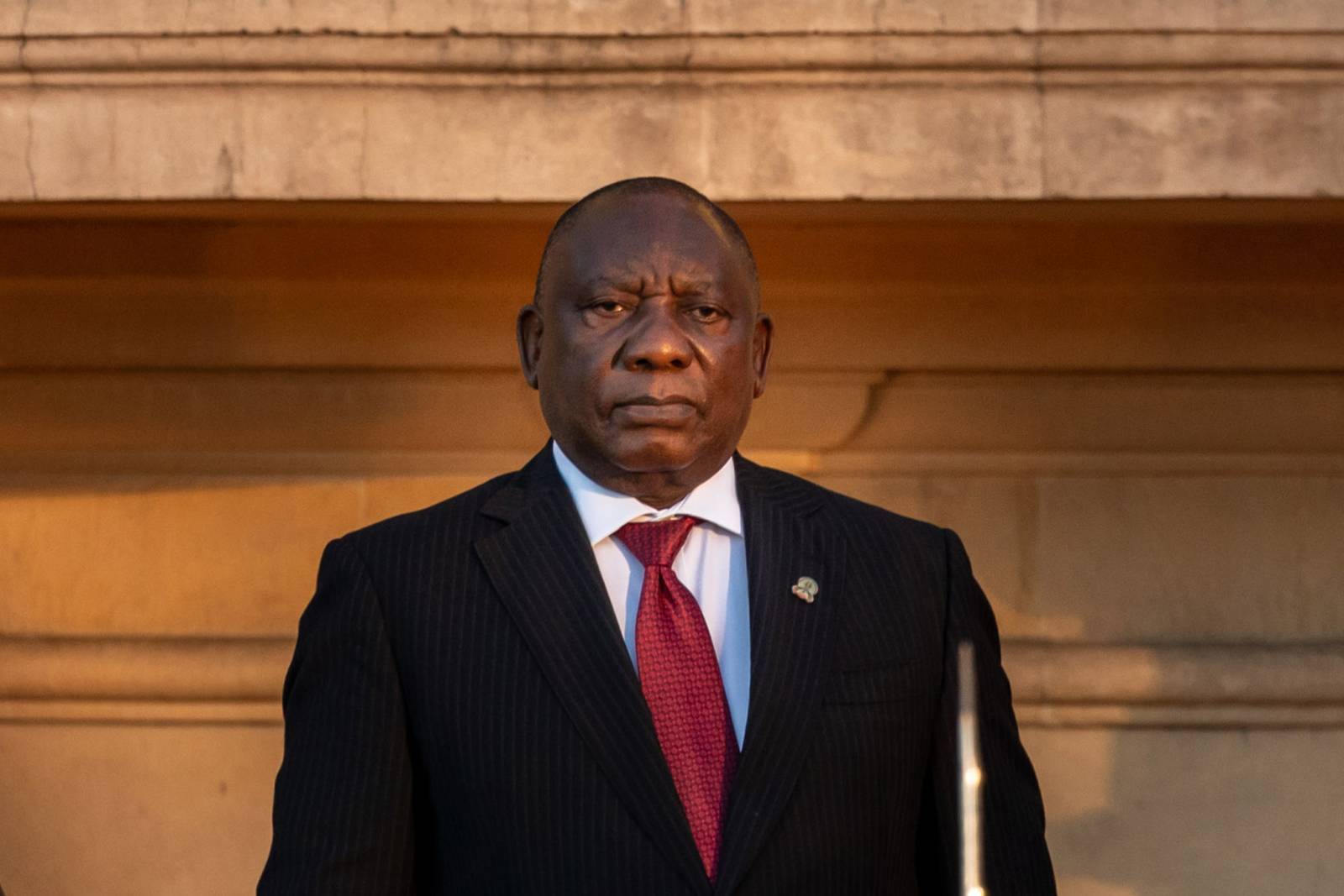
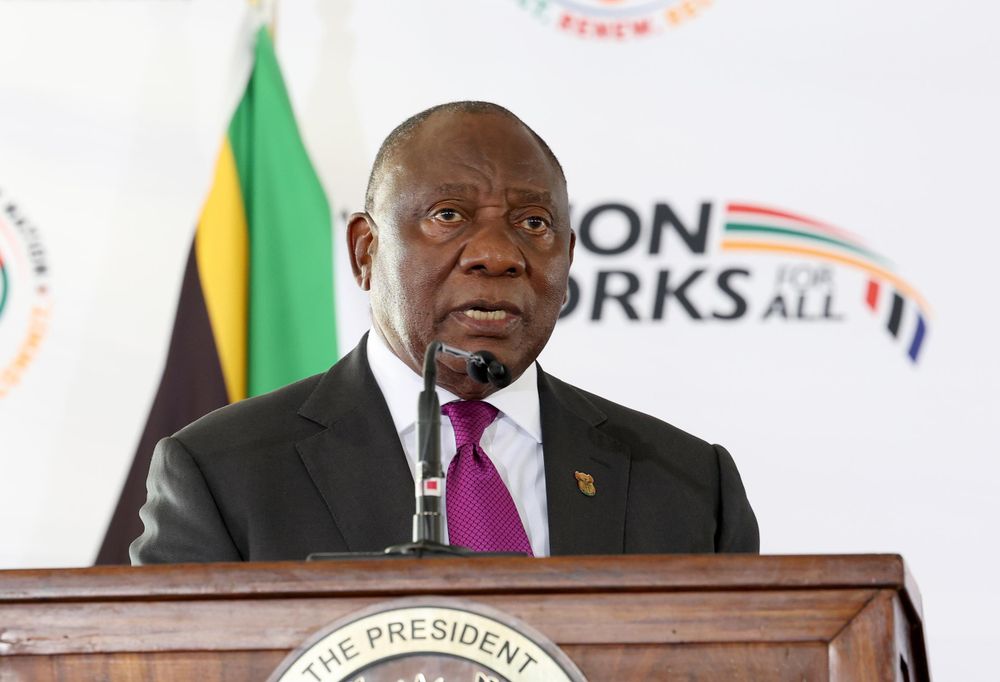
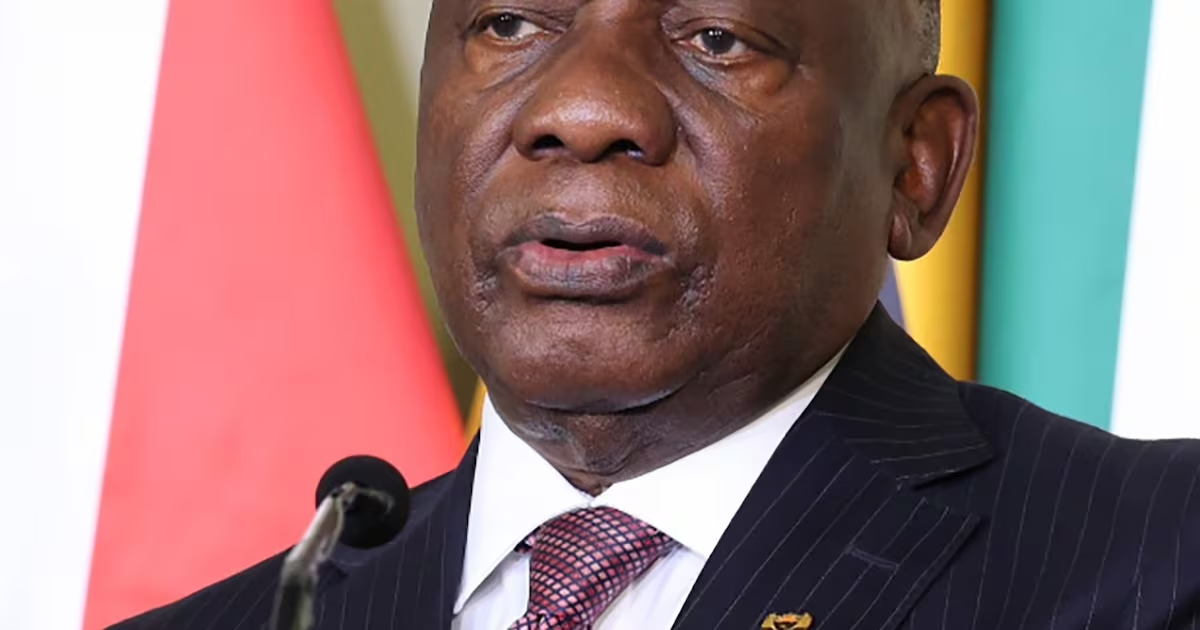
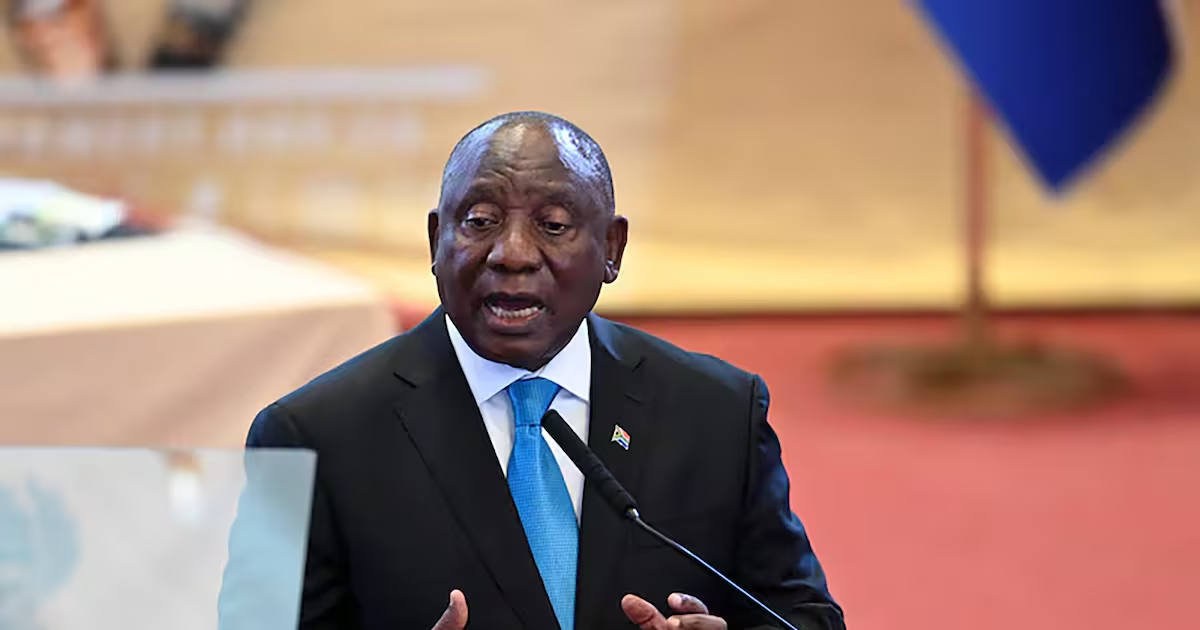
President Cyril Ramaphosa has pushed back hard at an independent report into the theft of millions of rand at his Phala Phala farm, saying it amounts to nothing but hearsay. The president is making a high-stakes bid to avert a potentially career-ending impeachment process.Ramaphosa showed his hand on Tuesday as he filed his papers, seeking to set aside the report, which found there was a prima facie case for him to answer regarding his conduct over the theft.The president said the panel led by former chief justice Sandile Ngcobo erred by finding he may have committed serious violations of the constitution in his handling of a theft case at his Phala Phala farm.About $538,000 was stolen from a couch on the farm.Ramaphosa said the mandate given to the panel was to establish whether “sufficient evidence exists” that the president breached the law. “The remit of the panel is to determine whether there is sufficient evidence to show that the president is guilty of serious misconduct,” he argues in his court papers. “This requires more than a prima facie case. It recognises that an impeachment process is a serious matter of high public importance.“The panel consists of people who collectively possess the necessary legal competence and experience. I submit that part of the mandate of the panel is that it must sift through the information provided to it and determine which part of it constitutes admissible evidence against the president. The panel did not do this.” In the review, the president does not seek an order interdicting parliament from proceeding with the impeachment inquiry. Interdict threatThe president threatens to file for an interdict when the National Assembly decides to continue with the impeachment inquiry despite the review application pending before court. If the report is set aside, Ramaphosa will escape a possible impeachment process ordered by the Constitutional Court this month. If it fails to pass legal scrutiny, the impeachment also collapses.The president attacks the core finding of the report, which triggered the impeachment committee. The panel in its report stated that because of limited powers compared to the impeachment committee in dealing with the case, it construes the phrase “whether sufficient evidence exists” to mean whether, based on the information received, the president has a case to answer. The president argues the panel’s interpretation of the rules is one of the grounds on which the report should be found unlawful and set aside. Ramaphosa further contends that the panel failed to consider whether he deliberately broke the law — an aspect he argues is a standard in laws governing the removal of the president. “The panel did not inquire into the president’s bad faith at all. It could not rationally conclude that there is sufficient evidence of the president’s alleged misconduct without any assessment of the question of whether he had acted in bad faith,” the papers read.The president also challenges the panel’s evaluation of evidence, citing the panel took into consideration evidence that was “hearsay” and considered confidential information that could have been obtained unlawfully. The evidence he takes issue with is that of former State Security Agency boss Arthur Fraser’s statement about a confidential Namibian police report on an interview on the Phala Phala cash theft matter. Fraser blew the lid on Phala Phala, publicly attracting troubles for the president.‘Unlawfully obtained evidence’“I am advised that it is trite that unlawfully obtained evidence may be excluded in civil or criminal proceedings,” he argues. “There is no explanation for how the confidential Namibian police report and the audio clip found their way to the panel. “All that appears is that the confidential police report was an annexe to one of Mr Fraser’s statements. But the crucial question is whether the report lawfully landed in Mr Fraser’s hands,” he says. Ramaphosa argues the panel had a duty to ensure that any evidence before it was lawfully obtained or exclude it. “The panel never properly engaged with the hearsay nature of Mr Fraser’s allegations,” he says. “If anything, it is charitable to describe Mr Fraser’s allegations as hearsay. They are better characterised as conjecture and speculation, without a single fact to underpin them. If Mr Fraser did not explain the source of his information, then everything he said was hearsay.” The president further denies misusing his office to discuss the Phala Phala theft with Namibia’s then-president Hage Geingob. He denies breaking the law or the constitution in how he dealt with the Phala Phala case. The report found that Ramaphosa may have committed a serious violation of the law requiring any person who holds a position of authority to report the theft of R100,000 or more to the police. The matter was pinned on the 2020 theft at his game farm. The panel found the president may have a case to answer because he reported the theft of foreign currency to Gen Wally Rhoode, a member of the Presidential Protection Unit, instead of directly to the police.