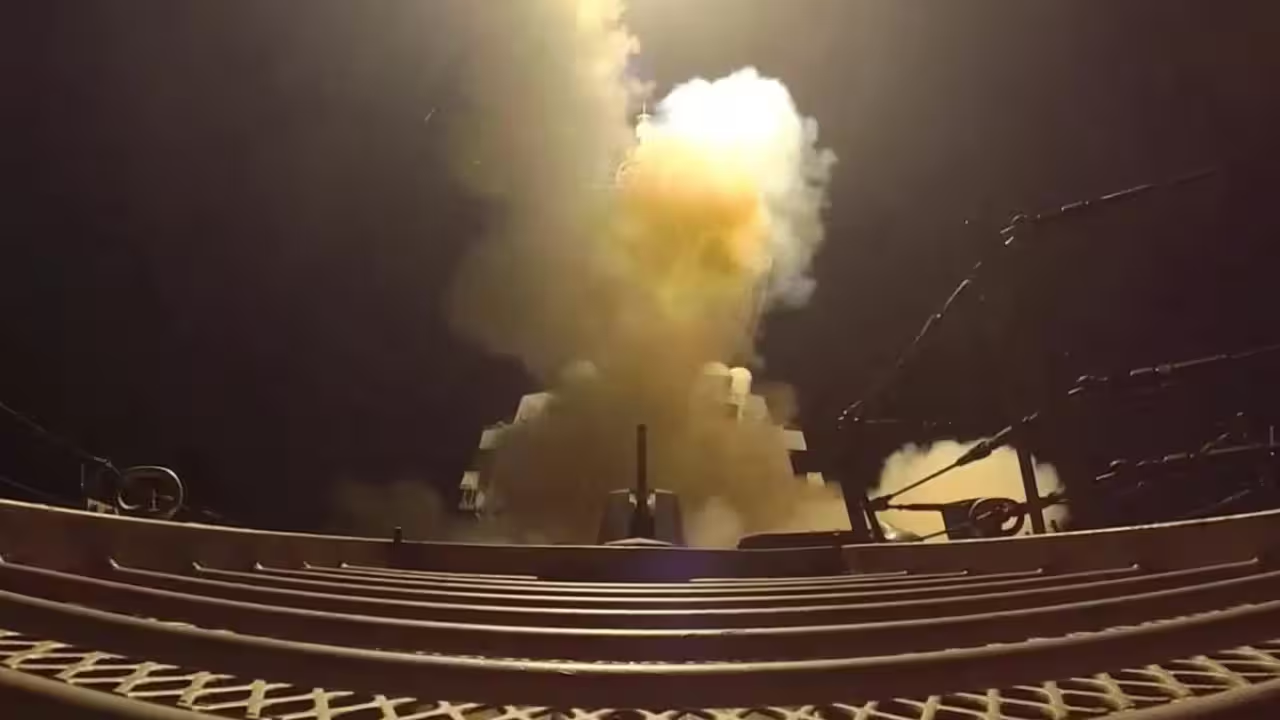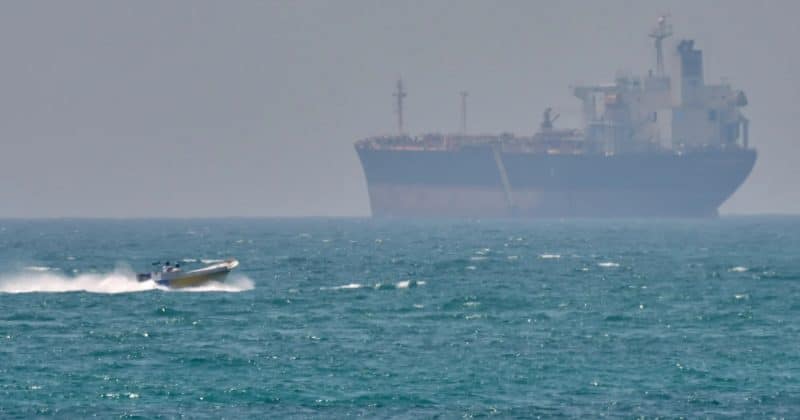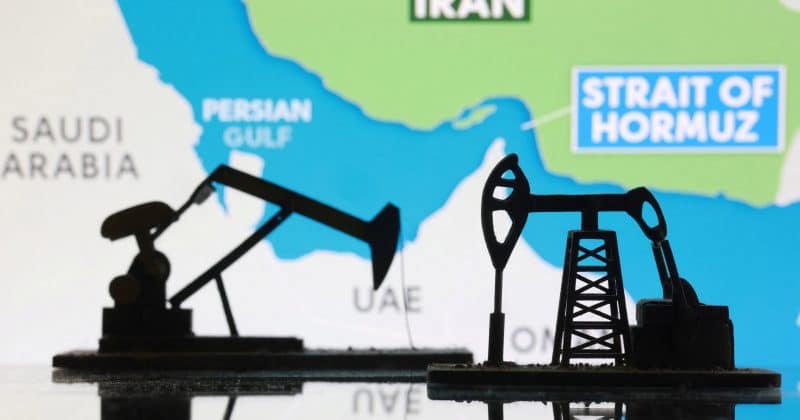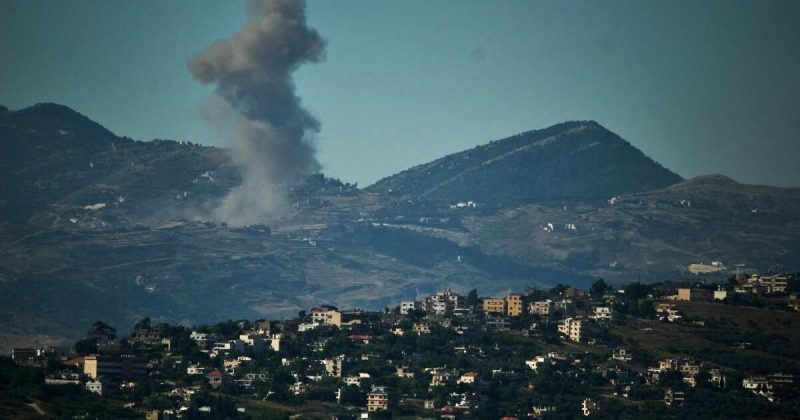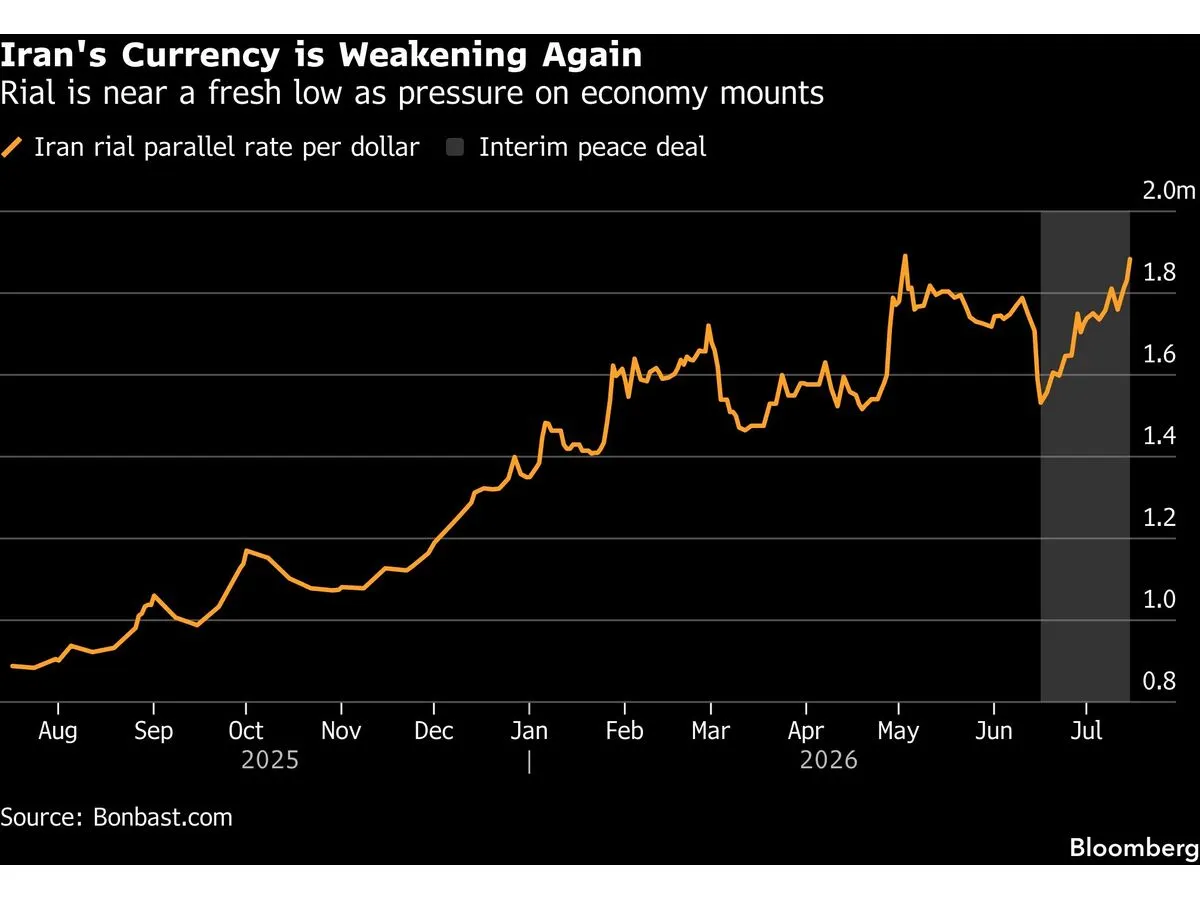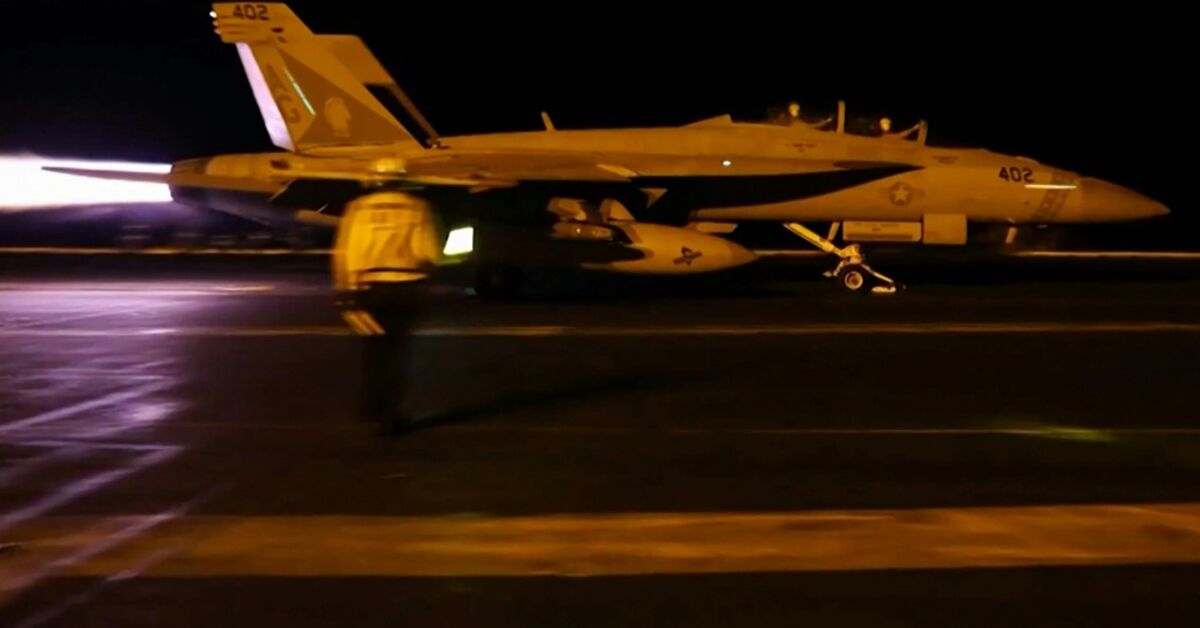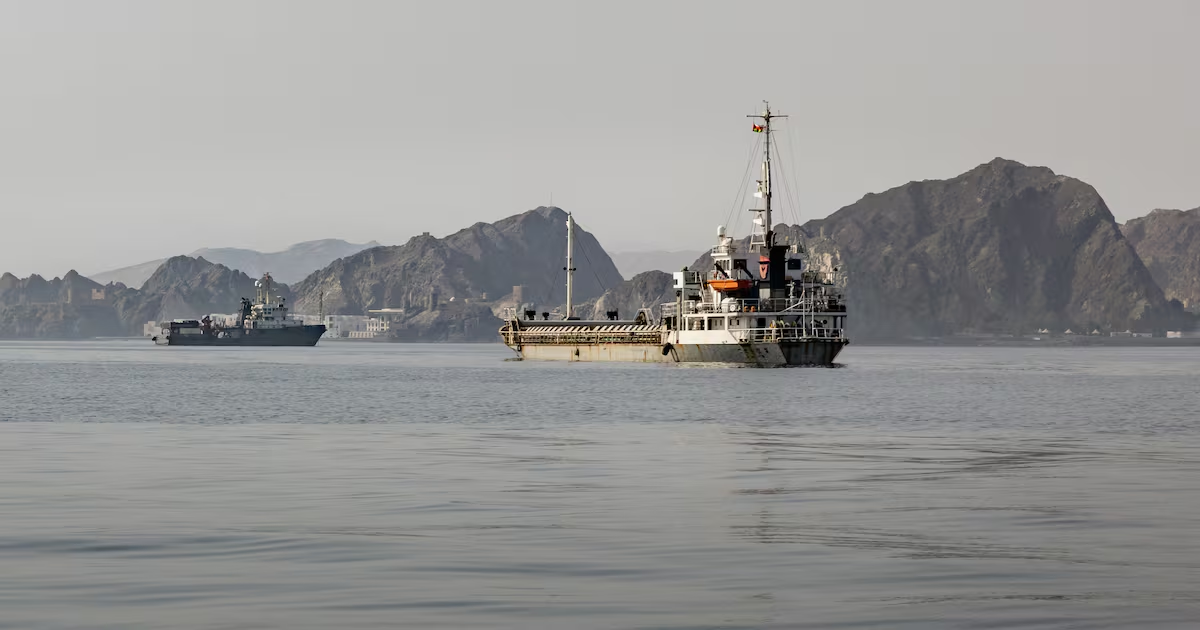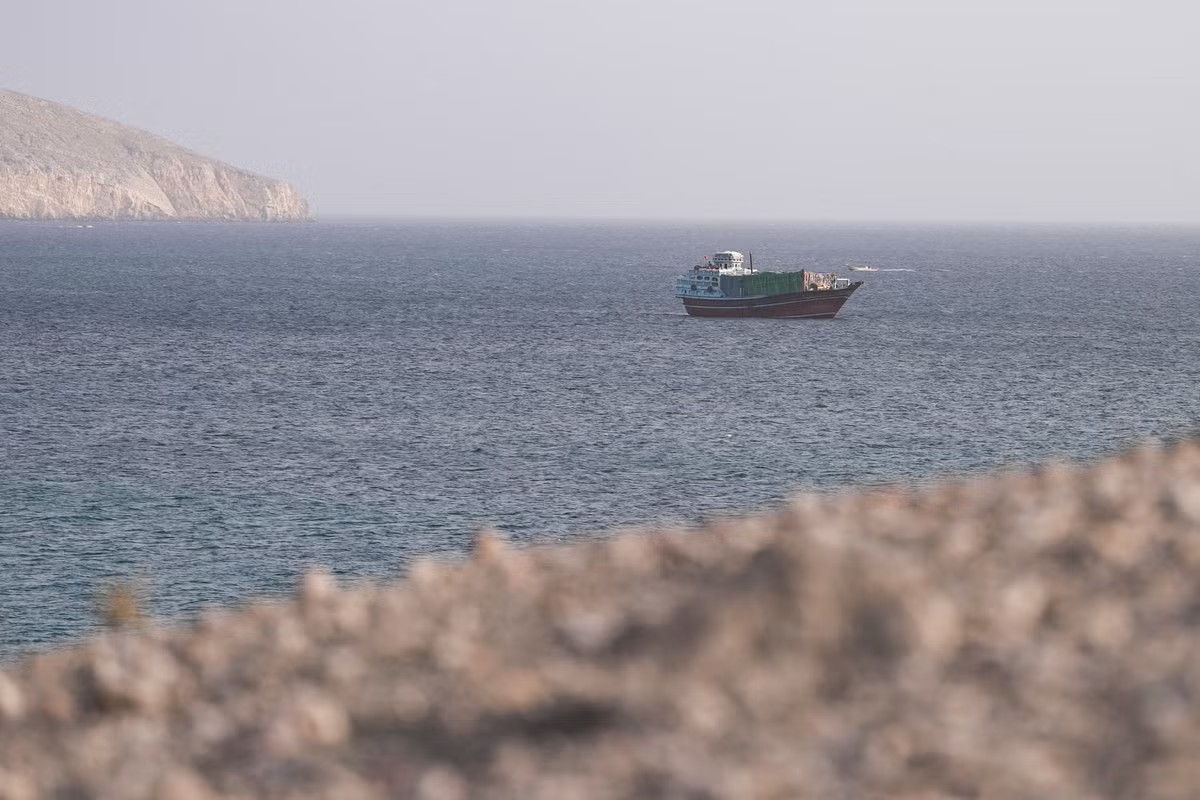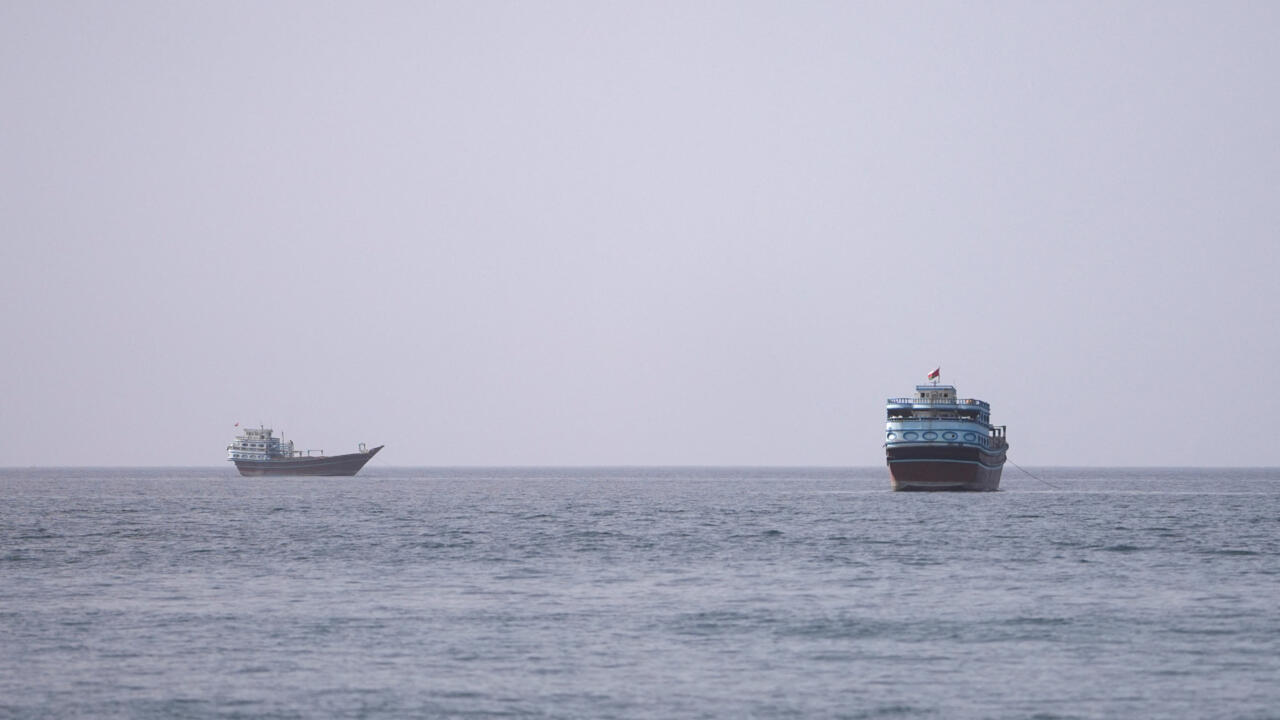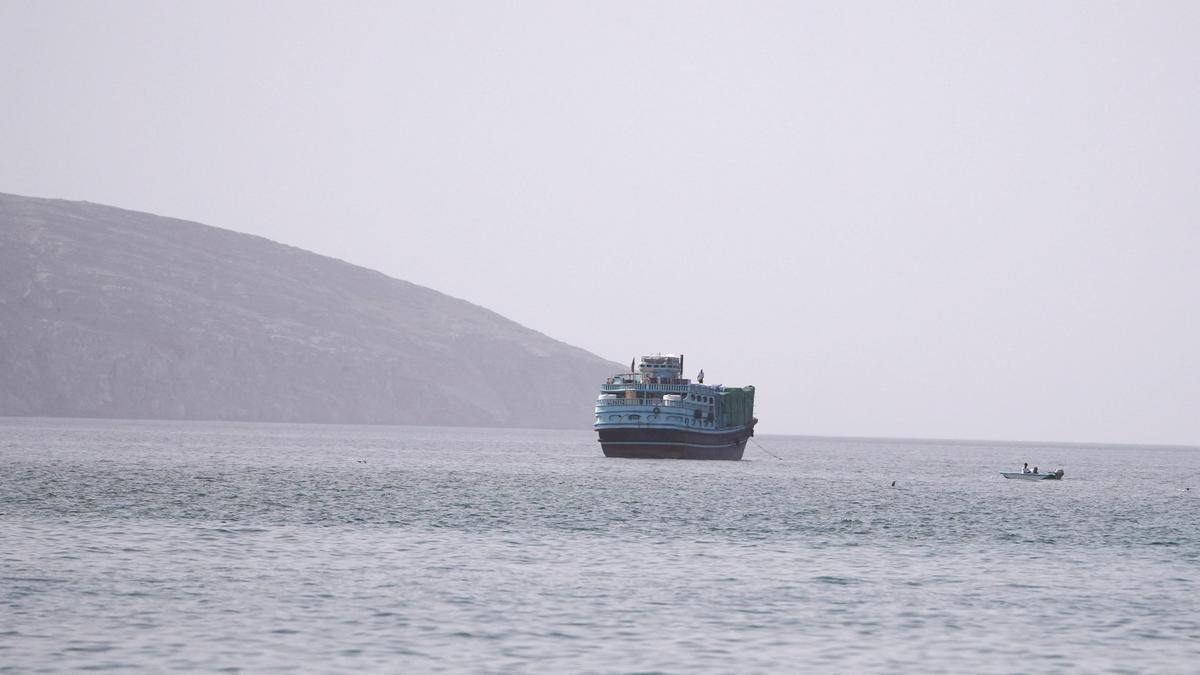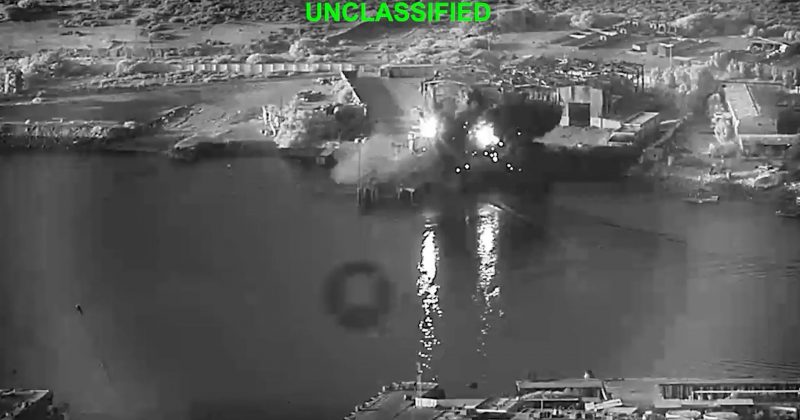
The US military continued pounding Iranian targets for a fifth consecutive day, part of an intensifying campaign that began on July 8 and has turned one of the world’s most critical shipping lanes into something resembling a ghost town. Shipping traffic through the Strait of Hormuz, the narrow waterway connecting the Persian Gulf to the open ocean, dropped to just 14 vessels on a single day. That’s roughly 60% fewer than recent levels and a dramatic collapse from the roughly 100 ships that used to pass through daily before the conflict escalated.
For crypto markets, the ripple effects have been swift and painful. Bitcoin has declined by as much as 8.5% since hostilities flared, caught in the gravitational pull of surging oil prices and a strengthening dollar that have collectively pushed investors into full risk-off mode.
What’s happening in the Strait
The Strait of Hormuz is the oil market’s most important bottleneck. About a fifth of the world’s petroleum supply passes through it on any given day.
Iran has claimed control over the Strait during the heightened tensions, while the US has maintained military operations aimed at keeping navigation open. Over 8 million barrels of oil reportedly continued transiting the waterway under US military protection during the most critical days of the conflict.