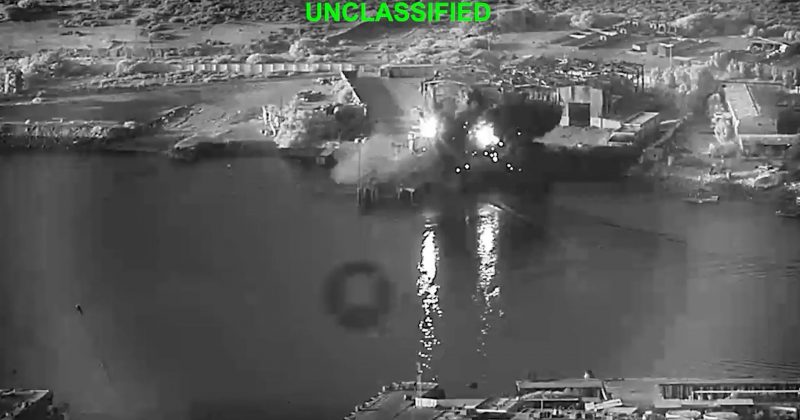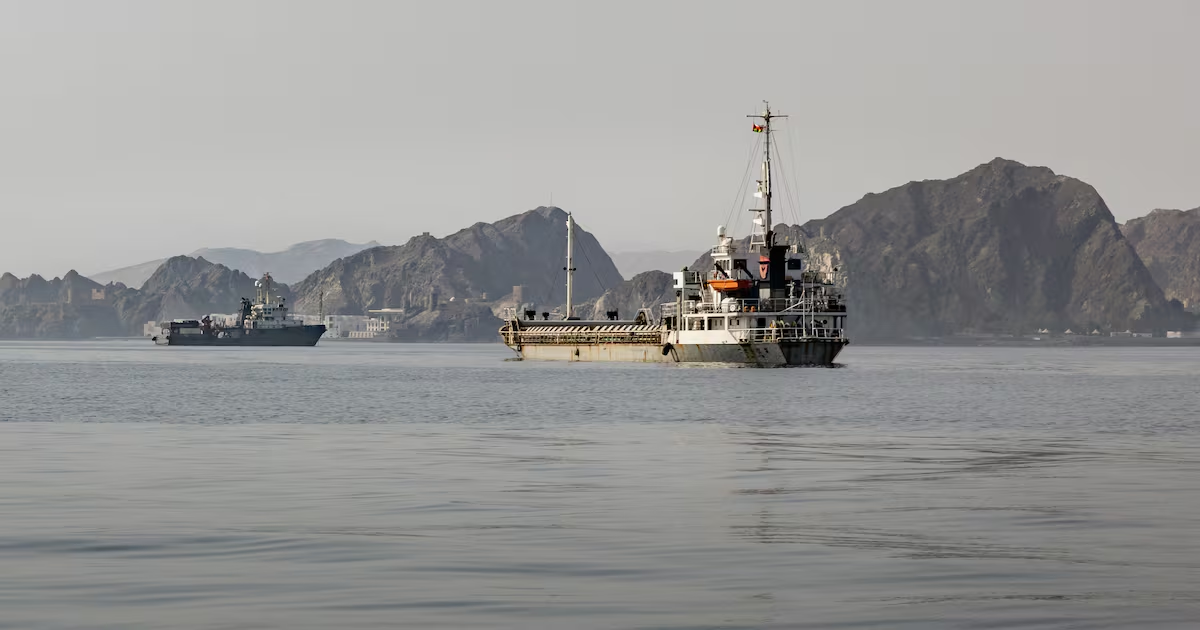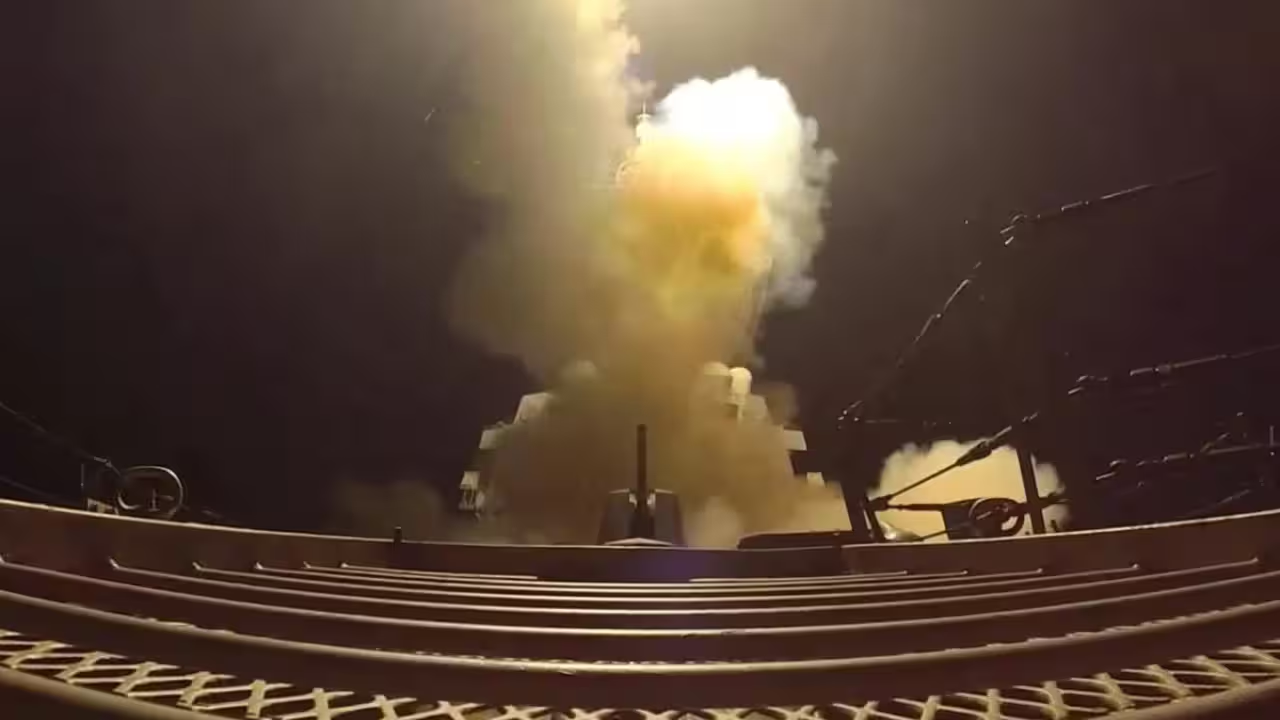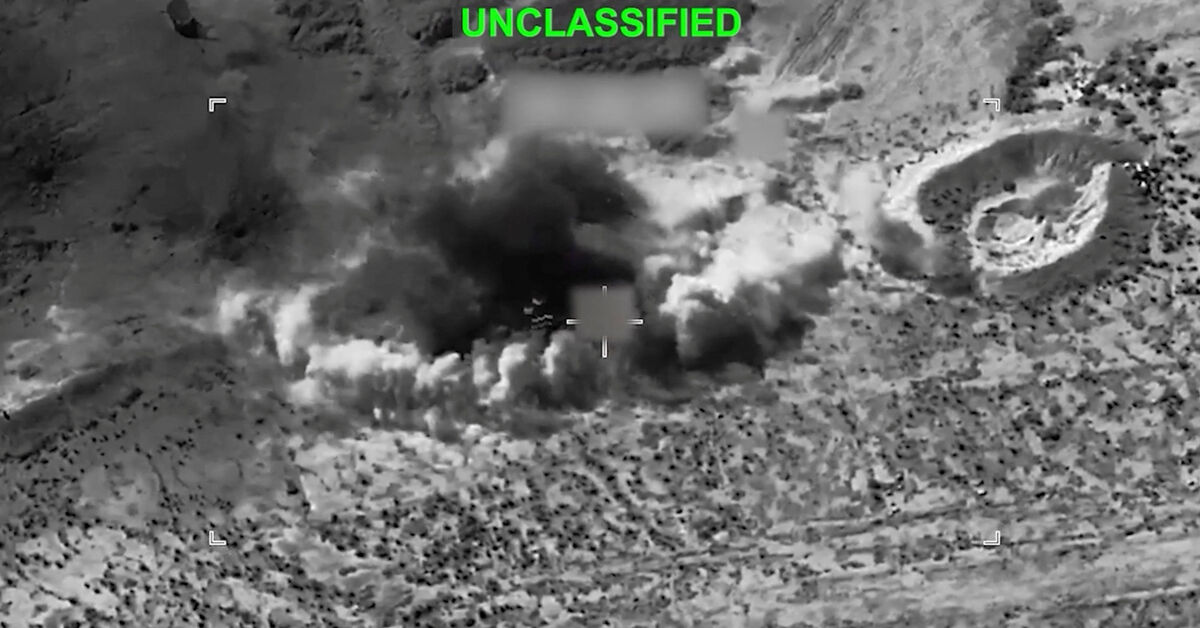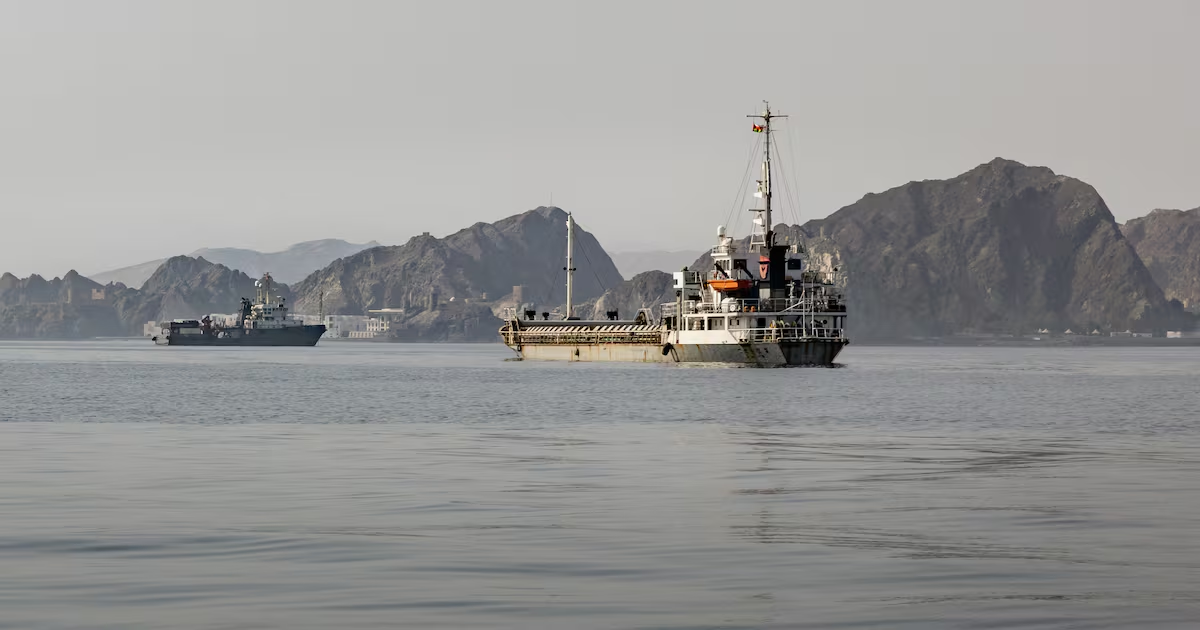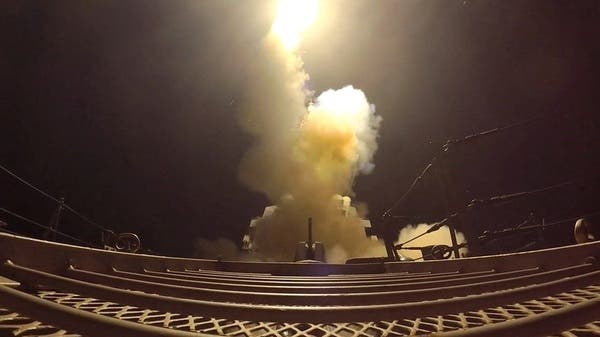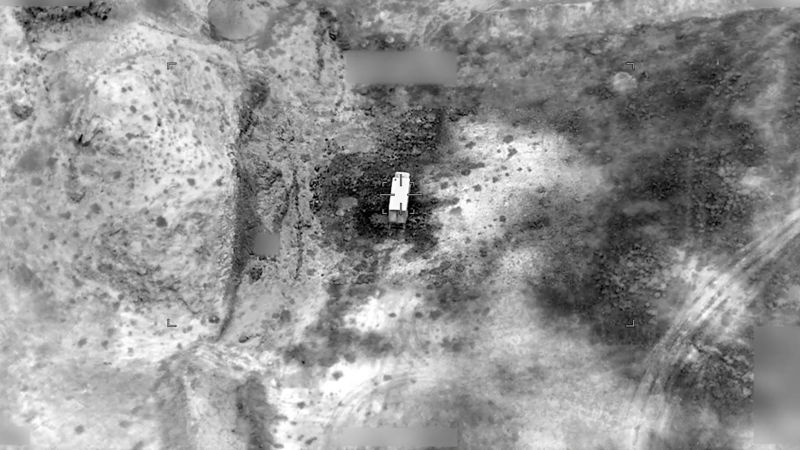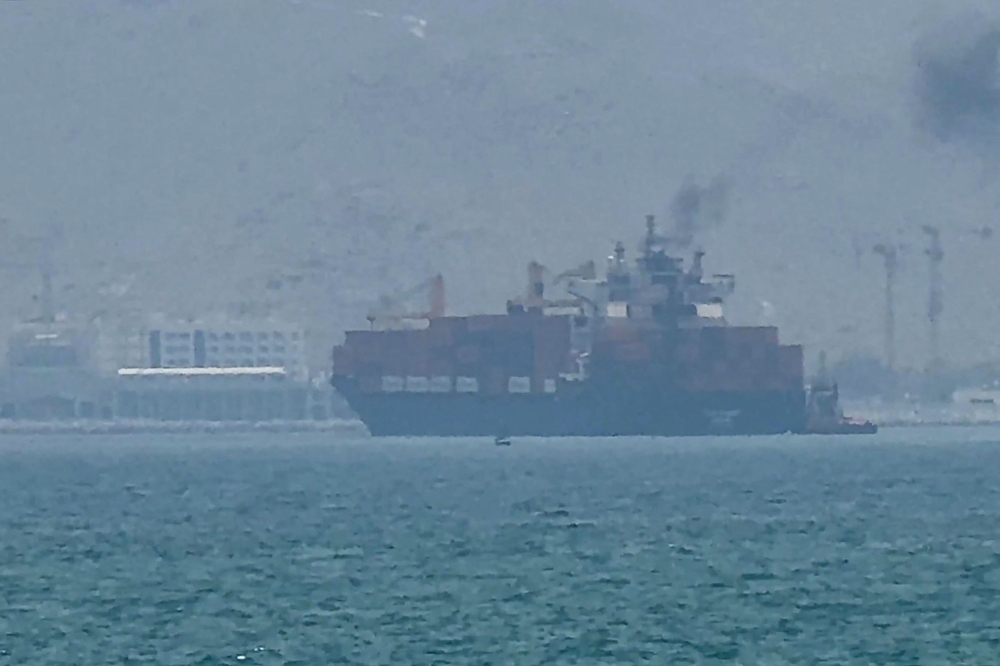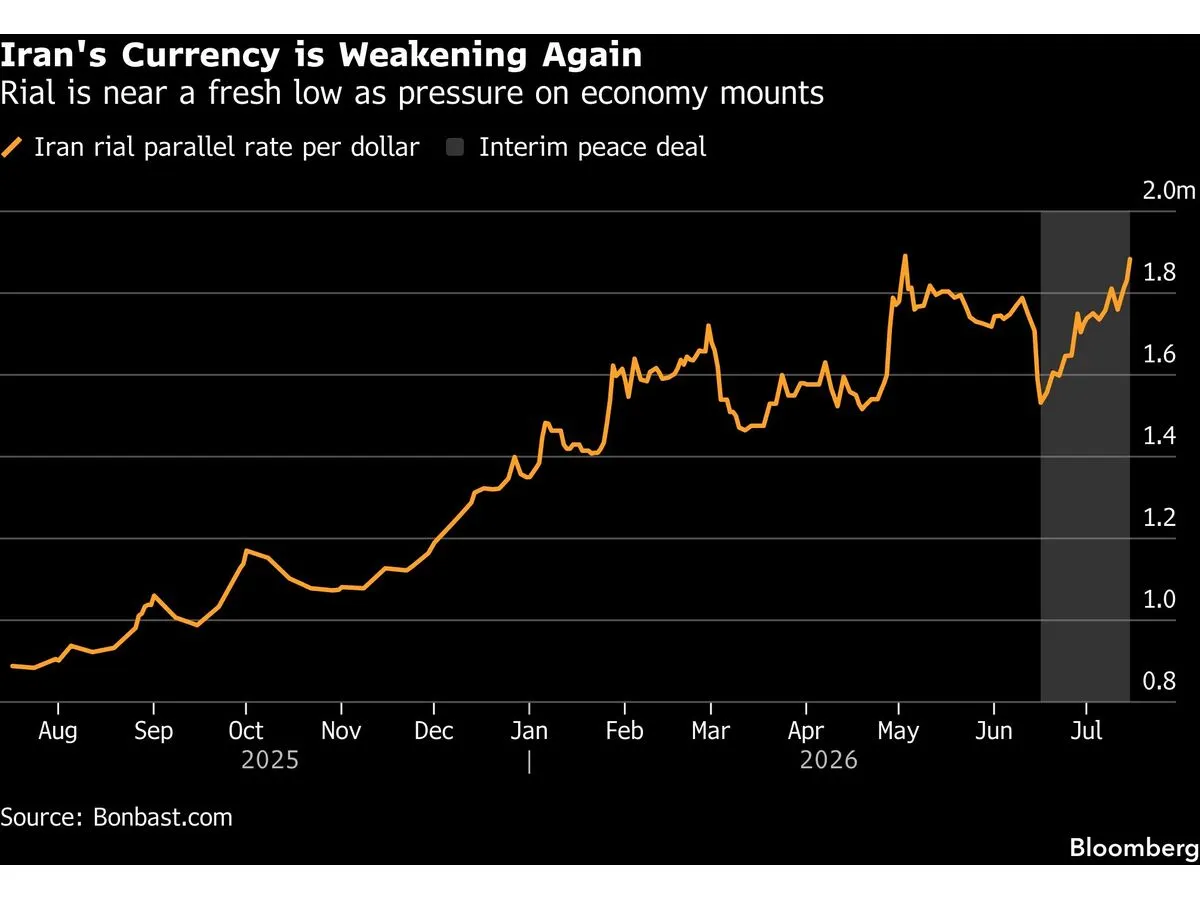
Skip to Content News Archives Economy Energy Oil & Gas Renewables Electric Vehicles Mining Commodities Agriculture Real Estate Mortgages Mortgage Rates Finance Banking Insurance Fintech Cryptocurrency Work Wealth Smart Money Wealth Management Investor Personal Finance Family Finance Retirement Taxes High Net Worth FP Comment Executive Women Puzzmo Newsletters Financial Times Business Essentials More Innovation Information Technology FP500 Podcasts Small Business Lives Told Tails Told Shopping Financial Post Store Obituaries Place a Notice Advertising Advertising With Us Advertising Solutions Postmedia Ad Manager Sponsorship Requests Classifieds Place a Classifieds ad Working Profile Settings My Subscriptions Saved Articles My Offers Newsletters Customer Service FAQ News Economy Energy Mining Real Estate Finance Work Wealth Investor FP Comment Executive Women Puzzmo Newsletters Financial Times Business Essentials HomePMN BusinessUS Launches New Strikes on Iran as Hormuz Traffic SlumpsThe US launched fresh strikes against Iran on Thursday, the fifth straight day of attacks, as hostilities across the Middle East continued to escalate and shipping traffic slumped in the critical Strait of Hormuz.Author of the article:Last updated 19 minutes ago You can save this article by registering for free here. Or sign-in if you have an account.rk4[4z4]49(zdeud5x181t[1_media_dl_1.png Bonbast.com(Bloomberg) — The US launched fresh strikes against Iran on Thursday, the fifth straight day of attacks, as hostilities across the Middle East continued to escalate and shipping traffic slumped in the critical Strait of Hormuz.Subscribe now to read the latest news in your city and across Canada.Exclusive articles from Barbara Shecter, Joe O'Connor, Gabriel Friedman, and others.Daily content from Financial Times, the world's leading global business publication.Unlimited online access to read articles from Financial Post, National Post and 15 news sites across Canada with one account.National Post ePaper, an electronic replica of the print edition to view on any device, share and comment on.Daily puzzles, including the New York Times Crossword.Subscribe now to read the latest news in your city and across Canada.Exclusive articles from Barbara Shecter, Joe O'Connor, Gabriel Friedman and others.Daily content from Financial Times, the world's leading global business publication.Unlimited online access to read articles from Financial Post, National Post and 15 news sites across Canada with one account.National Post ePaper, an electronic replica of the print edition to view on any device, share and comment on.Daily puzzles, including the New York Times Crossword.Create an account or sign in to continue with your reading experience.Access articles from across Canada with one account.Share your thoughts and join the conversation in the comments.Enjoy additional articles per month.Get email updates from your favourite authors.Create an account or sign in to continue with your reading experience.Access articles from across Canada with one accountShare your thoughts and join the conversation in the commentsEnjoy additional articles per monthGet email updates from your favourite authorsSign In or Create an AccountorThe new US attacks began at 2 p.m. ET, according to US Central Command, with US forces aiming to “further degrade Iranian military capabilities” and followed earlier strikes that hit an oil tanker near Iran’s main export terminal.Iran responded to the earlier bombardment by firing at American bases in Kuwait and Jordan, with the Kuwaiti Armed Forces saying it intercepted 32 Iranian attack drones targeting “vital” institutions in the country, with falling debris causing damage in residential areas.Get the latest headlines, breaking news and columns.By signing up you consent to receive the above newsletter from Postmedia Network Inc.A welcome email is on its way. If you don't see it, please check your junk folder.The next issue of Top Stories will soon be in your inbox.We encountered an issue signing you up. Please try againUS crude ended the session down about 1% near $79 a barrel, while Brent crude eased around 1% to close near $84 a barrel. Both oil benchmarks are up more than 10% this week because of the renewed hostilities.Tehran has not backed down from President Donald Trump’s warning that he’ll escalate military strikes — with the US leader citing Iranian power plants and bridges as potential targets — until the Islamic Republic reopens the Strait of Hormuz, the chokepoint for energy supplies that’s now the focal point of the war.If the US does target Iranian infrastructure, “everything that has remained intact so far due to Iran’s nobility will be smashed to pieces – that is, all the infrastructure in the region,” state-run Islamic Republic News Agency cited a spokesman for the country’s central military command as saying on Thursday.Iran has also asked its Houthi allies in Yemen to close the Red Sea oil route if the US strikes Iran’s power network, Reuters reported, citing people familiar with the matter.“As long as the United States does not accept the Iranian legal system, this strait will remain closed,” a spokesman for Iran’s army said, according to a report from the semi-official Iranian Students’ News Agency. That was likely a reference to Tehran’s demand that ships seek its permission before sailing through Hormuz and abide by its rules, including the imposition of any service fees.Observable commercial traffic through the strait was sparse, with transits largely limited to Iran-linked vessels using the northern route approved by Tehran, ship-tracking data compiled by Bloomberg show. Even so, evidence continues to indicate that some oil cargoes are crossing without broadcasting their location.Two supertankers carrying Saudi and Iraqi crude reappeared off Oman late Wednesday after going dark on tracking systems in the Persian Gulf over the weekend, indicating they likely completed the Hormuz passage earlier this week. Some Iranian tankers also changed course after the US resumed blockading its ships again this week.The slowdown has pushed the seven-day moving average of crude oil flows, including Iranian supplies, through Wednesday down to about 5.5 million barrels a day, from around 9.4 million barrels a day the previous week, according to Bloomberg calculations based on vessel-tracking data and information from Kpler and Vortexa.The US is increasingly frustrated with Iran’s willingness and ability to attack vessels in the Strait of Hormuz, a vital transit for oil and liquefied natural gas supplies from the likes of Saudi Arabia, Iraq, Qatar and Iran itself. Washington and Tehran accuse each other of breaching the terms of an interim peace agreement, which was meant to reopen the strait but worded ambiguously as to how fast that would happen.Amid an uptick in tensions since early last week, the US reimposed a blockade on Iranian ports and ended a waiver on oil sanctions. The blockade, which threatens to further weaken Iran’s strained economy, was first imposed in April and then lifted with the signing of the peace deal.Iran’s rial has depreciated over the past month. The currency was trading at around 1.9 million versus the dollar on Thursday, roughly 20% lower than before the interim deal, according to Bonbast.com, a website that tracks its value on the black market.US Vice President JD Vance, in an interview with podcaster Joe Rogan, rejected the idea that talks with Iran are futile and said the US wasn’t going to deploy ground troops to try and topple the government.“We’re not going to send 150,000 ground troops in order to accomplish a change in a regime unless the people on the ground themselves want to accomplish that outcome,” he said, referring to Iranians.Iran’s parliamentary speaker and chief negotiator in the now-stalled peace talks with the US, Mohammad Bagher Ghalibaf, said his country had “no reason to remain committed” to an interim deal the two sides signed around a month ago. He stopped short, however, of saying Iran would formally withdraw from the so-called memorandum of understanding.Early Thursday, the US said it had struck a supertanker near Iran’s Kharg Island export terminal, its first attack on a vessel since the blockade restarted. The US military said the Curacao-flagged “unladen” tanker ignored multiple warnings as it moved to an Iranian port.“The ceasefire is over, with vessels under heavy Iranian fire,” RBC analysts including Helima Croft said in a note to clients. “We do not see Hormuz traffic returning to pre-war levels as long as shippers have to contend with the threat of mines, missiles, drones, and Tehran tolls.”The latest wave of US attacks has mostly singled out military sites such as radar, missile and drone facilities. The bombing campaign remains far less intense than during the height of the war in March and early April, when Tehran and other major cities were under constant fire.—With assistance from Sherif Tarek and Devika Krishna Kumar. Join the Conversation This website uses cookies to personalize your content (including ads), and allows us to analyze our traffic. Read more about cookies here. By continuing to use our site, you agree to our Terms of Use and Privacy Policy.
US Launches New Strikes on Iran as Hormuz Traffic Slumps
The US launched fresh strikes against Iran on Thursday, the fifth straight day of attacks, as hostilities across the Middle East continued to escalate and shipping …
1,428 words~6 min read