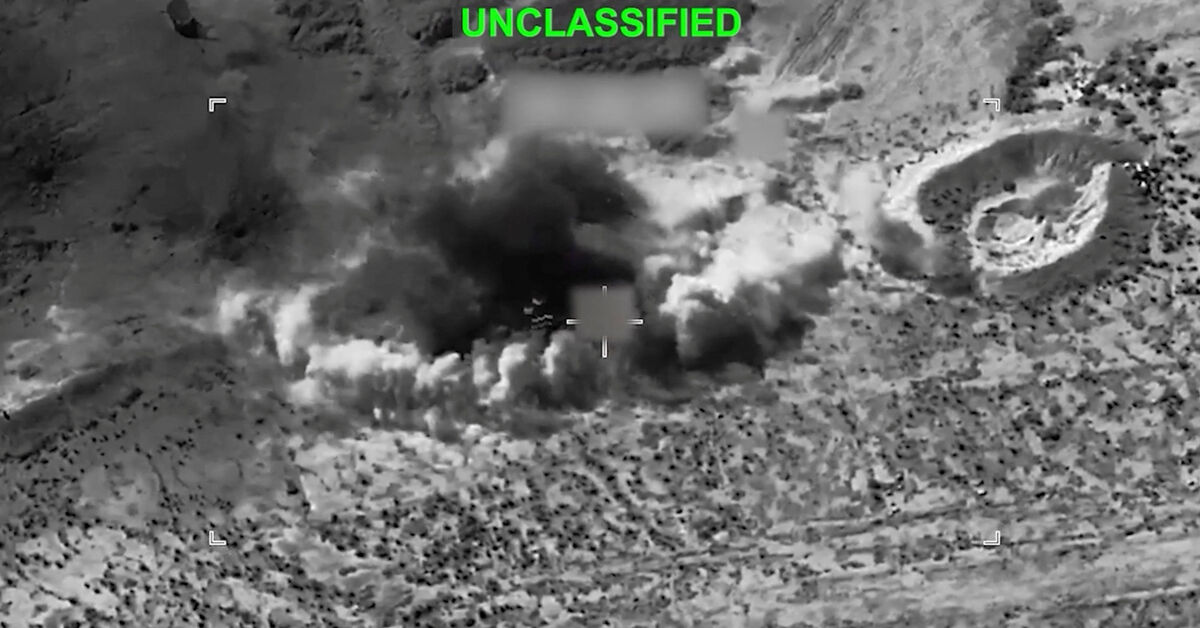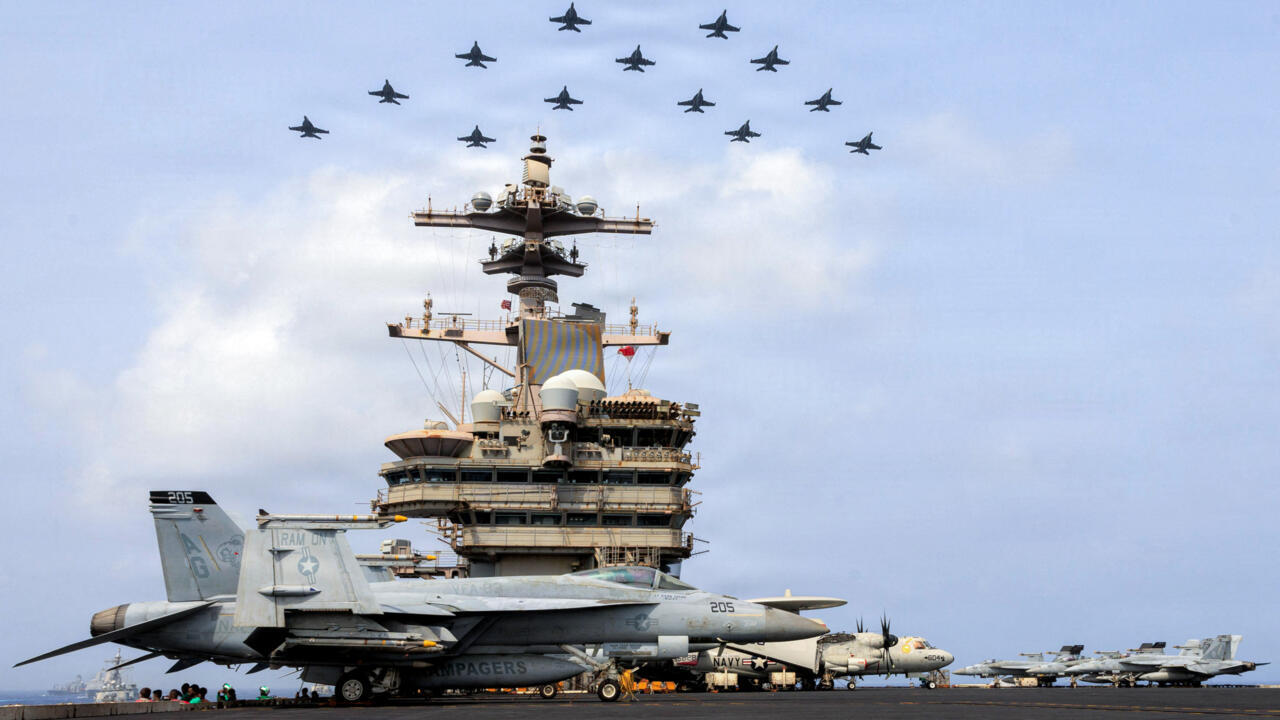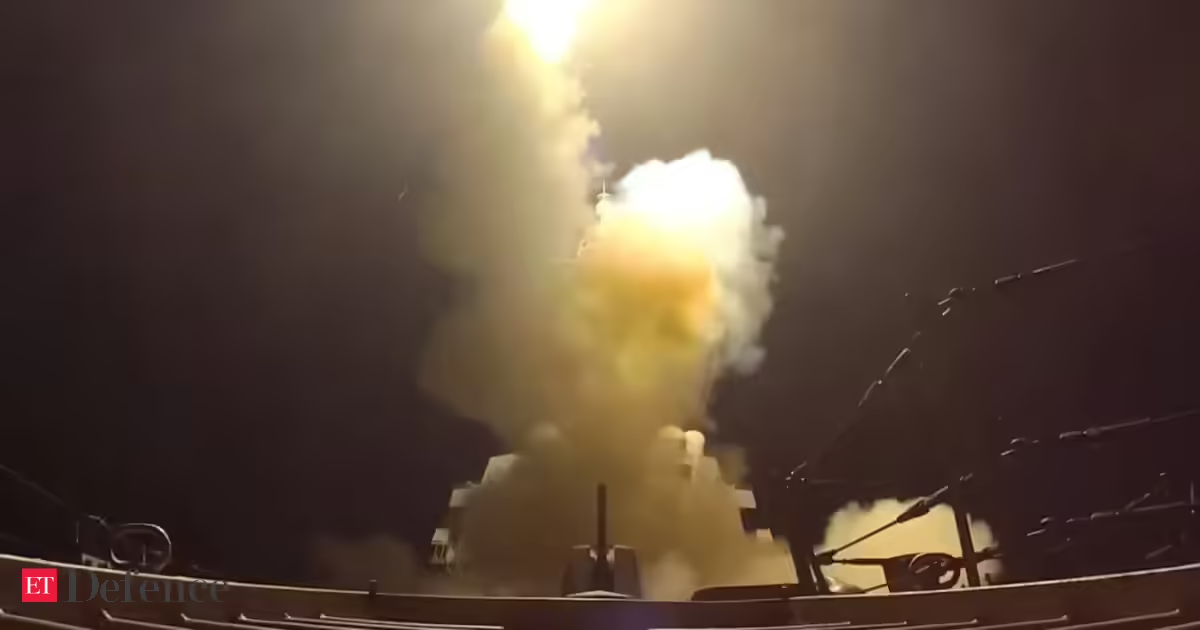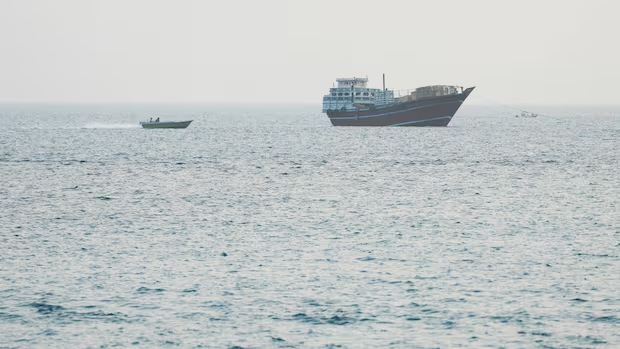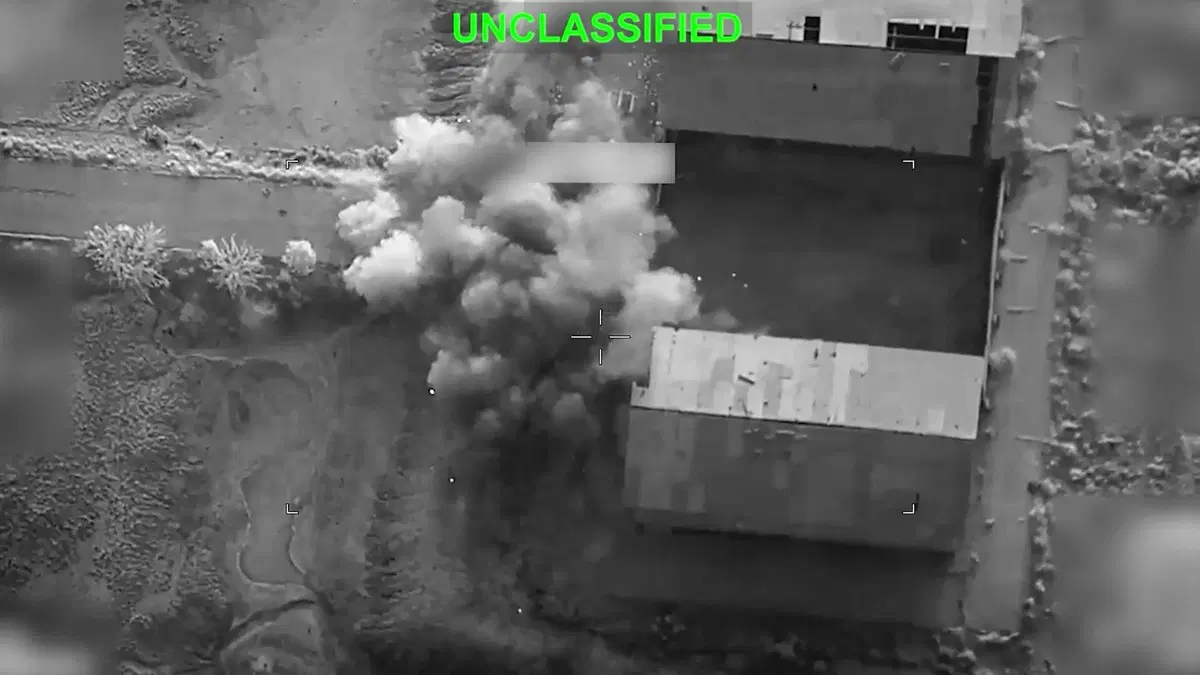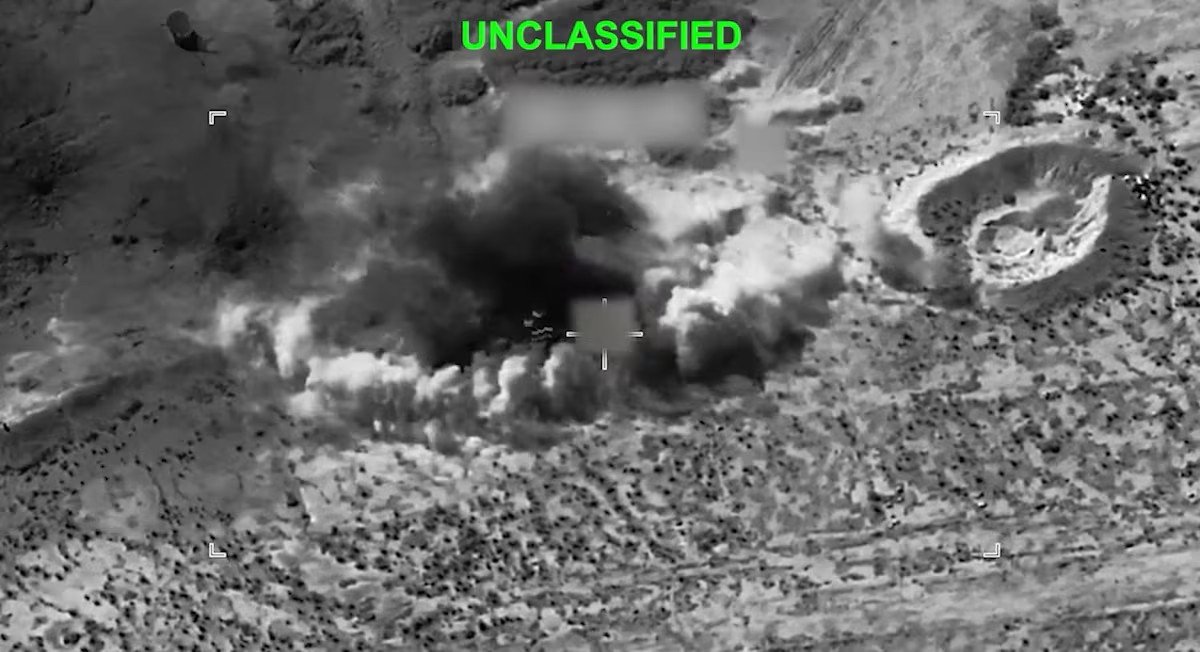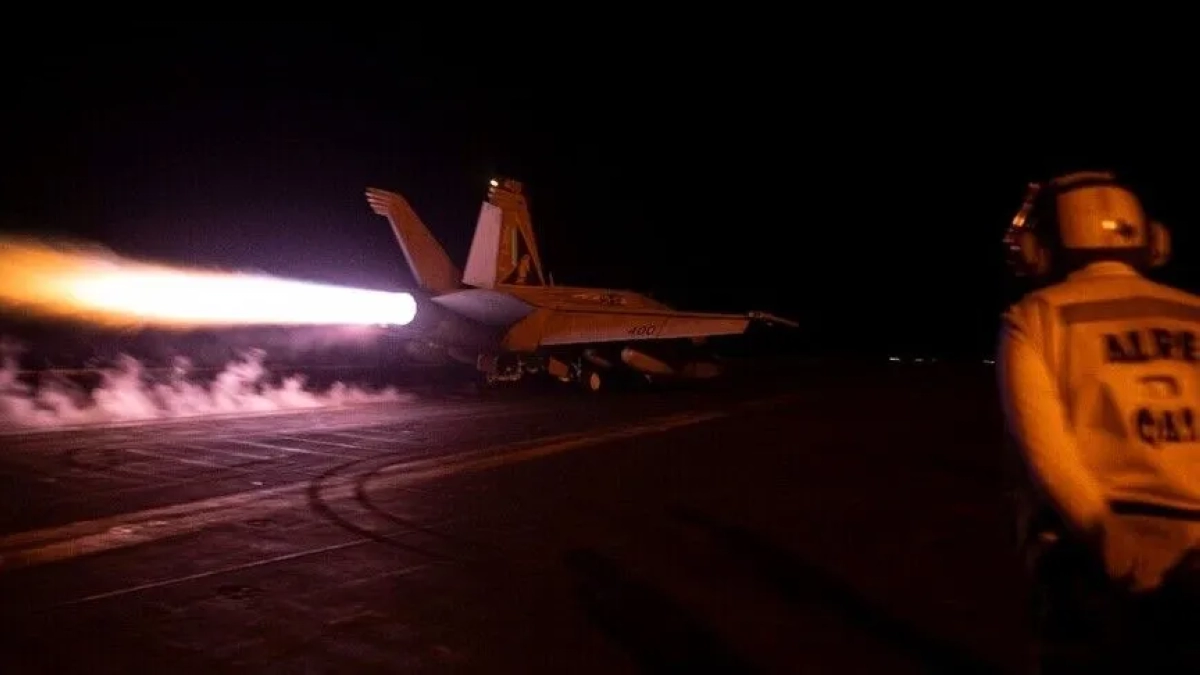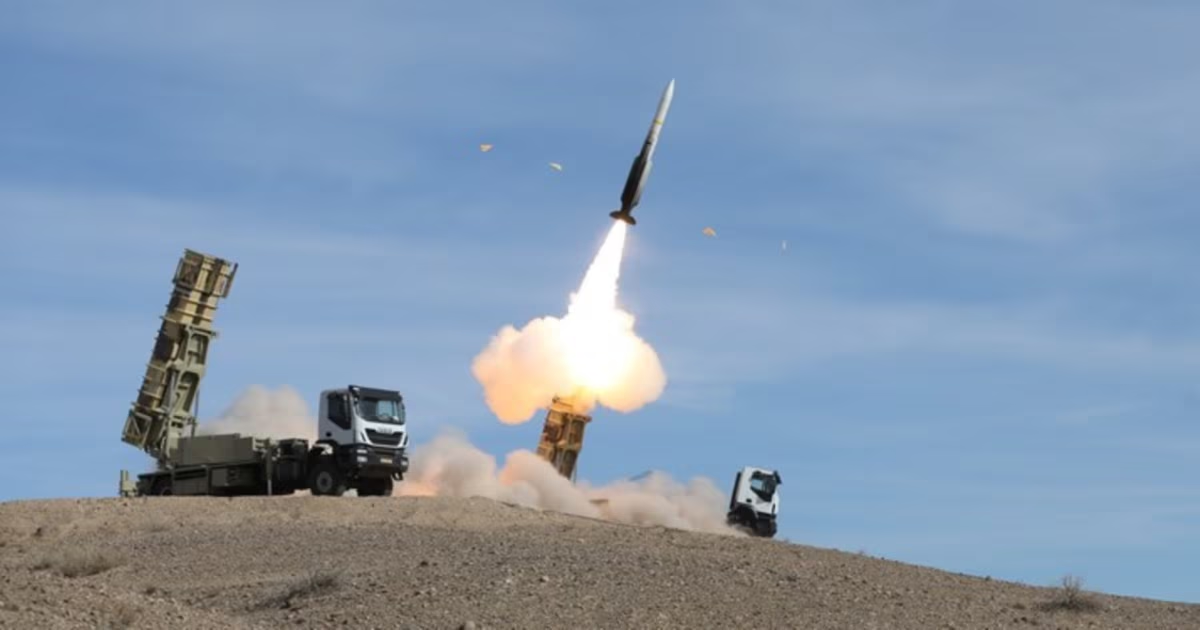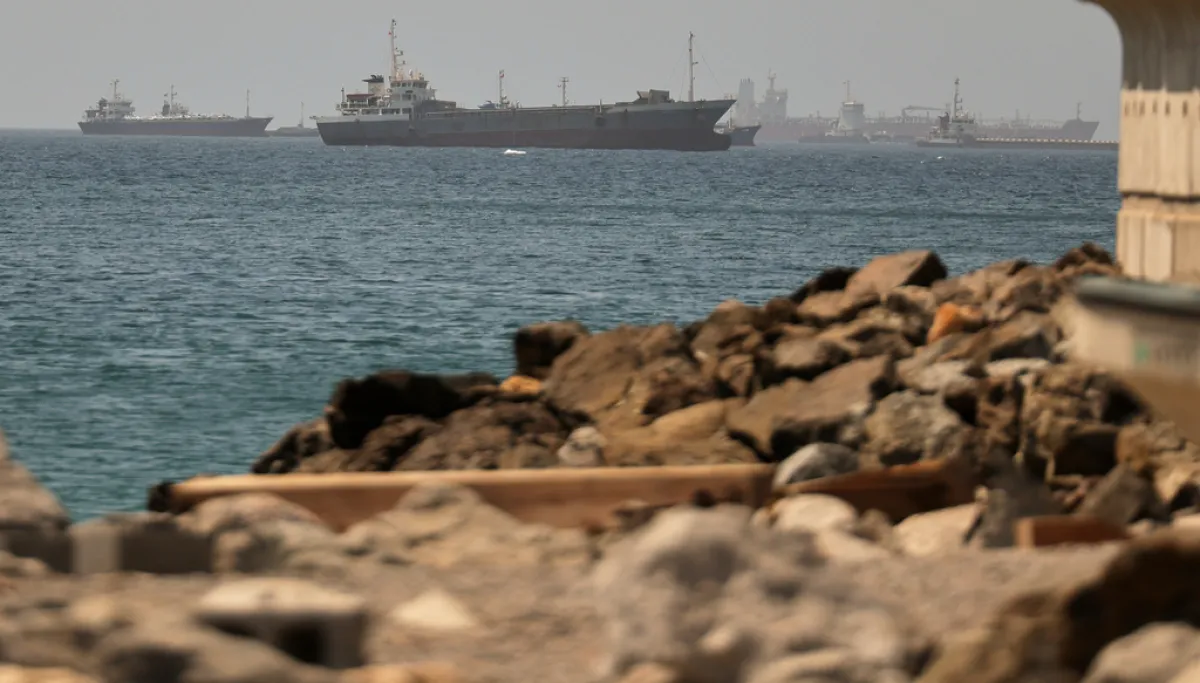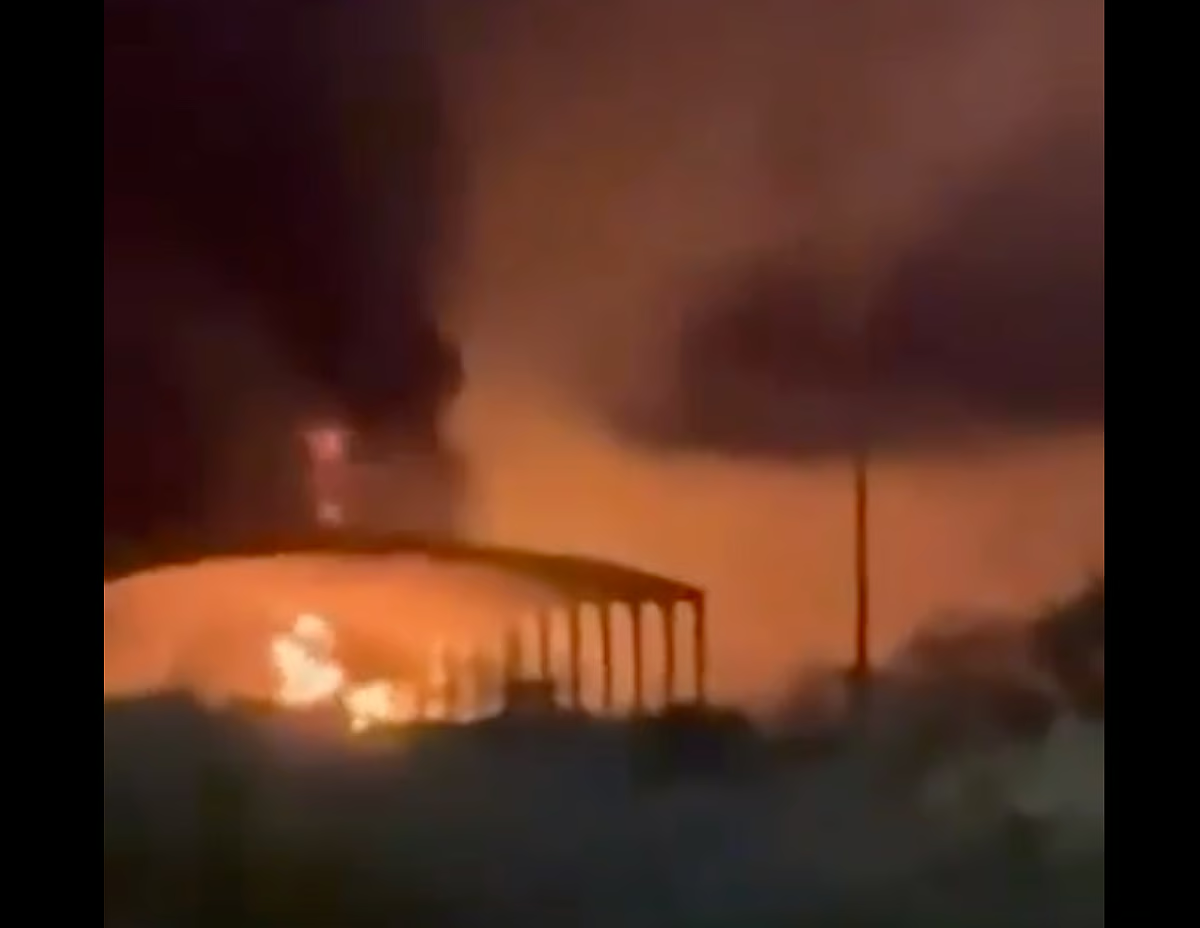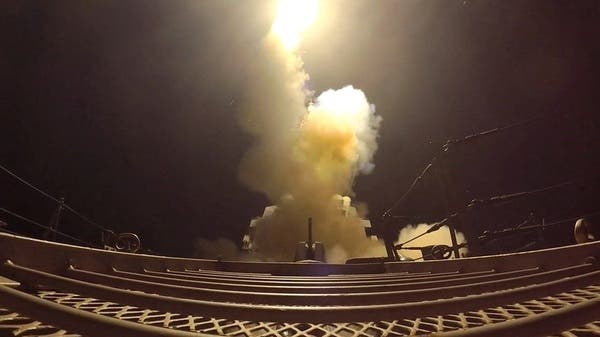
The US conducted a new wave of strikes against Iran’s coastal defense systems and cruise missile storage and launch sites on Wednesday after reimposing a naval blockade of Iranian ports, while Iran threatened to shut off more regional energy exports. The strikes mark the latest escalation of attacks and counterattacks launched by the two sides as they vie for control of the Strait of Hormuz, which carried about a fifth of global oil and gas shipments before the war.For all the latest headlines, follow our Google News channel online or via the app. “At 6 a.m. ET today, US Central Command forces began launching a wave of strikes against Iran,” the US military said. “The strikes are designed to further degrade military capabilities Iranian forces have used to attack commercial shipping in the Strait of Hormuz.” There were no immediate reports of attacks in Iranian media. US Central Command said in a statement the military had targeted coastal defense systems and cruise missile storage and launch sites on Iran’s Greater Tunb Island, and had completed the wave of strikes within around 90 minutes. Late on Tuesday the US military said it had hit dozens of military targets near the Strait of Hormuz and Iranian coastal areas in strikes lasting seven hours. In response, Iran’s Islamic Revolutionary Guard Corps said on Wednesday it had struck US military targets in the region, including in Bahrain, Kuwait and Jordan. It also threatened on Wednesday to shut off more regional energy exports, saying the US “must brace for the closure of all other export corridors that benefit the US and its allies.” Hostilities have intensified since Iran said late on Saturday it had closed the Strait of Hormuz. The US says Iran had attacked seven commercial ships over the last week, leaving nearly a dozen crew members killed, missing or injured. An interim ceasefire deal in the conflict signed last month was meant to lead to further negotiations including on Iran’s nuclear program, and to a permanent truce, but a return to talks has faltered.Read more:
US launches new round of strikes against Iran as escalation threatens shipping
The US conducted a new wave of strikes against Iran’s coastal defense systems and cruise missile storage and launch sites on Wednesday after reimposing a
342 words~2 min read