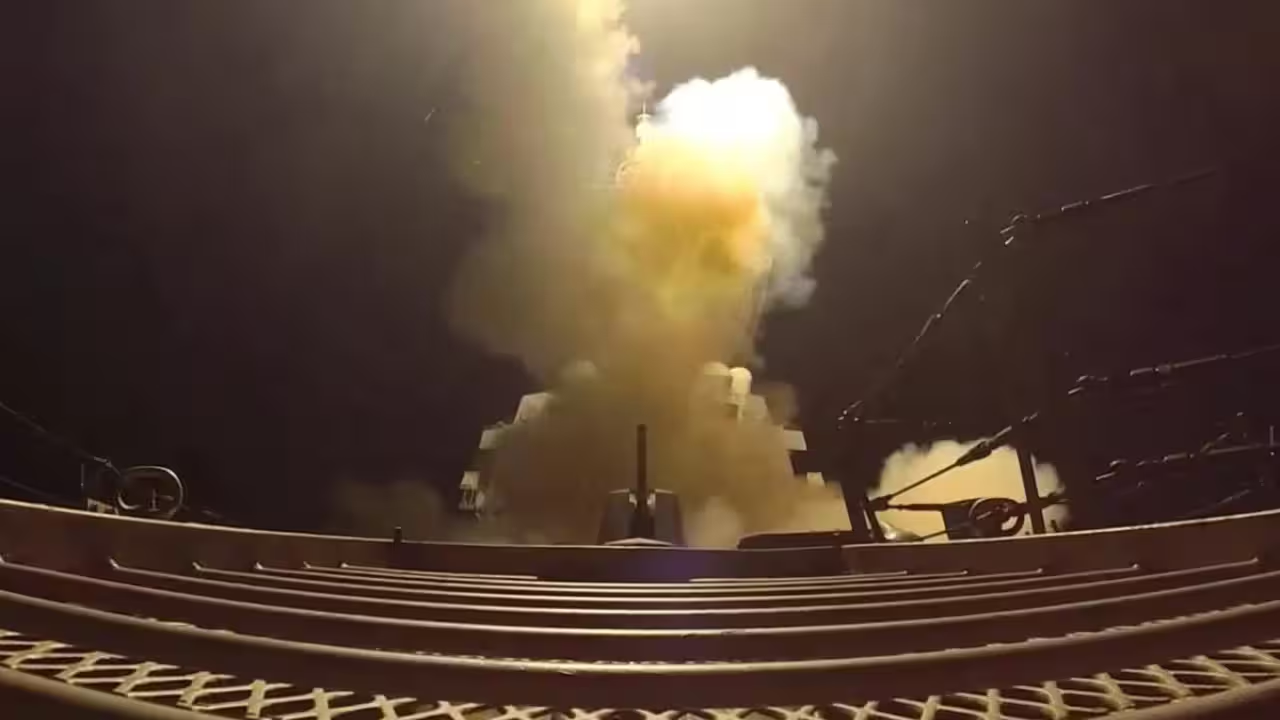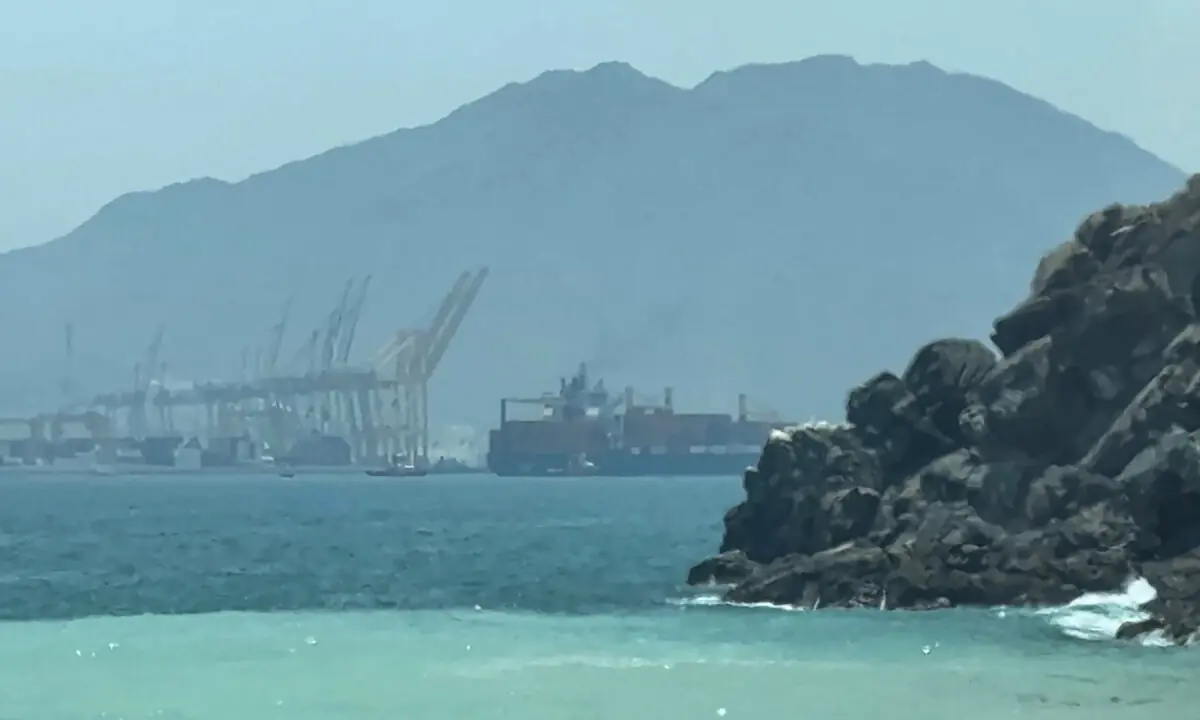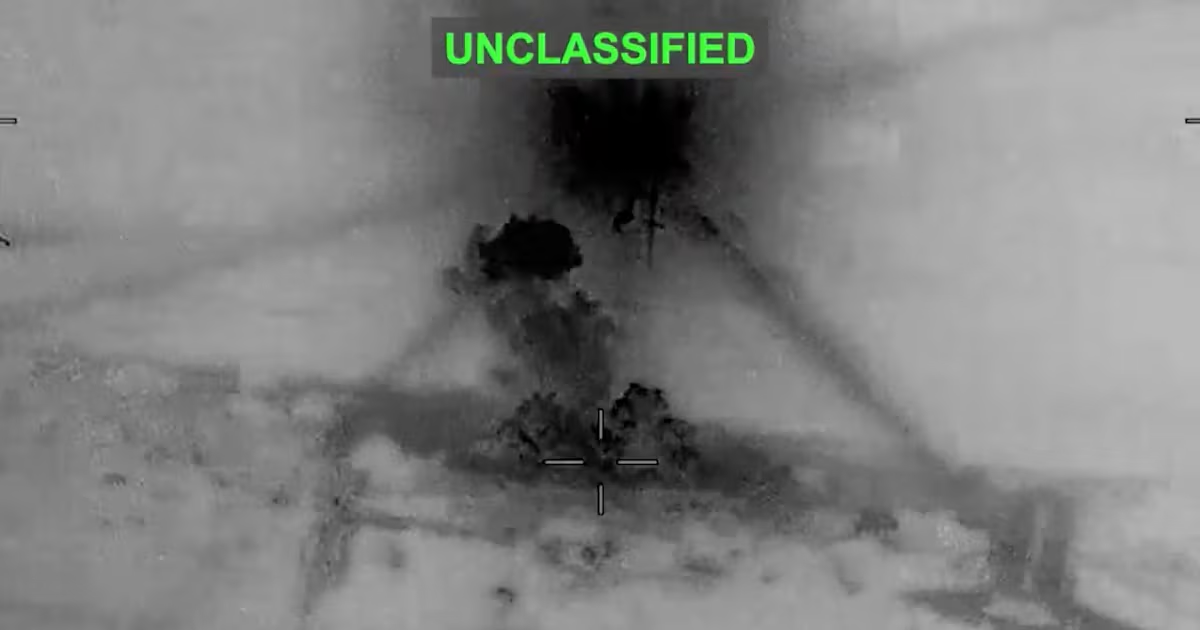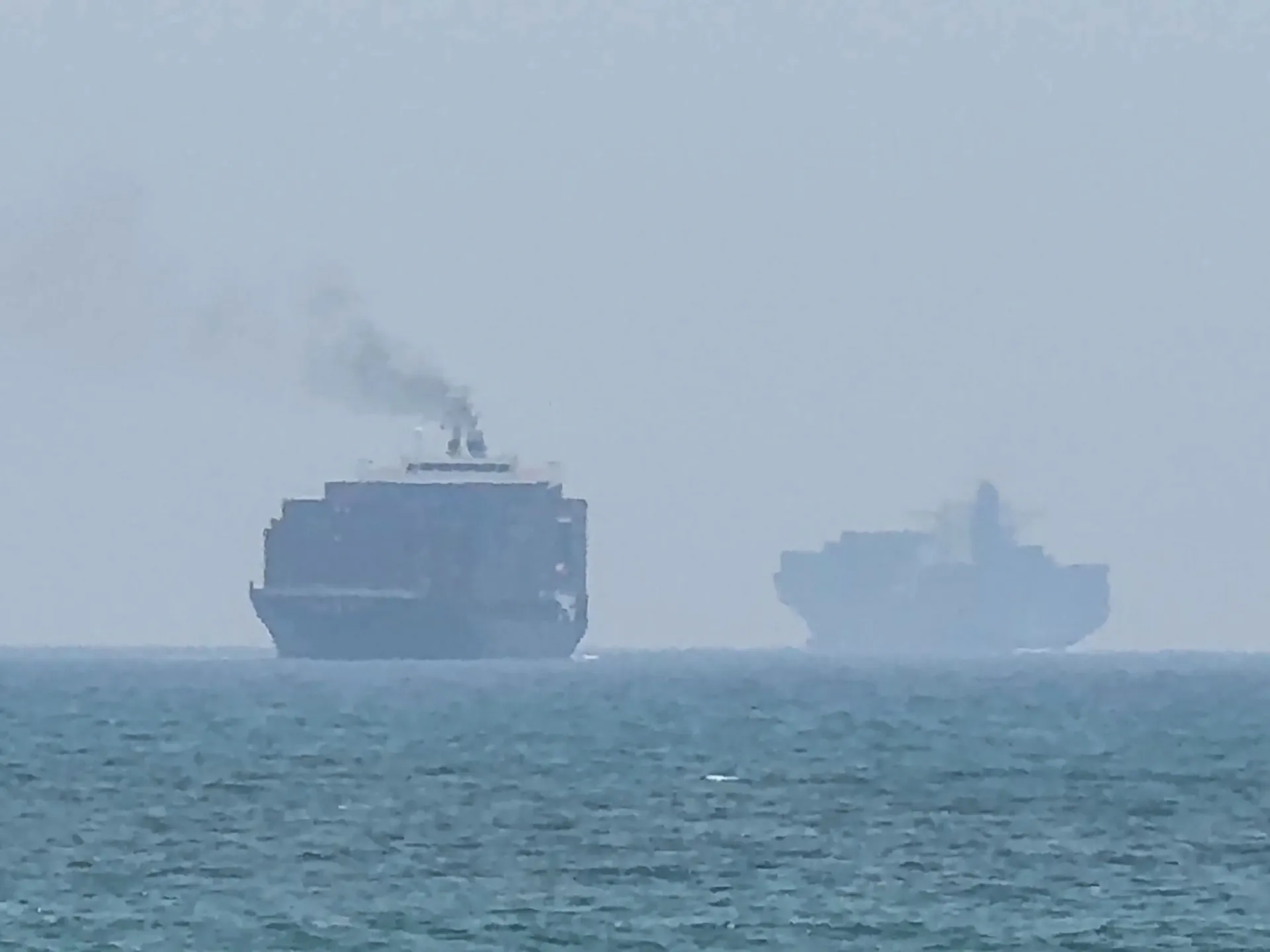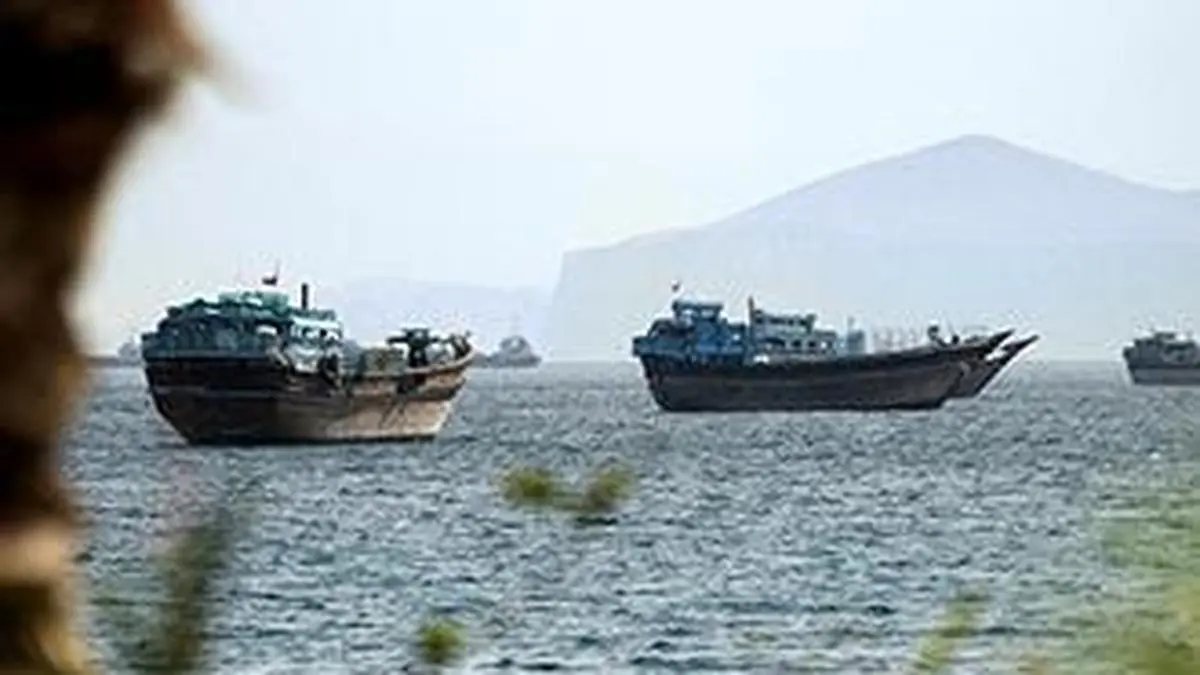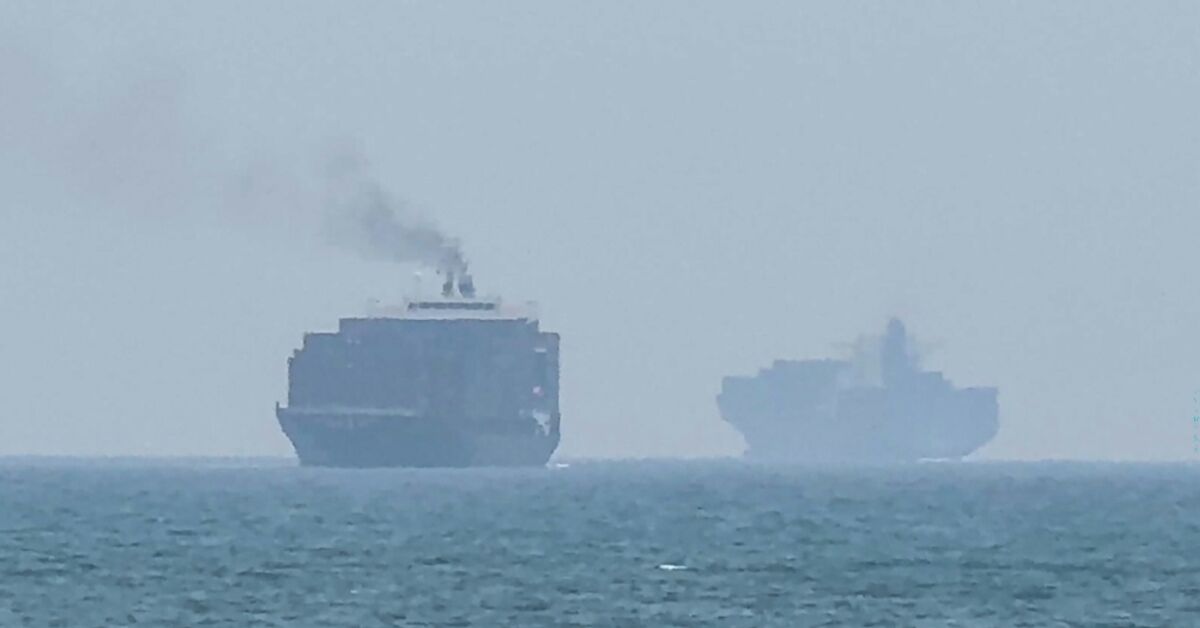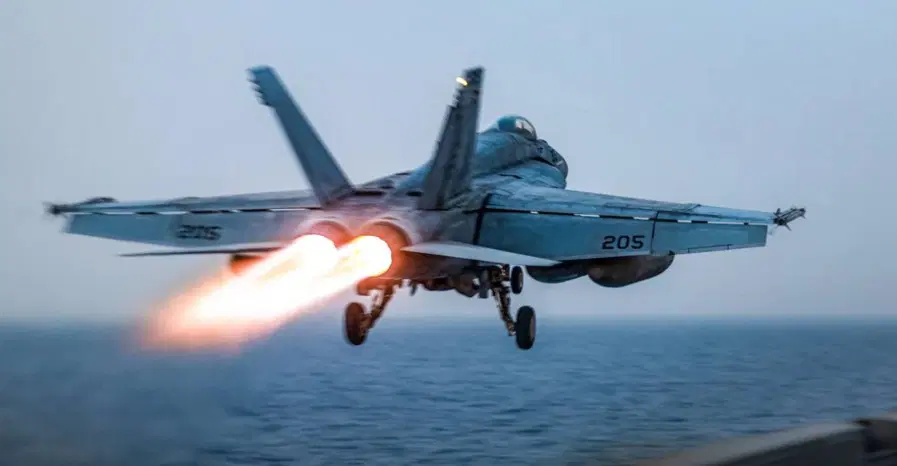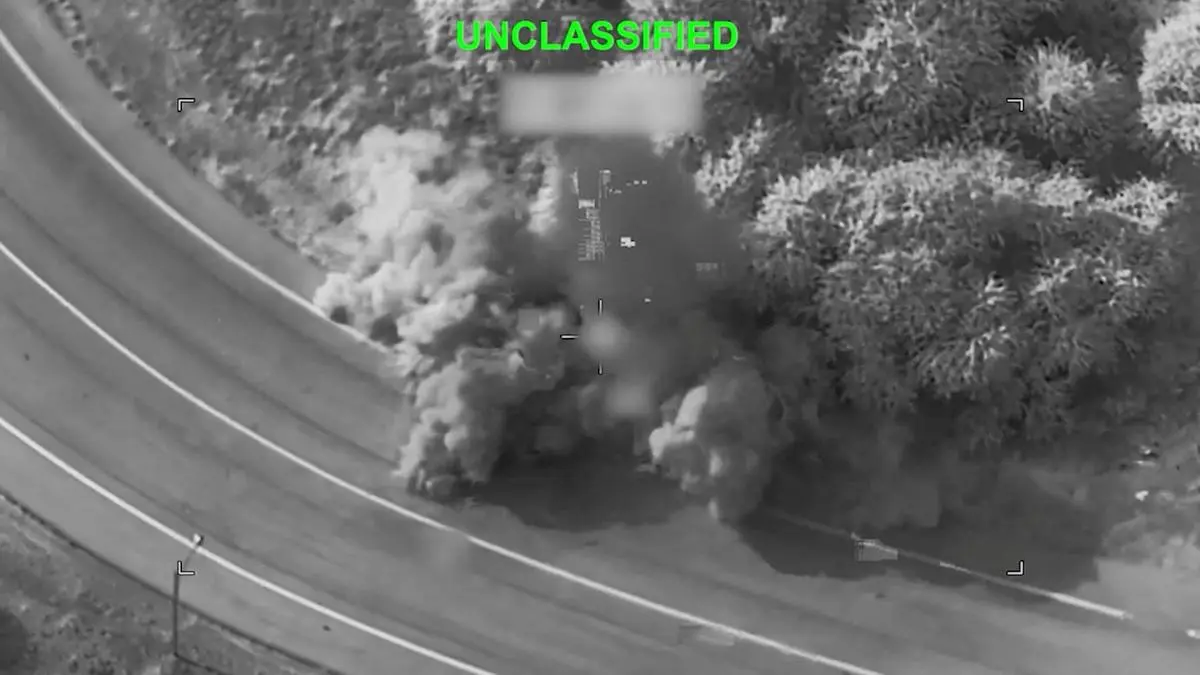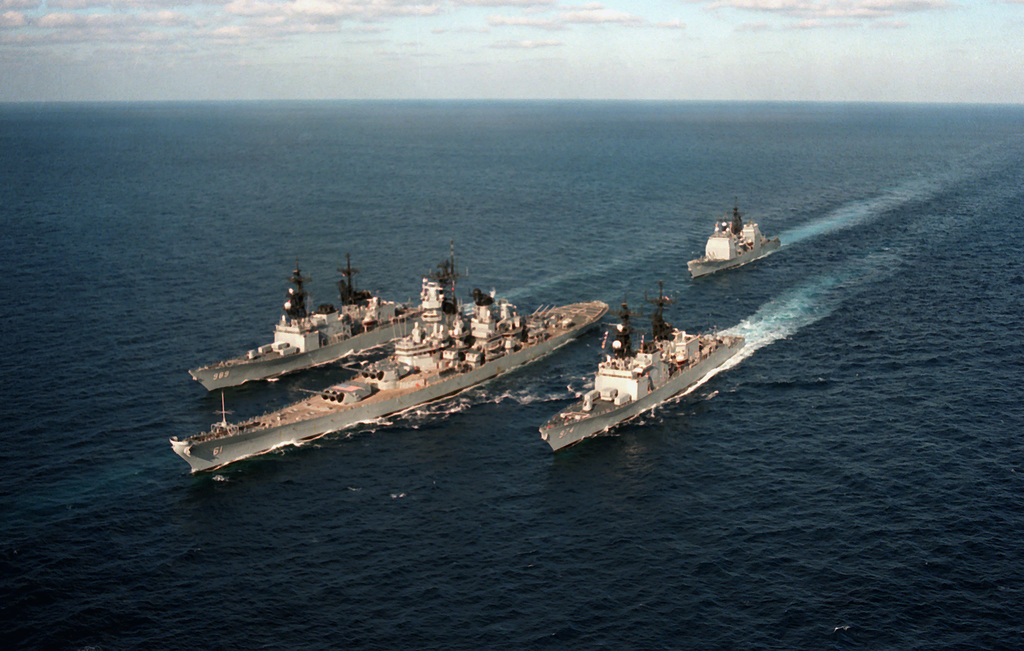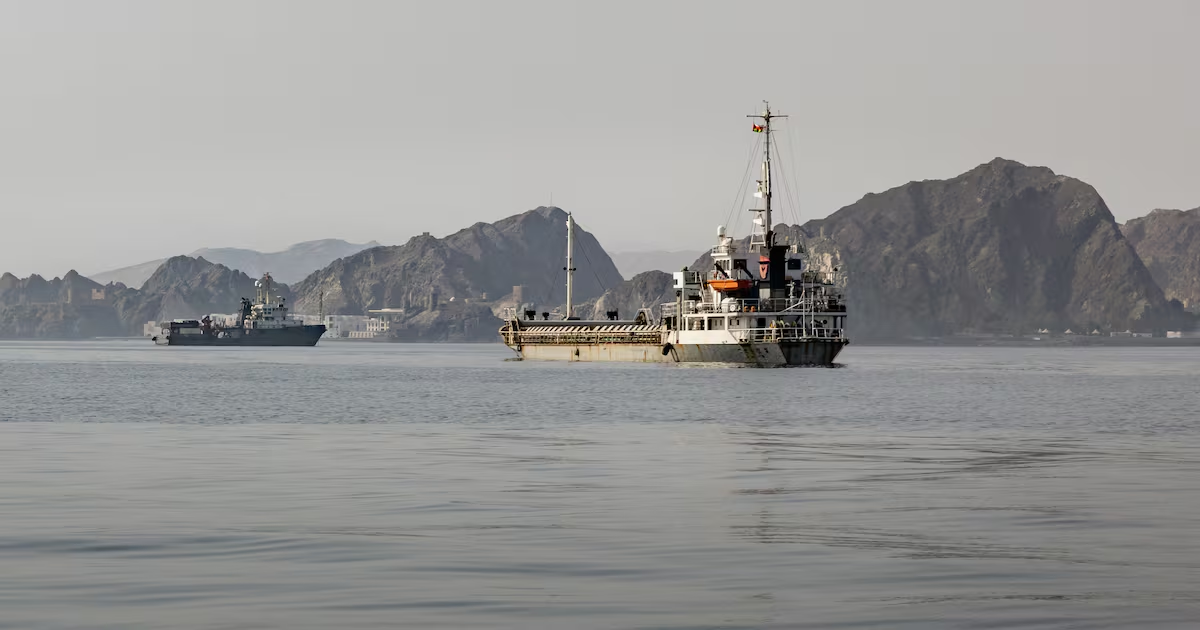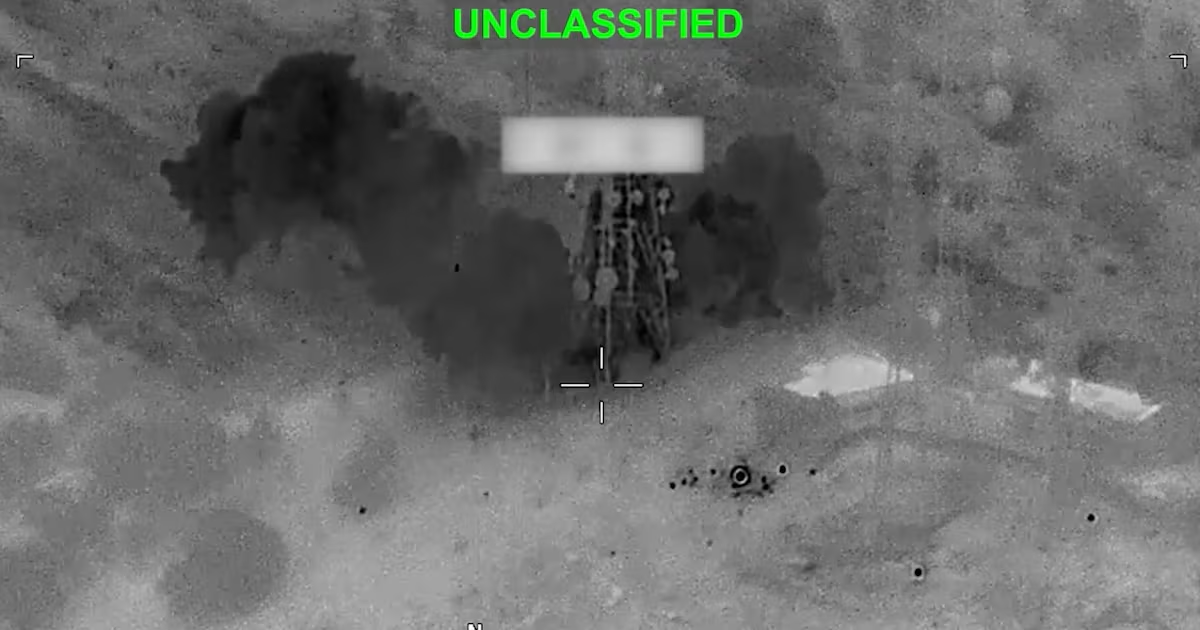
Iran and the US traded more strikes on Monday, with Tehran claiming attacks on American military sites across the Middle East after Washington launched its fifth wave of strikes in six days in response to attacks on shipping in the Strait of Hormuz.The US military's Central Command said its latest strikes hit dozens of targets in Iran, including air defence systems, coastal radar sites, and missile and drone capabilities, as well as attack speedboats belonging to the Islamic Revolutionary Guard Corps (IRGC). The operation involved fighter aircraft, naval vessels and, for the first time, one-way attack aerial and sea drones."The Strait of Hormuz is a vital maritime corridor for global trade. Iran does not control it," Centcom said. "US forces are positioned and prepared to ensure that freedom of navigation remains available despite unwarranted Iranian aggression."The region has been gripped by further violence as Iran and the US exchange attacks. EPAInfoUS President Donald Trump said the strikes were ordered after Iran attacked a commercial vessel despite what he described as a breakthrough in negotiations."We had a deal with them yesterday. They were giving up everything," Mr Trump told CNN. "Then all of a sudden, two hours after that, they hit the ship with a drone."We hit them very hard last night. These people, there's something wrong with them."The latest US operation followed Saturday's attack on the Cyprus-flagged MV GFS Galaxy, which US and British maritime authorities said was struck off the coast of Oman. One crew member was missing after the crew abandoned the burning container vessel.Washington said it had conducted attacks on about 140 Iranian targets on Sunday.Conflicting claims over straitIranian state media reported US strikes on Bandar Abbas, Hajiabad and Qeshm Island, while Axios said in a report quoting a senior US official that American forces targeted missile systems, air defences and IRGC speedboats around the Strait of Hormuz.The IRGC responded by claiming missile and drone strikes on US military facilities in Bahrain, Jordan and Kuwait, saying the attacks were part of a campaign against what it called unlawful US military activity around the waterway.It said Sheikh Isa Air Base in Bahrain, Prince Hassan Air Base in Jordan and Ali Al Salem Air Base in Kuwait were all struck. Fuel depots, ammunition stores, Patriot air defence systems and military facilities were destroyed, the IRGC claimed.Play00:47US hits more than 100 targets across IranThe claims could not be independently verified and neither the US nor the governments of Bahrain, Jordan or Kuwait immediately confirmed damage to the bases.Bahrain's Interior Ministry said warning sirens sounded across the kingdom and urged the public to seek shelter. Jordan’s military said it downed four missiles that entered the kingdom's airspace from Iran, with shrapnel falling. In Kuwait, the armed forces said air defences were engaging "hostile aerial targets". It said explosions heard by the public were caused by interceptions.The US has carried out five rounds of strikes on Iran since Wednesday last week, including two waves on Sunday in which it said it hit about 140 targets.On Sunday, Kuwait said a drone strike hit an offshore oil platform, causing damage and wounding a worker. It said three military sites near the Iraqi border were also damaged. On the same day, Iran carried out attacks on Jordan, Oman and Qatar, and the UAE said missile and drone threats were intercepted before entering its airspace.The latest flare-up began after the IRGC declared the strait closed and attacked commercial shipping, saying vessels had ignored its warnings. Washington rejected that claim. "Iran made a poor choice," US Defence Secretary Pete Hegseth said in a post on X. "Now they pay."Despite Tehran's declaration, the US military and the UK-led Joint Maritime Information Centre said commercial traffic continued to move through the strait using an expanded southern route, although the maritime threat level remained "severe".Traffic has nevertheless collapsed. Shipping data showed only a handful of vessels transiting the waterway at the weekend, compared with about 110 a day before the war, while nearly half of some recent crossings were made with ships' tracking systems switched off.The disruption rippled through financial markets. Oil prices jumped by about 4 per cent and share markets slipped in Asia as investors priced in the growing risk to a route through which about a fifth of global oil and LNG supplies normally passes.Although Oman has continued diplomatic contacts with Tehran in an effort to contain the crisis, the latest exchange suggests the conflict has entered a more dangerous phase. Iran has expanded attacks on regional states hosting US forces, as Washington broadens its campaign against Iranian military infrastructure around the strait.
Gulf states face attacks as US strikes Iran for fifth time in six days | The National
Uncertainty rises over energy routes as Tehran and Washington trade fire near Strait of Hormuz
766 words~3 min read