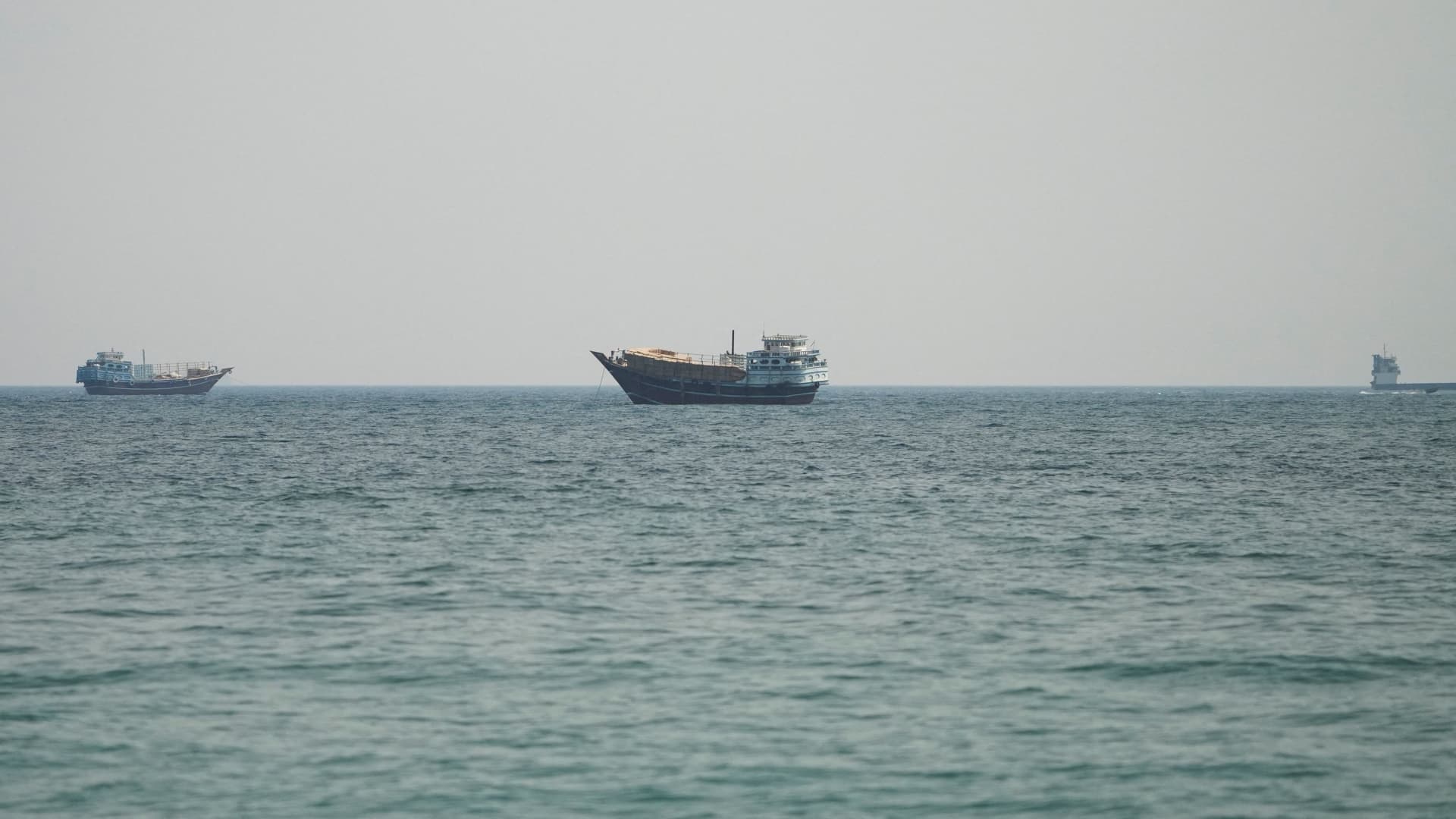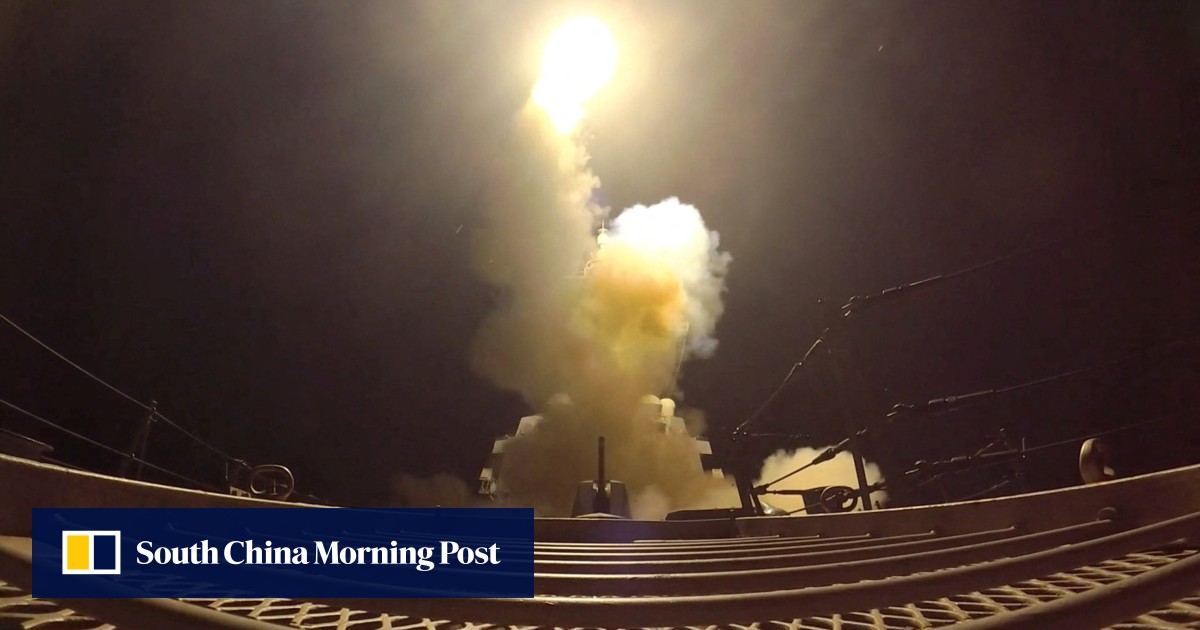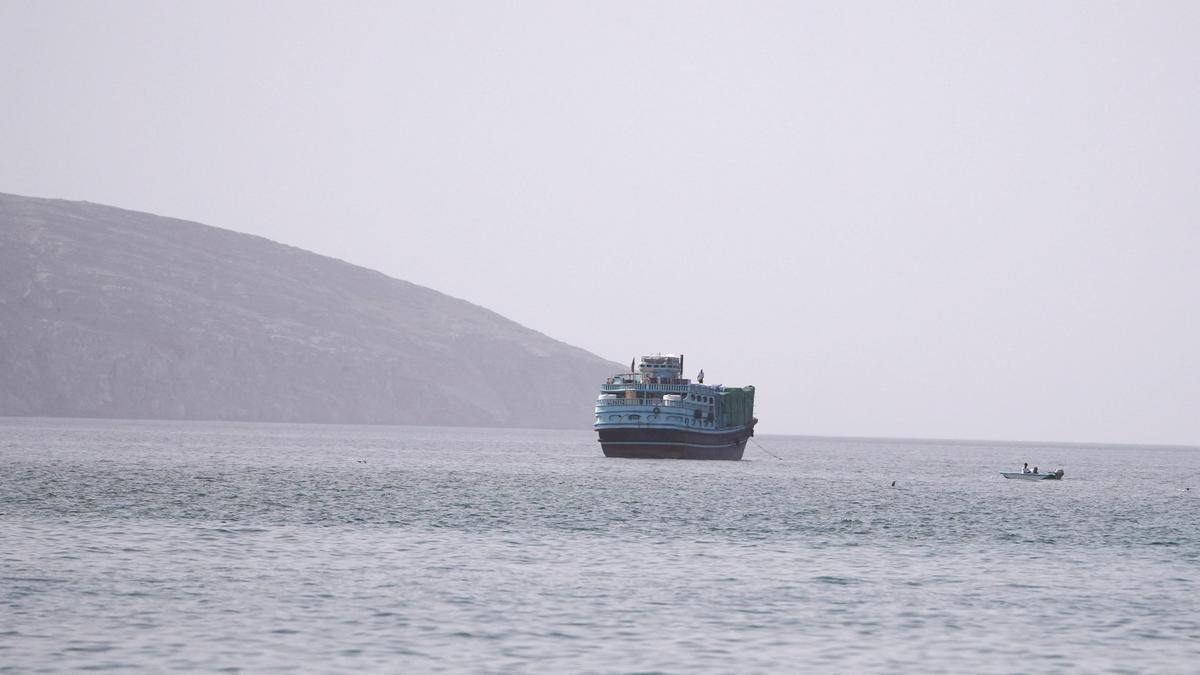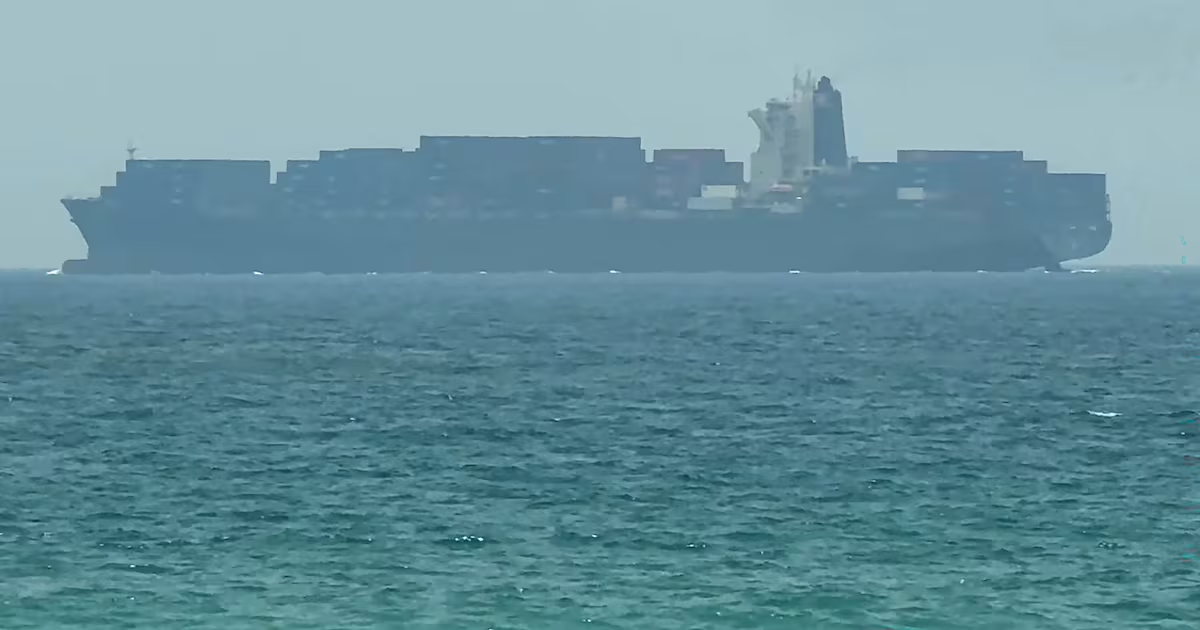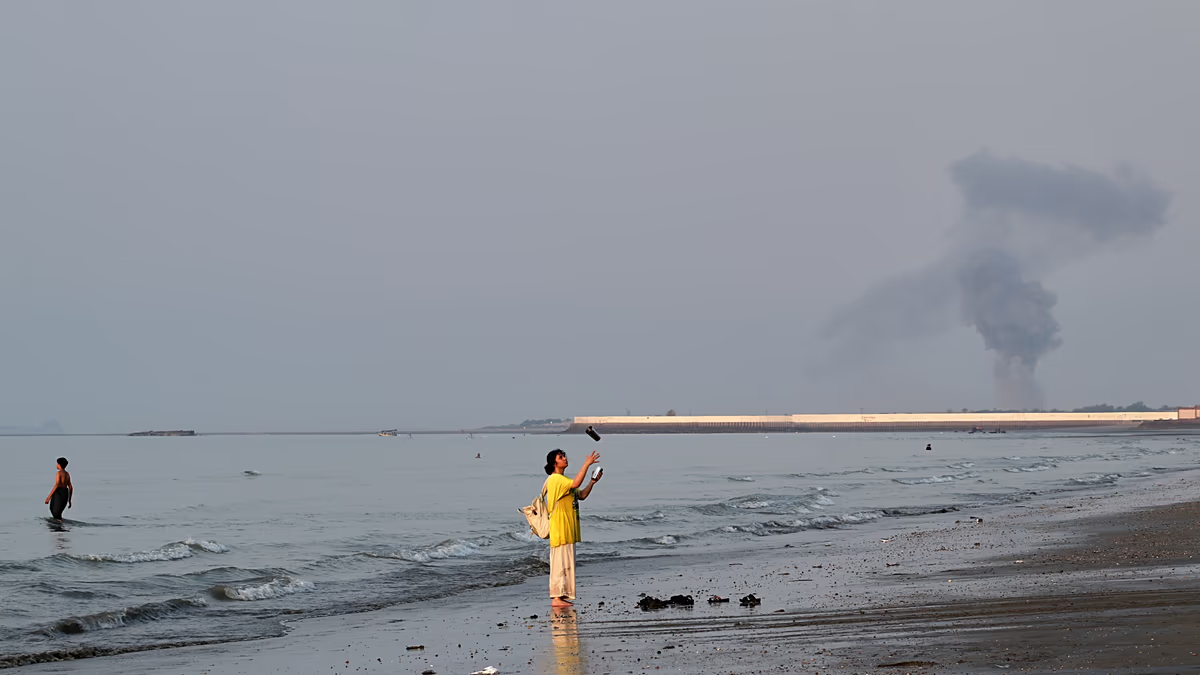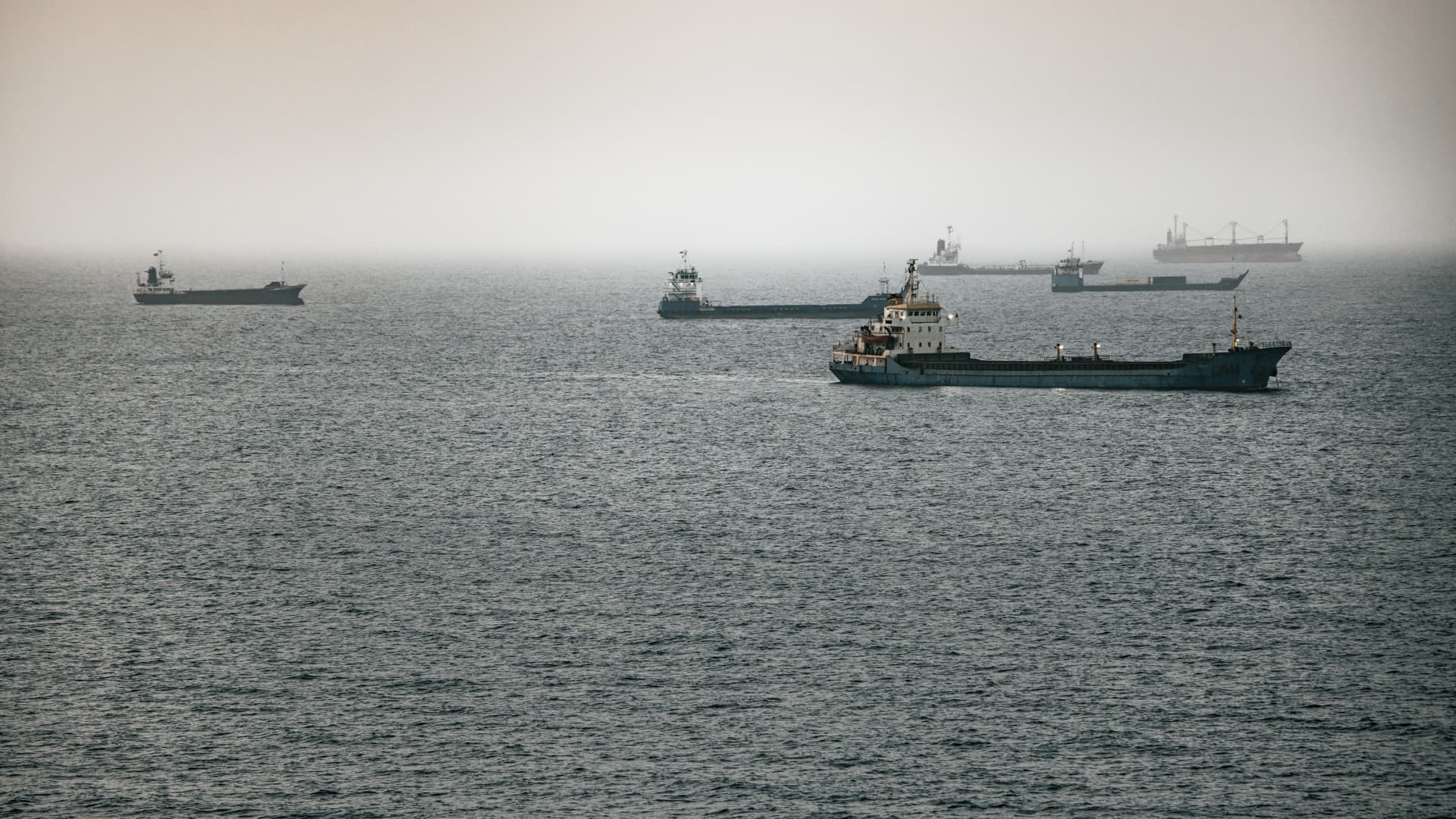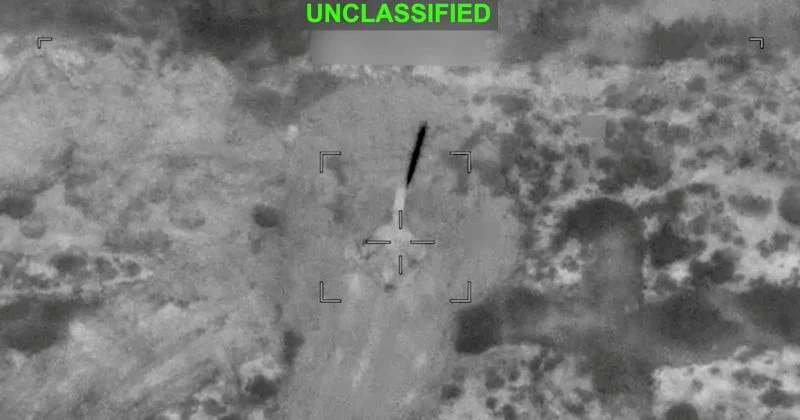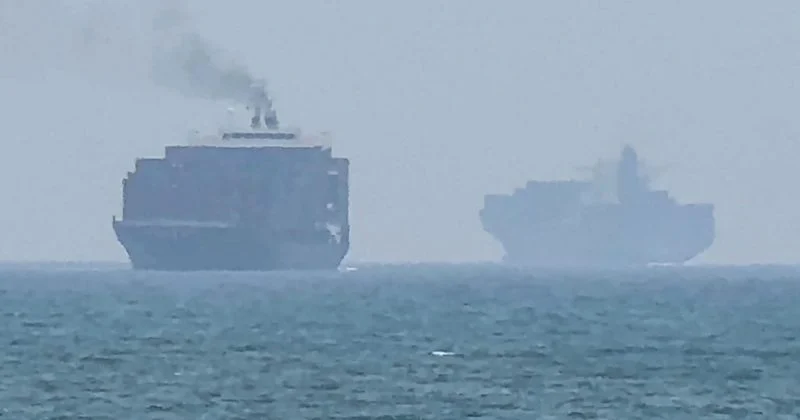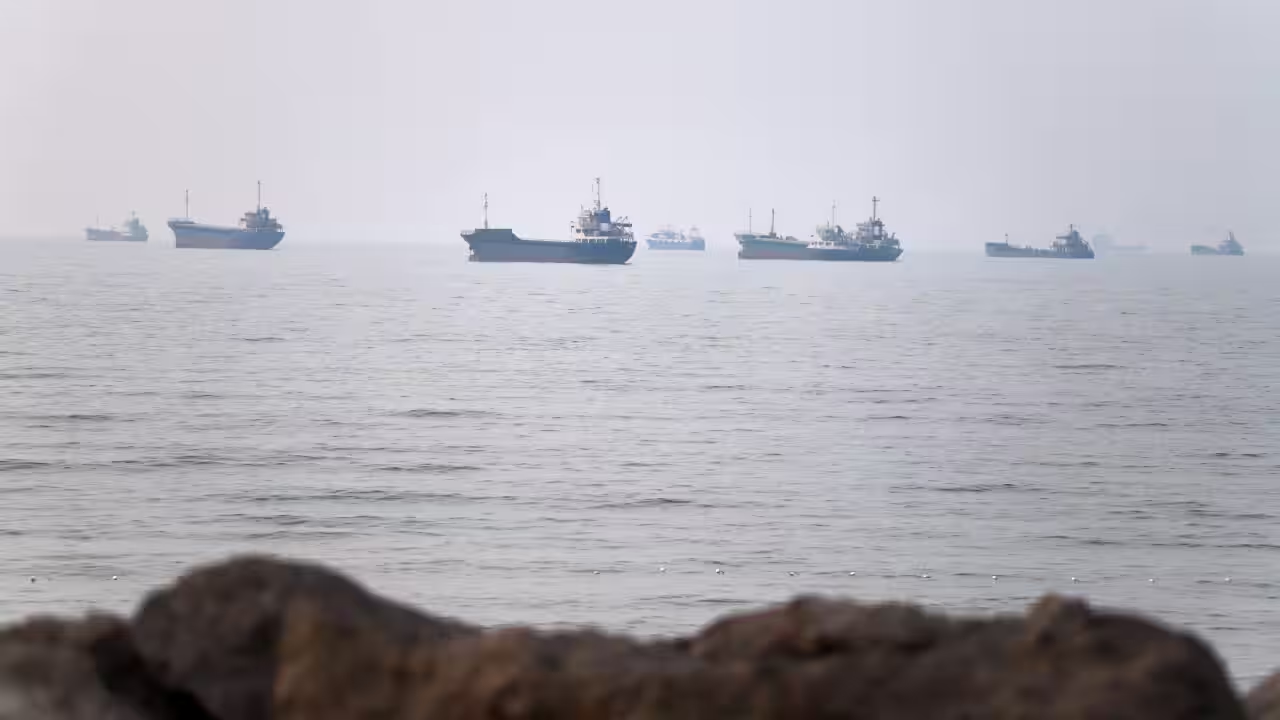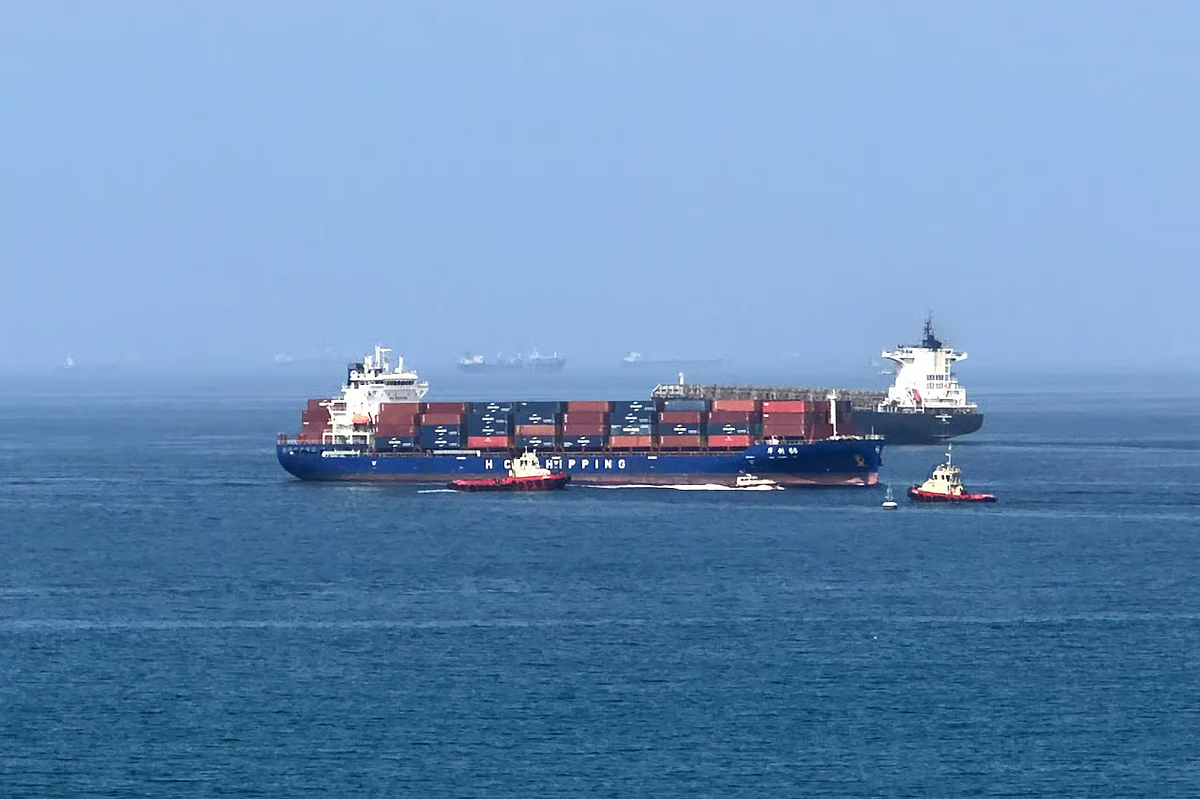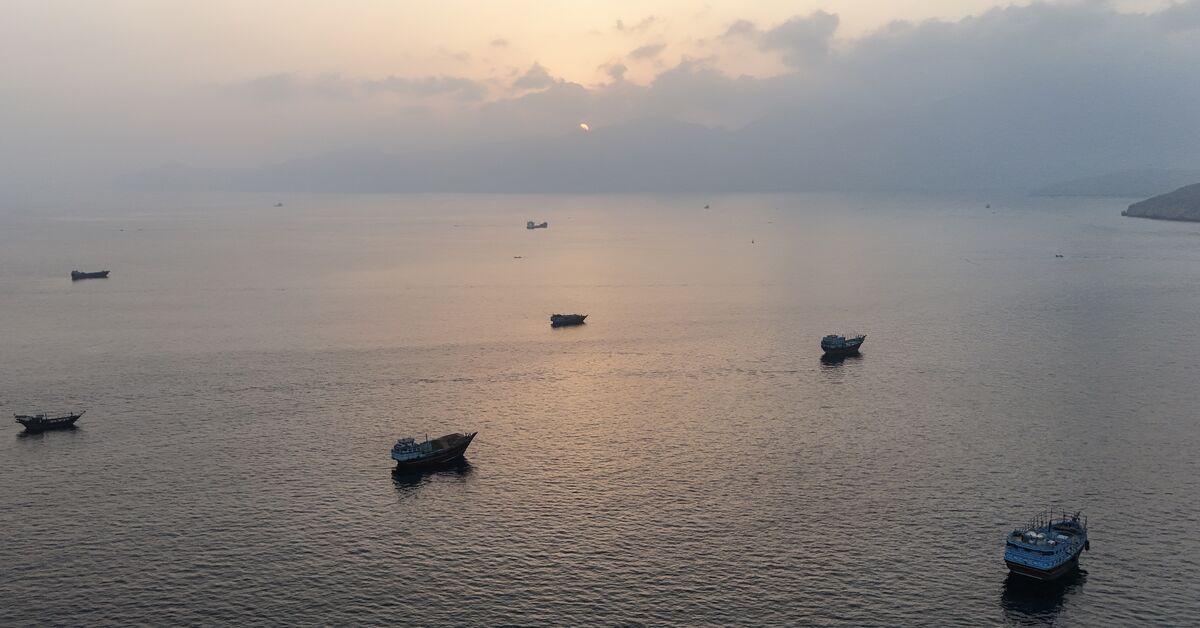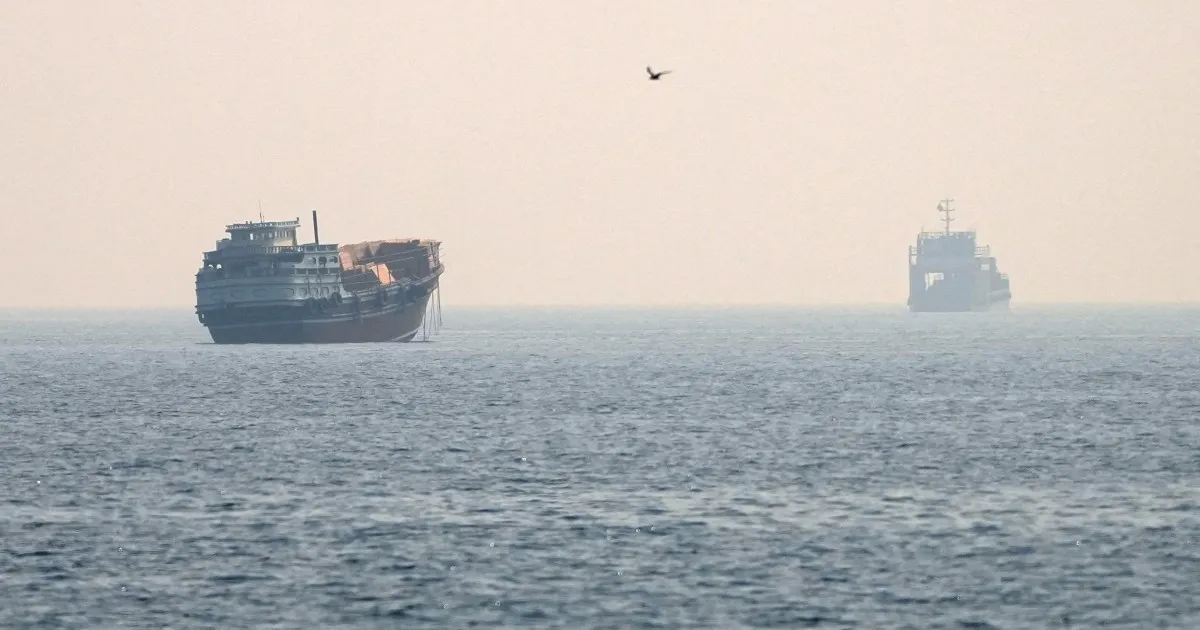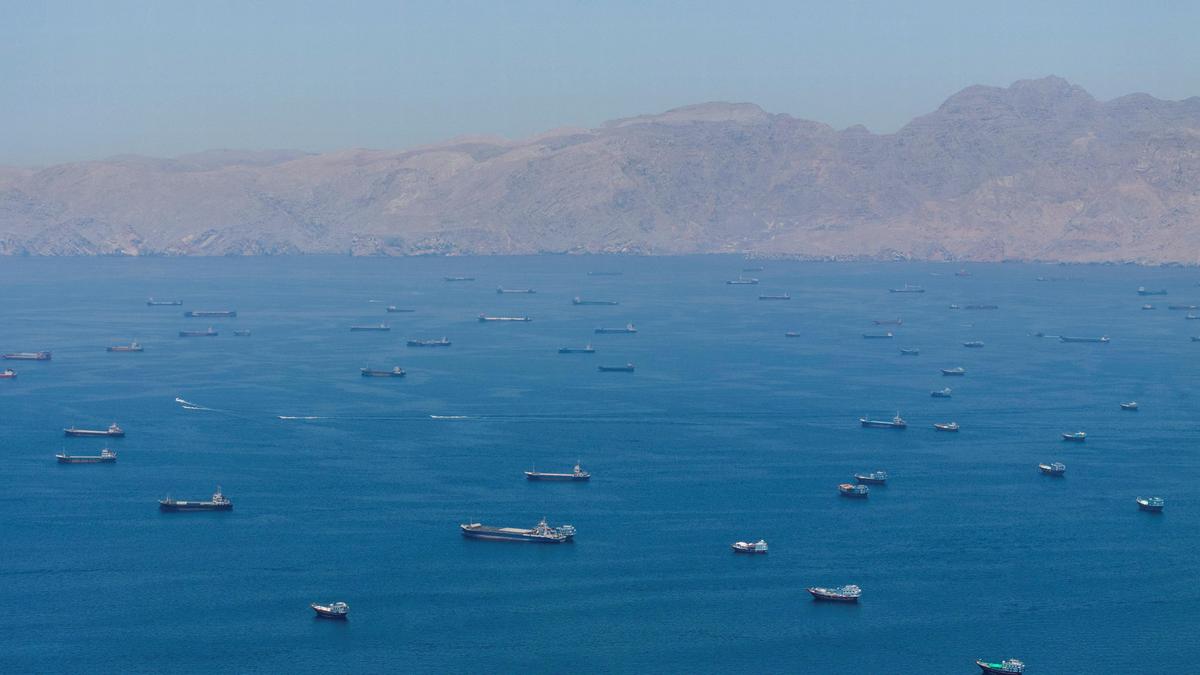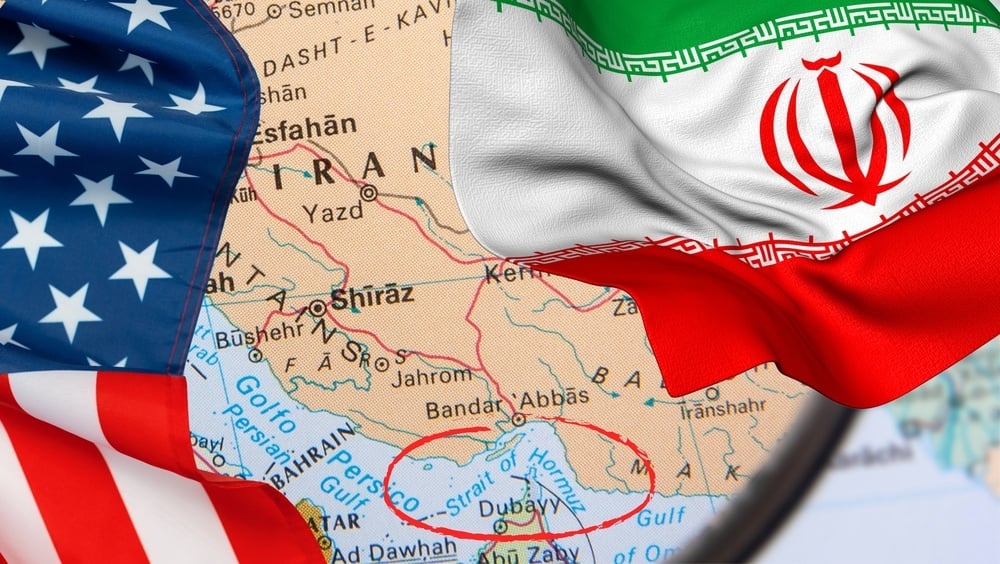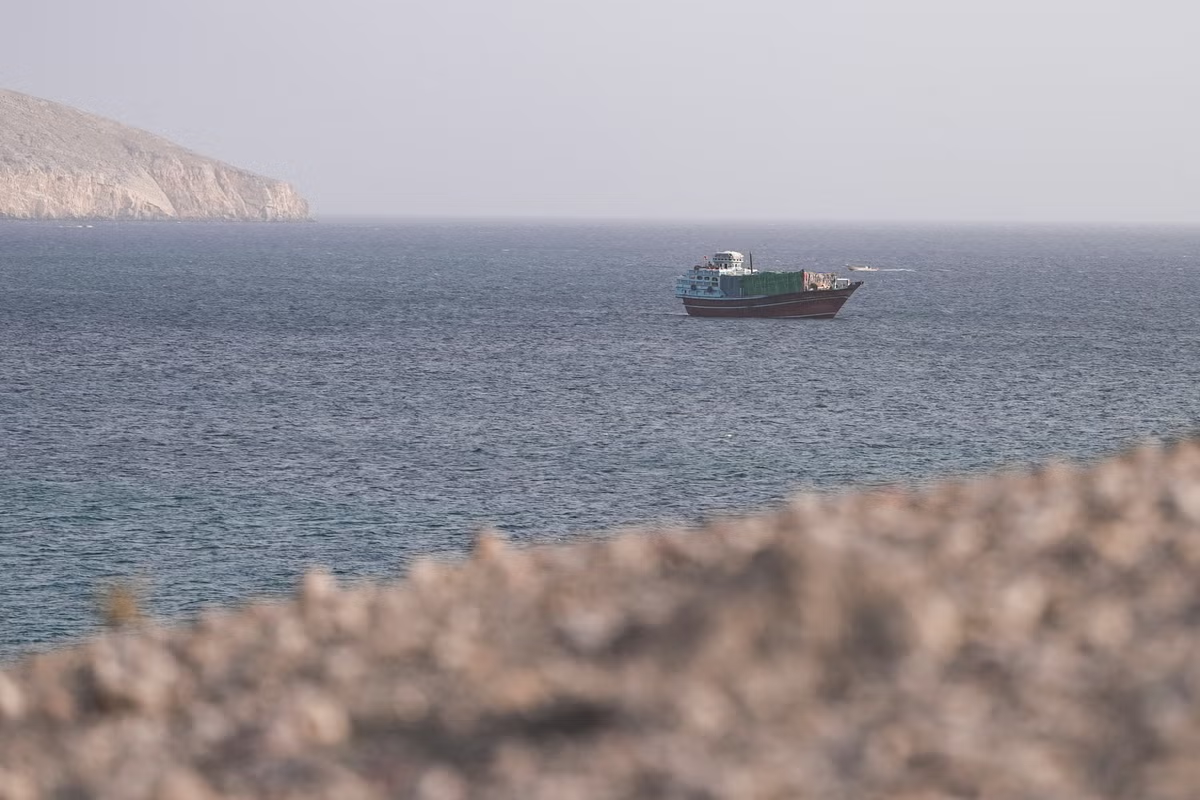
Traffic through the Strait of Hormuz has come to an almost complete standstill as the US and Iran exchanged strikes for a fourth night this week. Fighting has broken out over a disagreement about an interim peace deal that proposed Iran manage shipping through the Strait of Hormuz along with Oman. Renewed hostilities began last week after Tehran attacked three commercial vessels in Hormuz for reportedly bypassing Iranian-approved routes to take a shipping lane by the Omani coast instead.The waters have become a battleground, sending oil prices rocketing once again after weeks of disruptions to global supply.Follow the latest updates hereUS Central Command said on Wednesday that it had disabled an unladen oil tanker that was attempting to sail towards Kharg Island in Iran after it reportedly ignored multiple warnings. American forces fired hellfire missiles into the ship’s smokestack and the Curacao-flagged VLCC Belma is no longer on its way to Iran, it added. Maritime intelligence firm Kpler told The Independent that only 13 vessels had passed through the vital shipping route on Wednesday, in comparison to 23 cargo ships and tankers the week before, and 47 the week before that. In comparison, an average of 138 ships passed through the waterway each day prior to the conflict, according to the Joint Maritime Information Centre.Data from Kpler shows very low numbers of vessels passing through Hormuz since 1 March after US-Israeli attacks began on 28 March. The Islamic Revolutionary Guard Corps declared control over the international waters shortly thereafter. The number of vessels passing through steadily increased after the interim deal was agreed on 17 June to a high of 63 vessels on 25 June. But on 6 July, Iran attacked three commercial vessels passing by the Omani coast, sparking tit-for-tat attacks that have persisted since then. Last week, shipping had halved and this week transport through the route has reduced to a trickle. On Tuesday, a Suezmax tanker carrying 1 million barrels of Saudi crude exited the strait with its transponder switched off, Kpler data showed.A vessel in the Strait of Hormuz, as seen from Musandam,Oman, July 16, 2026. (Reuters)Some ships have reportedly been transiting the perilous shipping route using these clandestine means. “The Iranians have succeeded in making the bone of contention with the US all about Hormuz - the nuclear issue now looks secondary,” Neil Quilliam, associate fellow with the Middle East and North Africa Programme at Chatham House, told The Independent. “The Memorandum of Understanding will remain the reference point for negotiations but instead of working towards a nuclear agreement, the US and Iran will be bogged down in trying to to resolve Hormuz - so that’s a win for Iran. “And Iran has no intention of ceding its influence over Hormuz and is happy to frustrate diplomatic efforts until an innovative solution that recognises its status in the strait is proposed.”Gulf countries appear to be preparing for a future without dependency on the waterway with the United Arab Emirates investing in infrastructure on its eastern coast to circumvent the beleaguered shipping route. Others such as Saudi Arabia are considering the expansion of a crude oil pipeline through the Red Sea to enable the country and potentially its neighbours to transport fuel without the need to cross Hormuz.
Deadlock in the Strait of Hormuz: Shipping collapses as US and Iran step up attacks
Oil prices have risen in response to the crisis as the vital shipping route becomes a battleground once again
542 words~2 min read