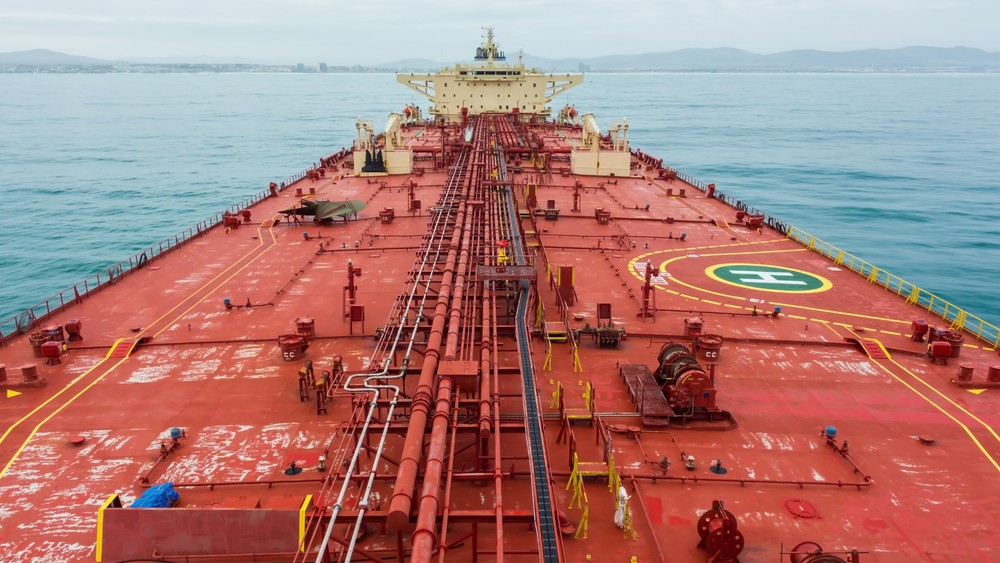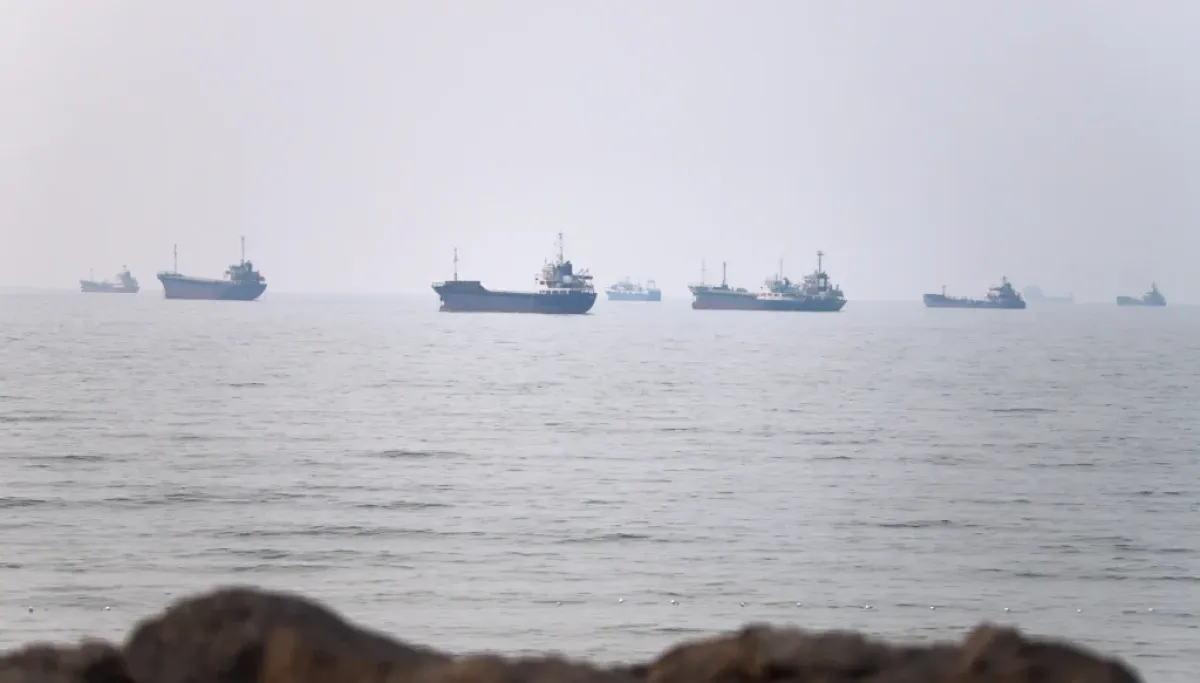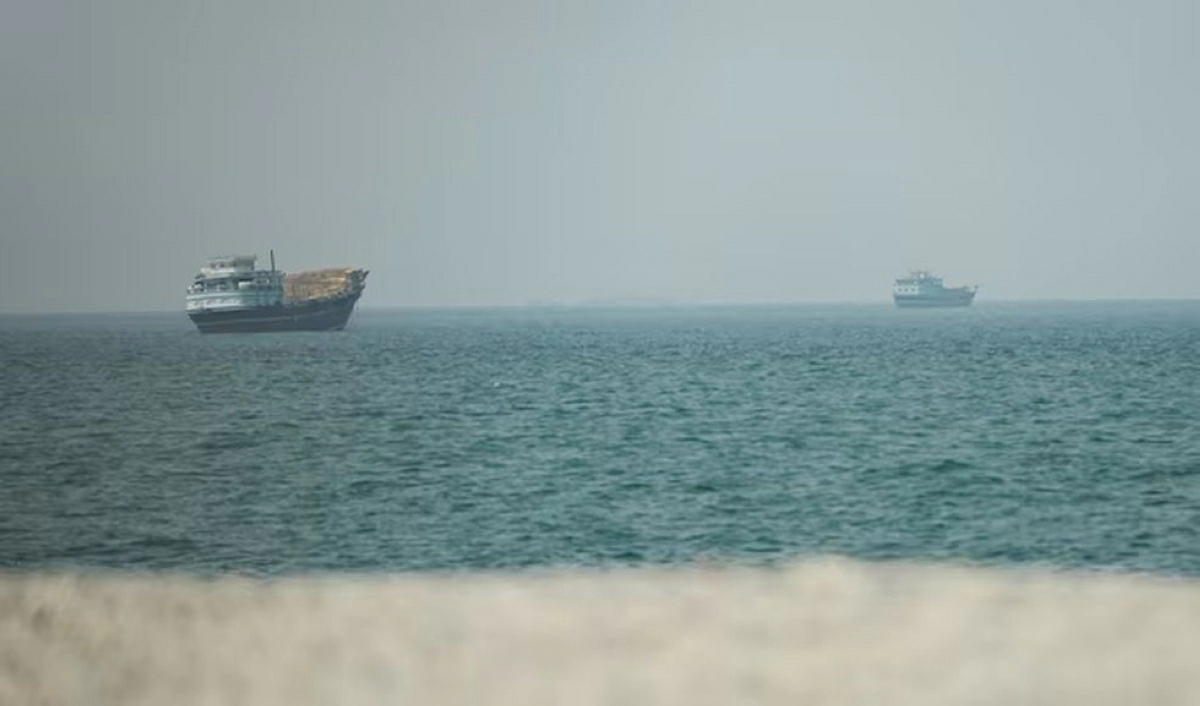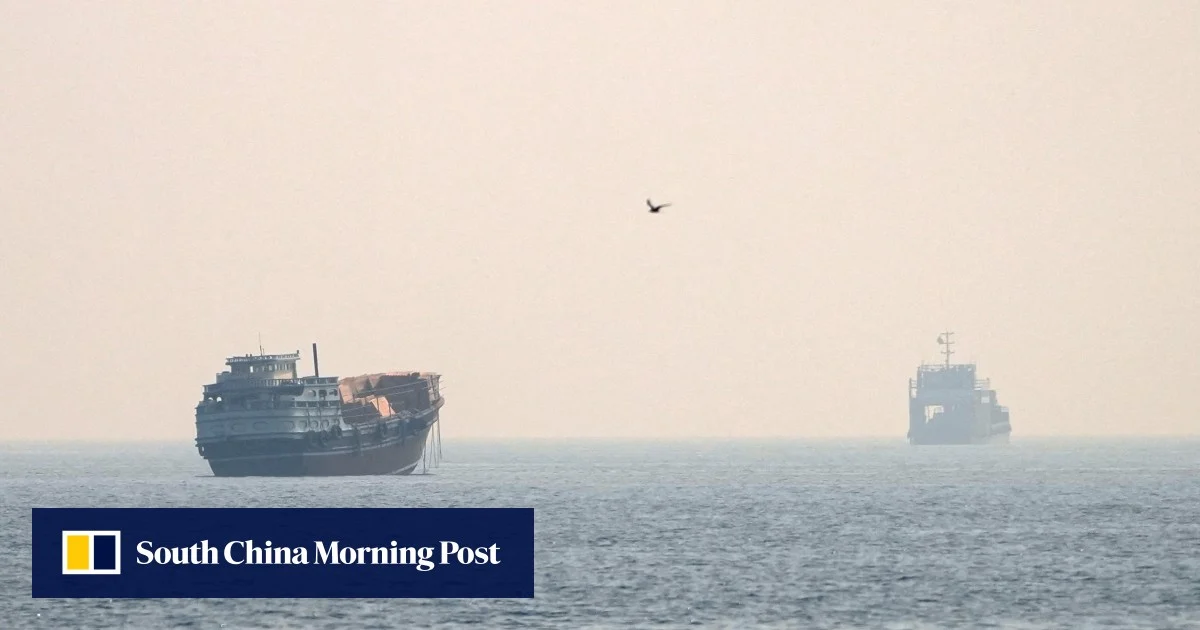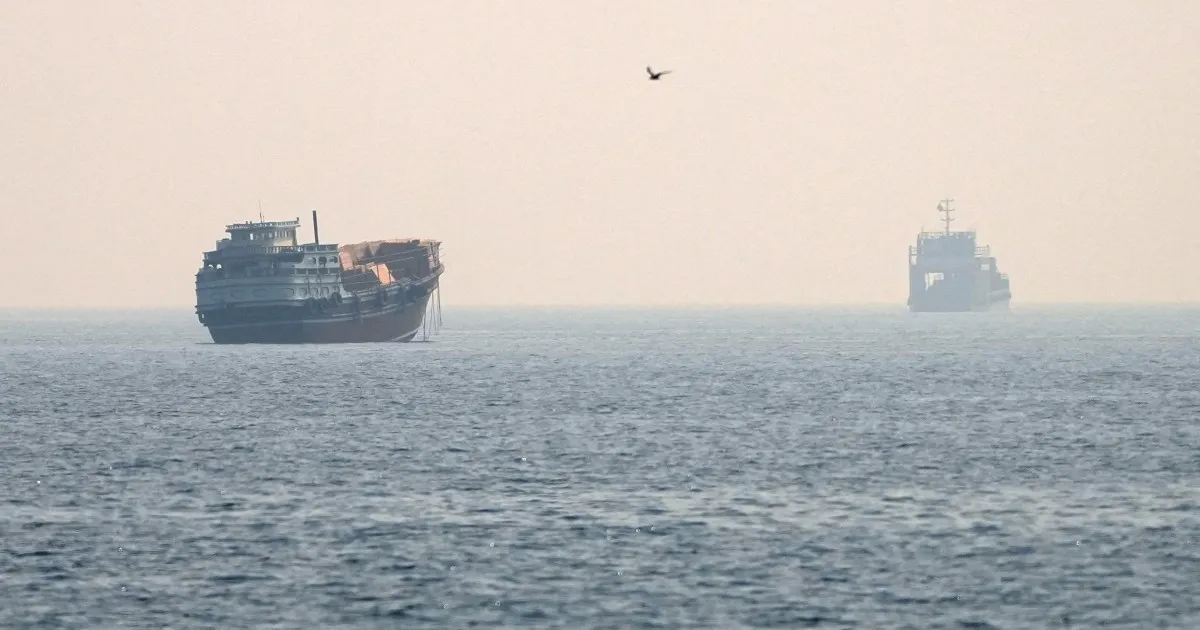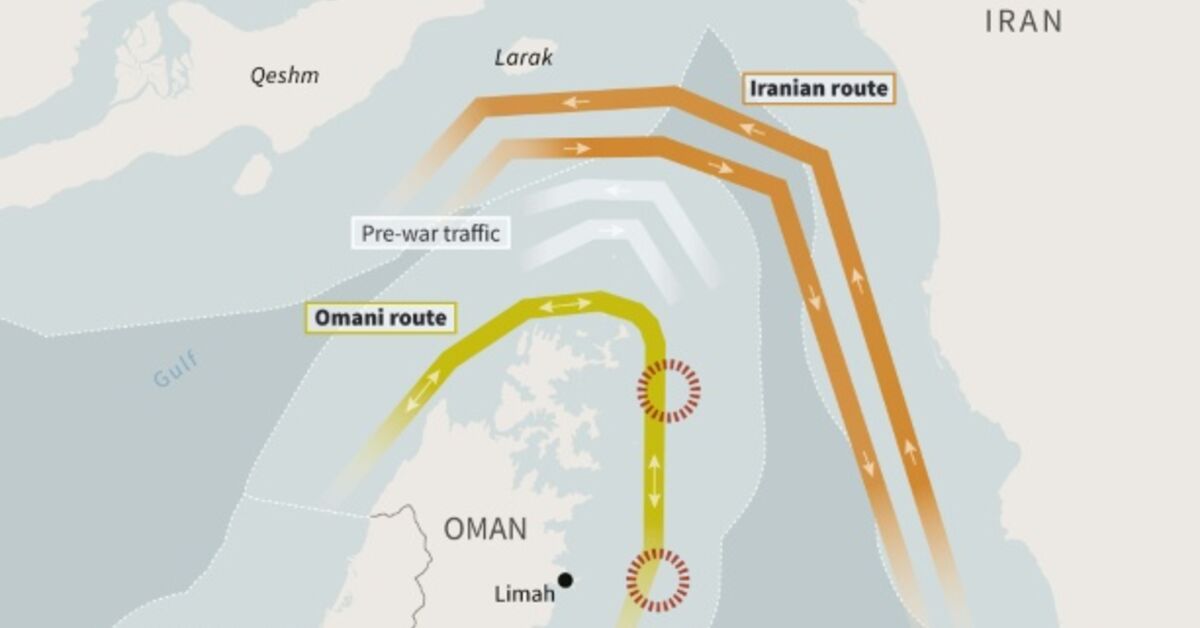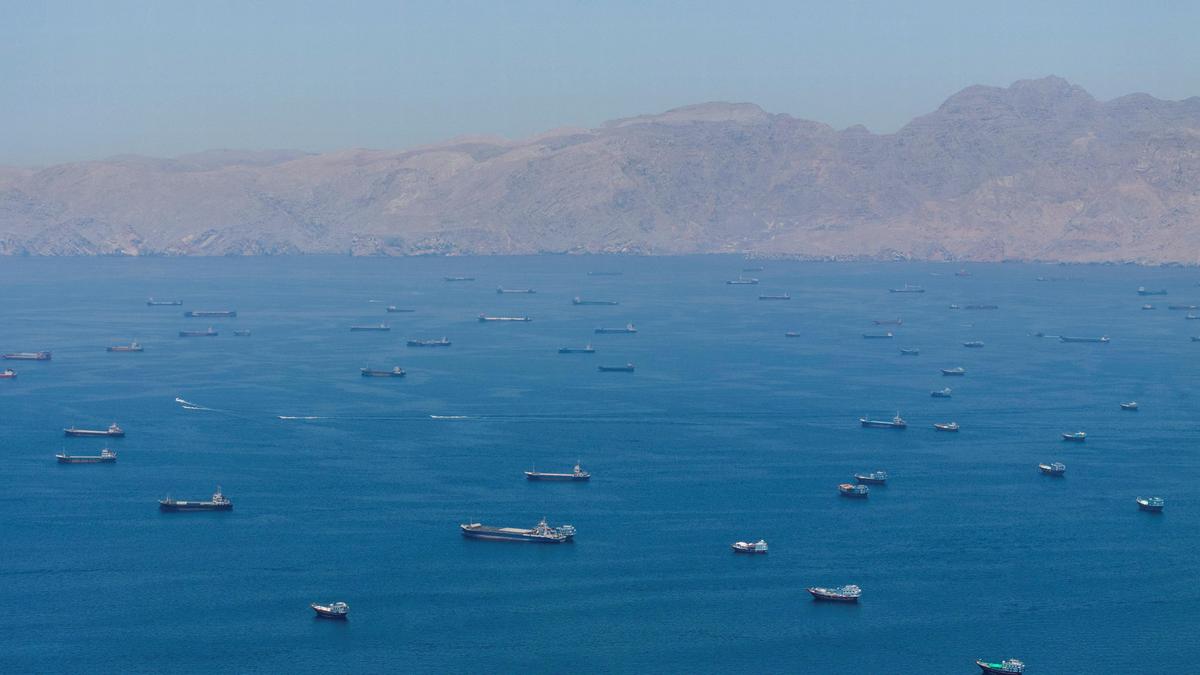
Traffic through the Strait of Hormuz came to a near standstill after the US struck Iran for a second straight day, leaving a fragile truce between the two sides looking increasingly shaky.Renewed hostilities, which caused oil and fuel prices to jump in recent days, have raised doubts about traffic through the vital energy conduit normalizing. A small number of vessels signaled their transit along the route controlled by Iran on Thursday, while the US-supported Omani corridor was empty of observable traffic, ship-tracking data showed. As the war has gone on, it’s become increasingly evident that some oil tankers have been sailing through Hormuz with their transponders off to lower the risk of attack by Iranian forces. With three attacks on big oil and gas tankers this week, it’s very possible that the practice has resumed. Information about those dark transits takes several days to emerge.Among larger vessels, only a US-sanctioned supertanker heading out of the Persian Gulf was seen in the strait Thursday, alongside an Iranian-flagged container ship. The same day, an Indian-flagged supertanker and a UAE-based bulk carrier emerged in the Gulf of Oman after turning off their transponders inside the Persian Gulf. A liquefied natural gas carrier also entered the Persian Gulf without broadcasting its location signal until it was in, according to vessel-tracking data compiled by Bloomberg.The Joint Maritime Information Center, a naval liaison to shipping, said traffic on Tuesday and Wednesday was at “reduced levels,” even as US-assisted commercial transits proceeded without interruption.The traffic slowdown comes after Iranian attacks on vessels prompted US strikes, while President Donald Trump declared that the ceasefire with Iran was over. Some 21 commodity carriers crossed the strait in either direction on Wednesday, fresh data from Kpler show, making it one of the thinnest traffic flows since the interim peace deal in mid-June.It’s a stark shift from recent daily activity in the strait. In the three weeks since the US and Iran agreed to an interim deal to reopen Hormuz, average daily transits of commodity vessels was at 34, with a peak of 59 on June 24, Kpler data show. That compares with a wartime daily count of less than 20 on most days.London marine insurers also reported seeing fewer inquiries for journeys to transit the strait and some said the cost of cover had risen, in a sign of growing caution from shipowners as the US and Iran exchange attacks.While LNG tanker exits through the strait remained at a standstill, one empty vessel has entered the Persian Gulf while another is approaching Hormuz from the Gulf of Oman.Away from the Strait of Hormuz, at least nine empty supertankers with capacity exceeding 18 million barrels have been spotted anchored off Pakistan, according to vessel-tracking data compiled by Bloomberg. All were previously involved in ship-to-ship transfers linked to Russian, Iranian or Venezuelan oil, and at least six have been sanctioned by the US.There were also signs that sporadic electronic interference was back, with vessels to the southeast of Limah in Oman in the Gulf of Oman appearing to travel at unusually fast speeds of at least 30 knots early on Thursday. That could point to countries activating defense systems aimed at obstructing hostile forces’ drones from attacking their infrastructure, which can affect ships’ transponder signals. Electronic interference may also affect ship-tracking data.More stories like this are available on bloomberg.comPublished on July 10, 2026
Hormuz shipping grinds to near halt after US, Iran strikes
The traffic slowdown comes after Iranian attacks on vessels prompted US strikes, while President Donald Trump declared that the ceasefire with Iran was over
561 words~3 min read