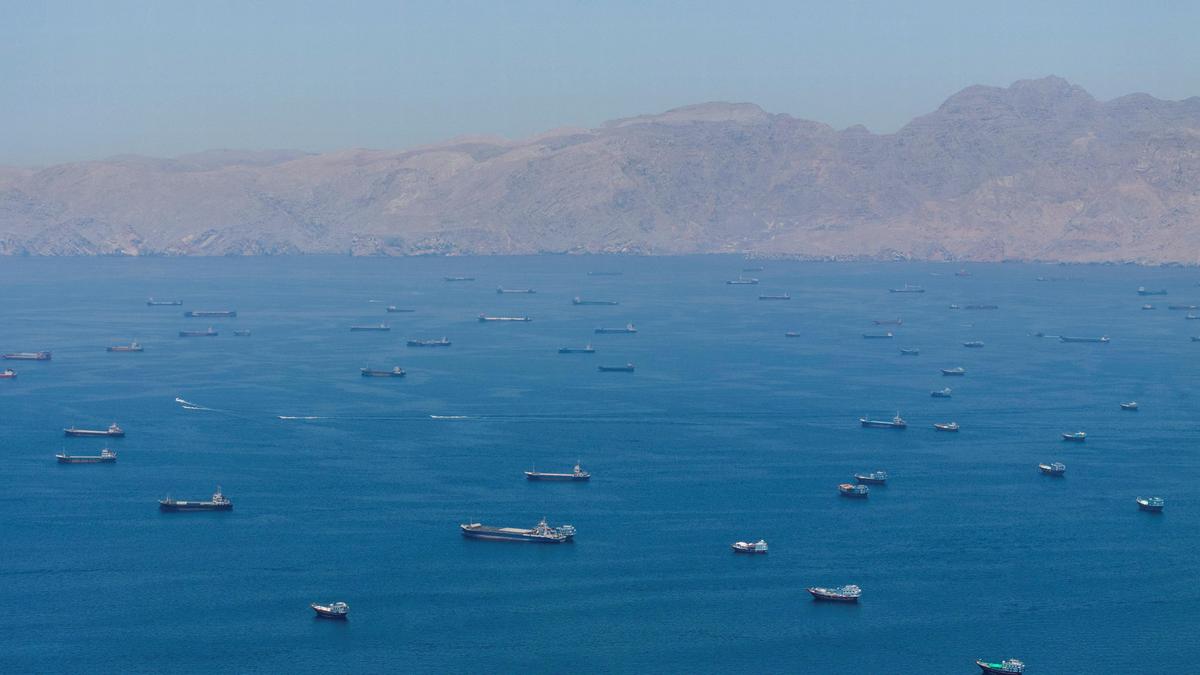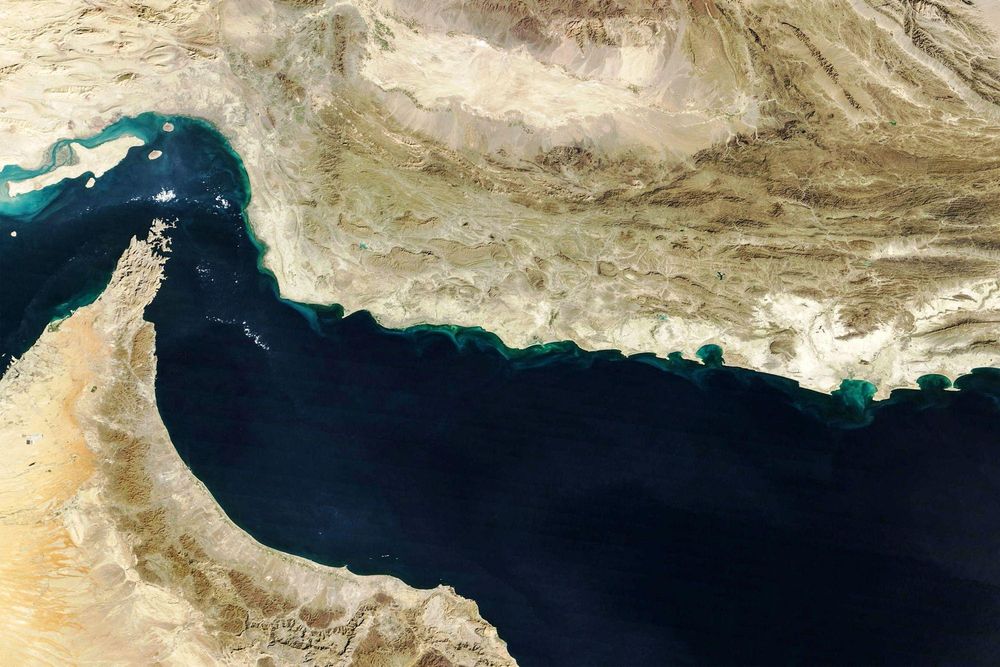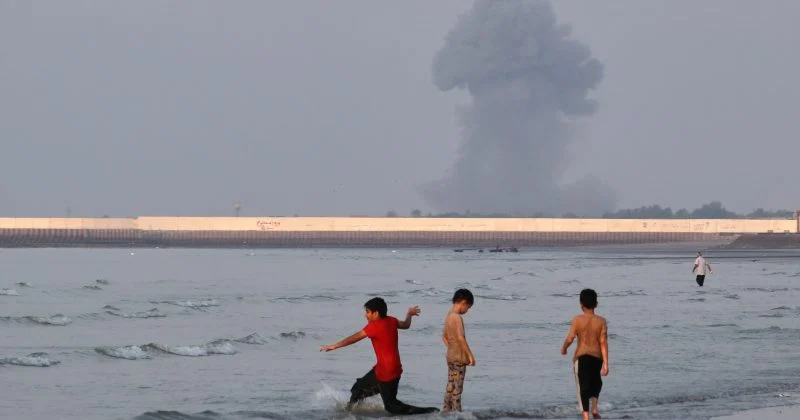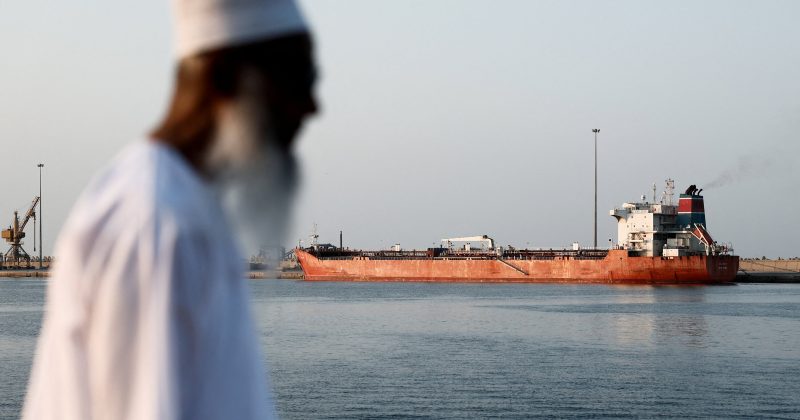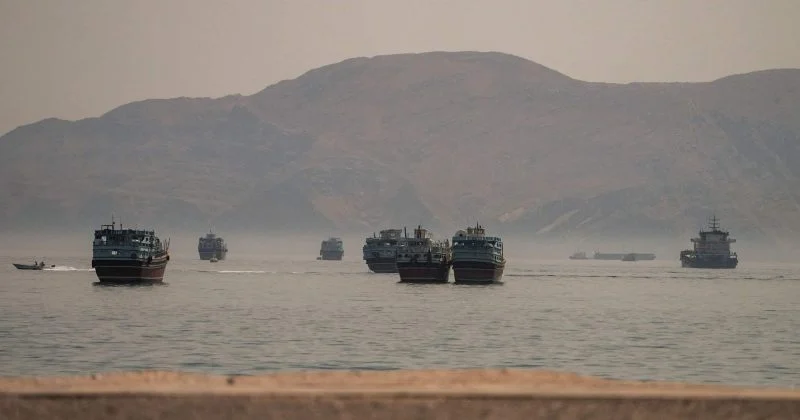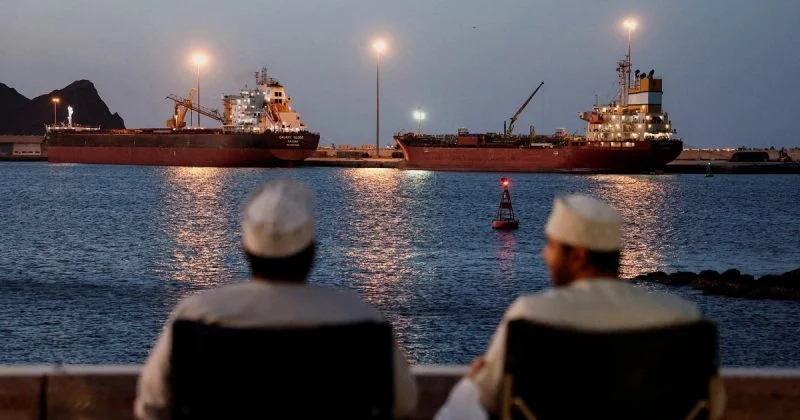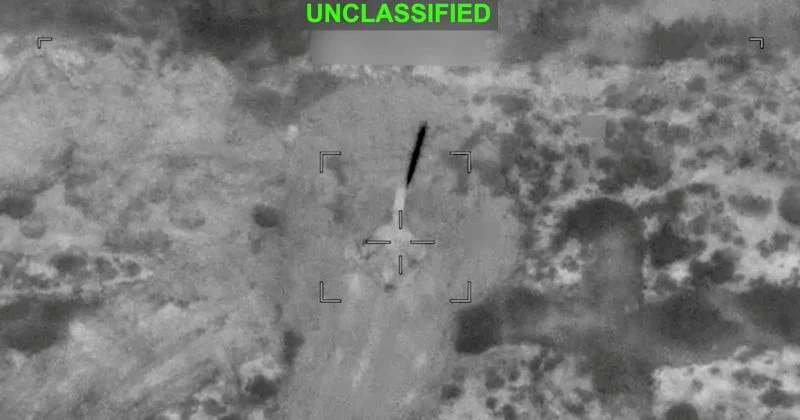
The ceasefire agreement between the United States and Iran, which was established in June, is breaking down, leading to renewed hostilities around the strategic Strait of Hormuz. Recent tit-for-tat strikes have targeted shipping routes, causing significant disruptions and pushing oil prices higher. The United States responded to Iranian attacks on three commercial tankers by launching strikes on Iranian military installations. This escalation has raised concerns about global energy security, as the region is critical for oil transit.
Market activity suggests that participants are increasingly viewing a scenario where fewer than 150 ships transit the Strait of Hormuz during the specified week as likely. The probability of this outcome has notably fluctuated, with an increase in the YES outcome from 10% to 63% over the past week. These developments reflect heightened tensions and the potential impact on shipping activities due to safety concerns in the region.
Key Takeaways
Market activity suggests that the collapse of the US–Iran ceasefire appears consistent with a decrease in ship transits through the Strait of Hormuz.
The probability of fewer than 150 ships transiting the strait has risen significantly, indicating concerns over heightened regional tensions.