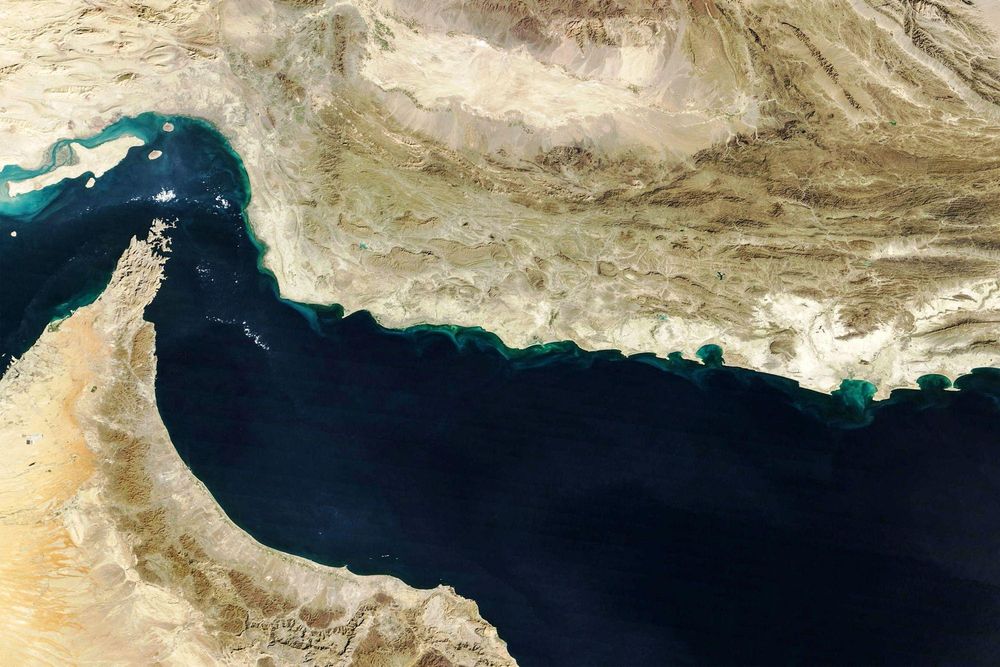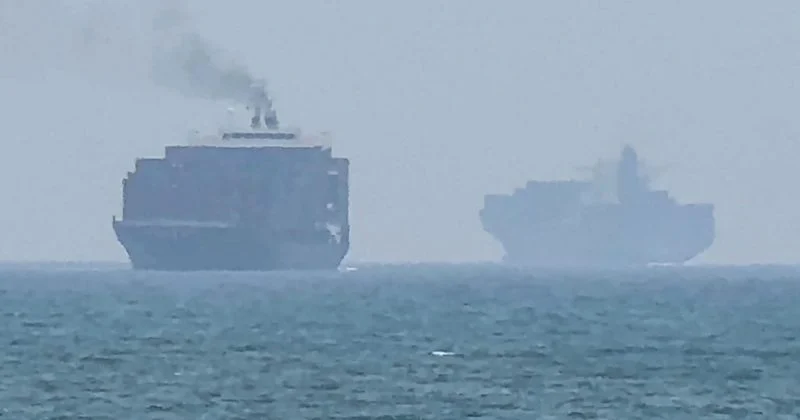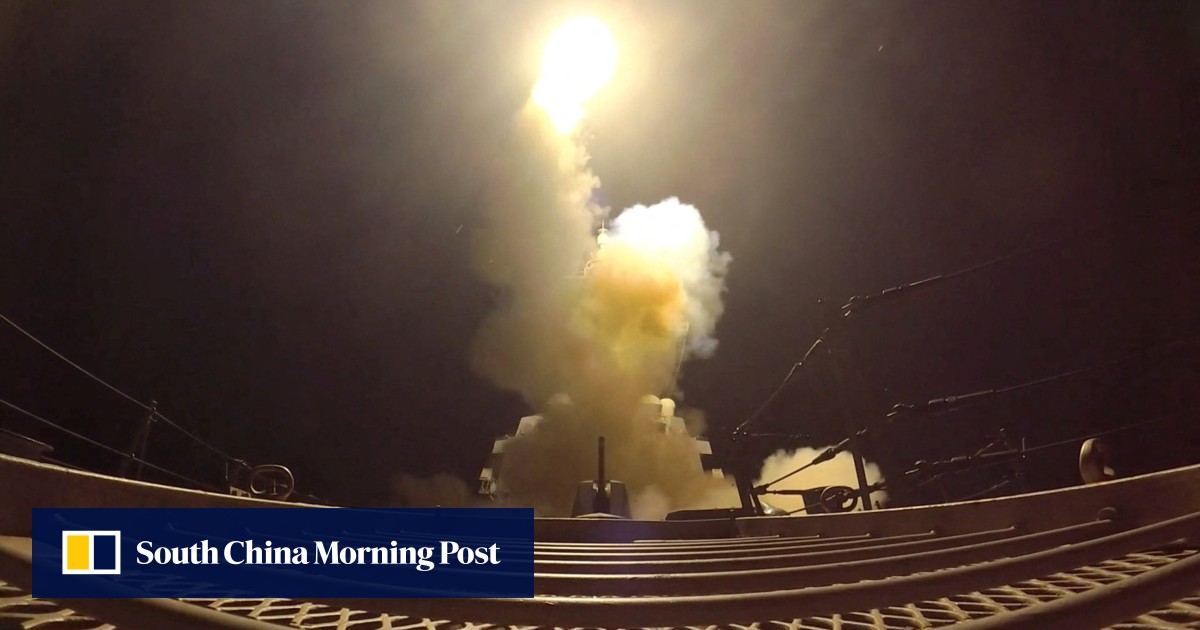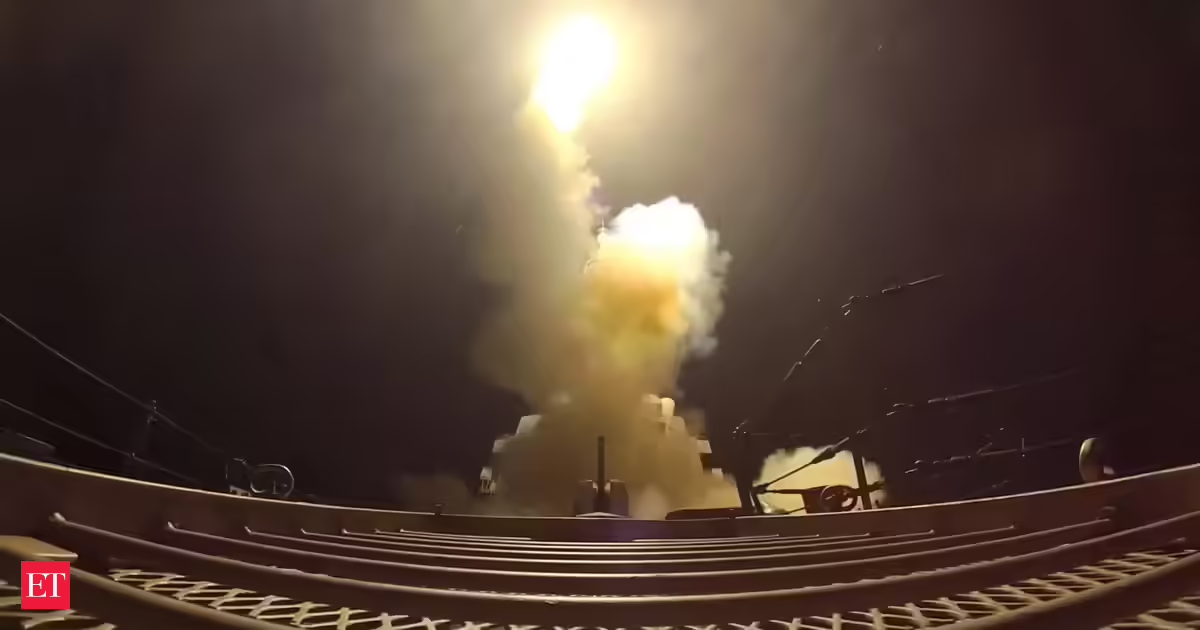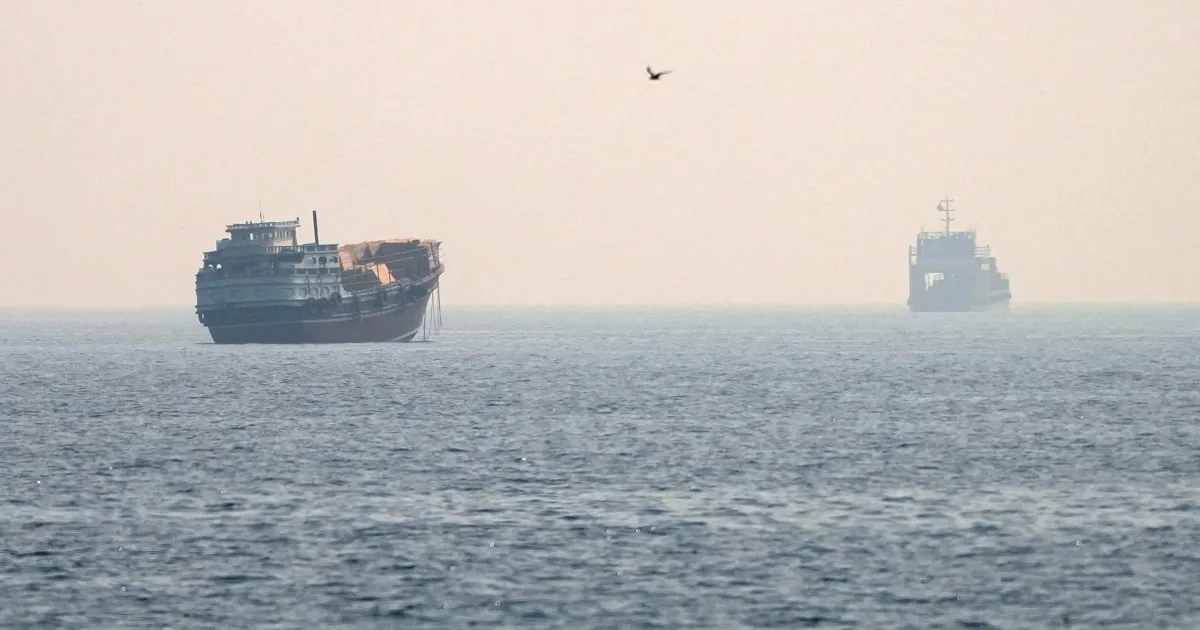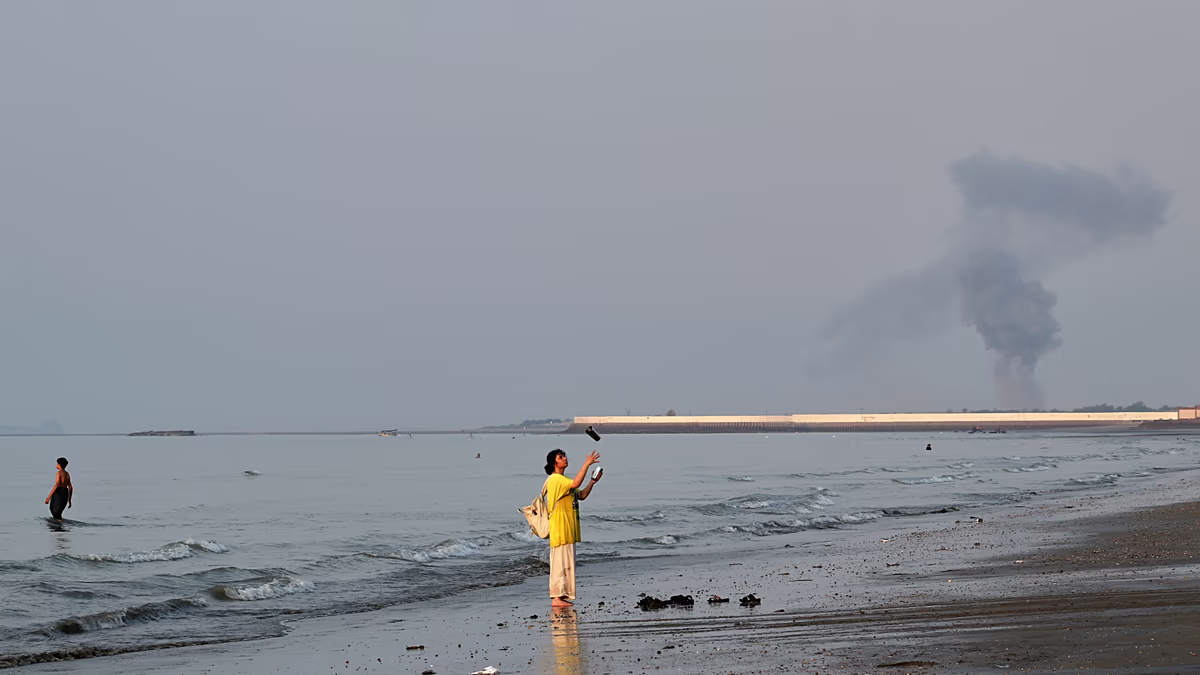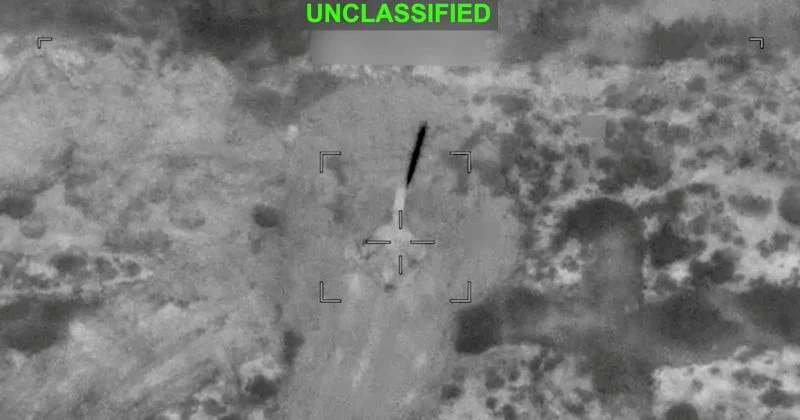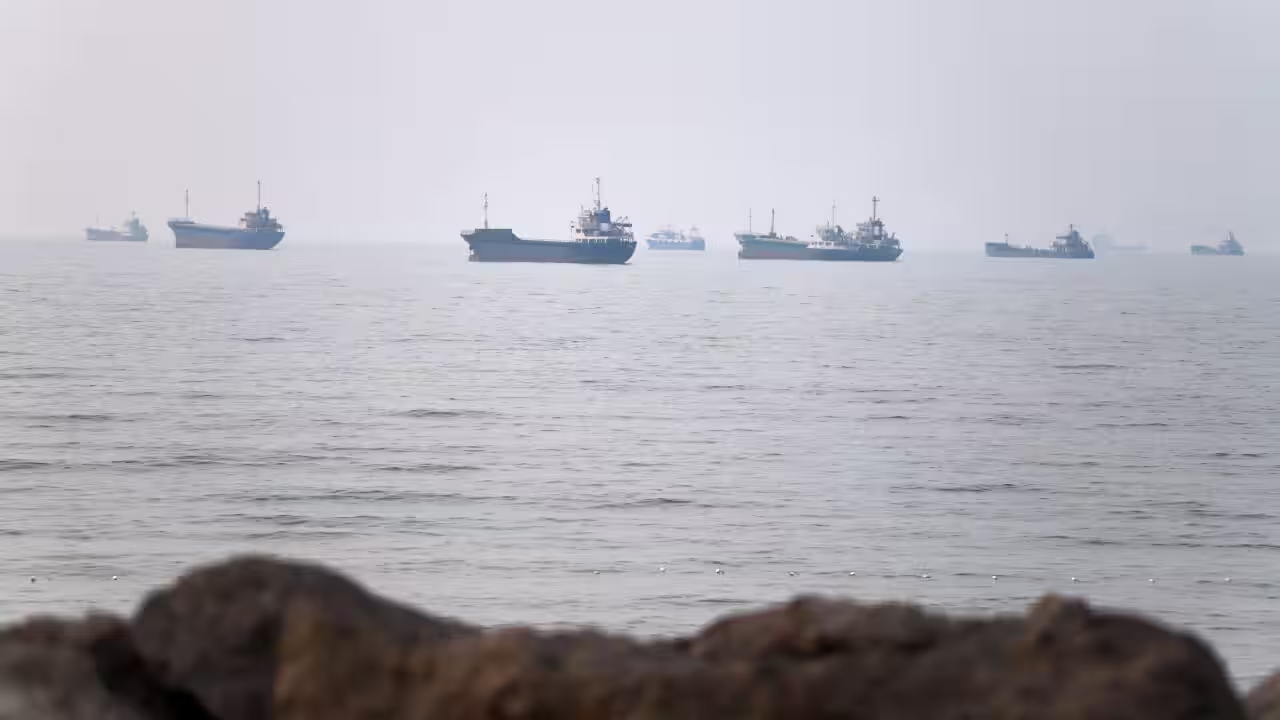
Key PointsFighting is continuing across the Middle East as the US and Iran trade barbs over the Strait of Hormuz.The number of ships crossing the trade route has slowed to a trickle as a fragile deal between the warring nations appears to break down.Fighting between the United States and Iran continued on Monday as both nations claimed authority over the strategically vital Strait of Hormuz following a weekend of military strikes across the Middle East.The latest violence was triggered after Iran struck a container ship in the strait off the coast of Oman at the weekend, raising fears that diplomatic efforts to end the conflict are collapsing.In response, the US military's Central Command (CENTCOM) launched a new wave of attacks targeting dozens of Iranian military sites, including air defence systems, radar installations, missile and drone facilities, and small naval vessels.US officials said the strikes followed an even larger operation on Sunday that hit around 140 targets.Iran retaliated by launching attacks against countries hosting US military forces, including Bahrain, Kuwait, Qatar, Jordan and Oman. Tehran continues to insist it has the right to control shipping through the strait.News that makes senseYour trusted source for staying up-to-date with the world around you. Get free daily news updates and analysis, straight to your inbox.As violence intensifies, international mediators are pressing for renewed negotiations, with United Nations secretary-general António Guterres warning that a return to full-scale hostilities would have "catastrophic consequences".Attacks threaten trade and diplomacyControl of the strategic waterway has become key leverage for Iran, with an adviser to the country's supreme leader on Sunday saying it was more important than "dozens of atomic bombs".Iran's Revolutionary Guards said "the Strait of Hormuz will be closed until further notice and until the end of American interventions in this region", according to state news agency IRNA.US CENTCOM countered on X that the strait was "open to all vessels seeking to lawfully transit".Only six vessels transited the strait on Sunday, ship-tracking data from Kpler showed, the lowest number in five weeks.On Sunday evening, Iranian state media reported at least 10 "enemy projectiles" hitting Qeshm Island, which sits on the Strait of Hormuz.It reported further strikes on the island of Farur, to the east of Qeshm in the Gulf, that it said killed a telecommunications worker and wounded two others.IRNA also reported early on Monday morning that US strikes had killed one person and wounded four at a water pumping station in the southwest city of Mahshahr.Iran's Guards said they also hit Oman, which has rarely been targeted.Oman's government summoned the Iranian ambassador and handed him a formal protest — a rare move for the sultanate, which has been seeking to balance competing demands from the US and Iran.The attack came just hours after the country hosted Iran's foreign minister to discuss the Strait of Hormuz.Despite continuing mediation efforts by Oman and Qatar, neither Iran nor the US appear willing to back down.And with each side accusing the other of violating last month’s agreement, the prospects for restoring both the ceasefire framework and meaningful negotiations appear increasingly uncertain.For the latest from SBS News, download our app and subscribe to our newsletter.
Fighting escalates as Iran and US jostle for control of Strait of Hormuz
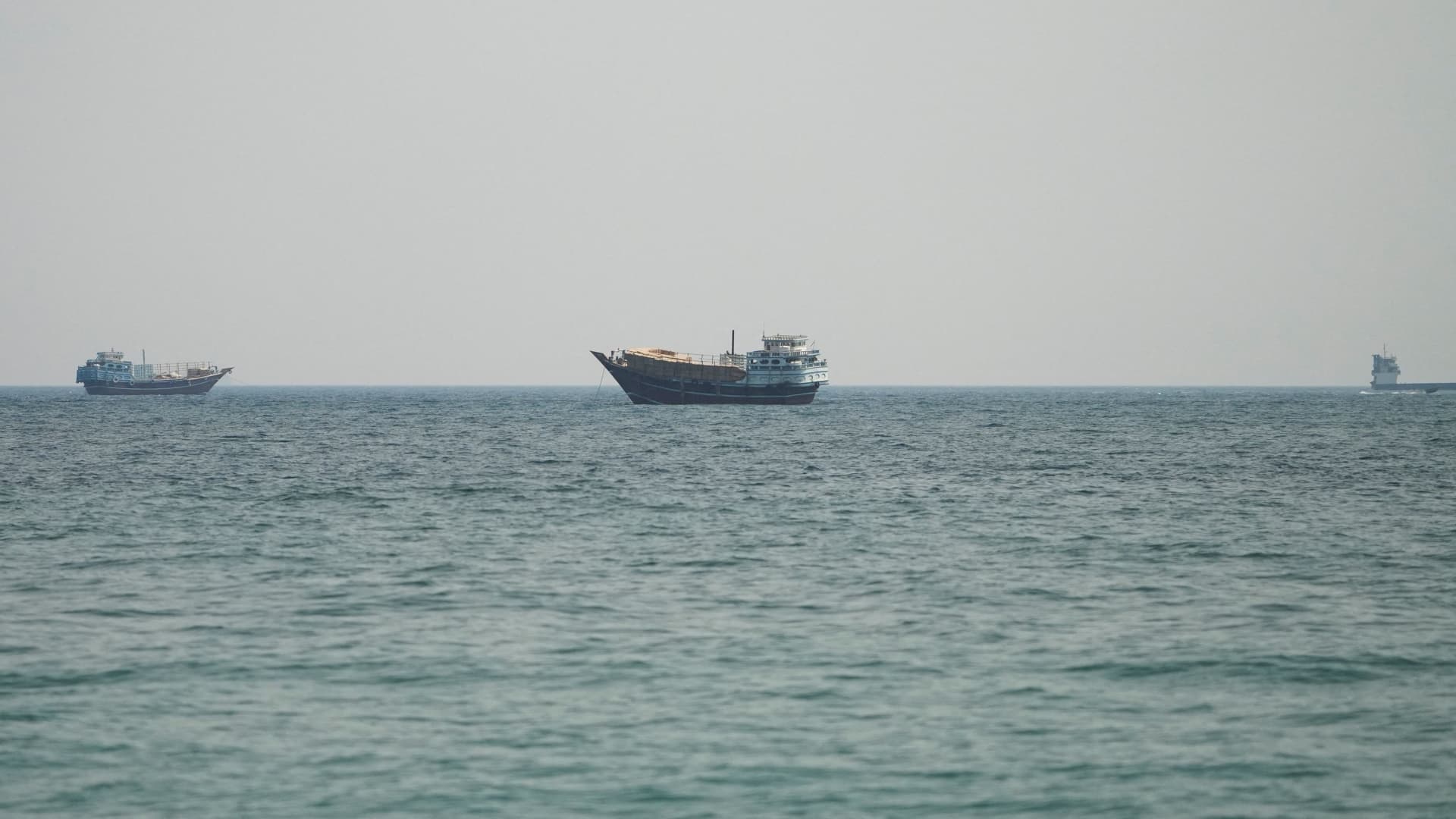
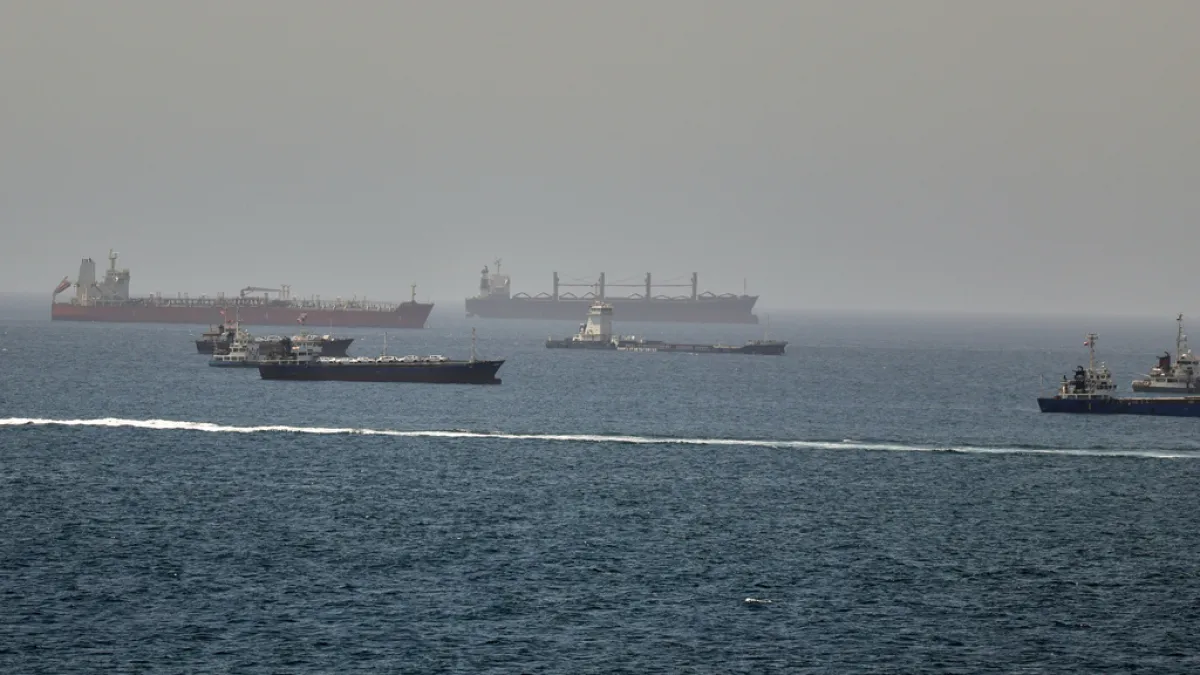
The number of ships crossing the Strait of Hormuz has fallen amid the conflict as the UN cautions "catastrophic consequences".
523 words~2 min read