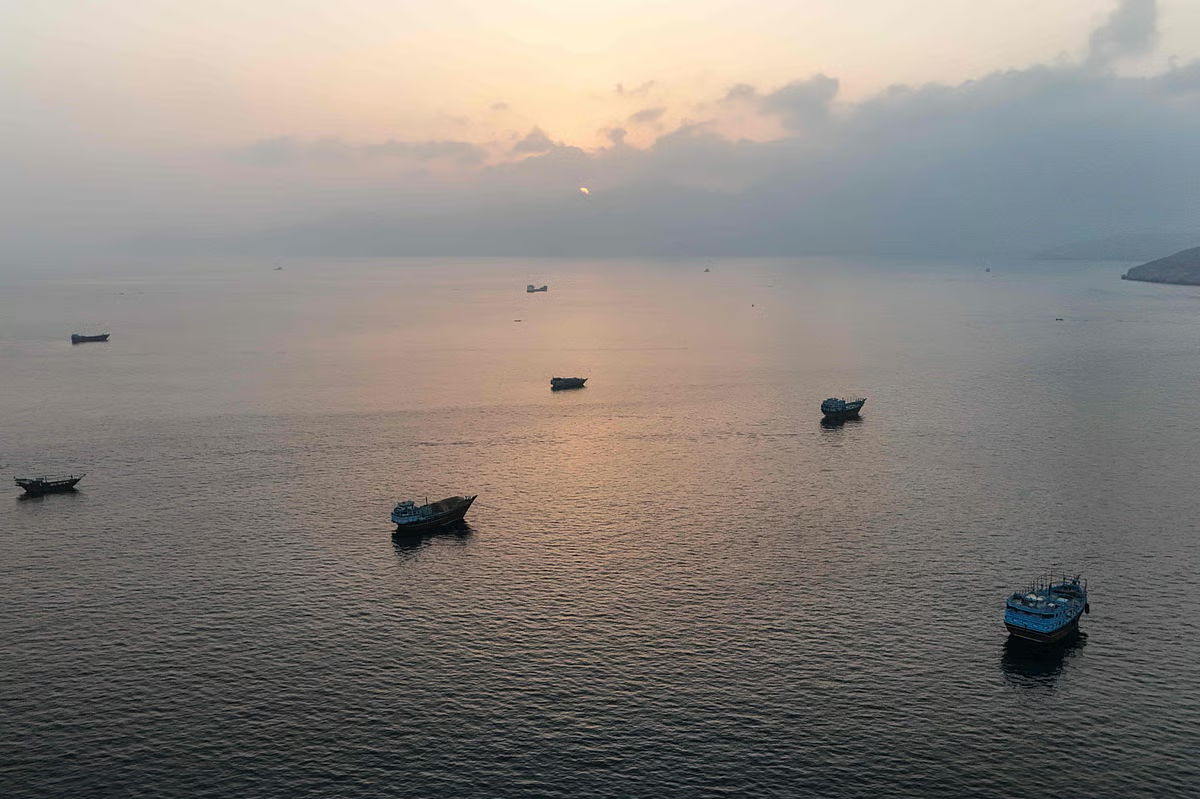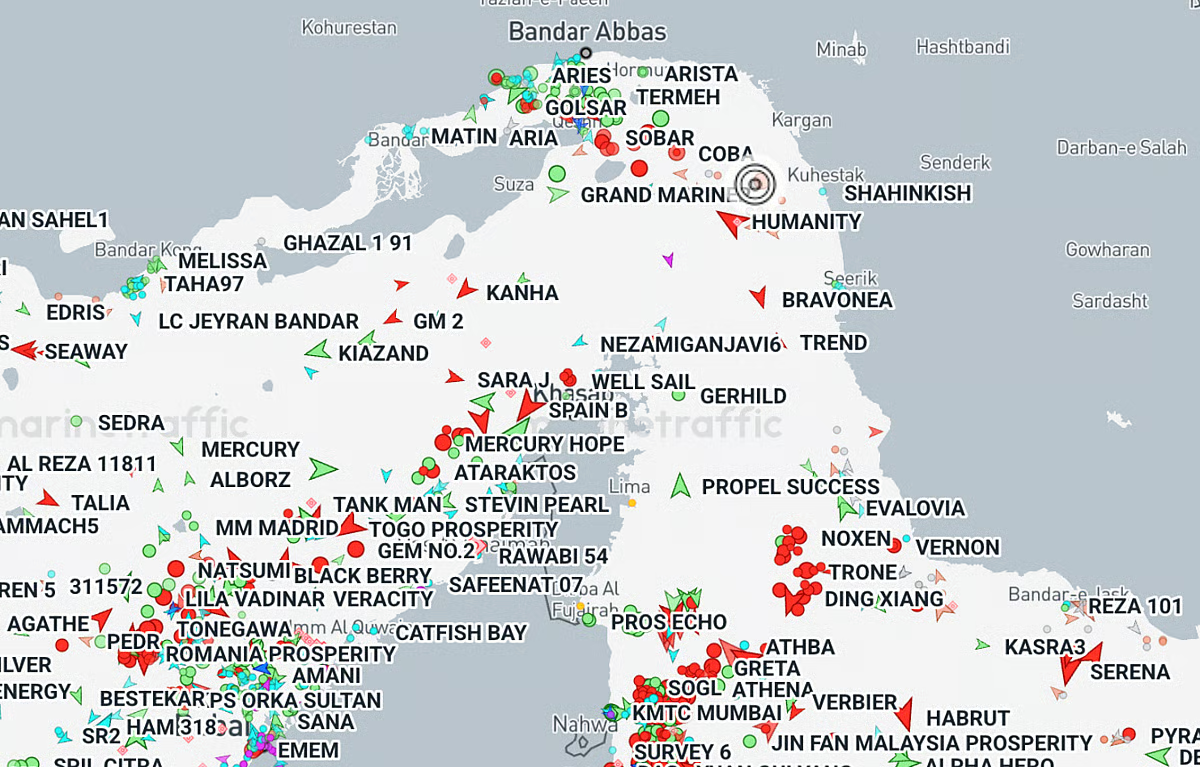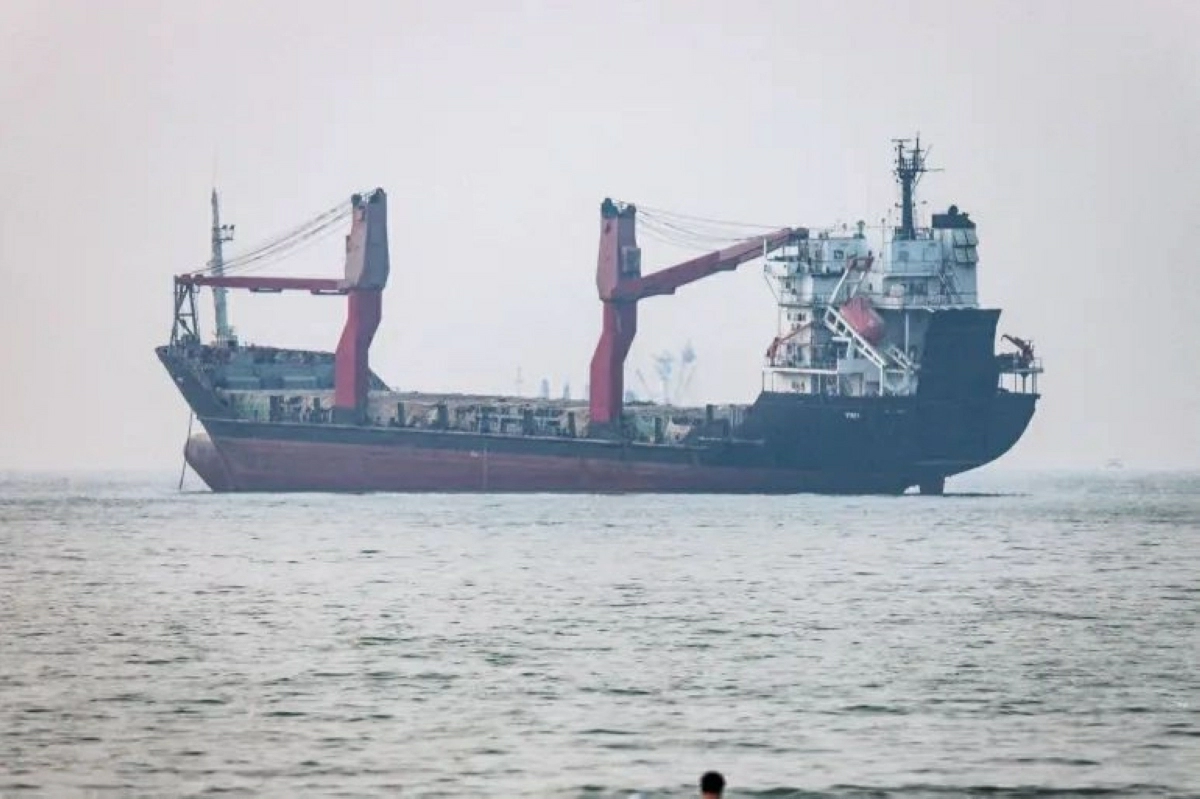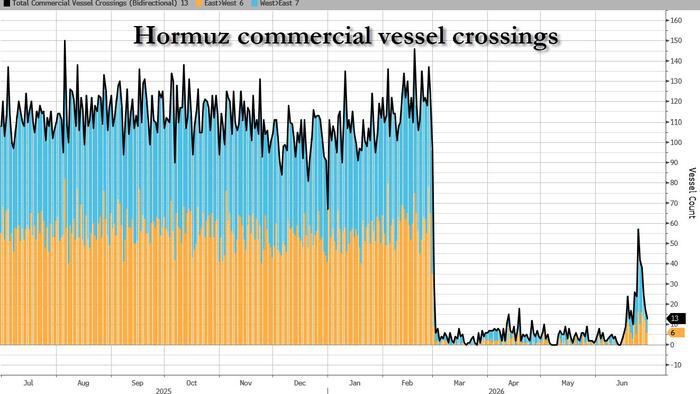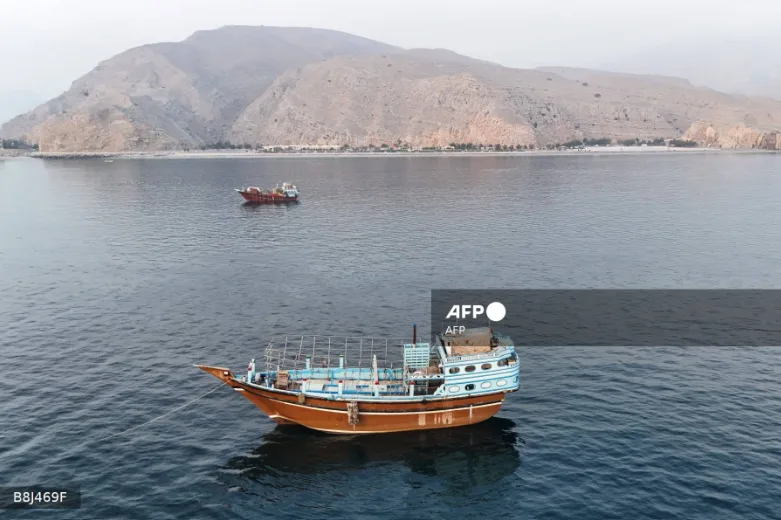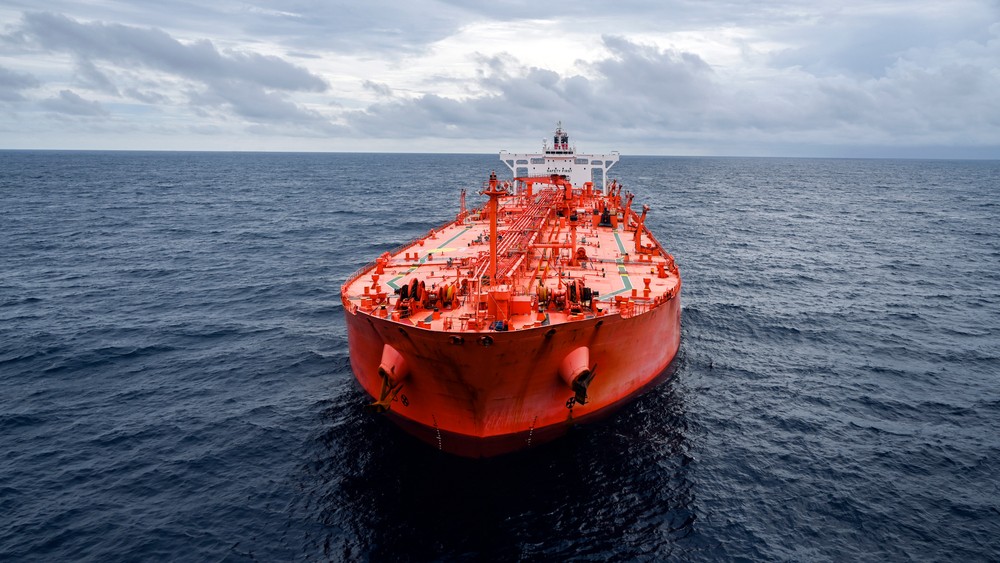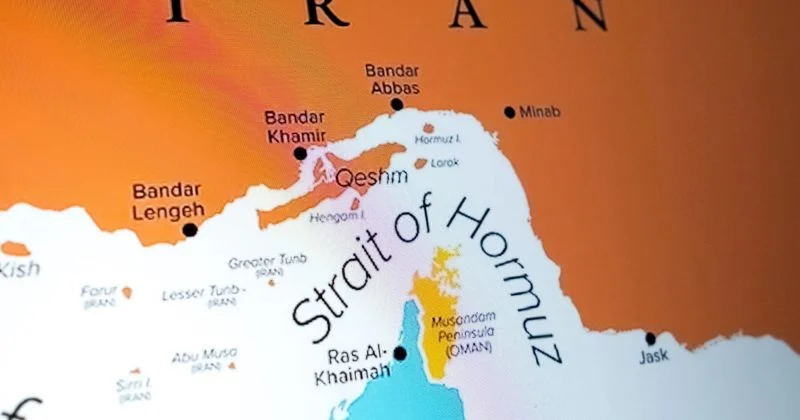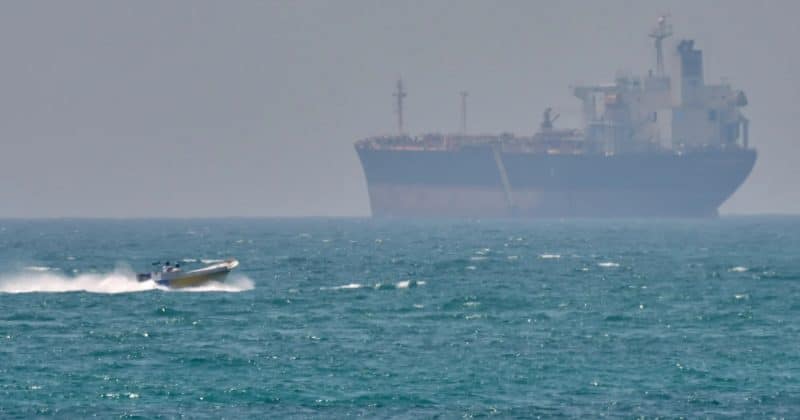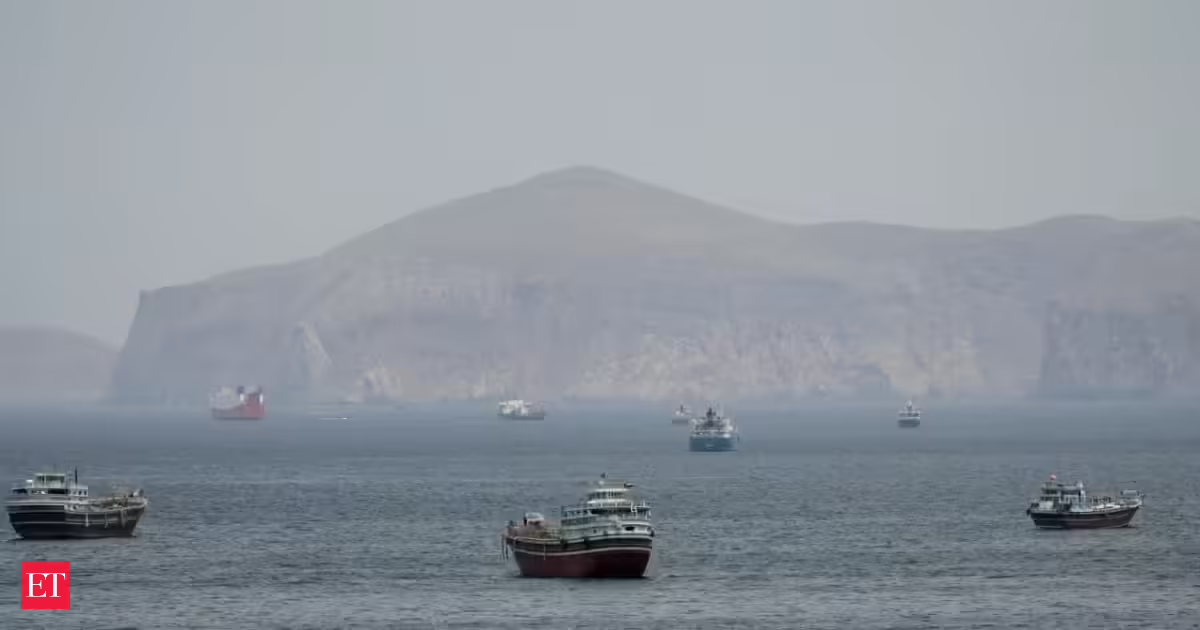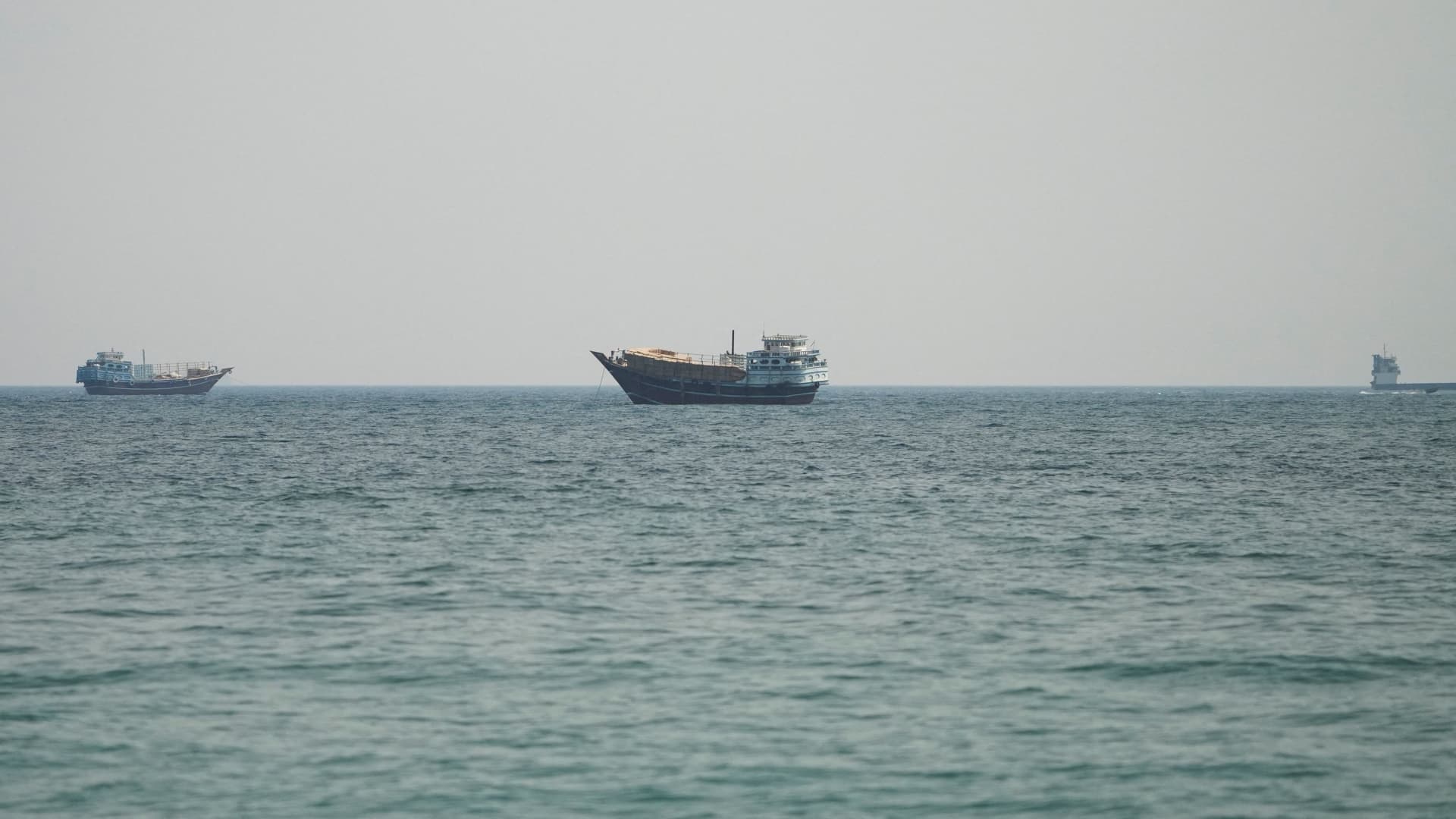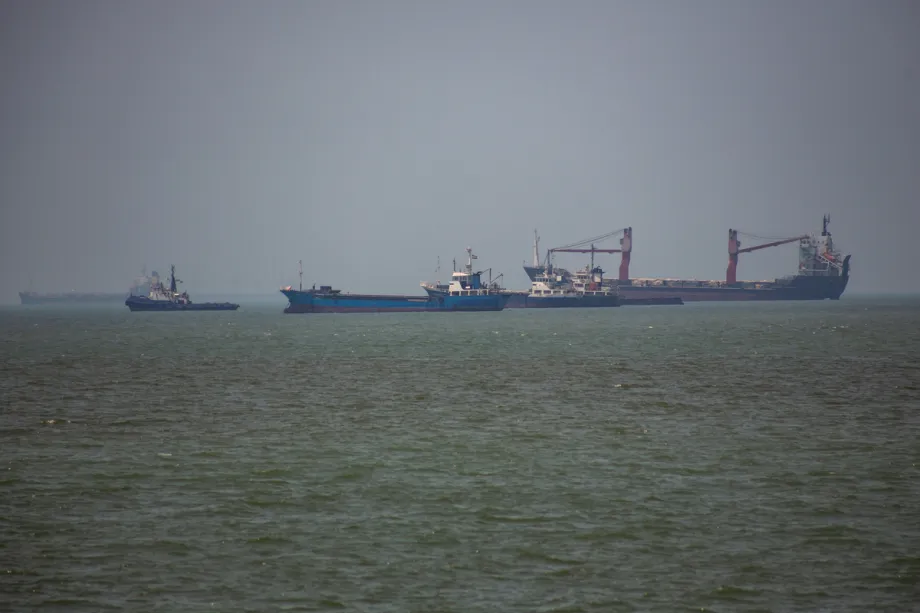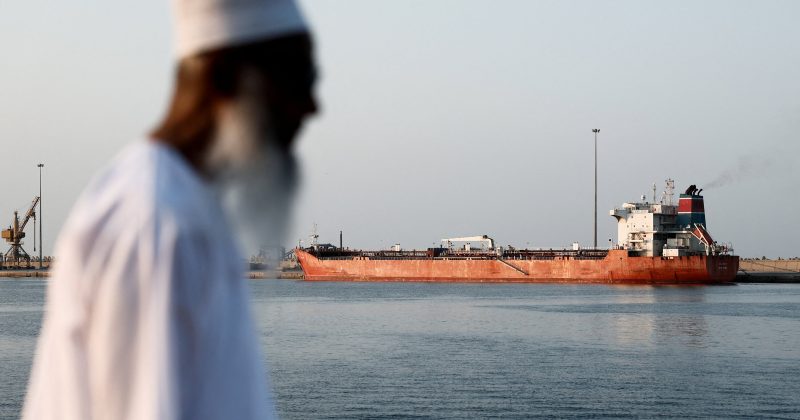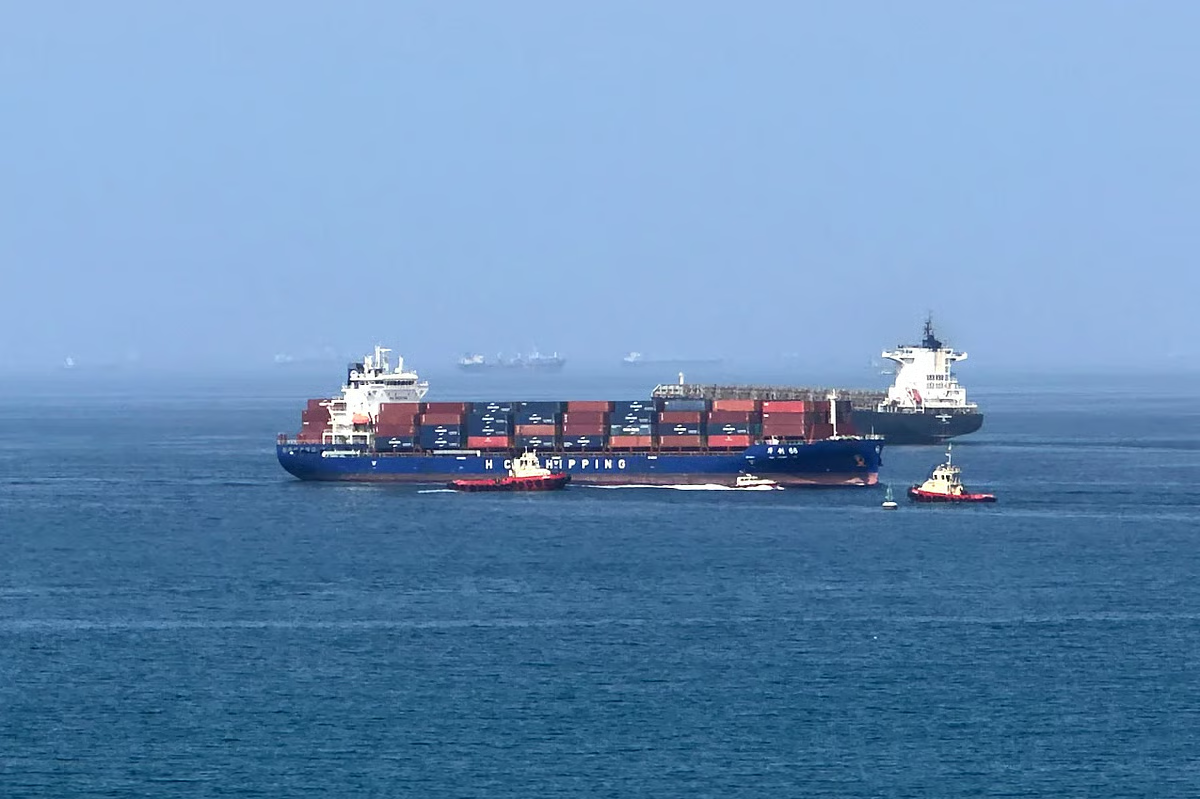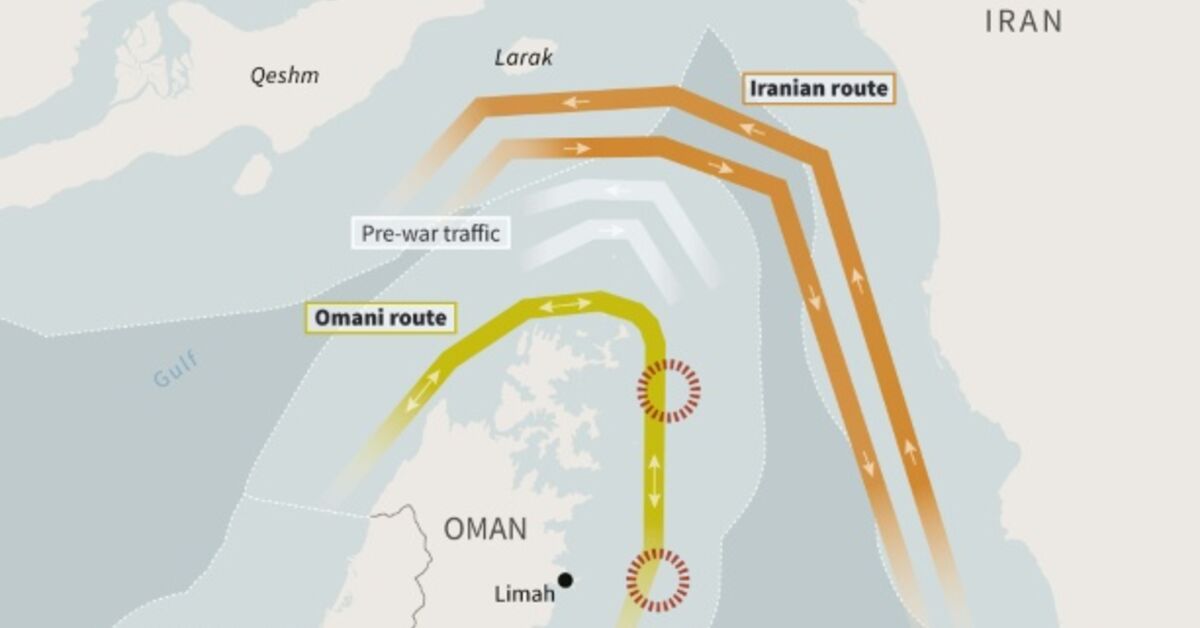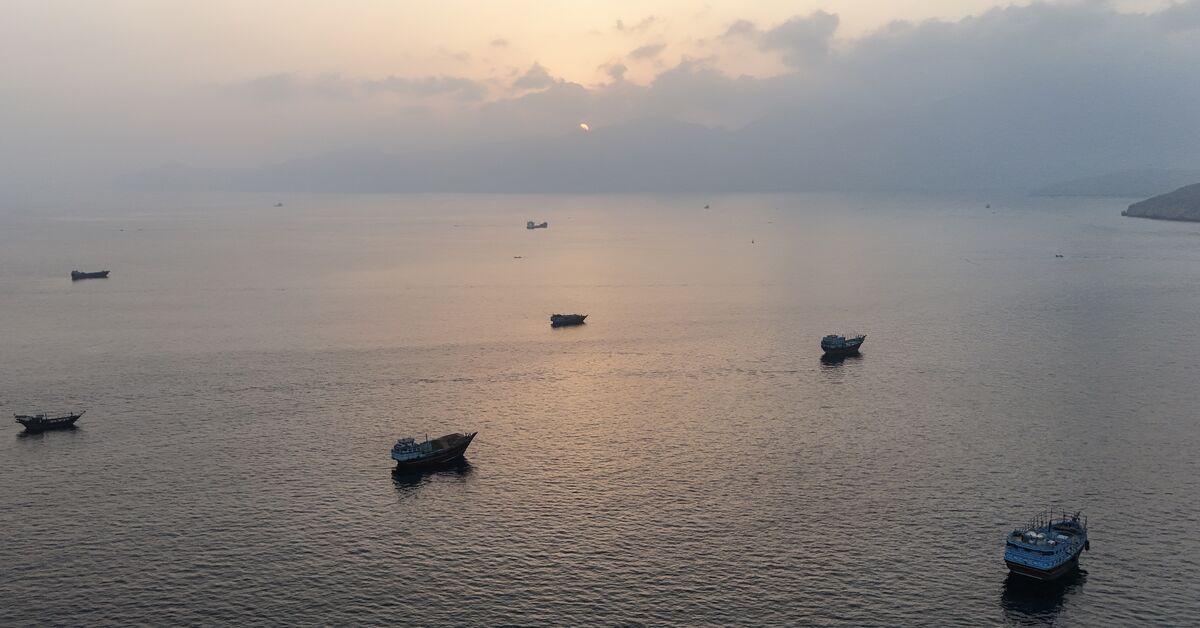
Maritime traffic through the Strait of Hormuz dropped sharply over the weekend as a four-day exchange of fire between Iran and the United States left shipowners cautious about transiting the narrow waterway.What happened: Shipping through the Strait of Hormuz, which runs between Iran, Oman and the United Arab Emirates, had been recovering before renewed fighting between Iran and the United States dropped traffic back down over the weekend.Some 22 ships passed through the waterway on Sunday, down from 38 on Saturday, according to data from ship tracking firm Kpler. Before the war began on Feb. 28, between 130 and 140 ships passed through the strait on a typical day.The fragile truce between Iran and the United States broke down on Thursday after Tehran reiterated its demand for ships transiting the Strait of Hormuz to obtain permits for its approved passageway, warning that other routes were “unacceptable and completely dangerous.”Later in the day, Iranian forces attacked a container ship that was transiting via Omani waters on the other side of the Gulf, and the US conducted retaliatory strikes on Iran. Iran responded on Saturday with strikes on American bases in Bahrain and Kuwait, though the US said that none of them reached their targets and there were no casualties or damage.Iran also attacked a second, Panama-flagged tanker with a drone on Saturday, US Central Command said in a statement.On Monday, Iran and the United States agreed to halt their attacks and allow vessels to move freely. Later, US President Donald Trump wrote on Truth Social, “IRAN HAS REQUESTED A MEETING. IT WILL TAKE PLACE TOMORROW IN DOHA!” He didn’t share more details.The price of Brent crude, the international benchmark for oil, edged up by 0.92% to $72.78 as of 10:27 a.m. EDT.Why it matters: The Strait of Hormuz, which has been essentially closed by Iran’s Islamic Revolutionary Guard Corps since the beginning of the war on Feb. 28, is a crucial trade artery for energy markets. In peacetime, around a fifth of the world’s oil and liquefied natural gas passed through it.On June 17, the United States and Iran signed a memorandum of understanding to end the conflict, curb Tehran’s nuclear program and reopen the strait. As part of the agreement, Iran agreed to use its "best efforts for the safe passage of commercial vessels with no charge for 60 days." But that agreement has been violated several times, with renewed attacks by both sides and between Israel and Hezbollah in Lebanon.Shippers have also been deterred by fears over the presence of Iranian mines. Takaya Soga, chief executive of Japan’s NYK Line, warned in an interview on Sunday that the Strait of Hormuz will operate at less than half of prewar levels for months even if the Iran-US peace deal holds.“The routes available for navigation are extremely limited — they’re very narrow corridors,” Soga told the Financial Times. “We’re still nowhere near returning to conditions before the closure.”Know more: Meanwhile, the leaders of France and Oman met in Paris on Monday to discuss the strait's reopening.According to the French presidency, French President Emmanuel Macron and Omani Sultan Haitham bin Tariq called for the “free and unconditional” passage through the strategic waterway. Oman has been one of the main mediators to end the conflict, acting as a conduit between Tehran and Washington.
Traffic plummets through Strait of Hormuz after Iran, US trade fire
Shipping through the Strait of Hormuz had recovered somewhat before renewed fighting between Iran and the United States saw traffic drop sharply over the weekend.
550 words~3 min read