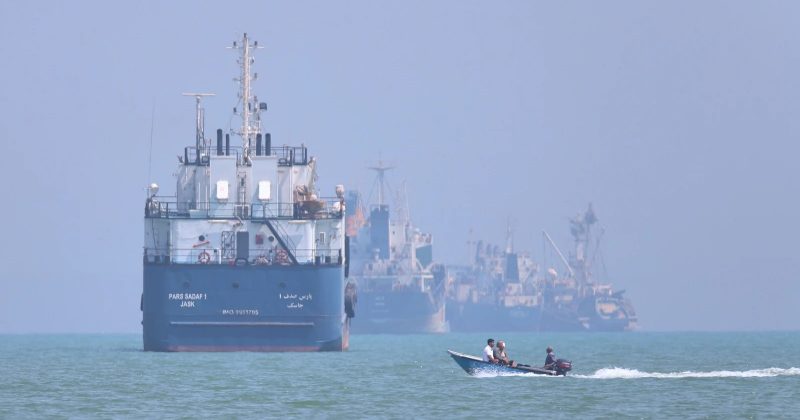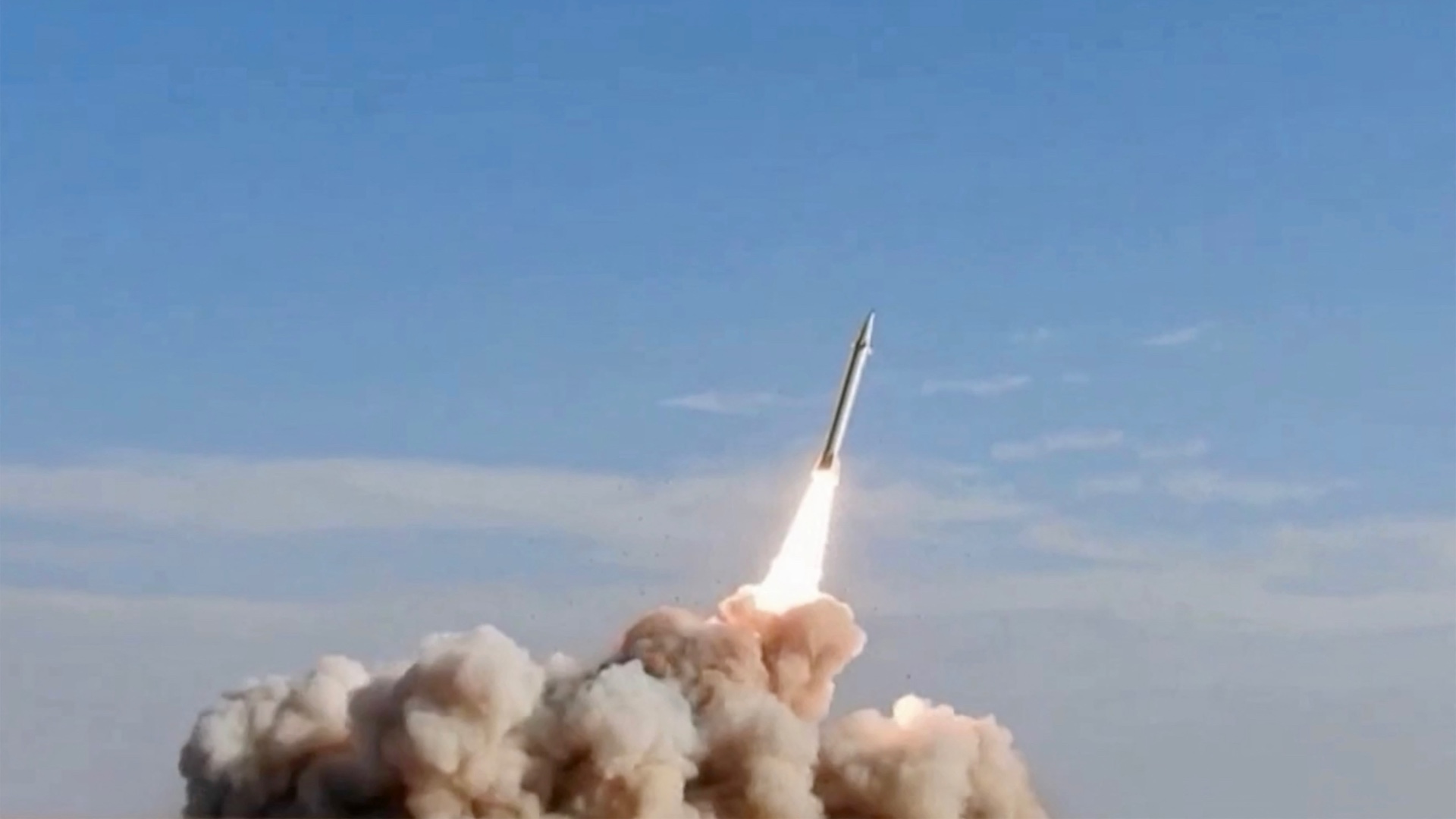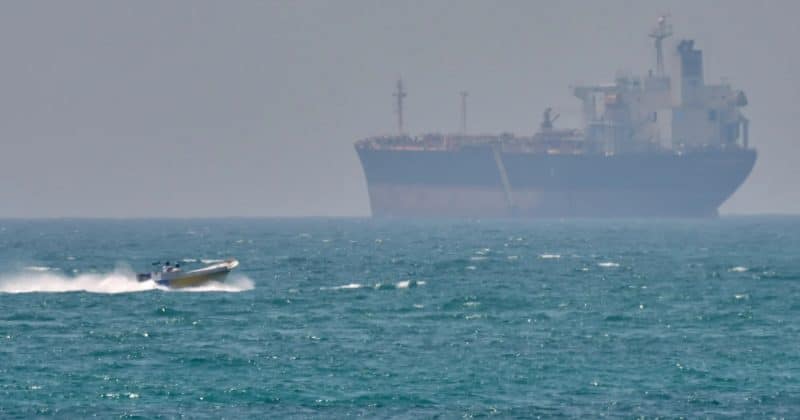
The Strait of Hormuz just got very quiet, and not in a good way.
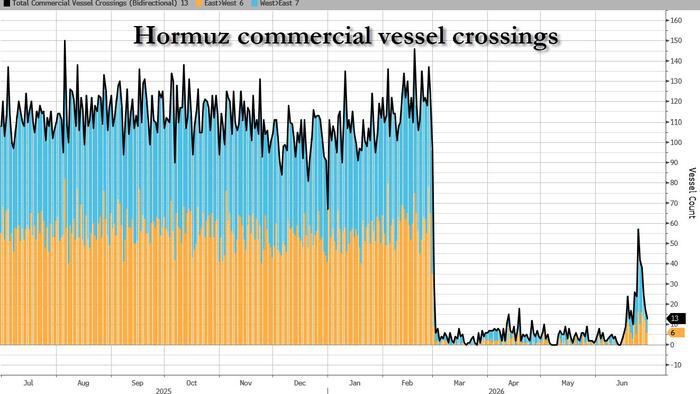
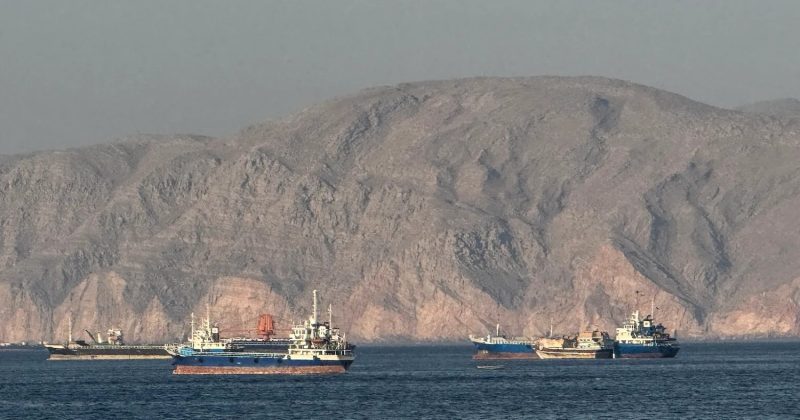
According to maritime analytics firm Kpler, vessel transits through the strait dropped from a peak of 74 ships on June 24 to as low as 22 by June 28. That is a collapse of roughly 70% in four days, triggered by a fresh round of US strikes on Iranian targets between June 27 and 29, 2026.
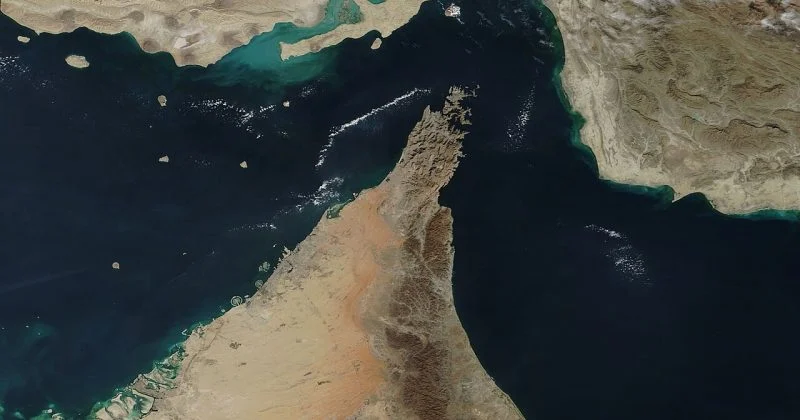
To understand why that number matters, consider what flows through this narrow strip of water between Iran and Oman. Roughly 20 to 25% of the world’s seaborne oil trade passes through the Strait of Hormuz. When shipping companies start rerouting or idling, the ripple effects reach fuel prices, supply chains, and energy markets globally.
Oil prices began moving higher on June 29 as traders priced in the renewed risk of supply disruption.
What actually happened