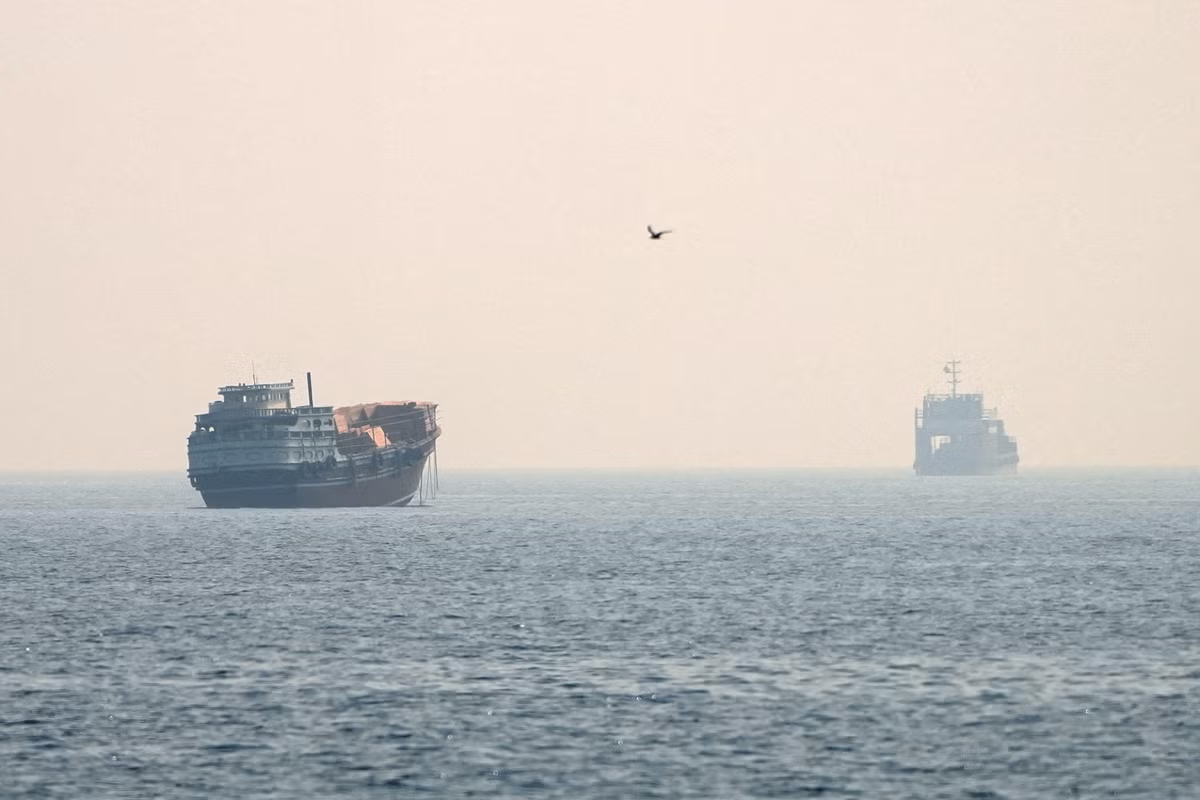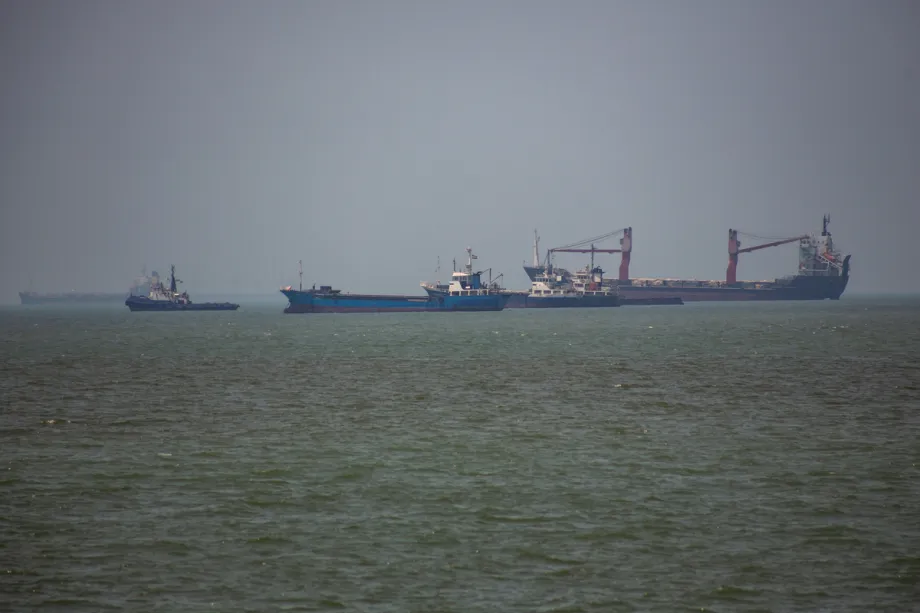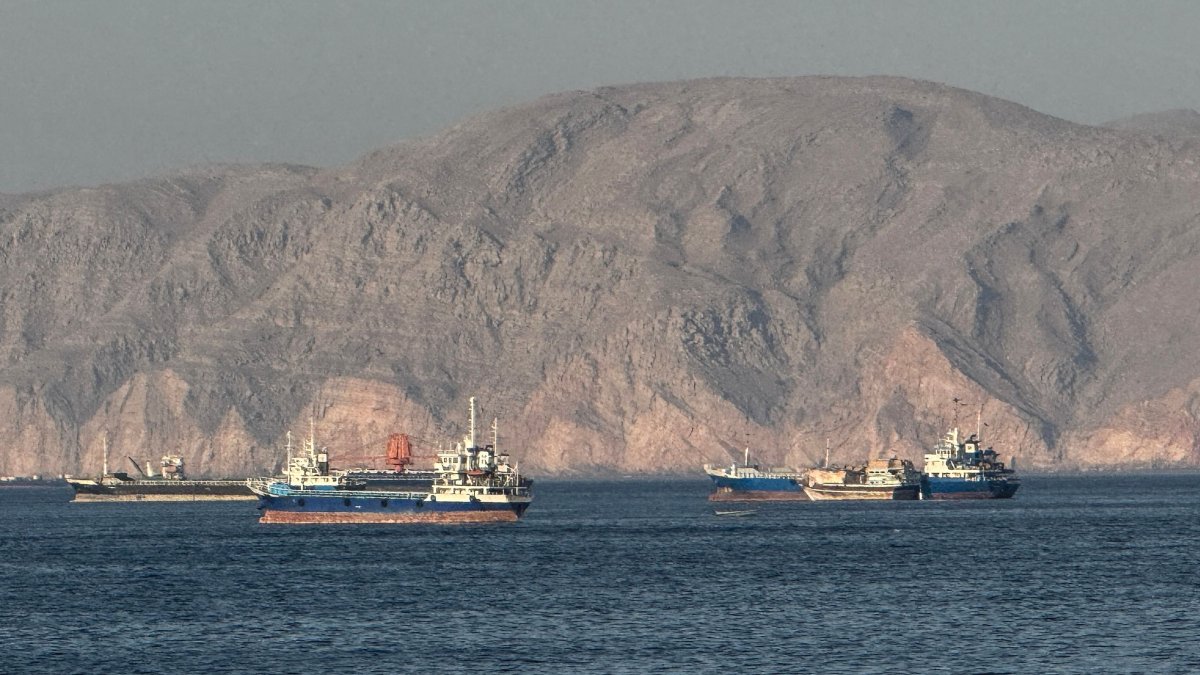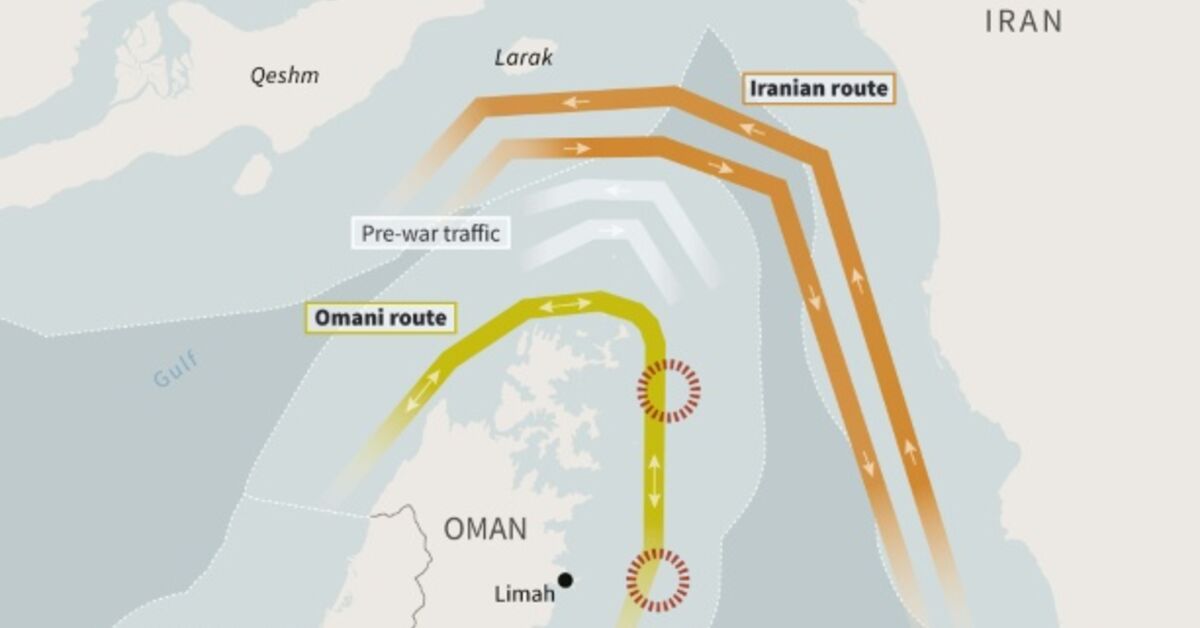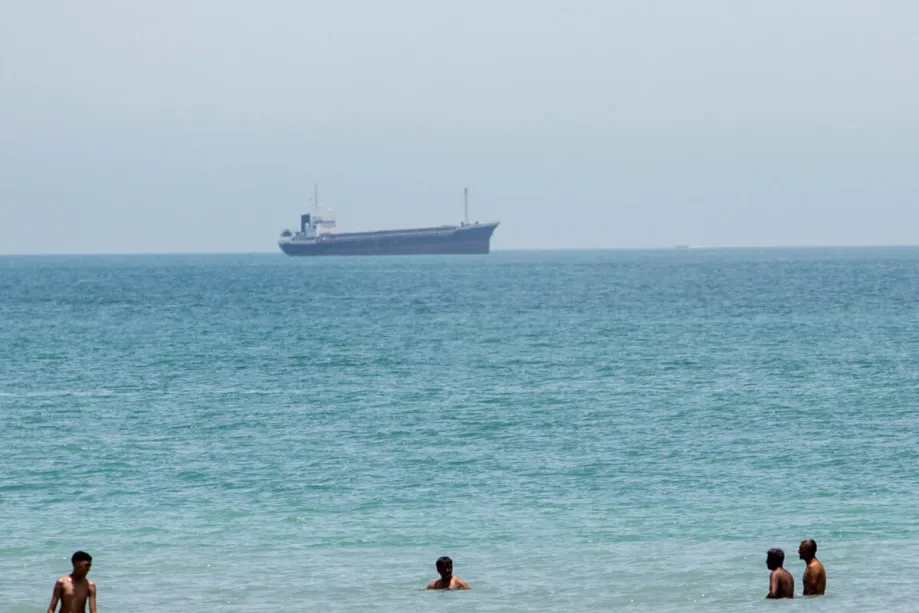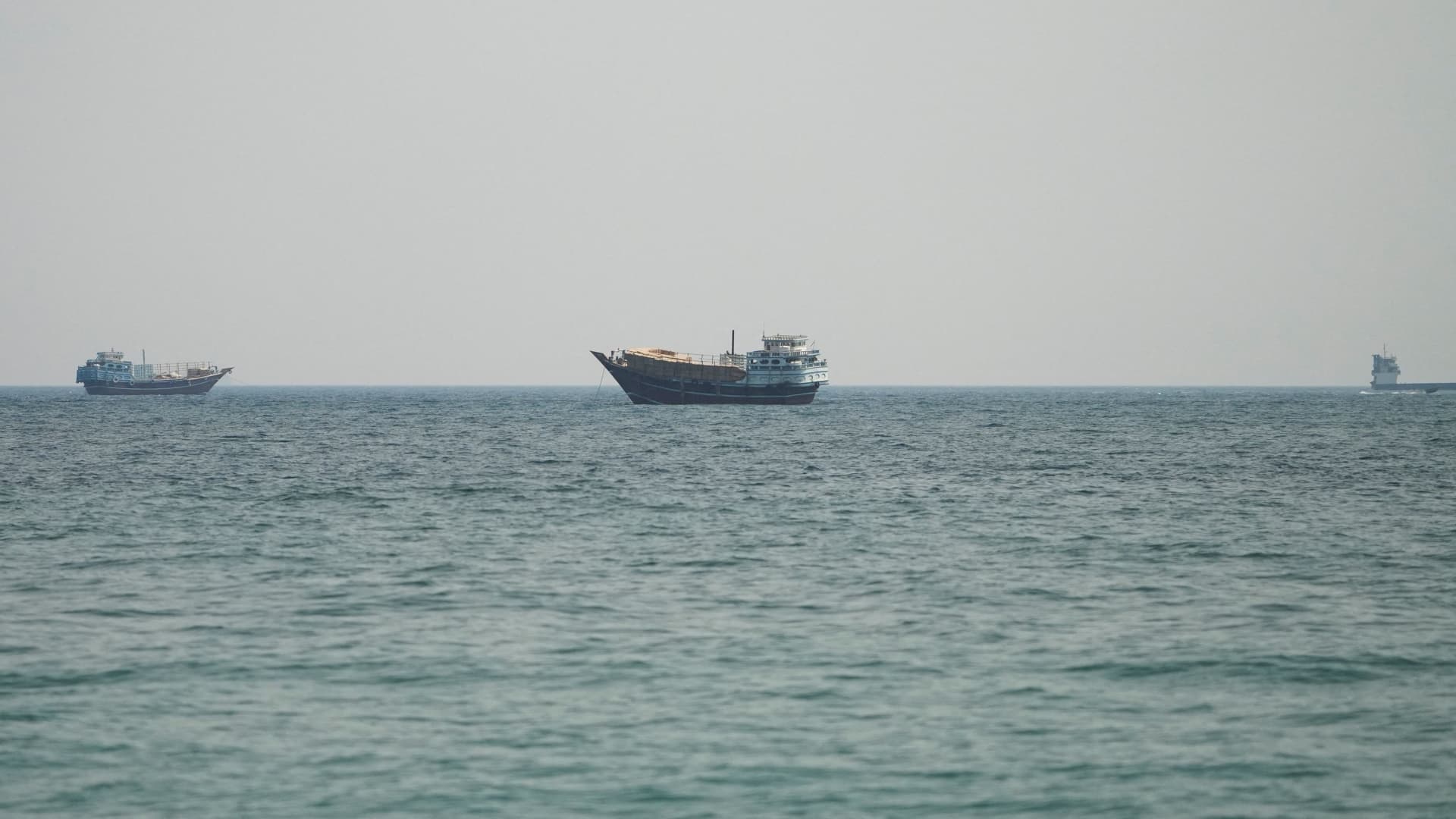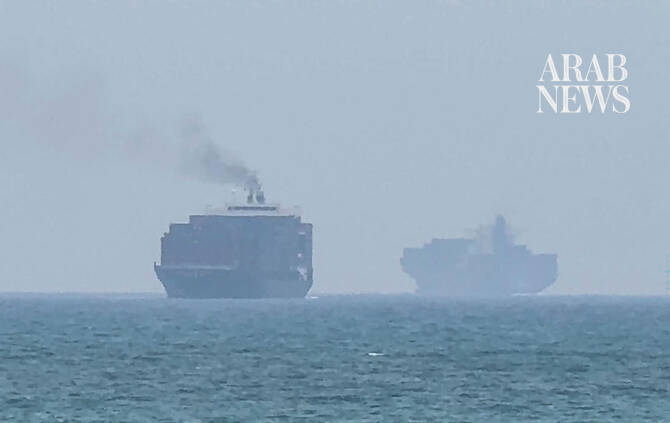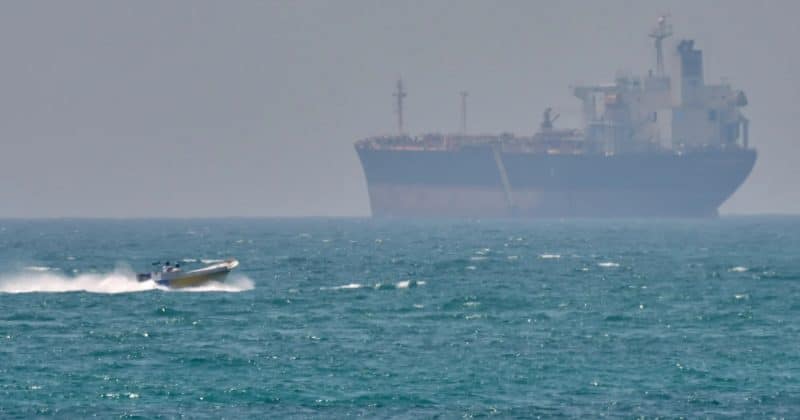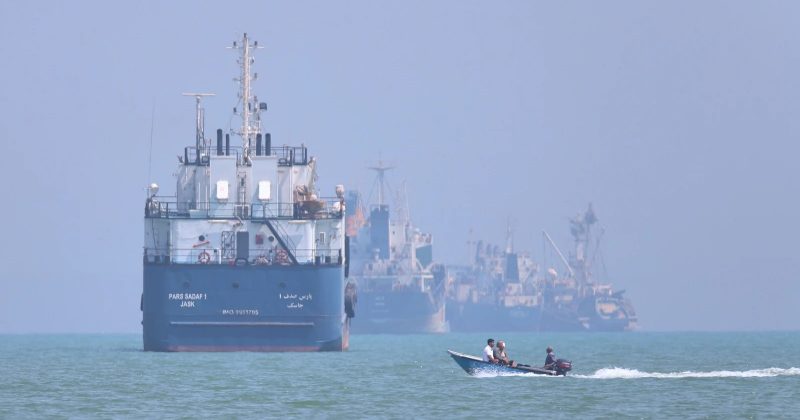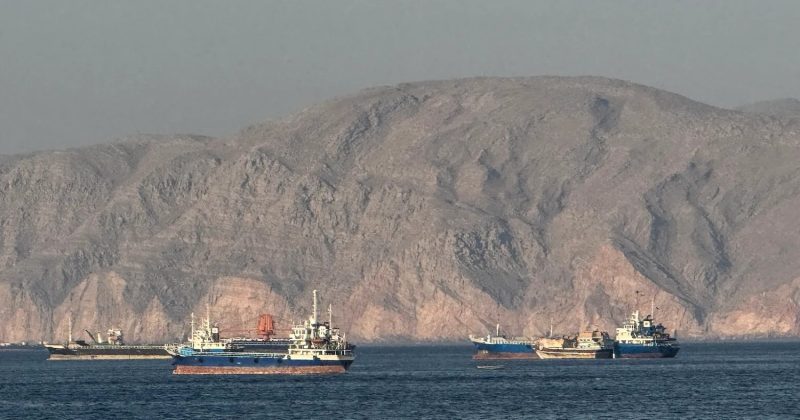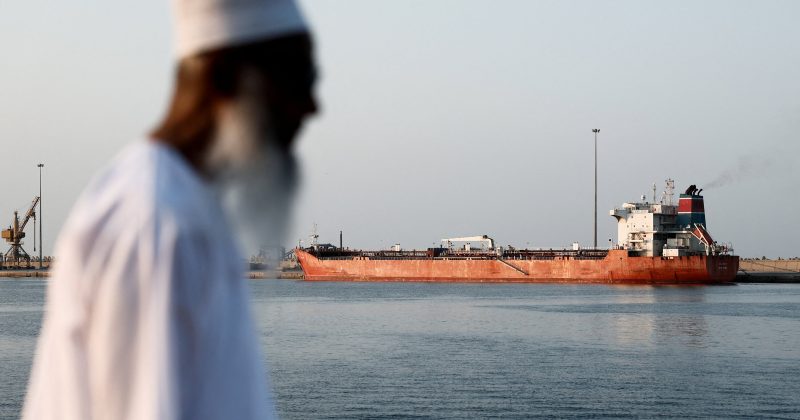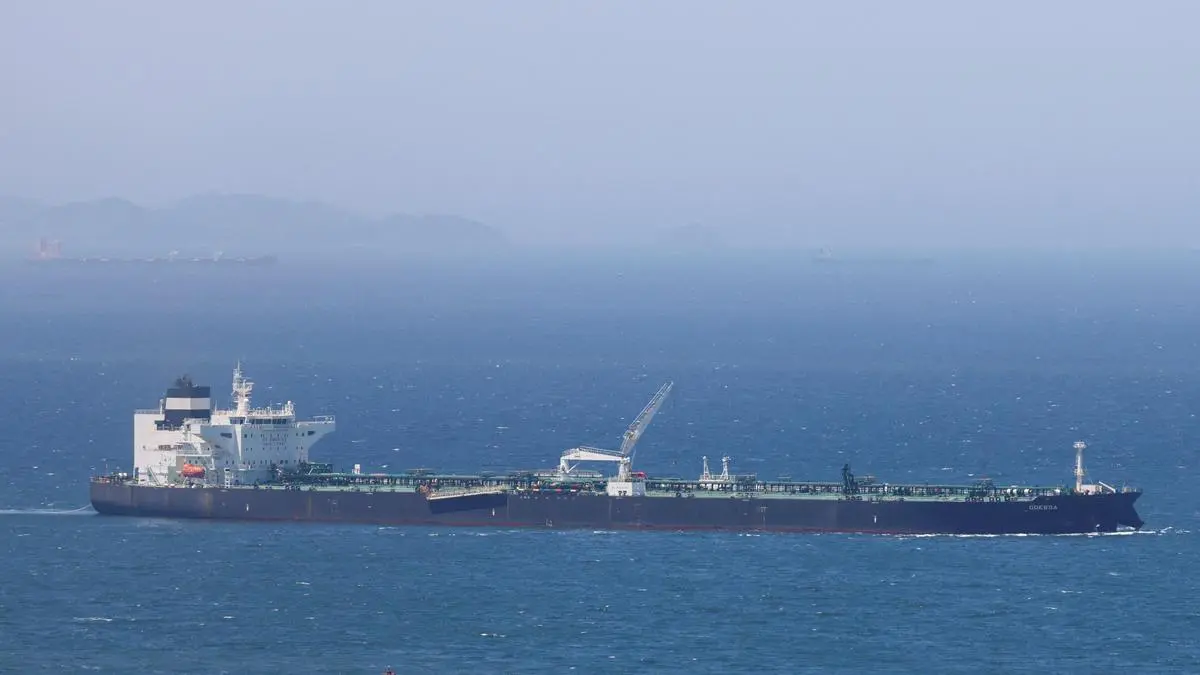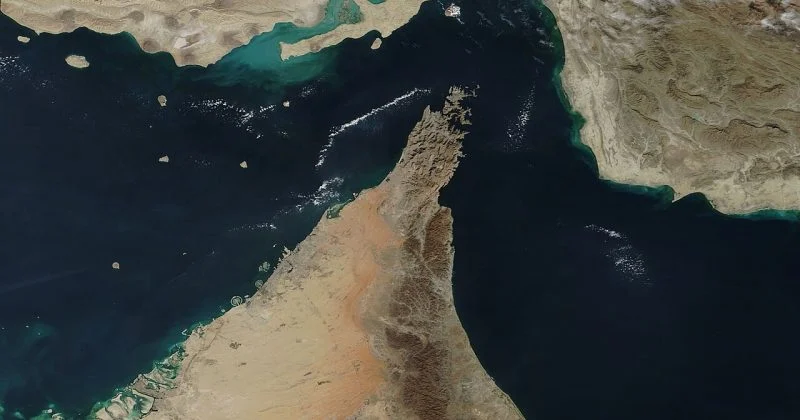
One of the world’s most critical energy chokepoints is, for all practical purposes, barely functioning right now. Vessel transits through the Strait of Hormuz fell from 74 ships on June 24 to just 22 ships by June 28, 2026, according to maritime analytics firm Kpler. That is a 70% collapse in four days.
The Strait of Hormuz handles roughly 20% of global oil and liquefied natural gas trade, with pre-conflict daily traffic averaging around 130 vessels.
What triggered the collapse
The deterioration traces back to a cascade of military escalations between the US and Iran. US-Israeli strikes began as far back as February 28, 2026, but the situation reached a sharper inflection point in late June when Iran’s Islamic Revolutionary Guard Corps attacked commercial vessels, including the Evergreen ship Ever Lovely.
Brent crude prices spiked nearly 6% in a single trading session as the disruption crystallized in market data.