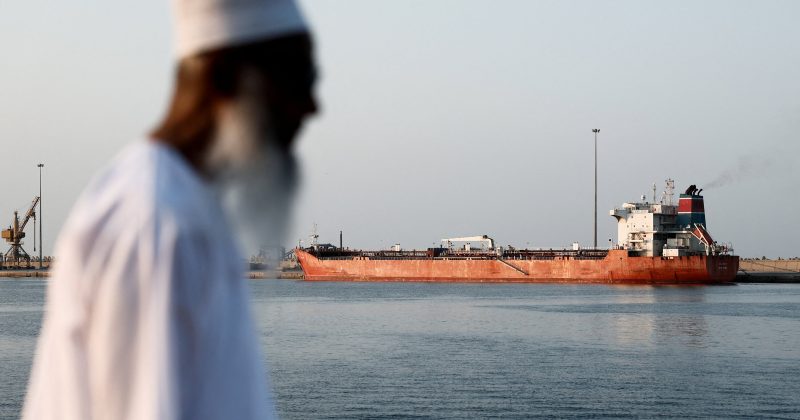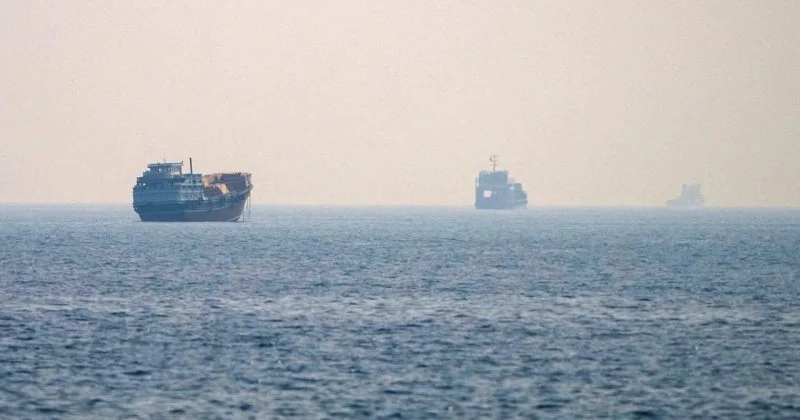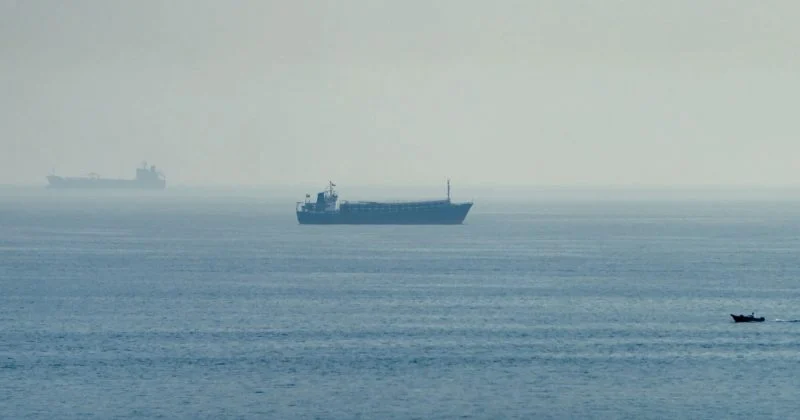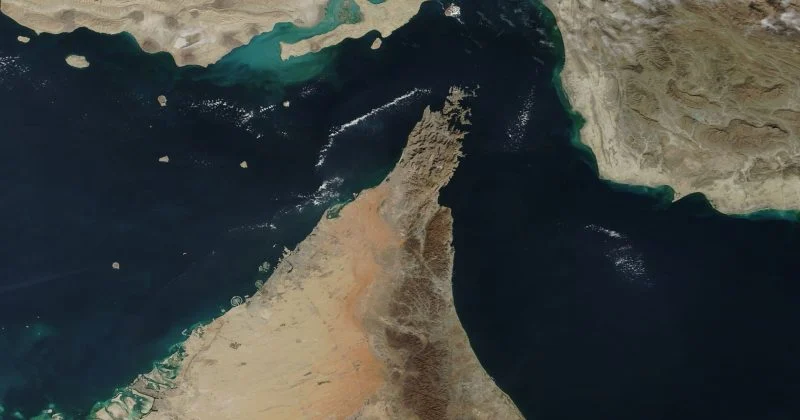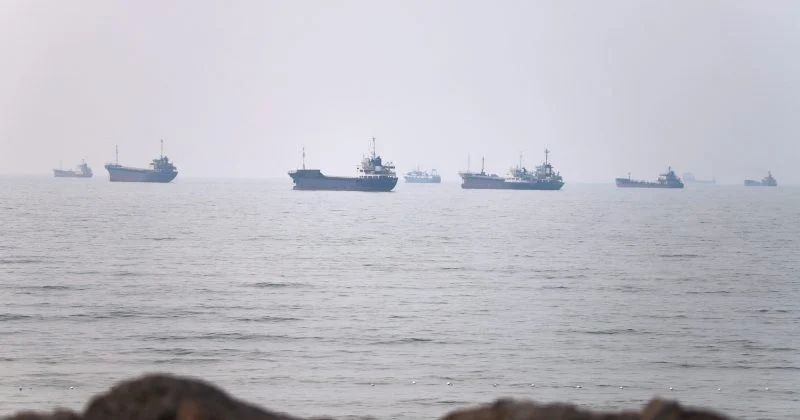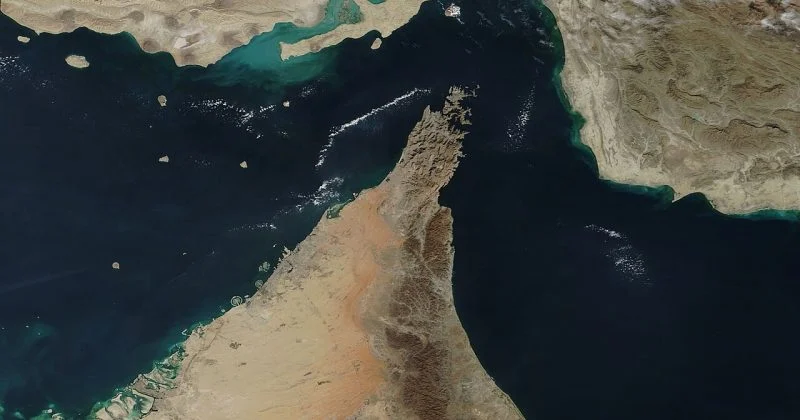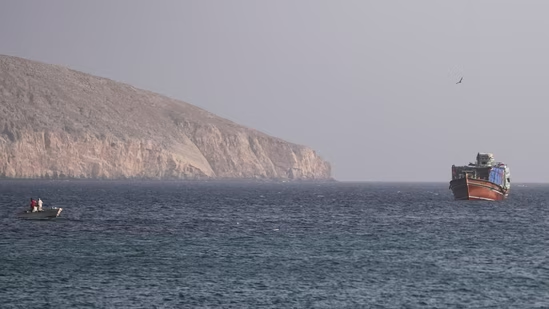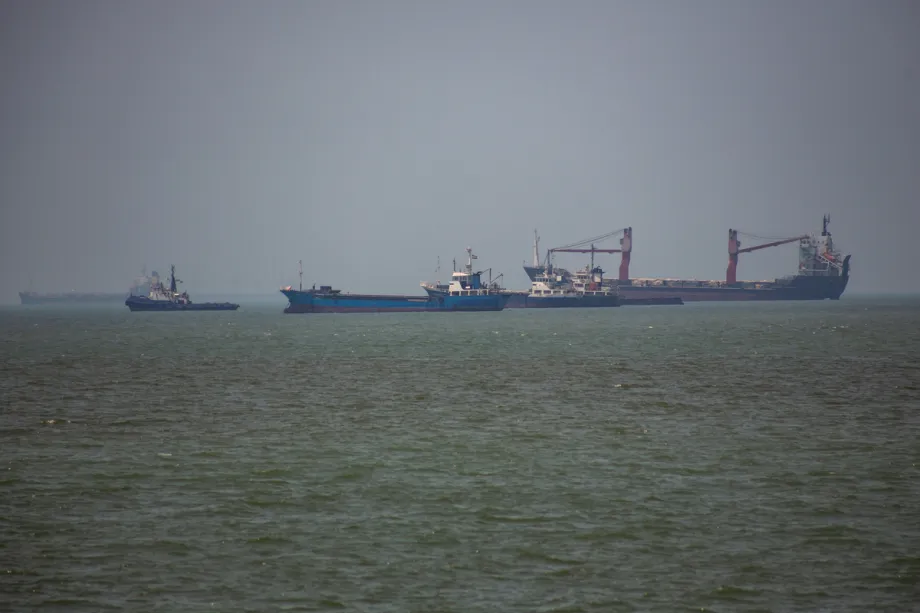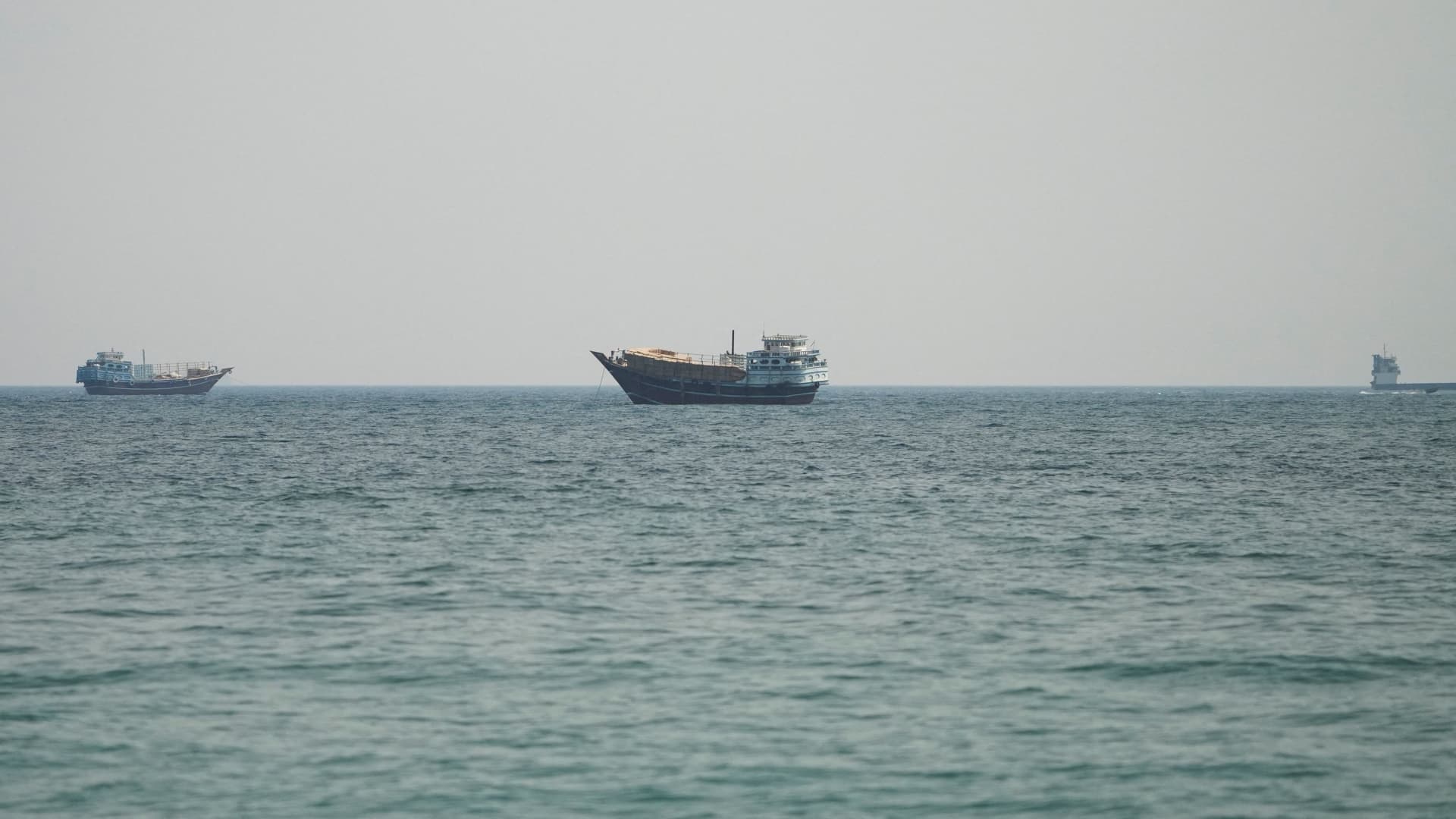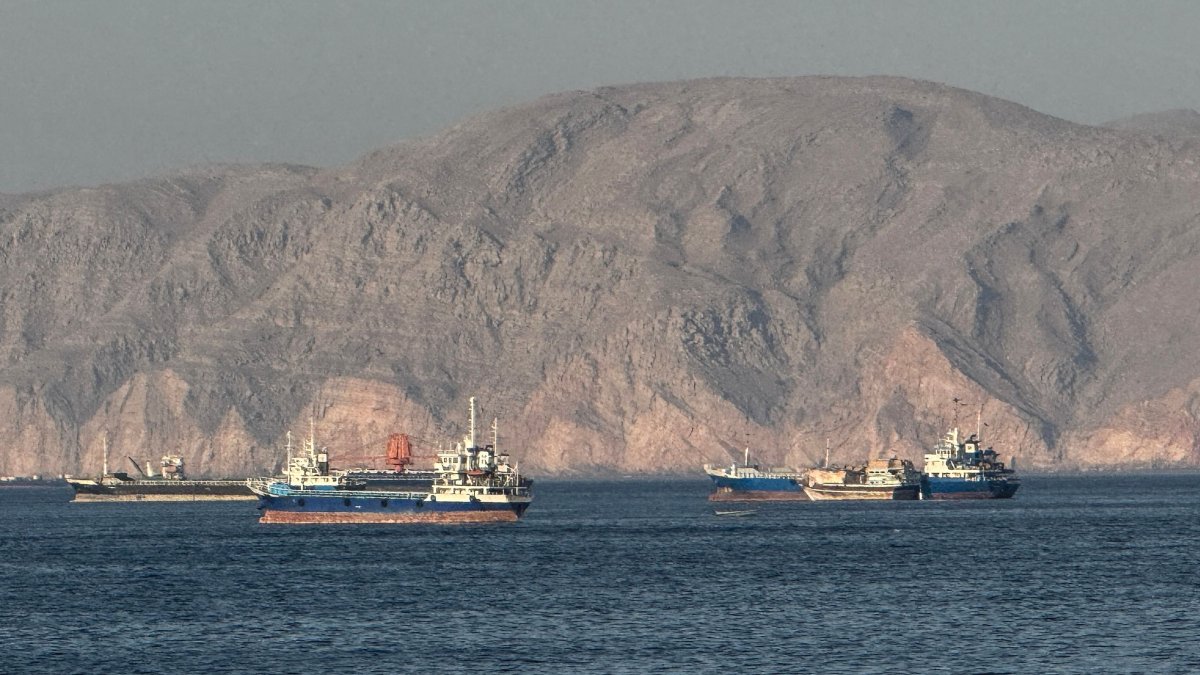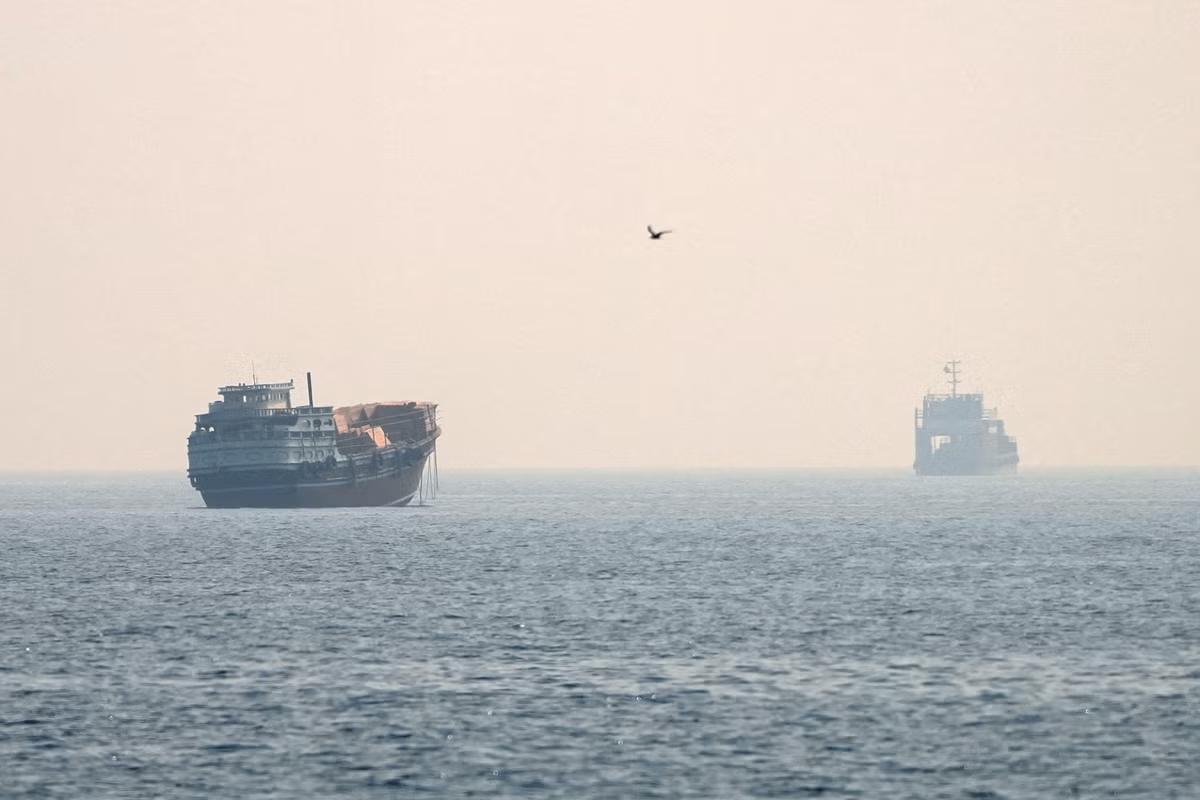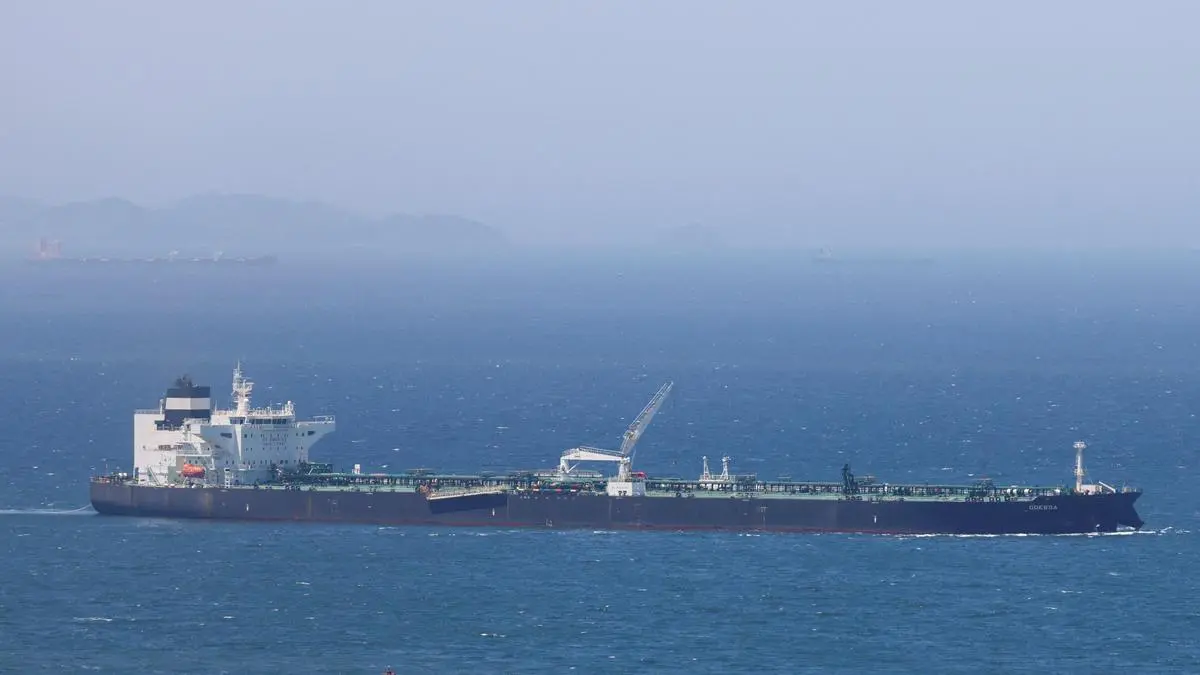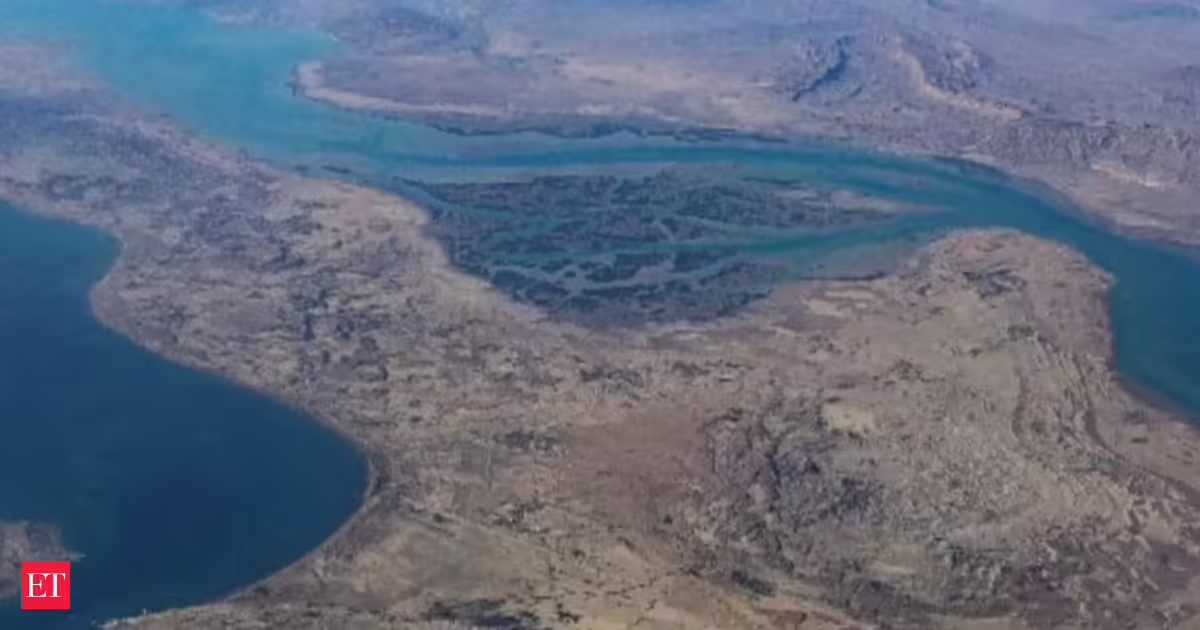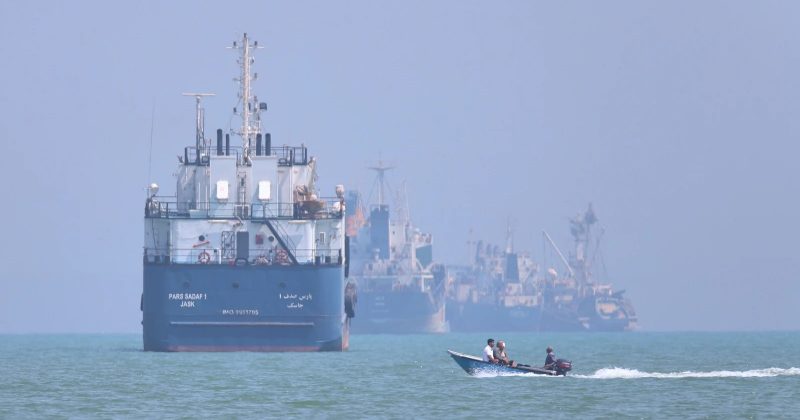
Vessel traffic through the Strait of Hormuz, a crucial global energy chokepoint, has decreased by approximately 52% between July 10 and July 12. This decline coincides with renewed hostilities between Iran and the United States, including the Islamic Revolutionary Guard Corps’ claim of disabling two supertankers and the US conducting airstrikes on Iranian targets. The geopolitical tensions have escalated following the collapse of a temporary ceasefire between the two nations, leading to a reinstated US blockade on Iranian shipping and a proposed 20% fee on cargo transiting the strait.
The market for ship transit through the Strait of Hormuz is reflecting these developments, with a significant increase in the probability of fewer than 150 ships transiting the area during the specified week. As of the latest data, the likelihood of this scenario being realized is priced at 89.3%. This sharp increase from previous weeks suggests that market participants view the ongoing military actions as a strong impediment to normal shipping operations in the region.
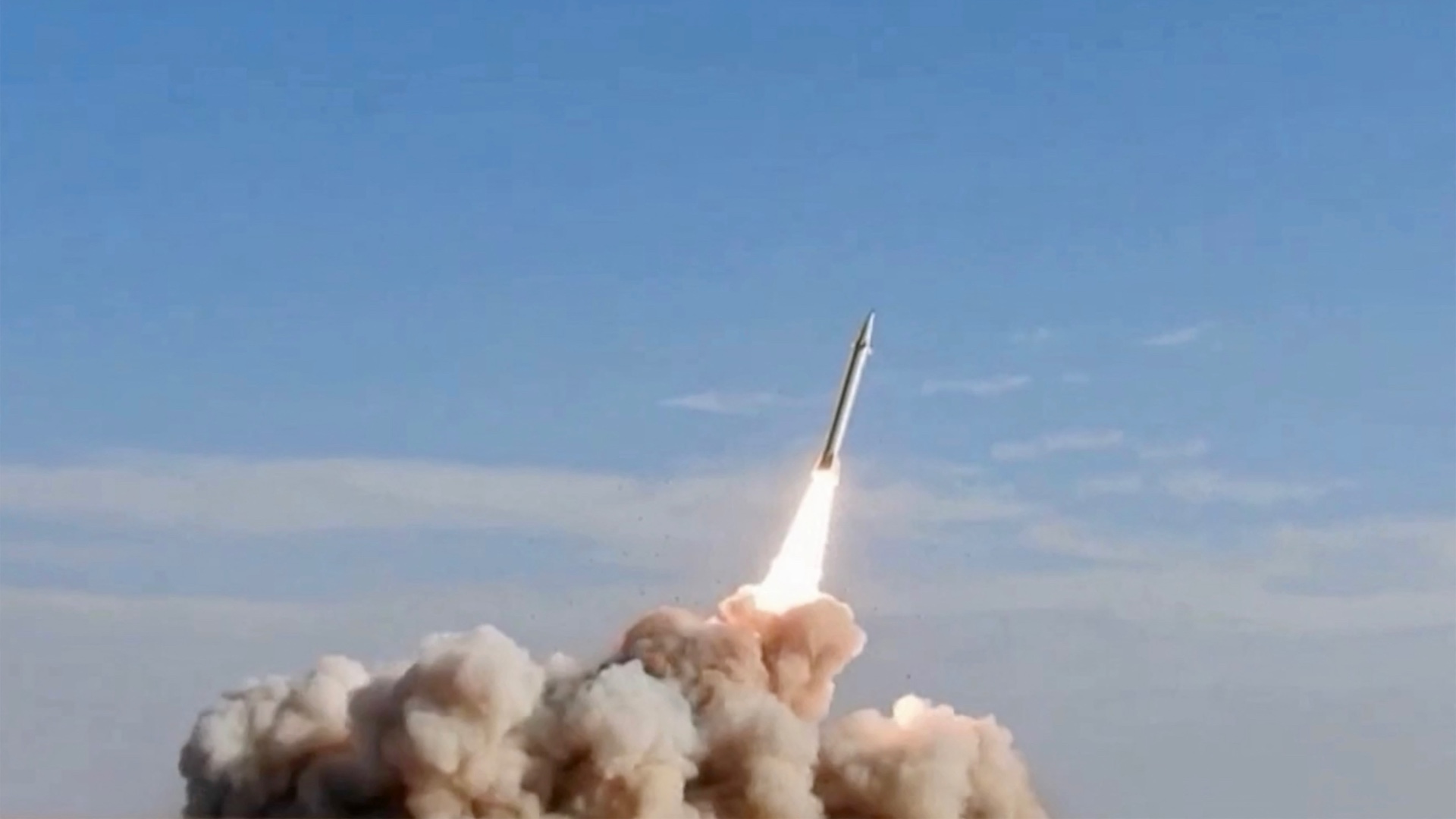
The broader context includes US airstrikes targeting Iranian coastal sites and retaliatory measures by Iran, such as missile and drone strikes on US bases in the region. These actions have further intensified the situation, making the current environment highly volatile and uncertain for maritime activities.