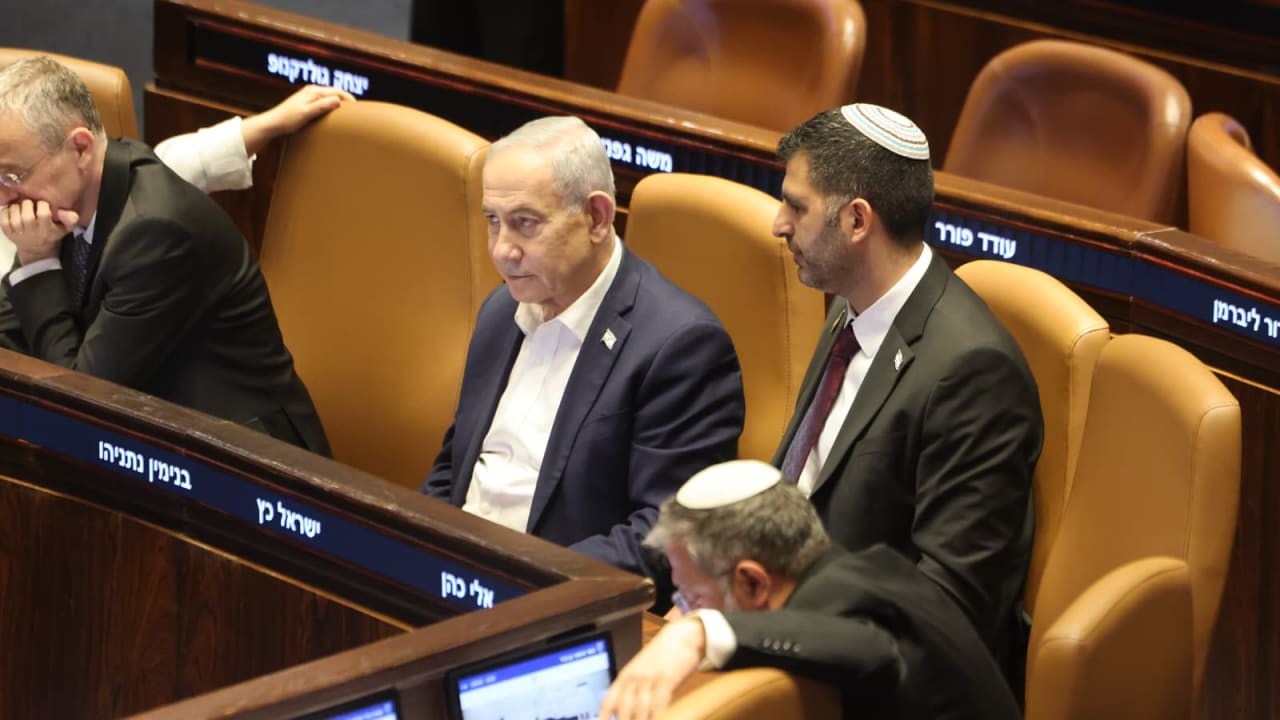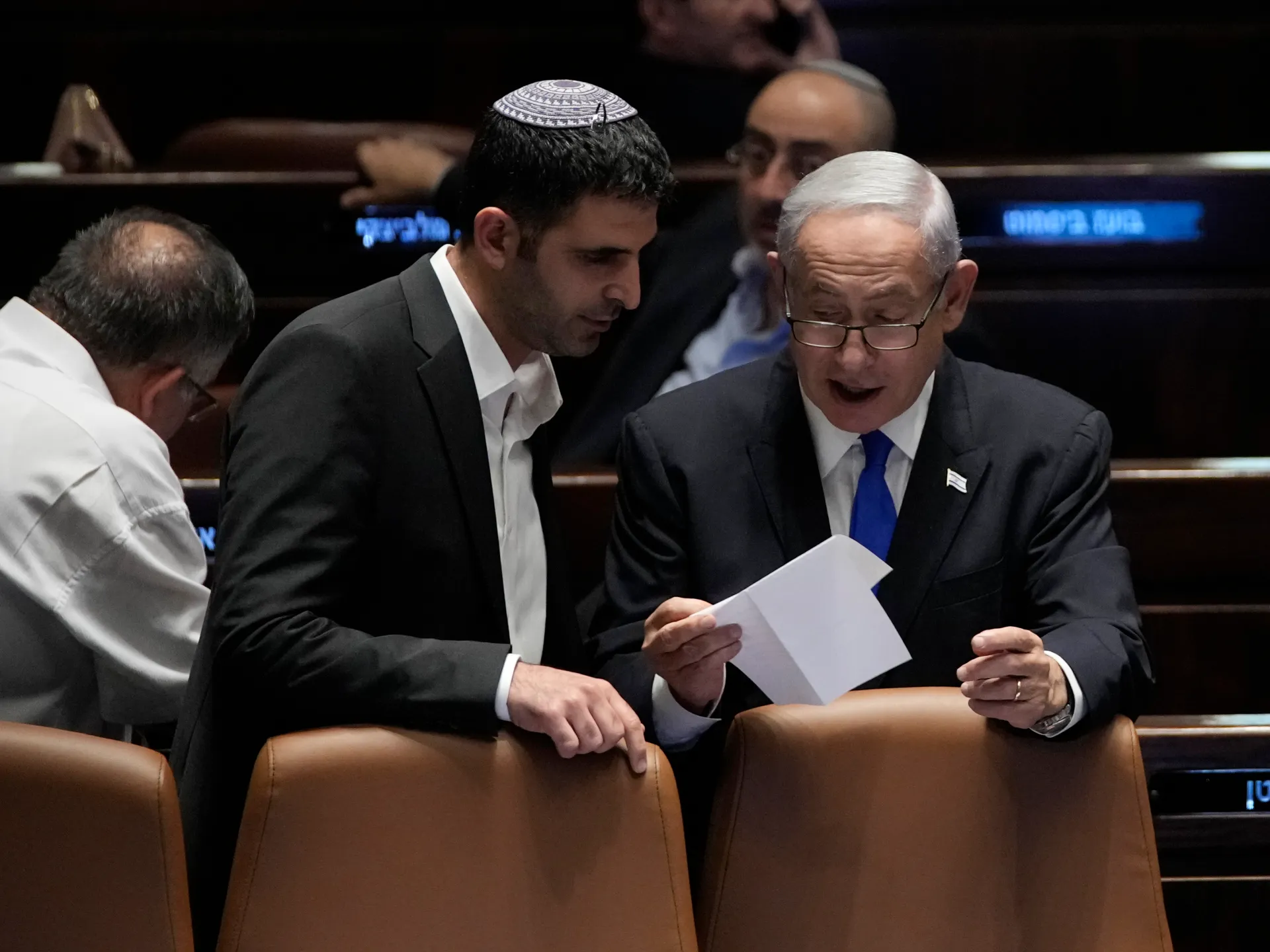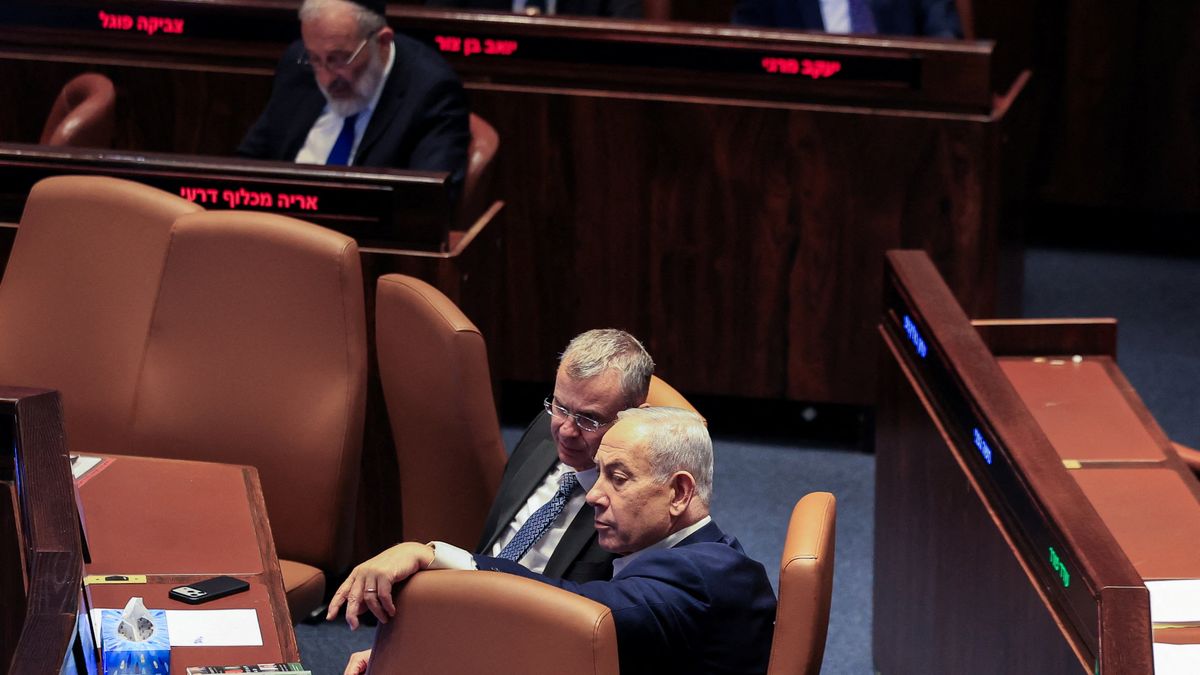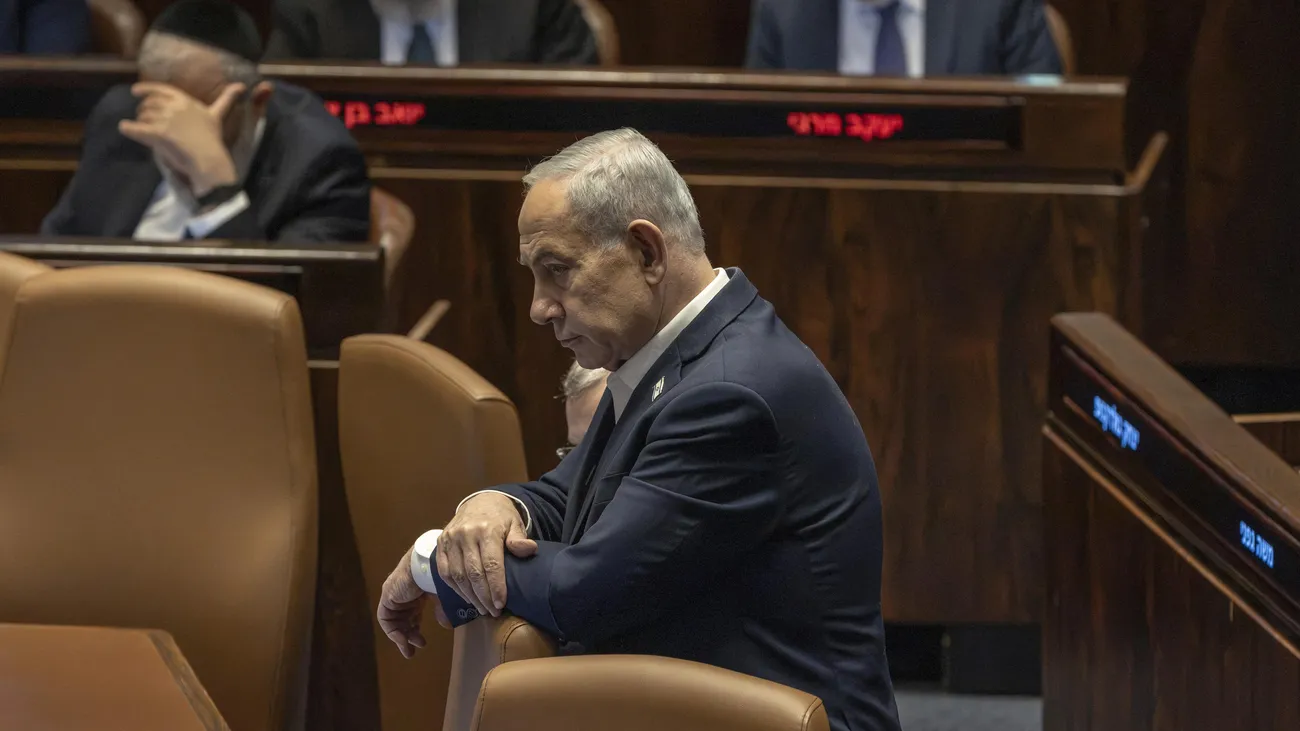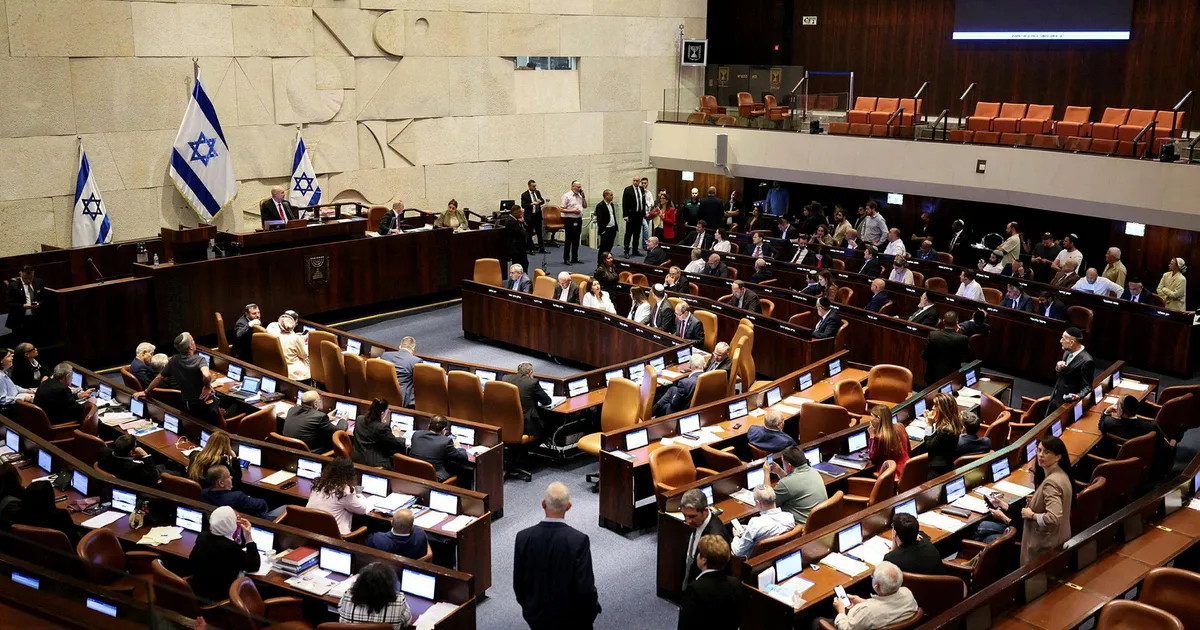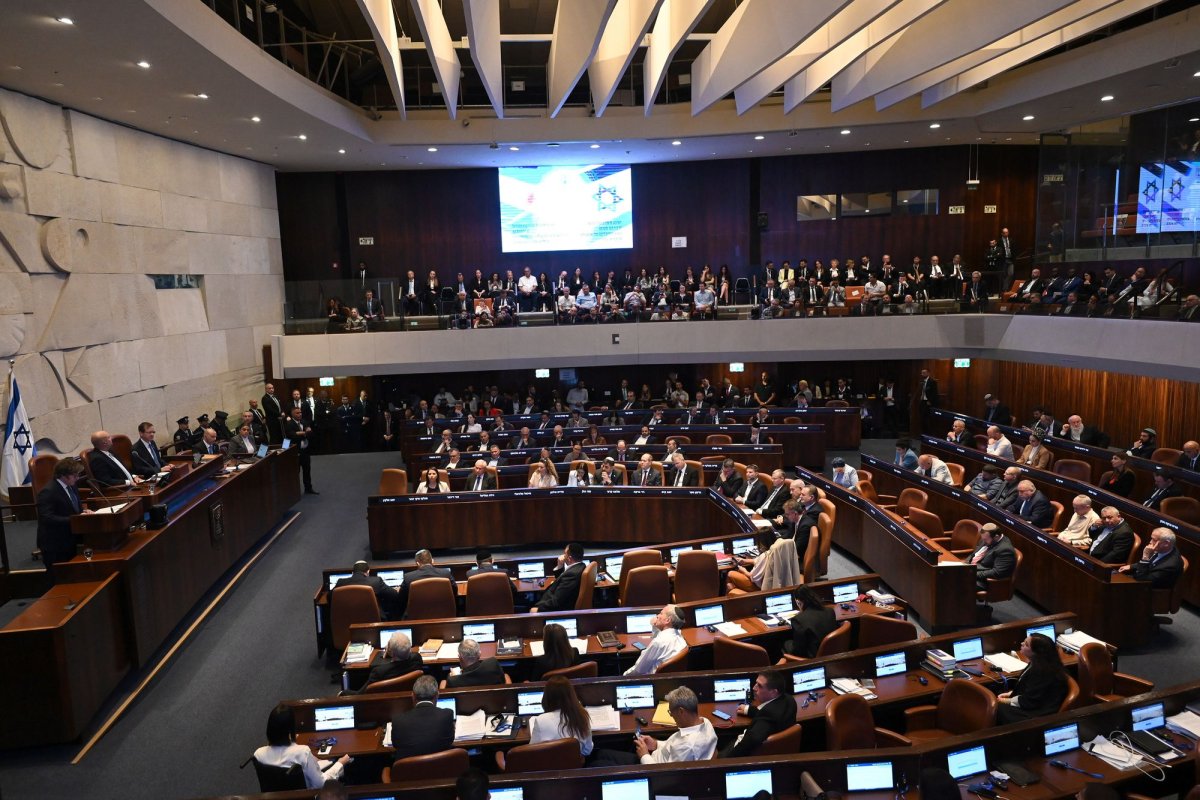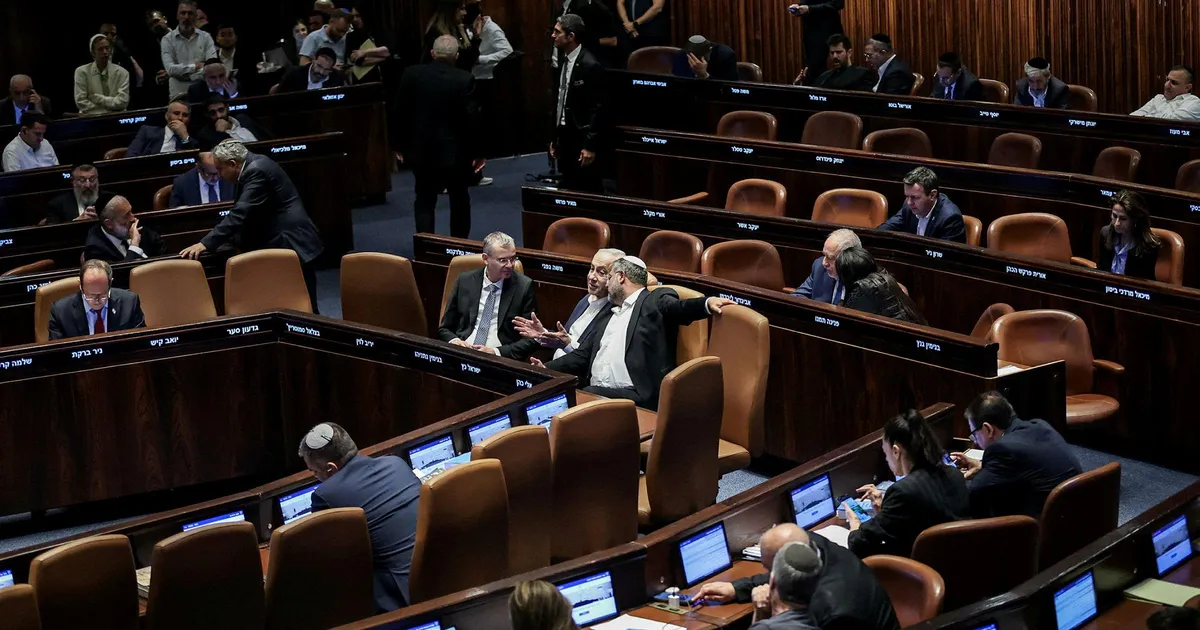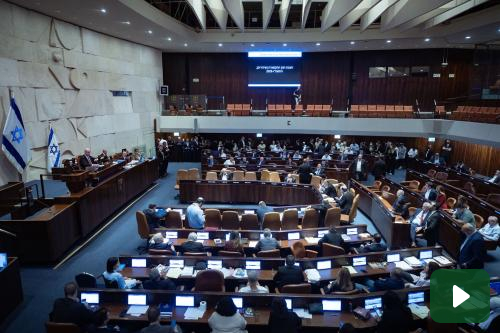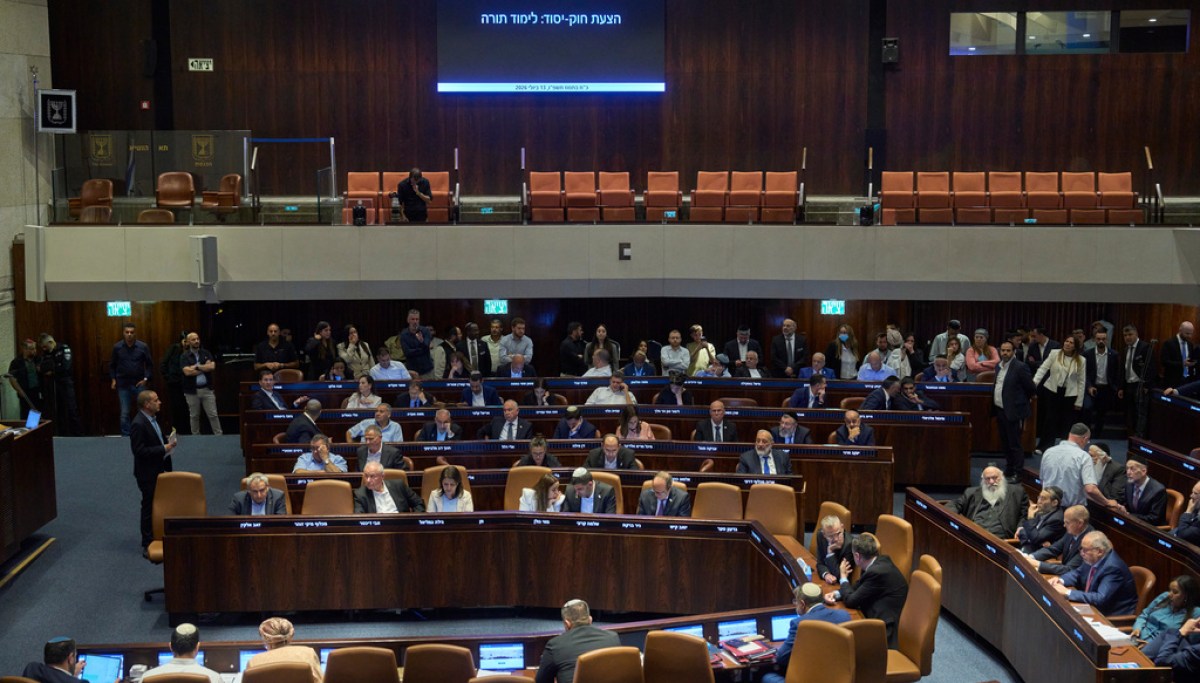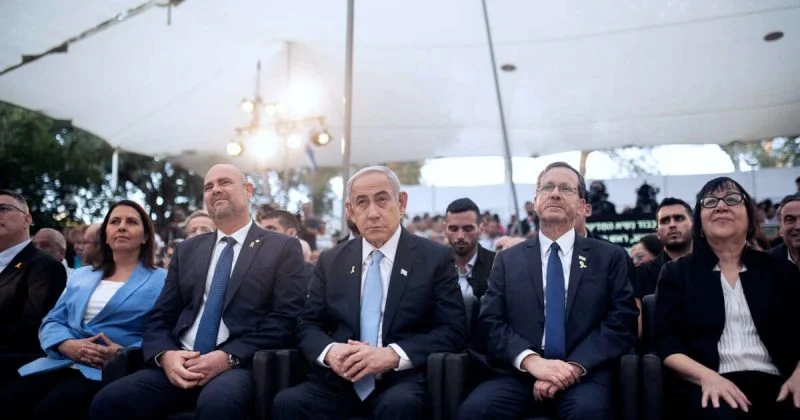
The Knesset has enacted a significant media reform law, increasing governmental influence over Israel’s broadcasting landscape. The legislation, spearheaded by Prime Minister Benjamin Netanyahu’s coalition and Communications Minister Shlomo Karhi, establishes a new Broadcast Media Authority and a Council for the Regulation of Audio-Visual Content. This move replaces independent regulators with entities where the communications minister appoints the majority of members. Critics, including the Attorney General and various media outlets, argue that the law threatens press freedom by enabling political control over licensing and content registration, while supporters claim it aims to liberalize the media market. The reform comes amid ongoing tensions related to the Israel-Hamas war and a legislative push to further consolidate government power.
Key Takeaways
Passage of the media reform law appears to increase government control over Israel’s broadcasting sector.
Market pricing suggests this development could raise the likelihood of political instability, potentially affecting the Israeli parliament dissolution markets.
The reform may indicate growing challenges for Prime Minister Netanyahu’s government, consistent with increased odds of his potential ouster.