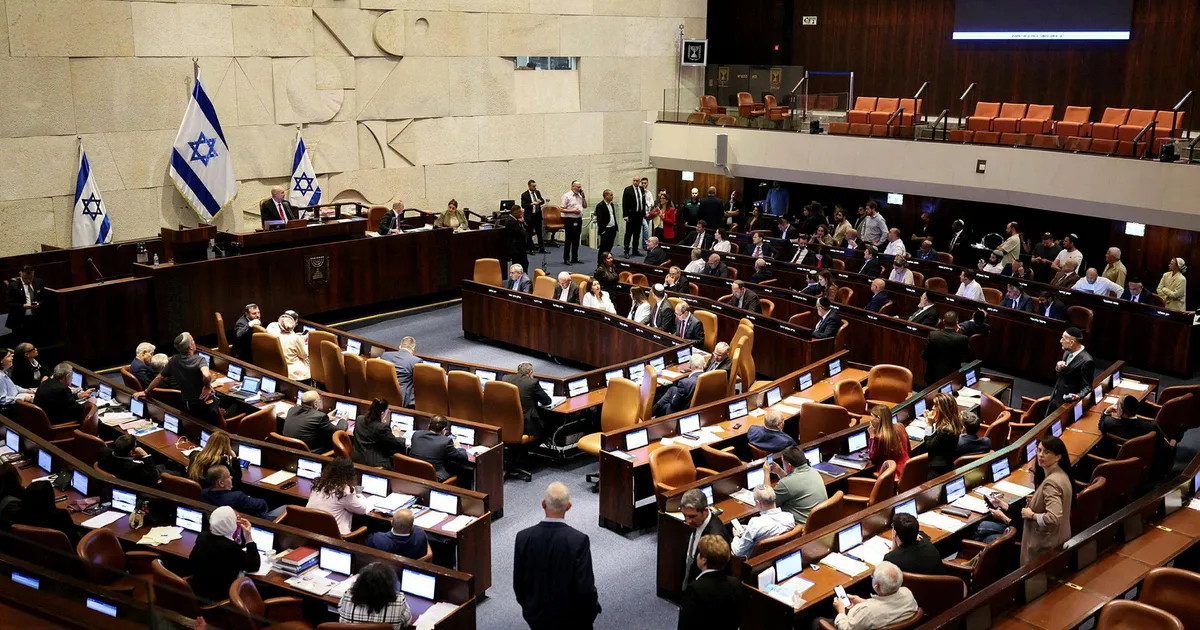
ByELAD MANAUGUST 23, 2026 15:00Earlier this summer, in mid-July, Israel’s parliament approved a sweeping overhaul of the country’s broadcasting system.Communications Minister Shlomo Karhi called it a victory for “content, competition, and freedom.” He also described it as the completion of a “right-wing reform” of the media.Those descriptions sit uneasily together. A reform designed to advance the governing coalition’s media agenda is not necessarily a reform that frees the market.Israel’s new law does not simply remove state controls. It redistributes market advantages, weakens safeguards for independent journalism, and leaves a politically exposed regulator to administer the new system.A free press requires more than the absence of a government censor. News organizations also need to operate without depending on political favor for access to viewers, regulatory approval, or economic survival.Communications Minister Shlomo Karhi attends the Special Committee for the Communications Law at the Knesset, the Israeli parliament on December 9, 2025 (credit: YONATAN SINDEL/FLASH90)A government can leave every sentence formally uncensored while changing the market around the newsroom.For decades, Israeli broadcasting law required a structural separation between commercial television channels and the companies producing their news.The arrangement was imperfect, but its purpose was sound. It gave newsrooms some institutional distance from their owners’ commercial and political interests.The new law removes that separation and relaxes restrictions on cross-ownership. Companies with broader commercial interests will be able to exercise more direct control over news production, content, and distribution.That may produce more channels, but a larger number of outlets does not necessarily mean a wider range of independent voices.Nor does the law merely get the government out of the way. It gives significant advantages to new news providers.Television platforms may be required to carry certain channels without payment, granting them immediate access to viewers and valuable distribution infrastructure.Yet requirements involving journalistic standards, ownership transparency, and editorial independence were removed or weakened during the legislative process.This is not neutral deregulation. It is a market redesigned by the state, with statutory benefits for selected participants and fewer public obligations attached to news production.A government-managed advantage does not become a free-market policy merely because it benefits a private company.The same asymmetry appears in the treatment of technology. Obligations imposed on Israeli broadcasters were reduced, while provisions addressing international streaming services were separated from the law and left unresolved. Global platforms with enormous influence over the distribution and monetization of information remain largely outside the new framework.The result is a patchwork that burdens some competitors, favors others, and leaves the most powerful platforms largely untouched.Institutional distance and deregulatorsThe regulator that will administer the system presents an even greater problem. Its decisions will shape registration, distribution, ownership, and the economic conditions under which news organizations operate.Yet the appointment process leaves substantial influence with the communications minister and the government.A regulator cannot credibly protect a free media market if the organizations it oversees reasonably fear that its composition or decisions may reflect the preferences of those in power.Hatzlacha, the Israeli public-interest organization I advise, proposed a more independent model based on the system used for Israel’s public broadcaster.A professional search committee chaired by a retired senior judge would identify qualified candidates for the regulator’s governing council. Members would be selected for expertise rather than as representatives of the governing coalition.No appointment system can remove politics entirely. But institutional distance matters.The difference between regulation and political control often lies not in the regulator’s formal powers, but in who chooses its members and what safeguards constrain that choice.The flaws began before the bill reached parliament. The attorney-general’s office objected to the way it was drafted and advanced within the government.The bill was then diverted from the Knesset’s permanent committee responsible for broadcasting and sent to a special committee created for it, despite objections from the Knesset’s legal adviser.Lawmakers repeatedly complained that revised texts arrived too late for meaningful review. When the coalition could not complete the full bill on schedule, major sections were removed so the remainder could pass.The rushed process did more than produce an untidy statute. It created an uneven system in which political priorities survived while inconvenient safeguards disappeared.Supporters say the overhaul will increase competition and expand the range of voices available to Israelis. It may produce more channels.But 10 outlets controlled by concentrated interests, reliant on government-created advantages, or overseen by a politically vulnerable regulator do not necessarily offer more freedom than five genuinely independent newsrooms.The test of press freedom is not how many channels viewers can select. It is how many news organizations can investigate those in power without depending on their favor.Israel’s experience carries a lesson for other democracies. Governments no longer need to censor the news directly. They can influence it by manipulating the rules under which news organizations compete.Genuine deregulation requires neutral rules, open competition, and less political discretion. A system that selects winners and places them under a politically vulnerable regulator is not a free market. It is political control by other means.The writer is an Israeli lawyer and public-interest advocate. He serves as legal counsel to Hatzlacha and The Seventh Eye and lectures on media, information law, and regulation at Reichman University and Bar-Ilan University.Follow us on Google
Israel’s new media law raises questions about press freedom and competition | The Jerusalem Post
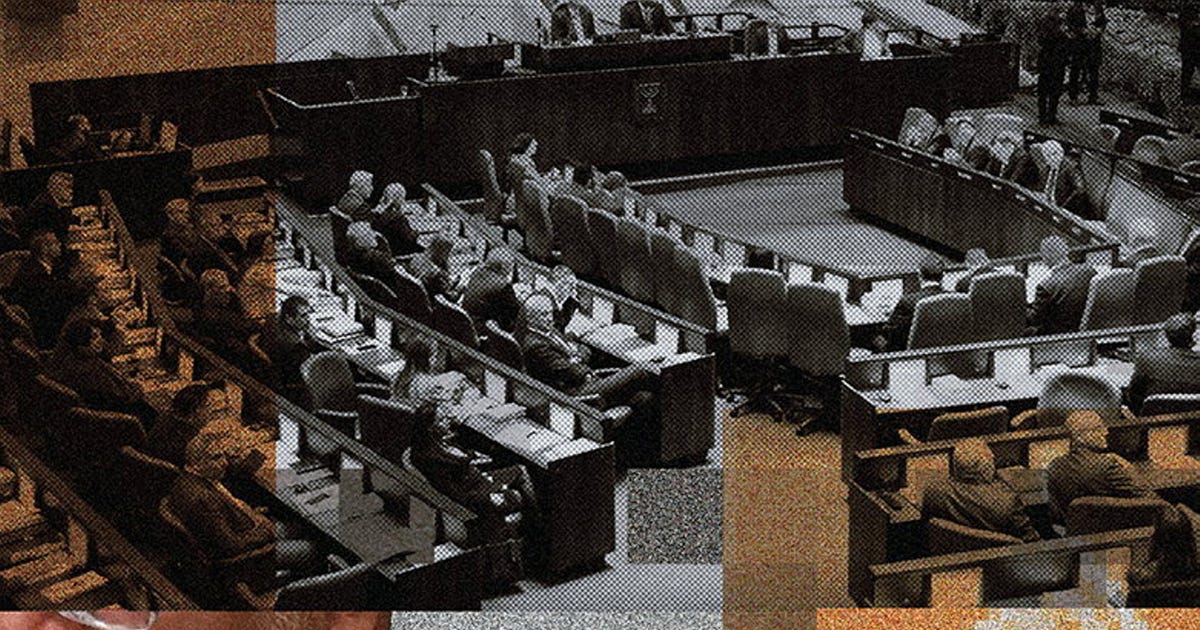
Israel's new law also redistributes market advantages, weakens safeguards for independent journalism, and leaves a politically exposed regulator to administer the new system.
855 words~4 min read